Find Owner-Listed Semi Trucks for Sale Near You Today
If you’re in the market for a heavy-duty workhorse and want to cut out the middleman, finding owner-listed semi trucks for sale near you can be a smart financial move. This guide is designed to walk you through the entire process, from the significant advantages of buying directly to spotting the best deals and avoiding costly pitfalls. As someone who has spent over a decade testing and reviewing commercial trucks, I’ll share insights you won’t find on generic listing sites, helping you secure a reliable rig that fits both your needs and your budget.
Why Buying Directly from an Owner Makes Sense
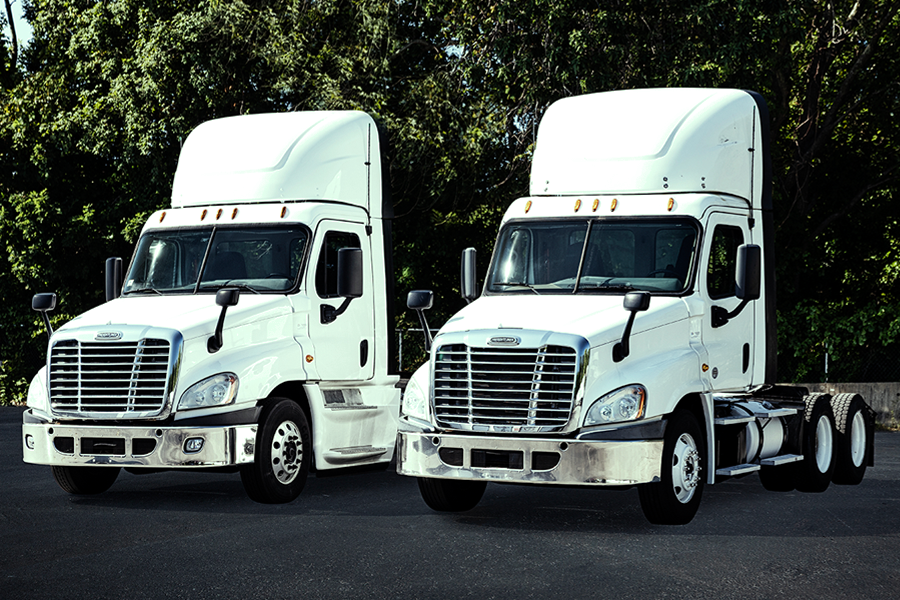
When you search for “owner-listed semi trucks for sale,” you’re stepping into a different marketplace than dealer lots. The primary draw is price. Without dealership overhead, marketing costs, and sales commissions, owners can often offer more competitive pricing. You’re also likely to get a more transparent history. An owner-operator who has lived with the truck for years can tell you about its quirks, maintenance habits, and performance in a way a dealer’s salesperson simply cannot. This direct line to the vehicle’s past is invaluable. However, it requires more diligence from you, the buyer. You become the researcher, the inspector, and the negotiator.
Top Places to Find Owner-Listed Trucks
Knowing where to look is half the battle. While national online classifieds are a common starting point, don’t overlook local resources.
- Online Marketplaces: Websites like Truck Paper, Commercial Truck Trader, and even Craigslist are hubs for private listings. Use precise location filters to find “semi trucks for sale near me.”
- Industry Networks: Talk to mechanics at trusted repair shops, visit truck stops with bulletin boards, and engage with online forums and social media groups for professional drivers. Often, the best deals are shared by word-of-mouth before they ever hit a public listing.
- Auction Sites: Some auction platforms feature private seller listings alongside dealer and fleet sales. Ensure you understand the auction terms, as many are sold “as-is.”
Key Factors to Inspect Before You Buy
Never buy a used semi truck based on photos and a phone call alone. A thorough in-person inspection is non-negotiable. Here’s a quick checklist:
- Engine & ECM Data: Request the electronic control module (ECM) data. This log provides a history of fuel consumption, idle time, RPMs, and fault codes, offering a digital truth about the engine’s life.
- Frame & Suspension: Look for rust, cracks, or any signs of repairs on the frame rails. Check for worn bushings and shocks in the suspension.
- Transmission & Drivetrain: Listen for unusual noises during a test drive. Feel for smooth shifting and check for leaks around the differential and axles.
- Maintenance Paperwork: A well-kept stack of repair and service receipts is a green flag. It shows an owner who invested in the truck’s longevity.
Owner-Listed vs. Dealer-Certified: A Clear Comparison
To help visualize the trade-offs, here’s a side-by-side look at your main options.
| Consideration | Owner-Listed Semi Truck | Dealer-Certified Truck |
|---|---|---|
| Price | Typically lower; room for negotiation. | Higher, includes dealer markup and certification cost. |
| History Transparency | Direct from source, but requires verification. | Varies; may have limited history from fleet use. |
| Warranty/Guarantee | Almost always sold “As-Is.” | Often includes a short-term warranty. |
| Financing & Paperwork | Buyer arranges financing; title transfer is private. | Dealer facilitates financing and handles DMV paperwork. |
| Selection | Unique, varied inventory based on individual owners. | Curated, often newer models or refreshed trade-ins. |
Financing Your Private-Party Truck Purchase
Securing funding for an owner-listed truck is different from dealer financing. You’ll generally need to work with a bank or credit union that offers commercial vehicle loans for private-party sales. Be prepared with the truck’s Vehicle Identification Number (VIN), a bill of sale, and the seller’s details. Your creditworthiness and a solid down payment (often 10-20%) will be key factors. Getting pre-approved before you start seriously shopping gives you a major advantage and clarifies your budget.
Expert Insight on Vehicle History
John Miller, a certified commercial vehicle inspector with over 20 years of experience, emphasizes caution: “A clean title doesn’t always mean a clean truck. For any owner-listed semi, a pre-purchase inspection by a qualified third-party mechanic is the best $500 you’ll ever spend. They can spot frame damage, engine issues, or transmission problems that even a seasoned driver might miss.” This step is crucial for protecting your investment.
Expanding Your Search: New Options from Reliable Factories
While the focus is on used owner-listed trucks, it’s worth knowing all your options. Sometimes, the economics of a new truck can be surprising, especially with competitive international manufacturers. For buyers open to new models that offer modern efficiency and warranty coverage, exploring direct from factories can be insightful. Companies like Chinese Truck Factory have gained attention for providing a range of new semi-trucks that meet various operational needs and budgets. Comparing the total cost of ownership—including purchase price, expected fuel economy, and warranty coverage—between a used truck and a new base model is a smart financial exercise.
Final Steps to Seal the Deal
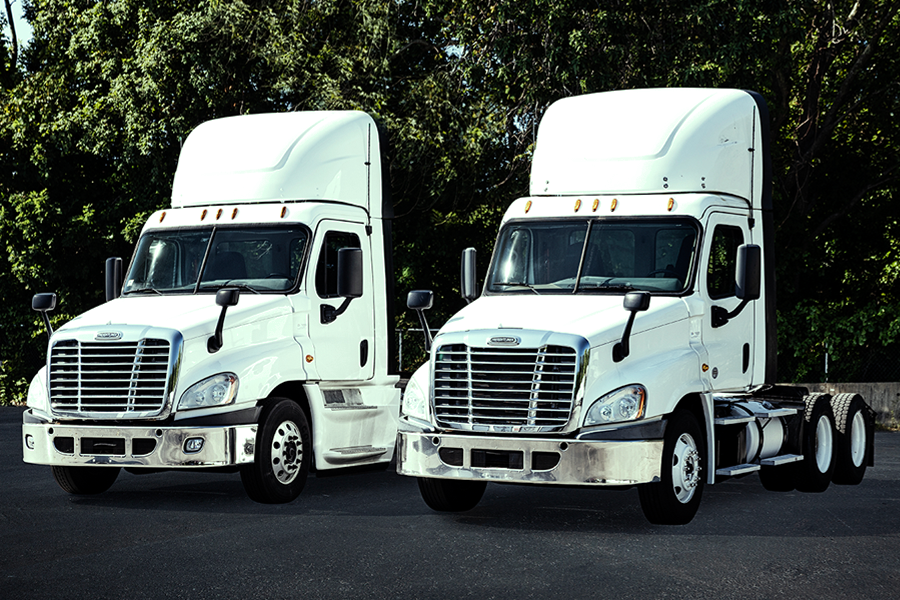
Once you’ve found the right truck and agreed on a price, ensure the transaction is secure. Meet at a secure location, like a bank, to handle the payment and title transfer. Use a certified cashier’s check or bank transfer for large sums. Verify the seller’s identity matches the title. Complete a detailed bill of sale that includes the VIN, sale price, date, and “as-is” condition statement for both parties’ protection. Finally, handle the registration and titling with your local Department of Motor Vehicles immediately.
Your Questions Answered
What is the biggest risk when buying an owner-listed semi truck?
The biggest risk is the lack of a warranty or legal recourse if a major, undisclosed problem arises shortly after purchase. This is mitigated entirely by a rigorous pre-purchase inspection and verifying all maintenance records.
How can I verify the mileage on a private sale truck?
Cross-reference the odometer reading with the ECM data, recent inspection reports, and maintenance records. Discrepancies are a major red flag.
Are there specific red flags in a truck’s appearance I should watch for?
Yes. Fresh paint on only part of the frame or cab (could hide damage), mismatched tire wear (indicating alignment issues), and excessive new undercoating (could mask frame rust) are all signs to investigate further.
Is it better to buy a truck locally or from another state?
Local purchases simplify inspection, test drives, and paperwork. Buying from another state can offer more choices but adds complexity in transporting the vehicle and handling state-specific title and tax requirements.
What should be included in the bill of sale?
At minimum: Full names and addresses of buyer/seller, truck year/make/model/VIN, sale date, sale price, and a statement that the truck is sold “as-is” with no warranties expressed or implied. Both parties should sign and keep a copy.
Conclusion
The search for the perfect owner-listed semi truck demands patience, research, and a careful eye. By leveraging the right platforms, conducting exhaustive inspections, and following secure transaction practices, you can successfully navigate the private-sale market. The reward is a capable truck acquired at a solid value, putting you directly in control of your equipment and your business’s future. Remember, taking the time to do it right is always cheaper than fixing a costly mistake.
Sources & Further Reading:

– Federal Motor Carrier Safety Administration (FMCSA): For regulations and safety standards.
– American Trucking Associations: For industry reports and data trends.
– Commercial Vehicle Inspection Guidelines from accredited technical institutions.