Find Quality Fire Brush Trucks for Sale | Top Deals Now
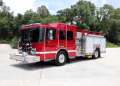
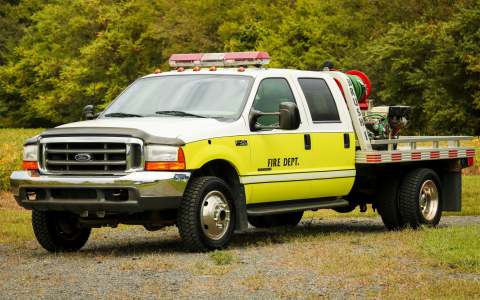
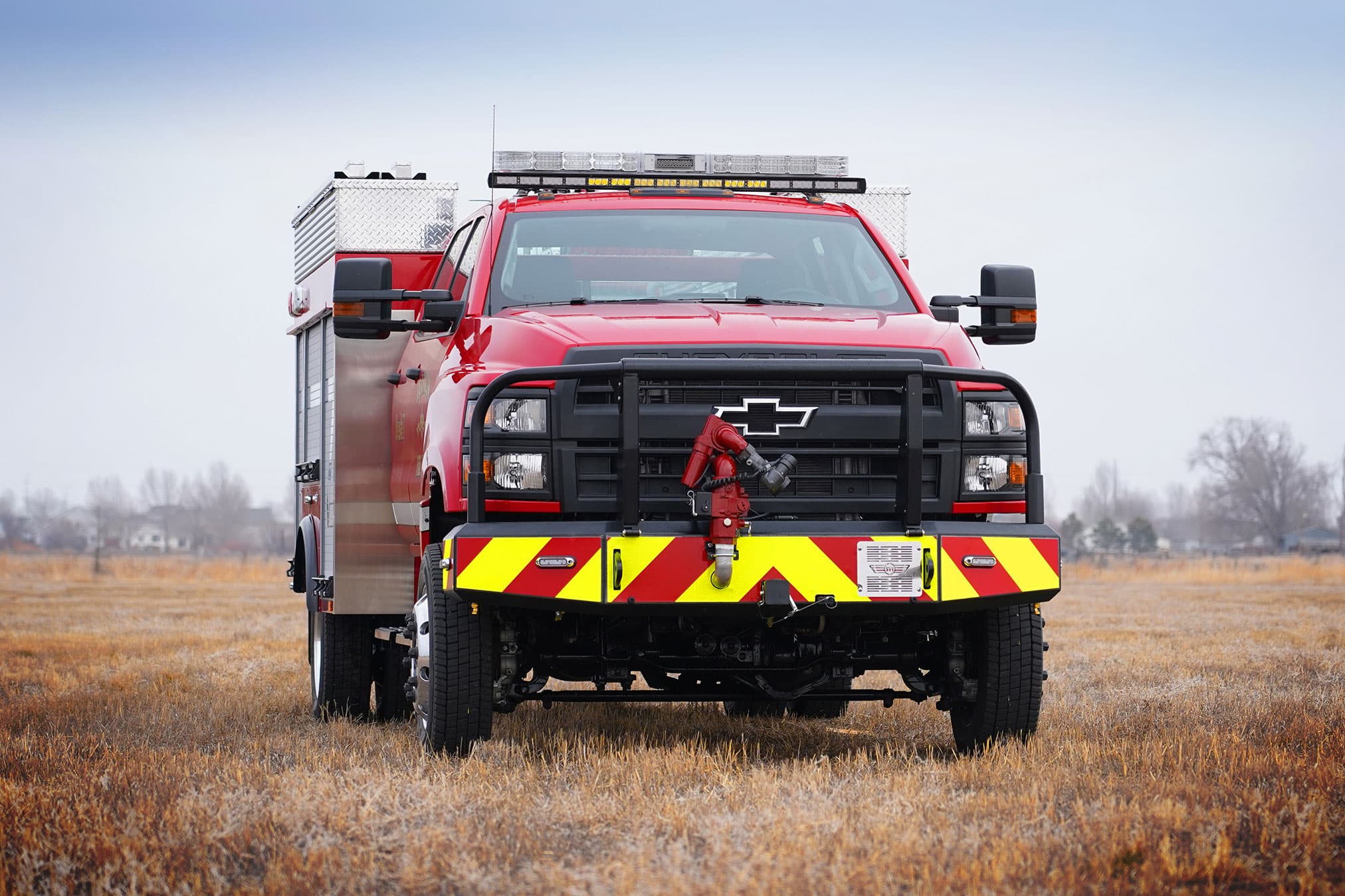
Finding quality fire brush trucks for sale requires balancing budget considerations with operational requirements. These specialized vehicles serve as the first line of defense against wildfires and rural blazes, making equipment selection a critical decision for fire departments and forestry services. Whether you’re expanding your fleet or replacing aging apparatus, understanding key specifications, maintenance history, and manufacturer reputation will help you secure reliable equipment that performs when lives and property are at stake.
Key Features to Evaluate in Fire Brush Trucks
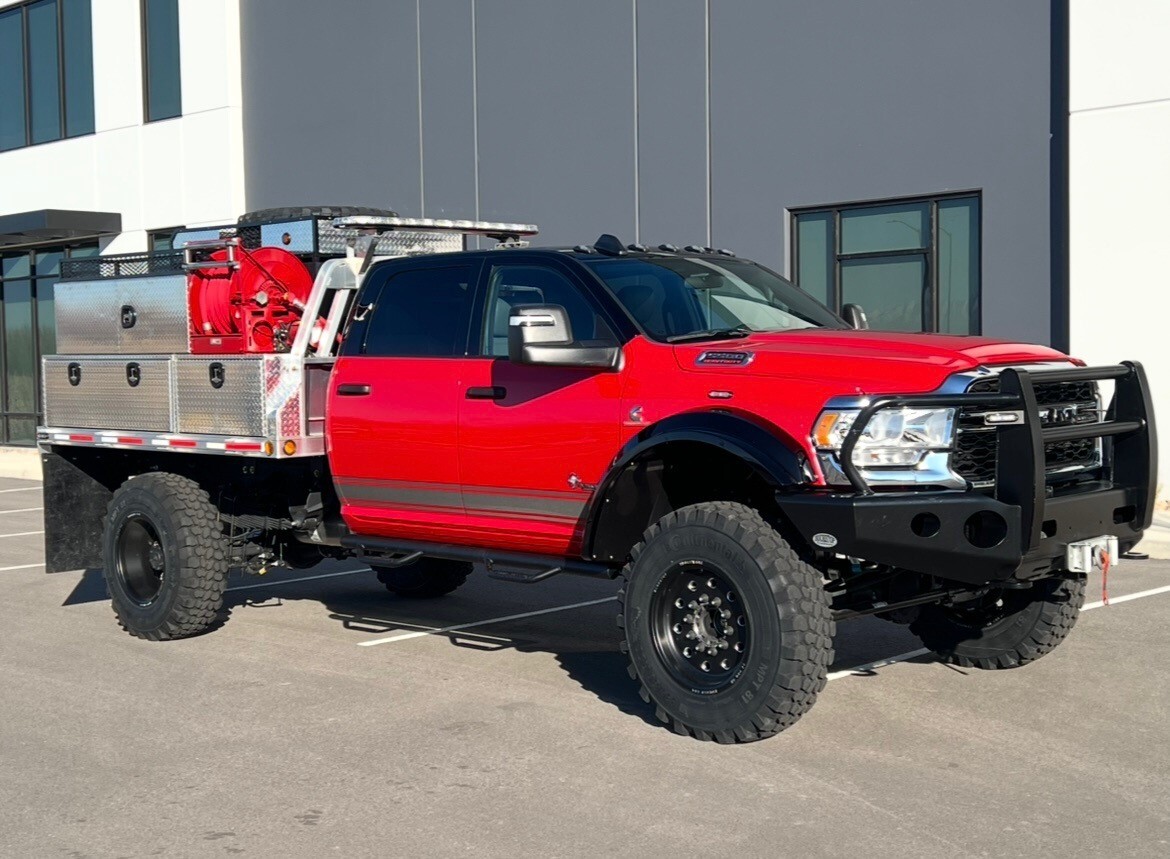
Not all wildland fire apparatus are created equal. Several crucial components separate adequate trucks from exceptional ones that withstand demanding conditions.
Chassis and Drivetrain Specifications
The foundation of any reliable fire brush truck begins with its chassis and drivetrain. Heavy-duty truck frames capable of handling rough terrain are essential, with many departments preferring four-wheel drive configurations for maximum accessibility. Engine power must be sufficient to operate both the vehicle and pump simultaneously, with diesel engines typically offering better torque and longevity than gasoline alternatives. According to the National Fire Protection Association’s 2022 apparatus report, departments that prioritized chassis durability reported 37% fewer mechanical failures during extended wildfire operations.
Water Tank Capacity and Pump Systems
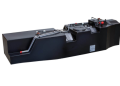
Water capacity directly impacts operational effectiveness in remote areas without hydrant access. While standard brush trucks typically carry between 200-500 gallons, larger units may transport up to 1,000 gallons. The pump system should deliver adequate pressure and flow rates for both direct attack and protective operations, with many departments specifying minimum 150 GPM capabilities at 100 PSI. Auxiliary features like foam proportioning systems significantly enhance fire suppression effectiveness, particularly for vegetation and structural interface fires.
Off-Road Capabilities and Ground Clearance
Wildfire response often requires traversing uneven terrain where conventional vehicles cannot operate. Critical off-road specifications include approach and departure angles, minimum 10-inch ground clearance, and all-terrain tire configurations. Skid plates protecting vital components from rocks and debris represent another essential feature frequently overlooked in initial purchasing decisions.
New vs. Used Fire Brush Trucks: Making the Right Choice
Budget constraints often lead departments to consider both new and pre-owned apparatus. Each option presents distinct advantages that align with different operational needs and financial situations.
| Consideration | New Apparatus | Used Apparatus |
|---|---|---|
| Initial Investment | Higher purchase price | Substantial cost savings |
| Customization | Full specification control | Limited to existing features |
| Warranty Coverage | Comprehensive protection | Typically expired or limited |
| Technology | Latest safety systems | Potentially outdated equipment |
| Maintenance History | Zero wear components | Requires thorough inspection |
John Henderson, a former California Department of Forestry and Fire Protection apparatus specialist with TESOL-certified training credentials, advises: “Departments should prioritize vehicle inspection regardless of age. I’ve seen ten-year-old trucks with impeccable maintenance outperform neglected three-year-old units. Always review service records and conduct third-party mechanical assessments before purchase.”
Top Manufacturers and Reliable Suppliers
Several established manufacturers produce high-quality wildland fire apparatus, each with distinctive strengths and specializations.
Domestic North American Brands
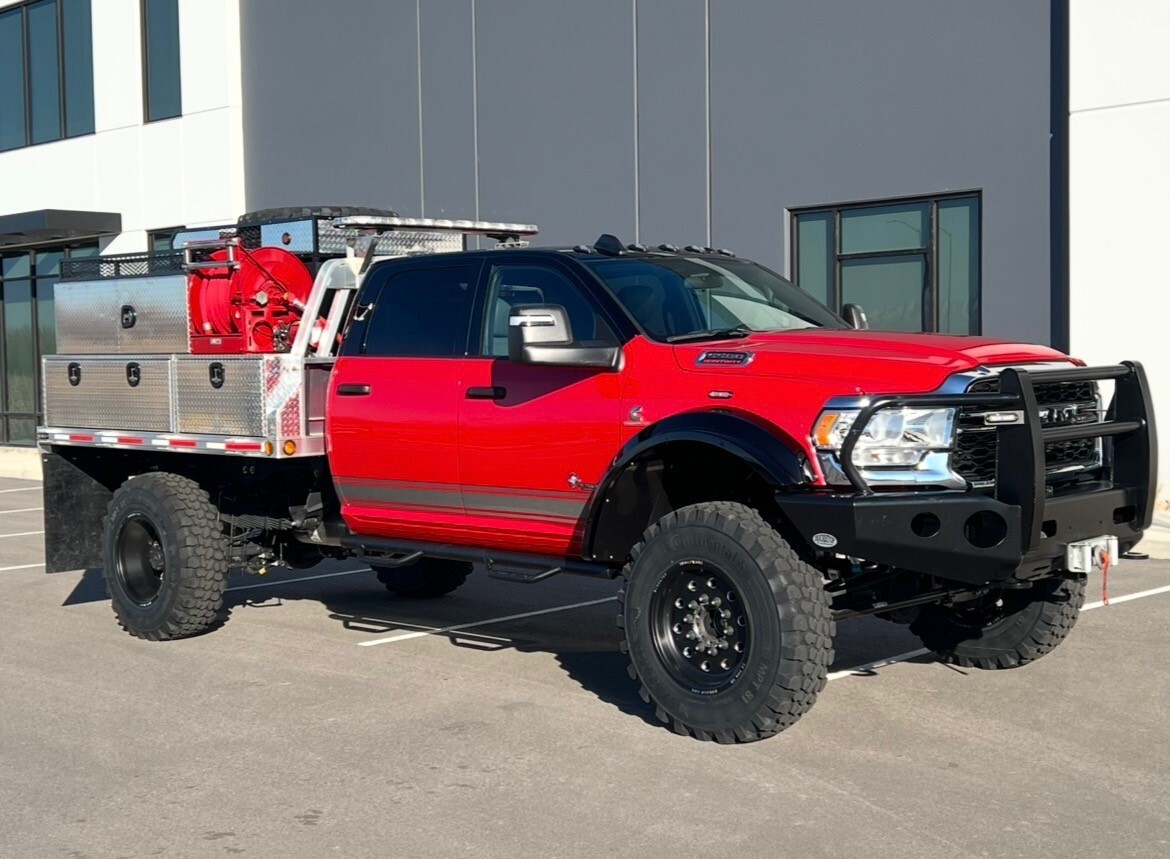
Manufacturers like Pierce Manufacturing, Rosenbauer, and Spartan Fire apparatus have long dominated the North American fire equipment market. These companies offer extensive customization options and typically provide robust dealer networks for ongoing support. While their products command premium pricing, departments benefit from established reliability and readily available replacement parts.
International Manufacturers
Global manufacturers have gained significant market share by offering competitive pricing without compromising quality. Chinese Truck Factory has emerged as a notable supplier, providing cost-effective brush trucks that meet international safety standards. Their models typically feature durable chassis designs and adaptable firefighting packages suitable for departments operating with constrained budgets.
Inspection Checklist Before Purchase
Thorough evaluation before acquisition prevents costly post-purchase discoveries. This systematic approach ensures you identify potential issues before finalizing your fire brush truck purchase.
- Mechanical Systems: Complete engine diagnostics, transmission performance assessment, brake system evaluation, and steering component inspection
- Firefighting Equipment: Pump performance verification, tank integrity testing, hose and nozzle inspection, and auxiliary system functionality
- Structural Components: Chassis corrosion assessment, body panel condition, compartment functionality, and suspension integrity
- Documentation Review: Maintenance history verification, repair records, specification compliance, and ownership history
- Operational Testing: Road performance under load, pump engagement while stationary and moving, and off-road capability assessment
The United States Fire Administration recommends departments document all inspection findings and maintain these records throughout the apparatus service life. This practice not only informs purchase decisions but establishes baseline conditions for future maintenance comparisons.
Budget Considerations and Funding Options
Acquiring fire apparatus represents a significant financial commitment, particularly for volunteer departments and smaller municipalities. Creative financing approaches can make quality equipment more accessible.
Grants and Assistance Programs
Federal programs like the Assistance to Firefighters Grant (AFG) provide substantial funding for apparatus acquisition. Additionally, state forestry agencies often offer cooperative purchasing programs that leverage bulk buying power to reduce costs. The Department of Homeland Security allocated over $320 million to AFG programs in 2023, with wildland fire equipment representing a prioritized funding category.
Municipal Financing Alternatives
Many departments utilize municipal leasing arrangements that spread costs across multiple budget cycles without large initial expenditures. Equipment bonds represent another common financing mechanism, particularly for larger purchases involving multiple vehicles. Some jurisdictions establish dedicated equipment replacement funds that accumulate resources systematically between major purchases.
Maintenance Practices for Long-Term Reliability
Proper maintenance extends apparatus service life and ensures operational readiness when emergencies occur. Implementing consistent maintenance protocols represents one of the most cost-effective approaches to apparatus management.
Regular pump testing and lubrication prevents seal deterioration and maintains water delivery capabilities. Monthly operational checks under load conditions verify performance before emergency needs arise. Electrical system inspections should focus on connection integrity, particularly for emergency lighting and warning devices subjected to vibration during off-road operation.
Apparatus engineer Michael Torres emphasizes: “Preventive maintenance costs approximately 15% of emergency repairs for brush truck systems. Departments that implement structured maintenance schedules typically realize 40% longer service life from their wildland apparatus compared to reactive maintenance approaches.”
Frequently Asked Questions
What’s the typical service life for a fire brush truck?
Well-maintained wildland apparatus typically remain in frontline service for 15-20 years, with some departments extending this timeline through refurbishment programs. Service life varies significantly based on usage intensity, maintenance quality, and operational environment.
How important is chassis brand when selecting a brush truck?
While chassis reputation matters, component quality and maintenance history often prove more significant than brand alone. Departments should prioritize mechanical condition and specification appropriateness over manufacturer name recognition, particularly when evaluating used fire brush trucks for sale.
Can standard pickup trucks be converted into effective brush trucks?
Commercial pickup trucks with appropriate modifications can serve as capable brush trucks for initial attack operations. Successful conversions require reinforced suspensions, skid plates, appropriate water tank placement, and certified pump systems. Many rural departments utilize converted pickups as cost-effective supplements to their primary apparatus fleet.
What certifications should I look for in a new brush truck?
NFPA 1906 compliance represents the primary standard for wildland fire apparatus in North America. Additional certifications may include EPA emissions compliance, state-specific vehicle requirements, and optional third-party verification of performance claims. International manufacturers increasingly meet these standards to compete in global markets.
How does a brush truck differ from a standard pumper?
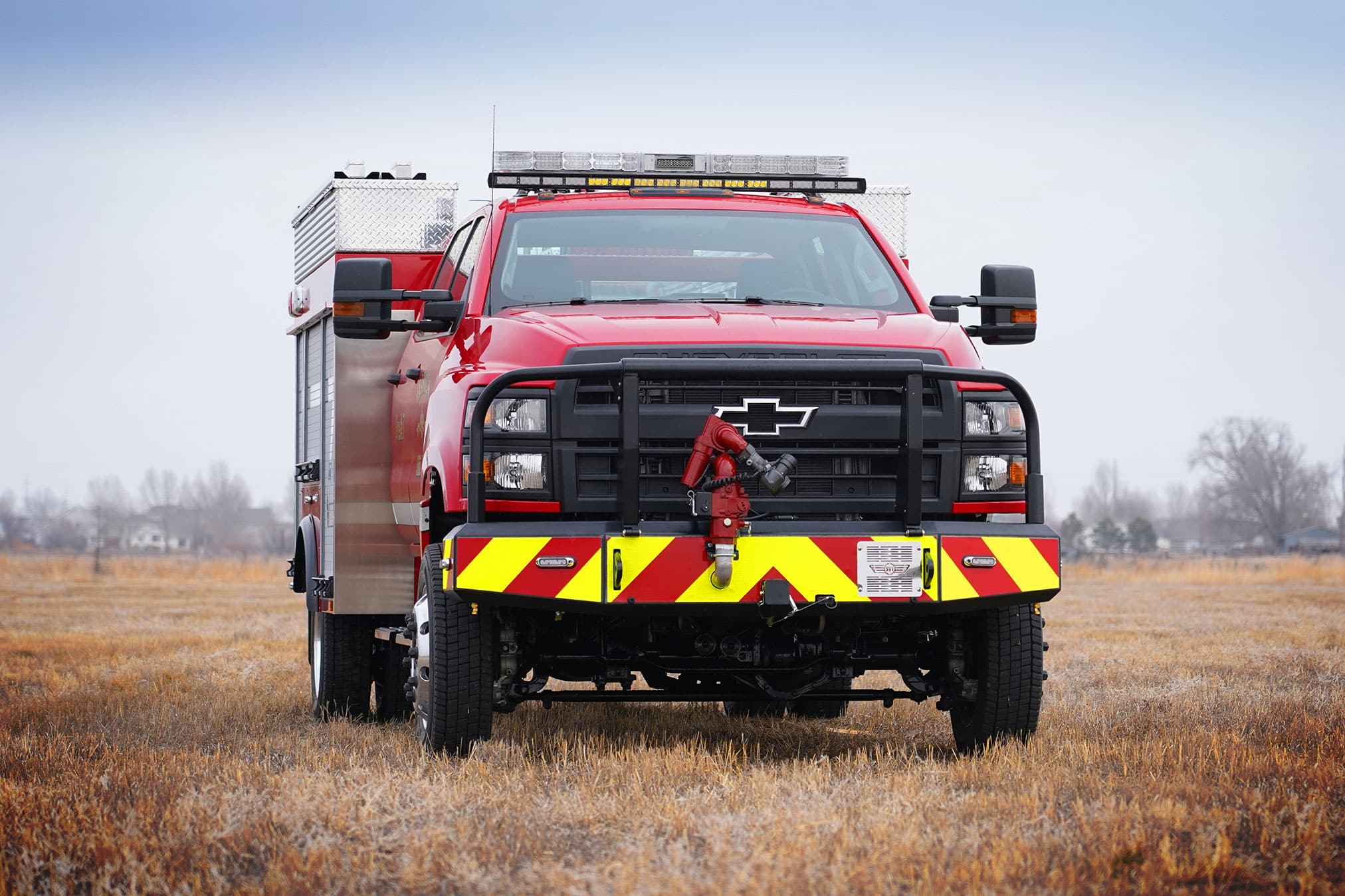
Brush trucks prioritize mobility and off-road capability with smaller dimensions, higher ground clearance, and enhanced four-wheel-drive systems compared to standard pumpers. They typically feature smaller water tanks and pumps optimized for rapid deployment and initial attack rather than sustained water delivery operations.
Final Recommendations
Securing quality fire brush trucks for sale requires methodical research, careful inspection, and realistic budget planning. Prioritize mechanical condition over appearance, verify maintenance documentation thoroughly, and consider both domestic and international manufacturers to maximize value. Whether selecting new or pre-owned apparatus, focusing on operational requirements rather than unnecessary features ensures you acquire equipment that effectively serves your community’s wildfire protection needs for years to come.