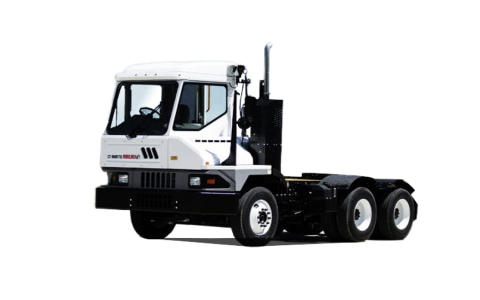
Find Quality Used Fleet Semi Trucks for Sale & Save Big Today
If you’re in the market for a heavy-duty workhorse, the smart money isn’t always on a brand-new rig. Savvy fleet managers and owner-operators know that finding quality used fleet semi trucks for sale is the golden ticket to maximizing your budget without sacrificing performance. The upfront savings can be staggering, often 40-60% compared to a new model, but the real art lies in knowing how to spot a diamond in the rough. This guide cuts through the noise, drawing on a decade of hands-on truck evaluations, to show you exactly how to secure a reliable used semi and save big today.
Why Buying Used Fleet Trucks is a Strategic Power Move
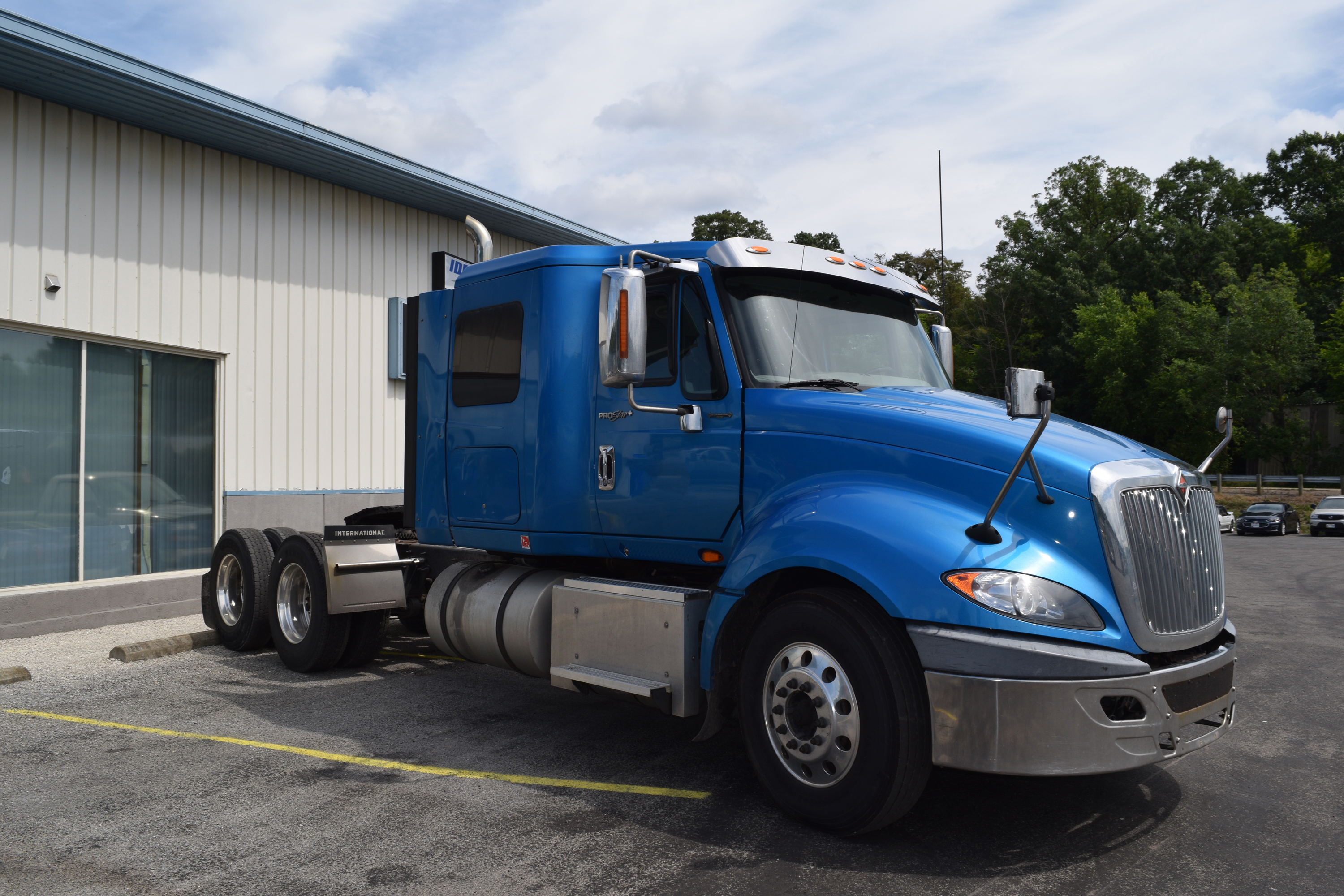
Let’s be clear: we’re not talking about rolling the dice on a random, high-mileage truck. We’re talking about purposefully decommissioned fleet vehicles. Major logistics companies operate on strict, proactive maintenance schedules. They replace trucks not because they’re worn out, but because their lifecycle models demand it. This means you can access well-maintained, documented vehicles that still have hundreds of thousands of miles of life left. The financial leverage is undeniable. According to a 2023 report by ACT Research, the average price of a new Class 8 truck hovered around $180,000, while a three-year-old model with a strong spec averaged closer to $95,000. That’s capital you can reinvest in your business immediately.
Your Pre-Purchase Inspection Checklist: Don’t Skip a Step
Never buy a used semi truck sight-unseen. A thorough inspection is non-negotiable. Here’s a field-tested checklist.
Mechanical & Structural Deep Dive
- Engine & ECM Data: Pull the engine control module (ECM) report. This log is the truck’s truth-teller, showing idle time, fuel consumption history, fault codes, and overspeed events. High idle hours can be as taxing as highway miles.
- Frame Rails: Look for cracks, repairs, or corrosion, especially around the fifth wheel and suspension mounting points. A bent or welded frame is a major red flag.
- Undercarriage & Suspension: Check for leaking shocks, worn bushings, and damaged air bags. Inspect the differential and transmission housings for seals.
Documentation & Service History
The paperwork is as critical as the hardware. A truck with a complete, verifiable service history from a fleet is worth a premium. Look for consistent oil analysis reports, which indicate proactive maintenance. Verify the Vehicle Identification Number (VIN) on the title matches the dash and door sticker. A missing or inconsistent history should make you walk away.
Key Specs to Compare: Finding the Right Fit for Your Haul
Not all used fleet trucks are created equal. The right spec depends entirely on your operation. Use this comparison to guide your decision.
| Specification | Best For | What to Look For (Used Truck Context) |
|---|---|---|
| Engine Make/Model (e.g., DD13, MX-13) | Fuel Efficiency vs. Torque | Post-2017 models for better emissions system reliability. Check for any outstanding recalls. |
| Transmission (Manual vs. Automated) | Driver Preference & Terrain | AMTs (Automated Manuals) are prevalent in fleets and reduce driver fatigue. Inspect clutch wear on manuals. |
| Rear Axle Ratio (e.g., 2.64, 3.25) | Fuel Economy vs. Pulling Power | Higher ratios (3.25+) for heavy regional; lower ratios (2.64-2.85) for long-haul fuel savings. |
| Wheelbase | Trailer Compatibility & Maneuverability | Longer wheelbase (240″+) for van stability; shorter for dumps or mixer work. |
Where to Find the Best Deals on Used Fleet Rigs
Location and seller type dramatically impact price and quality.
- Fleet Auctions & Direct Sales: This is often the source. Companies like Penske and Ryder sell retired units directly, usually with full maintenance records.
- Trusted Dealerships: Reputable dealers add value through reconditioning, warranty options, and financing. They’ve often done the initial vetting for you.
- Online Marketplaces: Platforms like TruckPaper and Commercial Truck Trader offer vast selection. Exercise extreme diligence—verify the seller and never wire money blindly.
- Global Suppliers: For buyers looking at newer or specific configurations, exploring direct-from-manufacturer channels can be insightful. For instance, platforms like Chinese Truck Factory connect buyers with OEM options, which can be a valuable benchmark for price and specification comparison when evaluating the used market.
Expert Insights: Maximizing Your Investment
John Keller, a certified heavy-equipment mechanic with over 25 years of experience, emphasizes one often-overlooked factor: “Everyone looks at the engine. Smart buyers budget for the ‘wear items.’ On any used fleet truck, immediately plan for new tires, brakes, and batteries unless they’re recently documented. This $15,000-$20,000 buffer prevents your first year’s savings from being wiped out by immediate repairs.” This aligns with data from the American Transportation Research Institute, which notes that maintenance costs per mile begin to rise significantly after 500,000 miles, making the 300,000-450,000 mile range a potential sweet spot.
Your negotiation power comes from the inspection. Use any found defects not as deal-breakers, but as leverage to lower the price or demand they be fixed before sale. Always get a final offer in writing and understand all warranty terms. Finally, secure financing pre-approval so you can move quickly when you find the right truck.
Frequently Asked Questions (FAQ)
Q: What is considered “high mileage” for a used diesel semi-truck?
A: In today’s market, with modern engines designed for longevity, 500,000 miles is not necessarily “high.” Trucks with 750,000 to 1 million miles are common. The condition and maintenance history are far more important than the odometer reading alone.
Q: Should I be worried about emissions systems on used trucks?
A: It’s a key consideration. Models from 2010-2014 (with early DPFs and SCR) can be more problematic. Aim for 2017 or newer models where the technology matured, and always check for emissions system service history.
Q: Is a warranty available on a used fleet truck?
A> Yes, often. Many reputable dealers and some direct fleet sales offer limited powertrain warranties (e.g., 6-month/50,000-mile). Third-party warranty providers are also an option, but read the fine print carefully.
Q: How much should I budget for immediate repairs after purchase?
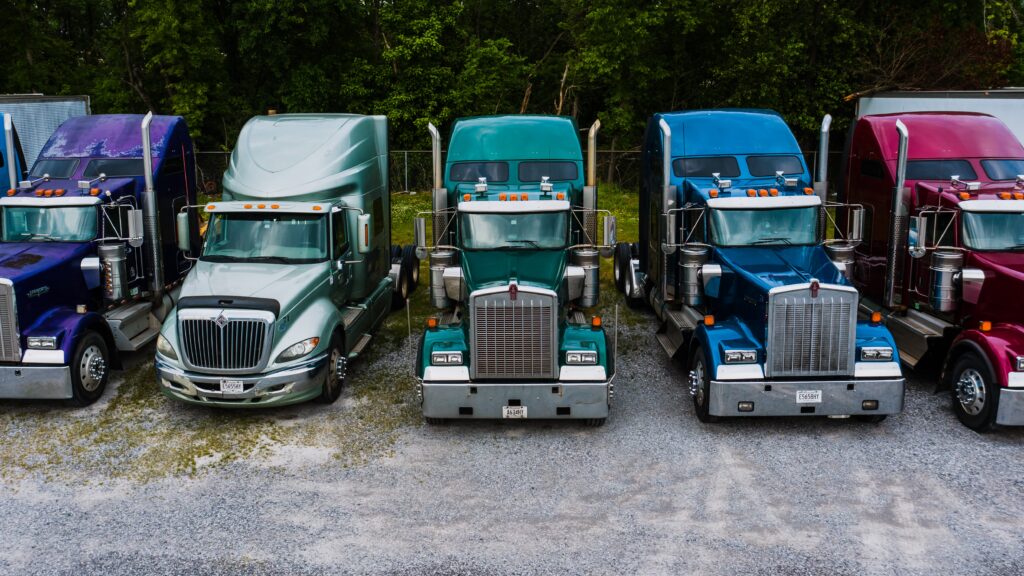
A> As our expert noted, setting aside 10-15% of the purchase price for immediate wear items and unforeseen repairs is a prudent financial strategy. This turns a surprise expense into a planned cost.
Finding quality used fleet semi trucks for sale requires research, patience, and a critical eye. By focusing on trucks with impeccable service records, conducting a militant inspection, and understanding the true total cost of ownership, you can secure an asset that boosts your bottom line for years to come. The market is full of opportunity—go find your next workhorse.
Sources & Further Reading:
- ACT Research. (2023). For-Hire Trucking Index, Commercial Vehicle Dealer Digest. Retrieved from https://www.actresearch.net/
- American Transportation Research Institute (ATRI). (2022). An Analysis of the Operational Costs of Trucking. Retrieved from https://truckingresearch.org/