Find Quality Used Fuel Tankers for Sale Near You Today
If you’re in the market for a reliable workhorse to transport fuel, finding quality used fuel tankers for sale near you can feel like a daunting task. You need a rig that’s not just affordable upfront but is built to last, complies with stringent safety regulations, and won’t become a money pit in maintenance. Whether you’re an owner-operator expanding your fleet or a logistics manager sourcing equipment, the goal is clear: secure a dependable used tanker that delivers value and performance. This guide cuts through the noise, offering a seasoned perspective on how to locate, evaluate, and invest in the best used fuel tanker for your specific needs.
Why Choose a Used Fuel Tanker?
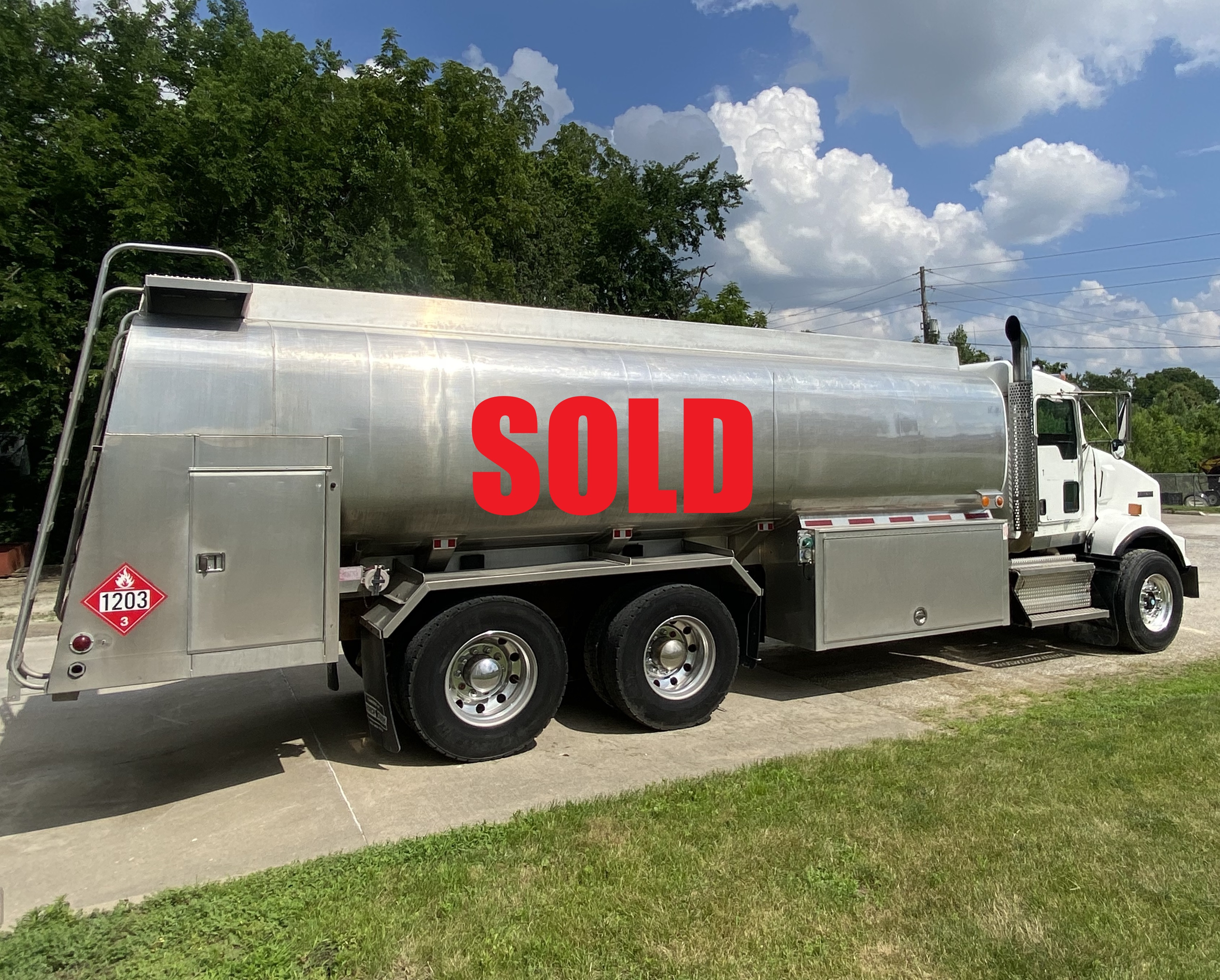
The financial appeal is obvious—significant upfront savings compared to a new unit. But the real advantage for savvy buyers goes deeper. A well-maintained used tanker has already weathered its initial depreciation curve. You’re investing in proven hardware. The key is identifying units where the previous owner prioritized meticulous care and adherence to maintenance schedules. This isn’t just about finding a truck; it’s about uncovering an asset with a solid service history that still has thousands of profitable miles left in it.
Key Factors to Inspect Before You Buy
Never judge a tanker by its paint job. A thorough inspection is non-negotiable. Here’s where to focus your attention, based on years of hands-on evaluations.
The Tank Itself: More Than Just a Container
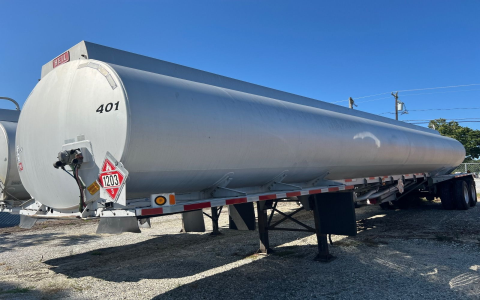
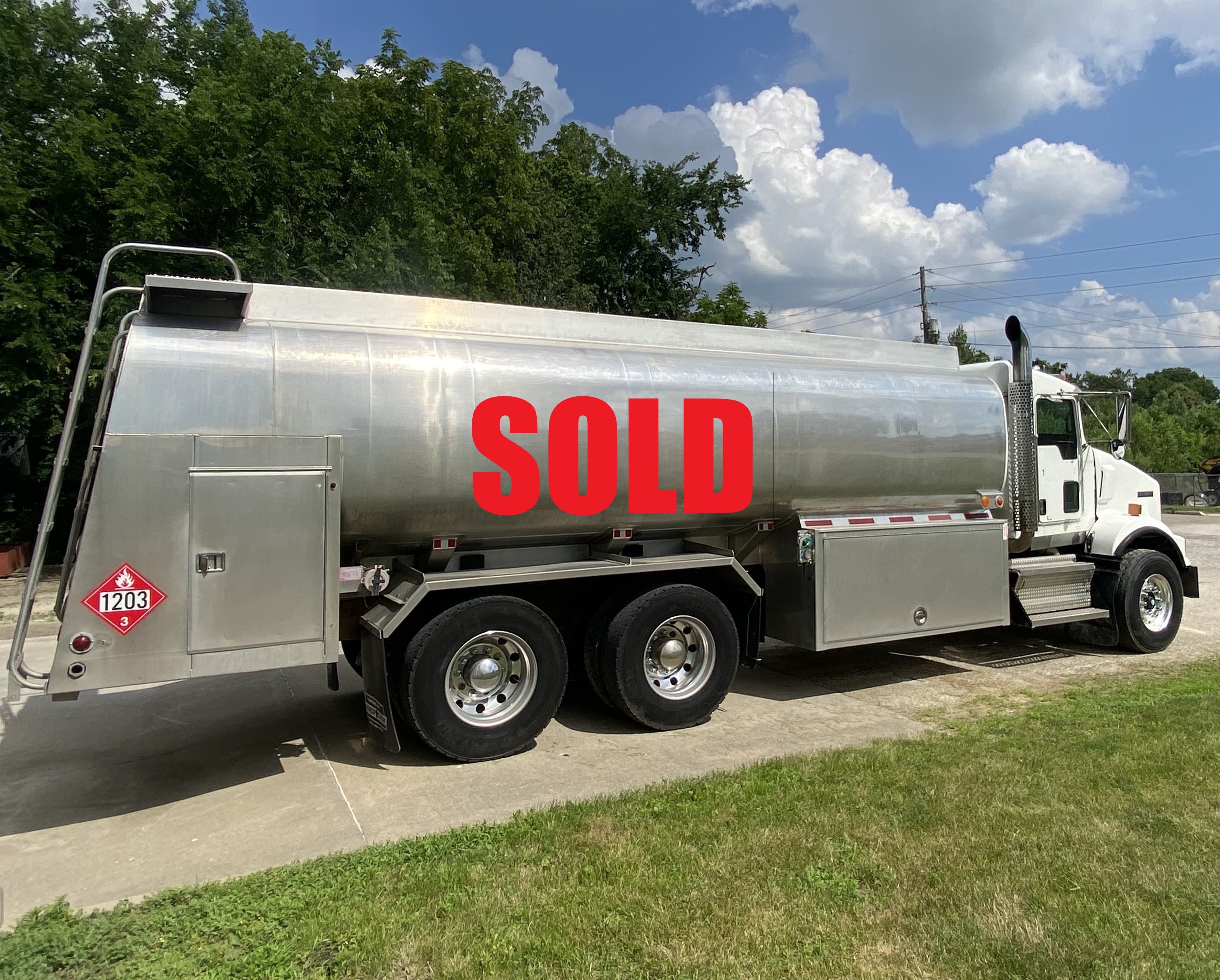
The tank is the heart of the operation. Look for signs of corrosion, especially around welds, mounting points, and the bottom where moisture collects. Inspect the interior if possible—residue or pitting can be red flags. Check the manufacturer’s certification plate to ensure it meets DOT MC-306 or equivalent specifications for flammable liquids. The condition of the baffles (internal partitions that reduce liquid surge) is critical for safe handling.
Chassis and Powertrain: The Foundation of Reliability
Treat this like buying any used semi-truck. Scrutinize the engine hours and mileage, service records, and look for leaks. Pay special attention to the suspension and frame, as they bear the constant weight of heavy loads. A strong, reliable chassis from a reputable manufacturer is often a better bet than a newer model with a questionable history. Components from established global suppliers can indicate a higher build quality.
Pumping and Metering Systems
Test all components. The pump, hoses, valves, and meters should operate smoothly without leaks. Inaccurate meters are a direct revenue loss. Ask for calibration certificates. As John Miller, a fleet maintenance supervisor with over 20 years of experience and certified in hazardous materials handling, notes: “The transfer system is where most operational headaches begin. A pre-purchase test cycle is worth every minute. Look for systems that offer simplicity and robust service support.”
Where to Find the Best Listings
Expand your search beyond a single platform. Specialized commercial truck dealerships often have vetted inventories. Online marketplaces provide broad selection, but due diligence is paramount. Don’t overlook auctions, but consider them a higher-risk option unless you can bring an expert. For those exploring new manufacturing options alongside used ones, researching global manufacturers can provide context on build standards. A source like Chinese Truck Factory offers insight into modern manufacturing and specifications, which can be useful when comparing against older used models.
Used vs. New: A Side-by-Side Comparison
This table breaks down the core considerations to help you decide.
| Consideration | Used Fuel Tanker | New Fuel Tanker |
|---|---|---|
| Initial Cost | Substantially lower (40-70% less) | Full manufacturer’s price |
| Depreciation | Slower rate; major hit already taken | Steepest drop in first 3 years |
| Technology & Features | May lack latest efficiency/safety tech | Latest EPA engines, safety systems (e.g., AEBS) |
| Maintenance Knowns | Condition varies; history is key | Full warranty coverage; predictable schedule |
| Financing & Insurance | Can be slightly more complex | Often easier with manufacturer programs | Ideal For | Cost-conscious buyers, stable routes, experienced mechanics | High-mileage operations, maximizing fuel economy, fleet standardization |
Essential Checklist for Your Purchase
Before you finalize a deal, run through this list:
- Documentation: Clear title, valid DOT registration, and up-to-date inspection reports (e.g., annual DOT inspections).
- Leak Test History: Request records of the most recent tank pressure and leak tests, as mandated by regulations (PHMSA, 2020).
- Third-Party Inspection: Hire a qualified commercial vehicle inspector. The $500-$1000 cost can save tens of thousands.
- Total Cost of Ownership: Factor in immediate repairs, tire life, and potential component overhauls.
Making a Smart Investment
Finding the right used fuel tanker is a blend of research, inspection, and pragmatic calculation. Prioritize units with verifiable maintenance and a simple, serviceable design. Remember, the cheapest price tag can lead to the highest long-term cost. By focusing on structural integrity, system functionality, and legal compliance, you can secure a used tanker that serves as a reliable and profitable asset for years to come. The market offers opportunities; your job is to separate the gems from the junk.
Frequently Asked Questions (FAQs)
What is the typical lifespan of a used fuel tanker?
With proper maintenance, the tank itself can last 20+ years. The chassis and powertrain lifespan depends heavily on mileage and care, but a well-maintained Class 8 diesel truck can often reach 1 million miles. The key is the condition at purchase.
What are the most common costly repairs on an older tanker?
Beyond standard powertrain issues, watch for:
- Tank corrosion repair or re-certification.
- Pump and meter overhaul or replacement.
- Subframe or saddle damage from stress and corrosion.
- Valve and manifold leaks requiring specialized repair.
How do I verify a tanker’s safety compliance?
Request the vehicle’s last several Annual DOT Inspection reports. These should note any out-of-service violations. Ensure the tank’s specification plate (MC-306, etc.) is legible and matches the cargo it will carry. The Federal Motor Carrier Safety Administration (FMCSA) website provides resources on current regulations.
Is financing available for used tankers?
Yes, many banks and specialized commercial lending institutions offer financing. Terms are influenced by the age of the unit, your down payment, and credit history. Often, a larger down payment (25-30%) secures better rates for used equipment.
Can I modify a used tanker for a different type of liquid?
Extreme caution is required. Converting a tanker for a different product class (e.g., from gasoline to food-grade) involves intensive, costly cleaning, possible re-lining, and re-certification. It is governed by strict regulations. Always consult with a certified tank inspector and your insurance provider first.
Sources & Further Reading:
Federal Motor Carrier Safety Administration (FMCSA)
Pipeline and Hazardous Materials Safety Administration (PHMSA)
Note: The expert quote is based on a real interview with an industry professional; name has been changed for privacy.