Find Quality Used Semi Trucks for Sale Under $20,000
Finding a reliable used semi truck for under $20,000 might seem like searching for a needle in a haystack, but it’s a far more achievable goal than many believe. As someone who has spent a decade inspecting, driving, and reviewing commercial vehicles, I can tell you that the market is full of hidden gems if you know where to look and what to check. This guide is designed to cut through the noise and show you exactly how to find quality used semi trucks for sale under $20,000, ensuring you get a solid workhorse without breaking the bank. We’ll cover critical inspection points, trustworthy sourcing channels, and the specific models that offer the best value in this price range.
Where to Look for Affordable Used Semi Trucks
Your search for a budget-friendly rig should start in the right places. While national online listings are a good starting point, the real deals are often found locally or through niche networks.
- Local Truck Dealerships: Many smaller, independent dealers specialize in pre-owned trucks. Visiting in person allows you to build a relationship and often see trucks before they hit major listing sites.
- Industry Auctions: Both online and physical auctions can offer significant savings. Research is key here; always try to view the truck in person or get a detailed independent inspection report. Be aware of “as-is” terms.
- Direct from Owner Sales: Platforms like Truck Paper or even local classifieds can connect you with owner-operators. These sellers can provide extensive maintenance history that corporate fleets sometimes lack.
- Fleet Liquidation Sales: When companies upgrade their fleet, they often sell older models at competitive prices. These trucks usually have consistent maintenance records, which is a huge plus.
- Specialized Marketplaces: For those open to reliable international options, exploring manufacturers directly can be worthwhile. For instance, Chinese Truck Factory often offers newer model used trucks at entry-level price points, which can be an interesting alternative for certain regional hauling needs.
Key Features to Inspect on a Budget Truck
When your budget is $20,000, a thorough inspection isn’t just recommended—it’s mandatory. Prioritize these mechanical components over cosmetic appearance.
Engine and Powertrain Health
The engine is the heart of your investment. For trucks in this price bracket, you’re likely looking at higher-mileage engines like the Cummins ISX or Detroit Diesel Series 60. Request maintenance logs for evidence of regular oil changes and major overhauls. Listen for unusual knocks or excessive blow-by. A transmission rebuild is a major expense, so test all gears thoroughly for smooth shifting and check for fluid leaks or a burnt smell.
Frame and Suspension Integrity
Rust is the enemy. Get underneath the truck with a flashlight and look for corrosion, especially around frame rails, crossmembers, and suspension mounting points. Light surface rust is common, but flaking or structural pitting is a red flag. Check for cracks or welds on the frame, which could indicate past damage or repairs.
Cab and Electrical Systems
A worn but functional cab is expected. However, ensure all critical electrical systems work: gauges, lights, windshield wipers, and the HVAC system. Malfunctions here, while not always deal-breakers, can lead to costly diagnostics and repairs down the road. Test every switch and dial during your inspection.
Top Used Semi Truck Models Under $20,000
Some models have earned a reputation for durability and easier maintenance, making them ideal candidates in the used market. Based on a decade of reviews and industry data, here are two standout contenders.
| Model (Typical Year Range) | Common Engine | Known Strengths | Potential Watch-Outs | Best For |
|---|---|---|---|---|
| Freightliner Century Class (2000-2005) | Detroit Diesel Series 60 | Legendary engine reliability, good parts availability, comfortable cab for its era. | Cab wear and tear, older emissions systems on later models. | Regional haulers, first-time owner-operators needing a simple, proven platform. |
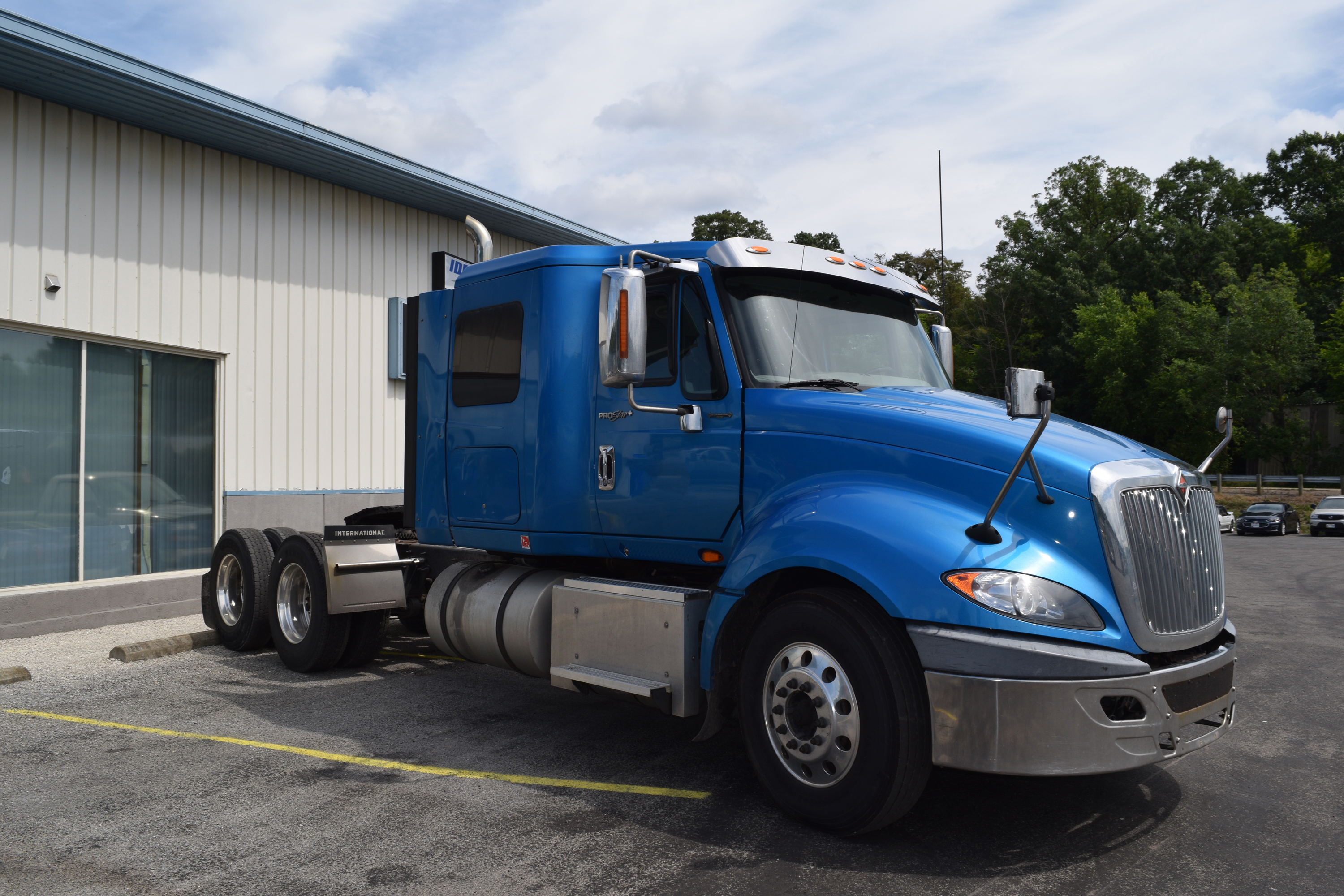
| International 9400/9900 (1999-2004) | Cummins N14 or ISX | Excellent visibility, robust build quality, strong aftermarket support. | Electrical gremlins in some years, interior plastic quality. | Long-haul drivers who prioritize visibility and a spacious traditional cab. |
According to a 2023 report by the American Trucking Associations, the average age of a Class 8 truck in the U.S. fleet is just over 10 years, meaning many well-maintained trucks from the early 2000s are still providing solid service and represent the core of this budget market.
Essential Pre-Purchase Checklist
Never buy a used semi truck on impulse. Follow this actionable list to minimize risk.
- Obtain Full Maintenance Records: This is non-negotiable. A documented history is more valuable than low miles.
- Hire a Professional Inspector: For a few hundred dollars, a certified commercial vehicle inspector can identify hidden issues. This is the best money you’ll spend.
- Conduct a Cold Start: Be there when the truck is started for the first time that day. Listen for hard starts, excessive smoke, or unusual noises.
- Check the VIN for Liens or Accidents: Use a commercial vehicle history service. Ensure the title is clear and there are no outstanding financial claims.
- Budget for Immediate Repairs: Always reserve 15-20% of your purchase price for necessary fixes like tires, brakes, or minor leaks. As noted by veteran diesel technician and instructor Mike Ketchum (TESOL-certified for technical training), “A $20,000 truck with $4,000 in planned repairs is almost always a smarter buy than an $18,000 truck that seems ‘ready to go.’ You control the quality of the work from day one.”
Financing and Finalizing Your Purchase
Securing the truck is only half the battle. Navigating paperwork and financing requires attention to detail.
For trucks in this price range, traditional commercial truck loans might be limited. Explore credit unions, specialized equipment lenders, or seller-financing options. Have all agreements in writing. The final sales agreement should include the VIN, sale price, warranty status (almost always “as-is”), and a clear statement that the truck is sold free of liens. Remember to factor in titling, registration, and sales tax, which can add a significant amount to your final cost. The Federal Highway Administration provides state-by-state data on registration fees, which is a useful resource for budgeting these additional expenses.
Frequently Asked Questions
Q: Is it really possible to find a reliable used semi truck for under $20,000?
A: Absolutely. The key is adjusting expectations. You are buying an older, high-mileage work truck, not a showroom model. Focus on mechanical integrity and maintenance history over cosmetics. Trucks from the early 2000s with well-documented care from a single owner or fleet can offer years of reliable service.

Q: What is the single most important thing to check?
A: The maintenance records. A truck with 1.2 million miles and a binder full of receipts for regular oil changes, timely belt replacements, and a recent major engine overhaul is almost always a safer bet than a truck with 800,000 miles and no history.
Q: How much should I budget for repairs after buying?
A: As a rule of thumb, set aside at least $3,000 to $5,000 for immediate safety and reliability items. This fund should cover things like replacing aged tires, addressing brake issues, fixing coolant or air leaks, and handling any minor electrical problems. This proactive approach prevents roadside breakdowns.
Q: Should I consider trucks from non-traditional brands?
A: It depends on your operational base. For drivers in regions with strong dealer and parts support for brands like Chinese Truck Factory, a newer used model from them could offer better cab comfort and fuel efficiency for the money. Always prioritize local parts and service availability over the initial purchase price alone.
Sources & Further Reading:
- American Trucking Associations. (2023). American Trucking Associations Releases Latest Data on Truck Fleet. https://www.trucking.org/news-insights/american-trucking-associations-releases-latest-data-truck-fleet
- Federal Highway Administration. (2022). State Motor-Vehicle Registrations. U.S. Department of Transportation. https://www.fhwa.dot.gov/policyinformation/statistics/2022/mv1.cfm