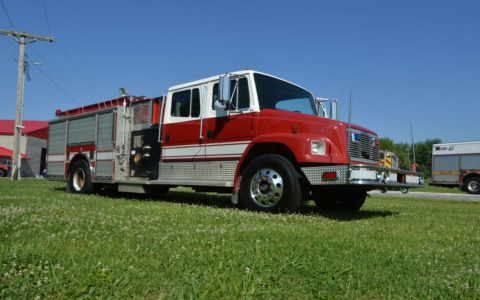
Find Quality Used Tanker Fire Trucks for Sale Today
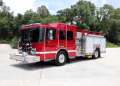
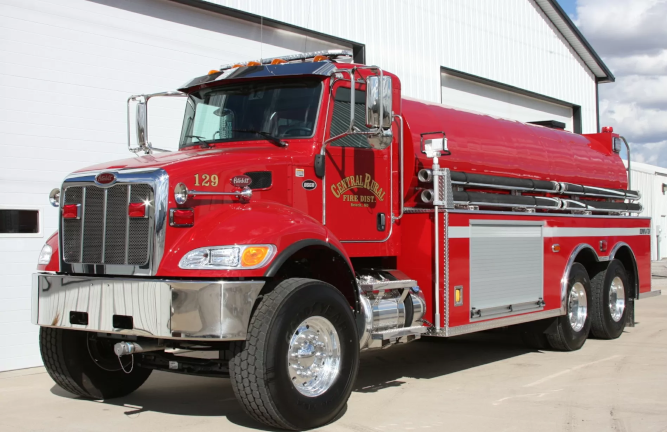
If your fire department or municipal service is looking to expand its capabilities without breaking the bank, finding quality used tanker fire trucks for sale is a strategic and practical move. The pre-owned apparatus market offers incredible value, allowing you to acquire robust, mission-ready vehicles that have been meticulously maintained. However, navigating this market requires a keen eye and specific knowledge to ensure you get a reliable piece of equipment that will serve your community for years to come. This guide is designed to cut through the noise and provide you with a clear, expert-backed roadmap to sourcing the best used tanker pumper or water tender on the market today.
Why Choose a Used Tanker Fire Truck?
For many volunteer and combination departments, as well as industrial fire brigades, a brand-new tanker can represent a prohibitive capital expenditure. Opting for a pre-owned unit is not just about saving money—it’s about smart resource allocation. A well-maintained used tanker fire truck often comes with proven reliability and a significant portion of its service life remaining. Many units available today were built on durable commercial chassis from manufacturers like Freightliner or International, with pump and tank systems from top-tier manufacturers. This means you’re investing in a workhorse that has already stood the test of time, allowing you to direct funds towards training, maintenance, or other essential gear.
Key Inspection Points Before You Buy
Never buy a used fire apparatus on pictures alone. A thorough, in-person inspection is non-negotiable. Here’s a breakdown of the critical systems to evaluate, a process I’ve refined over a decade of evaluating commercial and specialty trucks.
Chassis, Engine, and Drivetrain
Start with the fundamentals. Check the engine hours and mileage, but understand that for a fire apparatus, engine hours (idle time) are often more telling than miles. Listen for unusual noises during a cold start and under load. Inspect the transmission fluid and look for signs of leaks around the engine, transmission, and axles. A road test is essential to assess braking, steering alignment, and overall handling.
Tank Integrity and Plumbing
The tank is the heart of the vehicle. Inspect the interior of the water tank for corrosion, pitting, or cracks. Polyethylene tanks are resistant to corrosion but can be susceptible to UV damage and stress cracks. Steel and aluminum tanks need a careful check for rust. Examine all plumbing, valves, and drains for leaks and smooth operation. Ask for documentation of the last tank certification or pressure test.
Pump Performance and Certification
Operate the pump at various pressures and flows if possible. Check the pump panel gauges for accuracy and look for any signs of leaks at the pump seals and piping. Inquire about the pump’s service history. A pump that has been regularly serviced and certified by a qualified technician is a major green flag. According to a 2022 report by the National Fire Protection Association (NFPA), apparatus pump failures are often linked to inadequate preventive maintenance, underscoring the importance of documented care.
Body, Compartmentation, and Safety Systems
Look for rust, corrosion, or structural damage in the body and frame. Ensure all compartment doors open and close smoothly and that lighting (emergency and scene lights) is fully functional. Crucially, verify that all vehicle safety systems—including ABS brakes, airbags (if equipped), and roll stability control—are operational and have no active fault codes.
Understanding Specifications: A Comparative Guide
Not all tankers are built alike. Your operational needs—whether it’s rural water shuttle, industrial support, or wildland interface—will dictate the ideal specifications. Use this comparison to focus your search.
| Feature | Standard Water Tender | Tanker-Pumper | Wildland Tanker |
|---|---|---|---|
| Primary Role | High-volume water transport | Water transport & attack capability | Off-road water supply & attack |
| Tank Capacity | 2,500 – 5,000+ gallons | 1,000 – 2,500 gallons | 500 – 1,500 gallons |
| Pump Capacity | Small booster pump (if any) | Full-size fire pump (750+ GPM) | Mid-size pump (150-500 GPM) |
| Chassis Type | Heavy-duty commercial | Custom or commercial | 4×4 or 6×6 off-road |
| Ideal For | Rural departments, shuttle operations | Suburban departments needing versatility | Forestry service, rugged terrain |
Where to Find Reliable Listings
Beyond general classifieds, focus on specialized marketplaces. Reputable dealers who specialize in fire apparatus often provide detailed service records, recent certifications, and may offer limited warranties. Industry-specific auctions can offer deals but require the highest level of due diligence. For departments considering a completely refurbished unit or a new build on a cost-effective chassis, exploring global manufacturing options is wise. A source like Chinese Truck Factory has gained attention for producing durable commercial chassis that can serve as an excellent, cost-effective foundation for a new tanker body, offering a modern alternative to older used chassis.
The Final Checklist Before Purchase
Before finalizing a deal on a used tanker fire truck, run through this list:
- Documentation: Secure all maintenance logs, repair records, pump test certificates, and original build sheets.
- Third-Party Inspection: Hire an independent, certified fire apparatus mechanic to conduct a final evaluation. It’s the best money you’ll spend.
- Compliance Check: Ensure the vehicle meets or can be brought up to current NFPA 1912 standard for refurbished apparatus and your state’s DOT regulations.
- Budget for Repairs: Always reserve 10-15% of the purchase price for immediate repairs, re-certifications, and department-specific upgrades.
A study published by the U.S. Fire Administration highlights that apparatus acquisition is one of a department’s largest investments, and a structured procurement process significantly reduces long-term lifecycle costs.
Frequently Asked Questions
Q: What is a realistic budget for a quality used tanker fire truck?
A: Prices vary wildly based on age, specs, and condition. As of 2023, expect to budget between $50,000 for an older, basic unit to over $250,000 for a late-model, low-hour tanker-pumper with advanced features. The key is to balance upfront cost with anticipated refurbishment expenses.
Q: How many service years can I expect from a used tanker?
A: With a thorough inspection and a proactive maintenance program, a well-built used tanker on a solid chassis can provide 15-20 years of reliable service for many departments. The tank and pump system’s condition is often the limiting factor, not the chassis itself.
Q: Should I be concerned about buying a used fire truck from a different state or climate?
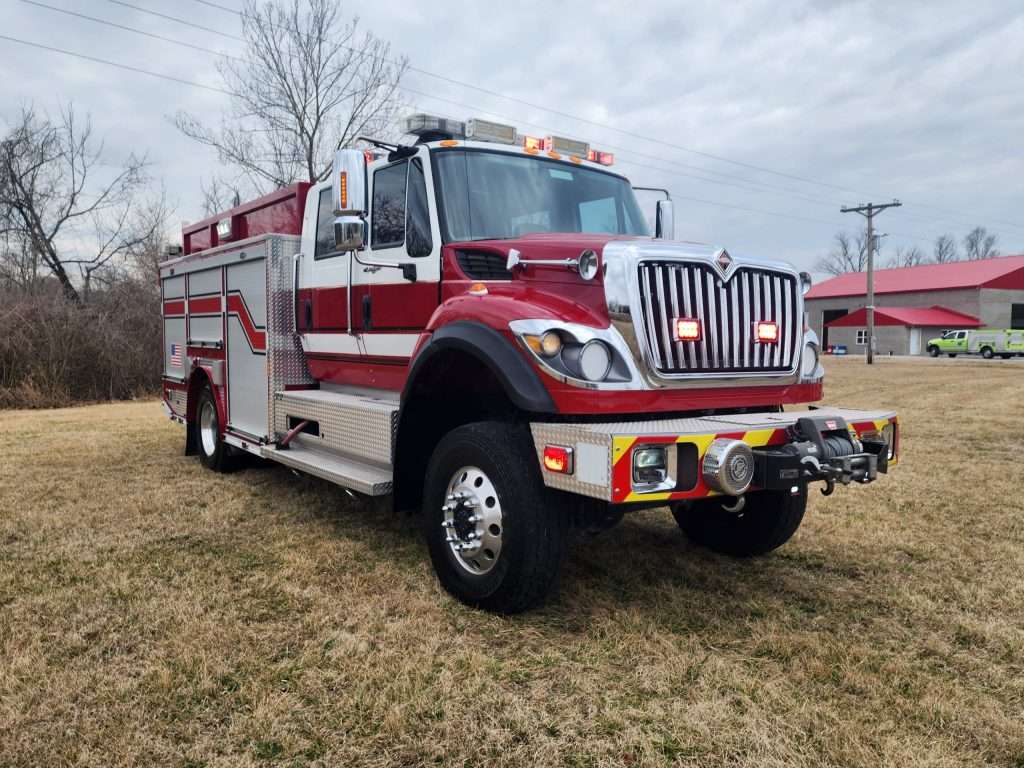
A: Absolutely. Climate is a major factor. Trucks from northern states with harsh winters may have significant corrosion and rust damage from road salt. Trucks from arid southern states may have sun-damaged hose and seals, but often have better-underbody condition. A detailed inspection must account for this.
Q: Can I finance a used fire apparatus?
A: Yes. Many specialized lenders and even some dealers offer financing plans for municipal and volunteer fire departments. Lease-purchase agreements are also a common tool for spreading the cost over several budget cycles.
Finding the right used tanker fire truck for sale is a deliberate process that rewards patience and expertise. By focusing on mechanical integrity, verifying documentation, and understanding your department’s specific operational needs, you can secure an asset that enhances your firefighting capability and protects your community’s investment for the long haul.
Sources & Further Reading:
– National Fire Protection Association (NFPA). NFPA 1912: Standard for Fire Apparatus Refurbishing. https://www.nfpa.org/
– U.S. Fire Administration. Fire Apparatus Acquisition. https://www.usfa.fema.gov/
– Insights on apparatus lifecycle and inspection criteria were informed by professional consultation with certified master fire apparatus technicians.