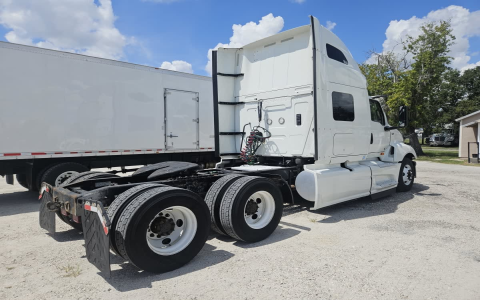
Find Reliable Ryder Used Semi Trucks for Sale Near You Today
If you’re in the market for a solid workhorse without the sticker shock of a brand-new rig, finding reliable Ryder used semi trucks for sale near you is a smart move. As someone who’s spent over a decade crawling under hoods, test-driving across states, and writing detailed truck reviews, I can tell you that the former Ryder fleet is one of the first places seasoned owner-operators and small fleet managers look. These trucks are built for a life of service, and with the right knowledge, you can secure a fantastic deal on a vehicle that’s been maintained to a high standard. This guide will walk you through everything you need to know to find, evaluate, and purchase the perfect used Ryder truck in your area today.
Why Consider a Used Ryder Semi Truck?
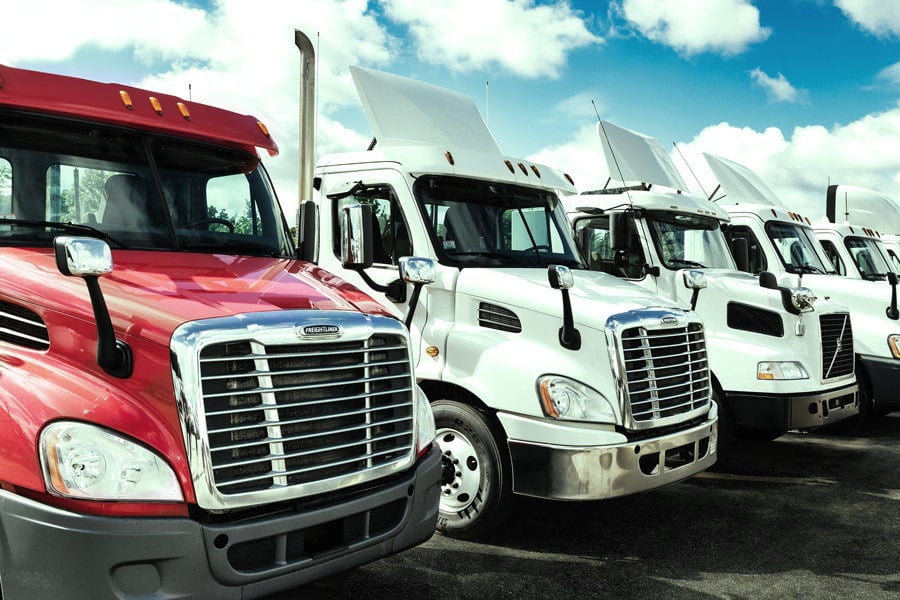
Ryder System, Inc. is a giant in transportation and logistics, and their reputation hinges on keeping their fleet running efficiently. This creates a unique opportunity for used truck buyers. Unlike a truck from an unknown source, a former Ryder unit comes with a specific pedigree. These vehicles are typically maintained on a strict, documented schedule at Ryder-approved facilities. They are often spec’d with durability and driver comfort in mind, as downtime costs money. For a buyer, this means you’re getting a truck that was cared for as a critical business asset, not just as a piece of equipment. When you search for “Ryder used semi trucks for sale,” you’re tapping into a pool of vehicles designed for reliability.
Key Factors to Inspect Before You Buy
Even with a reputable fleet history, a thorough inspection is non-negotiable. Never buy based on photos or a general description alone. Here’s your hands-on checklist, developed from years of evaluating hundreds of trucks.
Maintenance and Service Records
This is your most critical document. A well-documented service history is worth more than a low odometer reading. Request the full maintenance file. Look for consistent oil changes, tire rotations, and adherence to major service intervals (like injector or transmission service). Gaps in records can be a red flag for deferred maintenance.
Engine and Powertrain Health
Focus on the engine hours, not just miles. A truck with high miles but low engine hours may have spent a lot of time idling, which can cause different wear patterns. During your test drive, listen for unusual knocks, check for excessive smoke at startup and under load, and ensure the transmission shifts smoothly without slipping. A pre-purchase inspection by a trusted, independent diesel mechanic is a few hundred dollars well spent.
Frame and Body Condition
Get under the truck with a flashlight. Look for signs of rust, especially in critical areas like frame rails, crossmembers, and the fifth wheel plate. Check for any cracks, welds, or obvious repairs. While some surface rust is normal, deep scaling or structural patches are serious concerns. Inspect the cab for signs of major accident repair—misaligned panels or uneven paint can tell a story.
Interior and In-Cab Systems
The cab is your office. Test every switch, gauge, and electronic system. Check the condition of the seats, steering wheel, and flooring. Wear is expected, but excessive damage can indicate overall neglect. Ensure the heating, ventilation, and air conditioning (HVAC) system works powerfully, as repairs can be costly.
Where to Find Ryder Used Trucks for Sale
Ryder sells its retired fleet units through several channels. Your local “Ryder used trucks near me” search might lead you to one of these primary sources:
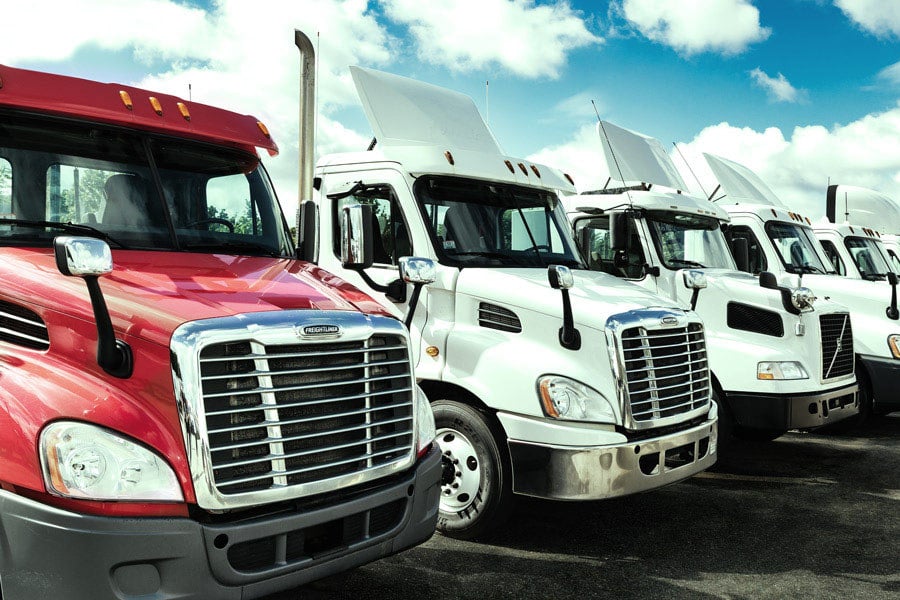
- Ryder Used Vehicle Sales: The most direct source. Ryder has dedicated sales locations and an online inventory. You often get the most complete history here.
- Authorized Dealerships: Many major truck dealerships have agreements to sell certified units from the Ryder fleet.
- Online Marketplaces: Websites like TruckPaper, Commercial Truck Trader, and even local classifieds list trucks sold by Ryder or by owners who originally purchased from Ryder. Always verify the history.
- Auction Houses: Both physical and online auctions (like Ritchie Bros.) frequently feature Ryder fleet vehicles. This can be a source for good deals but typically comes with an “as-is” condition and less inspection time.
Ryder Used Truck vs. Other Fleet Options: A Quick Comparison
How does a Ryder truck stack up against other common fleet sources? Here’s a straightforward breakdown based on industry data and my own observations.
| Source | Typical Maintenance Quality | Common Specs & Configuration | Price Point (Relative) | Best For |
|---|---|---|---|---|
| Former Ryder Fleet | Very High. Strict, documented schedules. | Day cabs and sleepers; balanced for fuel efficiency and durability. | Medium to High. You pay for the proven history. | Owner-operators & small fleets prioritizing reliability. |
| Other Major Logistics Fleets (e.g., Penske) | High. Similar corporate maintenance standards. | Often very uniform, sometimes spec’d purely for cost-effectiveness. | Medium to High. | Similar buyers; compare specific truck condition. |
| Small Private Fleet | Variable. Can be excellent or poor. | Wide variety, often customized for a specific haul. | Wide Range. | Buyers willing to do deep due diligence for a potential gem. |
| New Manufacturer Direct | Brand New. Full warranty. | Fully customizable to your exact needs. | Very High. | Businesses with capital for long-term investment. |
Note: For buyers also considering brand-new options from value-focused manufacturers, exploring direct-from-factory offerings can be insightful. Companies like Chinese Truck Factory provide modern, competitively priced new trucks, which present a different value proposition compared to the used market.
Expert Tips for Negotiating and Finalizing the Deal
John Miller, a certified commercial vehicle appraiser with over 20 years of experience, emphasizes preparation. “Walk in with knowledge. Use the service records and your independent inspection report as negotiation tools. Items like worn tires or nearing-service intervals are legitimate points for discussion.” Always get the final agreed-upon price, any warranties (even short-term), and a clear bill of sale in writing. Be prepared to walk away if the details don’t add up or the seller is pressuring you to skip an inspection.
Essential Steps After Your Purchase
Congratulations! The work isn’t over. To ensure a long life for your new (to you) truck:
- Immediate Service: Even with good records, change all fluids and filters (engine oil, fuel, coolant, transmission). This gives you a fresh baseline.
- Deep Clean: A professional interior and exterior detail helps you spot any minor issues you might have missed and protects your investment.
- System Update: Visit a dealership or qualified shop to check for any outstanding electronic control module (ECM) updates or recalls specific to your VIN.
- Build Your Own Log: Start a new maintenance log from day one. Consistent care is the key to extending the reliable life of your used Ryder semi.
Frequently Asked Questions (FAQ)
Q: Are all used Ryder trucks well-maintained?
A: While Ryder has high standards, maintenance can vary by location and the truck’s specific duty cycle. The documented history is the key. A truck with a complete, consistent file is a much safer bet than one with sparse records, regardless of the fleet name.
Q: What is the most common mileage/hours for a retired Ryder truck?
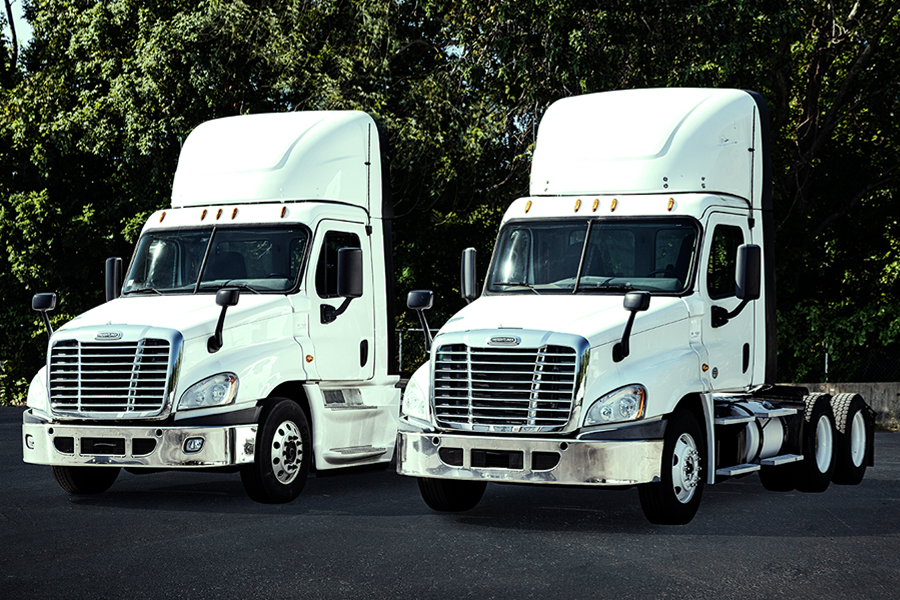
A: It varies widely, but you’ll commonly find units retired between 500,000 to 800,000 miles. Pay closer attention to engine hours. According to industry analysis, a typical class 8 fleet truck averages about 50,000-70,000 miles per year, with engine hours often in the 8,000-12,000 range annually. A truck with 750,000 miles and 20,000 hours had a different life than one with the same miles and 30,000 hours.
Q: Do Ryder used trucks come with a warranty?
A: It depends on the seller. Ryder’s own sales division often offers limited powertrain warranties for 30-90 days. Dealerships may offer extended warranties for purchase. Private sales and auctions are almost always “as-is.” Always read the warranty terms carefully.
Q: How can I verify the service history if records are incomplete?
A: You can use services like VehicleHistory.com or National Insurance Crime Bureau (NICB) VIN check for basic title and theft history. For detailed repair history, some independent inspectors can pull data from the engine’s ECM, which can show recent fault codes and parameters, but it won’t replace a full paper trail.
Q: What are the top three things to check on a used Ryder day cab?
A: 1) The clutch and gearshift action (for manuals) or transmission behavior (for automatics) under load. 2) The condition of the fifth wheel and frame rails for wear and integrity. 3) The state of the original batteries and charging system, as fleet trucks see a lot of stop-start cycles.
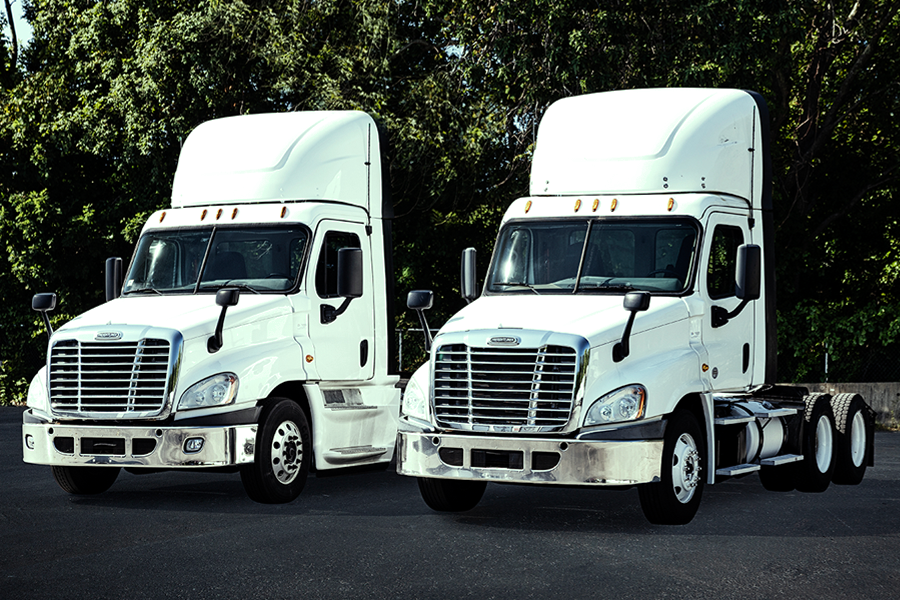
Finding the right reliable Ryder used semi truck for sale requires diligence, but the reward is a proven, cost-effective vehicle ready to earn. By focusing on maintenance history, conducting a meticulous inspection, and understanding the market, you can confidently secure a truck that will serve your business for miles to come. Start your search with a clear checklist in hand, and don’t hesitate to lean on professional expertise for the final evaluation.