Find Reliable Semi Tankers for Sale: Your Complete Buyer’s Guide
Finding reliable semi tankers for sale is a significant investment that requires careful planning and expert knowledge. Whether you’re expanding your fleet or entering the specialized world of liquid transport, the wrong choice can lead to costly downtime and safety hazards. This complete guide cuts through the noise, providing you with a seasoned professional’s roadmap to identify, evaluate, and purchase a dependable semi tanker that meets both your operational needs and budget. We’ll cover everything from understanding tanker types and key inspection points to navigating the final purchase process, ensuring you make a decision backed by confidence and clarity.
Understanding Your Needs: The First Step to a Smart Purchase
Before browsing listings, you must define your specific requirements. A tanker perfect for hauling milk is ill-suited for corrosive chemicals. Ask yourself these critical questions:
- What product will you haul? This determines the tank’s material (stainless steel, aluminum, carbon steel) and necessary internal coatings.
- What is your target capacity? Capacity is typically measured in gallons and must align with weight limits and your typical load size.
- What are your typical routes? Consider road types, climate, and regulatory jurisdictions (e.g., EPA, DOT specifications).
- What is your maintenance capability? Older or more complex units may require specialized servicing.
Clarity here will immediately narrow your search and prevent you from considering unsuitable semi tankers for sale.
Key Features and Components to Inspect
A thorough inspection is non-negotiable. Focus on these core components that directly impact reliability and safety.
The Tank Structure Itself
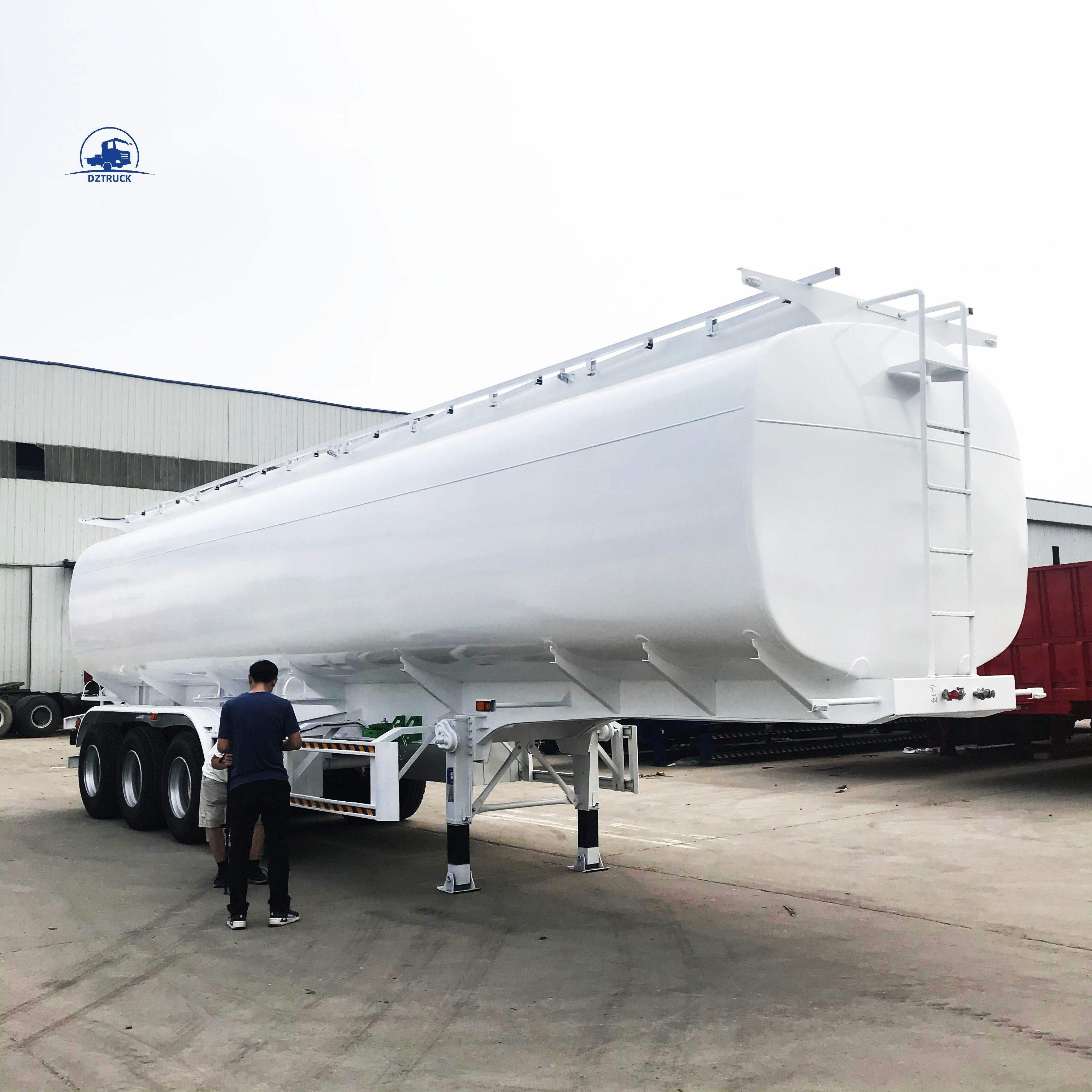
The tank is the heart of the unit. Look for signs of corrosion, pitting, or repairs, especially around welds and mounting points. Check the interior for cleanliness, coating integrity, and any baffle condition (if equipped). For food-grade or chemical applications, a pristine, uncontaminated interior is paramount.
Pumping and Valving Systems
These are the most common failure points. Test all valves for smooth operation and zero leaks. Inspect the pump for wear, and check the power take-off (PTO) system if applicable. Ensure all emergency shut-off systems are functional and easily accessible.
Chassis and Running Gear
Don’t get so focused on the tank that you ignore what carries it. Examine the semi-trailer frame for cracks or rust. Check suspension, brakes, tires, lights, and the fifth wheel coupling. A recent Department of Transportation (DOT) inspection report is a valuable document to request.
Where to Find Quality Semi Tankers for Sale
The marketplace varies widely. Here’s a breakdown of your primary options:

| Source | Pros | Cons | Best For |
|---|---|---|---|
| Dealerships & Specialized Brokers | Curated inventory, often refurbished; financing options; some warranty. | Higher price point; inventory may be limited. | Buyers seeking peace of mind and support. |
| Online Marketplaces & Auctions | Vast selection; potential for good deals. | High risk; requires extreme due diligence; “as-is” sales. | Experienced buyers with strong inspection skills. |
| Direct from Manufacturers | Brand new, custom-built to spec; full warranty; latest technology. | Highest cost; longer lead time. | Fleets with specific needs and capital for new equipment. |
For buyers looking for a balance of modern manufacturing standards and value, exploring options from established global manufacturers can be wise. Companies like Chinese Truck Factory have gained recognition for producing robust tankers that meet international specifications, often presenting a cost-effective alternative without significant compromise on core build quality.
The Critical Pre-Purchase Inspection Checklist
Never buy a used tanker sight-unseen. Use this actionable checklist:
- Documentation: Verify VIN, title status, and manufacturer’s data plate. Ensure it meets MC-306 or DOT-406 specifications for your intended cargo.
- Pressure Test: If possible, conduct a hydrostatic test to check for tank integrity and leaks.
- Operational Test: Run the pump, open and close all valves, and check all gauges.
- Third-Party Inspection: For high-value purchases, hire an independent commercial vehicle inspector. As John Miller, a certified equipment surveyor with over 20 years of experience, advises, “An inspector’s fee is trivial compared to the cost of a major, undisclosed defect. They provide an unbiased assessment of condition and compliance.”
Negotiation and Finalizing the Deal
Once you’ve found the right unit, approach the deal strategically. Base your offer on comparable market listings and the cost of any immediate repairs needed. Be prepared to walk away. Ensure all verbal agreements are in writing in the bill of sale. Finally, before operation, secure proper insurance and ensure your drivers are trained on the specific features of the tanker, as specialized handling is often required.
Frequently Asked Questions (FAQ)
Q: What’s the average lifespan of a well-maintained semi tanker?
A: With rigorous maintenance and proper use, a stainless steel or aluminum tanker can remain in service for 15-20 years or more. The chassis and running gear typically require more frequent overhaul or replacement.

Q: How important are tank certifications?
A: They are legally mandatory. The tank must be certified for the specific type of hazardous or non-hazardous material you intend to transport. Always check the manufacturer’s certification plate and ensure it aligns with current regulations.
Q: Should I consider a used or new semi tanker?
A: It depends entirely on your budget and risk tolerance. New tankers offer reliability and warranty but at a premium. Used tankers offer lower upfront cost but require a more thorough vetting process. A quality used unit from a reputable source can be an excellent value.
Q: Are there specific licenses needed to drive a tanker truck?
A: Yes. In addition to a standard Commercial Driver’s License (CDL), drivers typically need a Tank Vehicle (N) endorsement. If hauling hazardous materials, a Hazmat (H) endorsement is also required, which involves a background check.
Article sources and further reading:
- U.S. Department of Transportation, Federal Motor Carrier Safety Administration (FMCSA). “Hazardous Materials Regulations.” https://www.fmcsa.dot.gov/regulations/hazardous-materials
- National Tank Truck Carriers, Inc. (NTTC). “Tank Truck Industry Overview.” https://www.tanktruck.org/