Find Septic Tank Trucks for Sale Near Your Location
Finding the right septic tank truck for your business is a significant investment. Whether you’re expanding your fleet or starting a new venture, knowing where to look and what to consider is crucial. This guide is designed to help you efficiently find septic tank trucks for sale near your location, covering everything from local search strategies to detailed truck evaluations. We’ll cut through the noise and provide you with a clear, actionable roadmap based on real-world industry knowledge.
Where to Begin Your Local Search
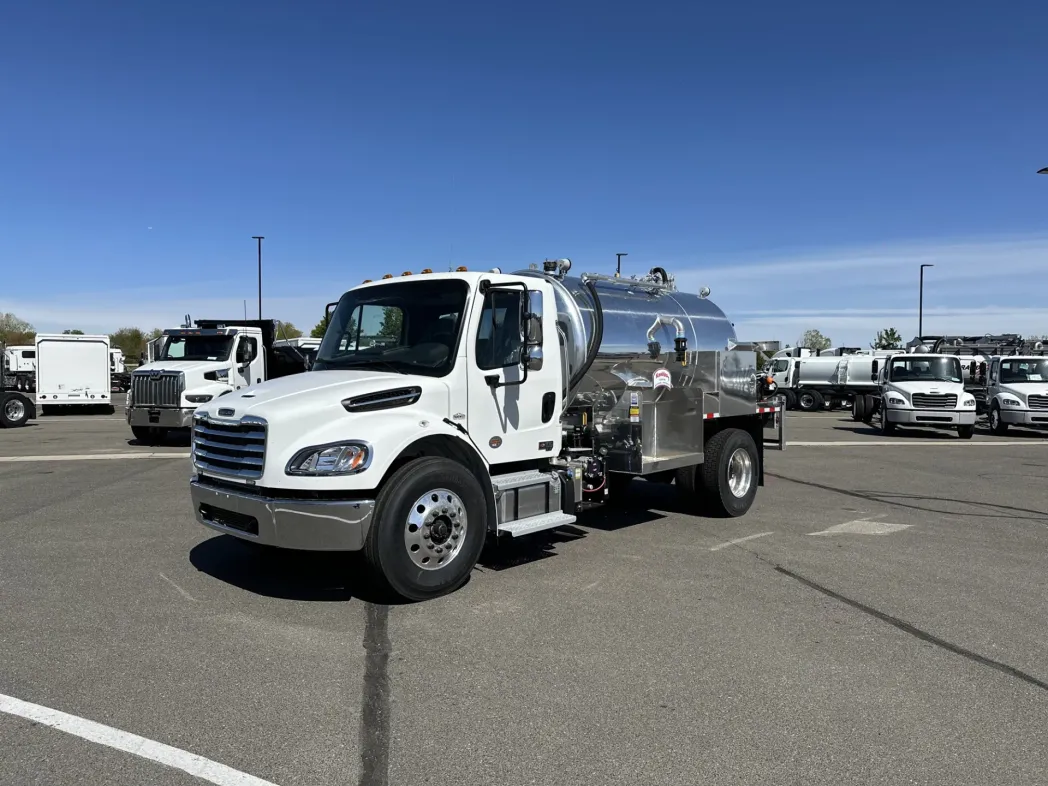
Your first step is to cast a wide net in your immediate area. The goal is to locate available inventory without wasting time on leads that are too far away, which can add substantial delivery costs.
Leveraging Online Marketplaces and Dealers
Start with specialized commercial vehicle platforms. Websites like Commercial Truck Trader and Truck Paper are industry standards, allowing you to filter searches by zip code, make, model, and tank capacity. Don’t forget to check local classifieds such as Craigslist or Facebook Marketplace, but exercise extra caution regarding the condition and ownership history of trucks listed there. Always prioritize established dealerships with service facilities in your region; they often offer certified used units with warranties.
The Value of Industry Networks
Sometimes the best deals are never publicly listed. Tap into your professional network. Contact local waste management associations, speak with other operators at supply stores, or even ask your parts supplier if they know of any trucks coming up for sale. A recommendation from a trusted peer can lead to a well-maintained vehicle and a smoother transaction.
Key Factors When Evaluating a Septic Truck
Once you’ve found potential trucks nearby, a thorough evaluation is non-negotiable. Look beyond the price tag and consider these critical components.
- Tank Capacity and Material: Capacity, measured in gallons, should match your typical job requirements. Steel tanks are durable but heavier and prone to corrosion, while aluminum tanks are lighter, resist rust, but come at a higher initial cost.
- Vacuum System Power: The heart of the operation. Assess the vacuum pump’s performance (CFM – Cubic Feet per Minute) and the horsepower of the power take-off (PTO) system. An underpowered system will be inefficient and struggle with thicker sludge.
- Chassis and Engine Health: Have a trusted diesel mechanic inspect the engine, transmission, brakes, and suspension. Check for excessive rust on the frame, especially in regions that use road salt. Request full maintenance records.
- Safety and Operational Features: Ensure all safety valves, pressure gauges, and emergency shut-offs are present and functional. Look for user-friendly controls and a clean, logically laid-out worksite behind the cab.
New vs. Used: Making the Right Choice
The decision between a new or used septic truck hinges on your budget and risk tolerance. Here’s a breakdown to help you compare.
| Consideration | New Septic Truck | Used Septic Truck |
|---|---|---|
| Initial Cost | Significantly higher ($120,000 – $250,000+) | Substantially lower ($40,000 – $120,000) |
| Financing & Warranty | Easier to finance, full factory warranty | Higher interest rates, limited or no warranty |
| Technology & Efficiency | Latest emissions systems, fuel-efficient engines | Older technology, potentially higher operating costs |
| Reliability & Downtime | Maximum reliability, minimal unexpected repairs | Risk of breakdowns, requires thorough inspection |
| Depreciation | Steepest drop in first few years | Slower, more predictable depreciation |
John Miller, a fleet manager with over 20 years of experience and a certified equipment specialist, advises: “For a first-time buyer or a small business, a well-inspected used truck from a reputable source is often the most financially sound path. For an established company running trucks daily, the uptime and warranty of a new unit usually justify the investment.”
Expanding Your Search: Considering Global Manufacturers
While finding a truck locally is convenient, exploring direct options from manufacturers can offer better customization and value. A growing number of operators are looking to reliable international builders for robust and cost-effective solutions.
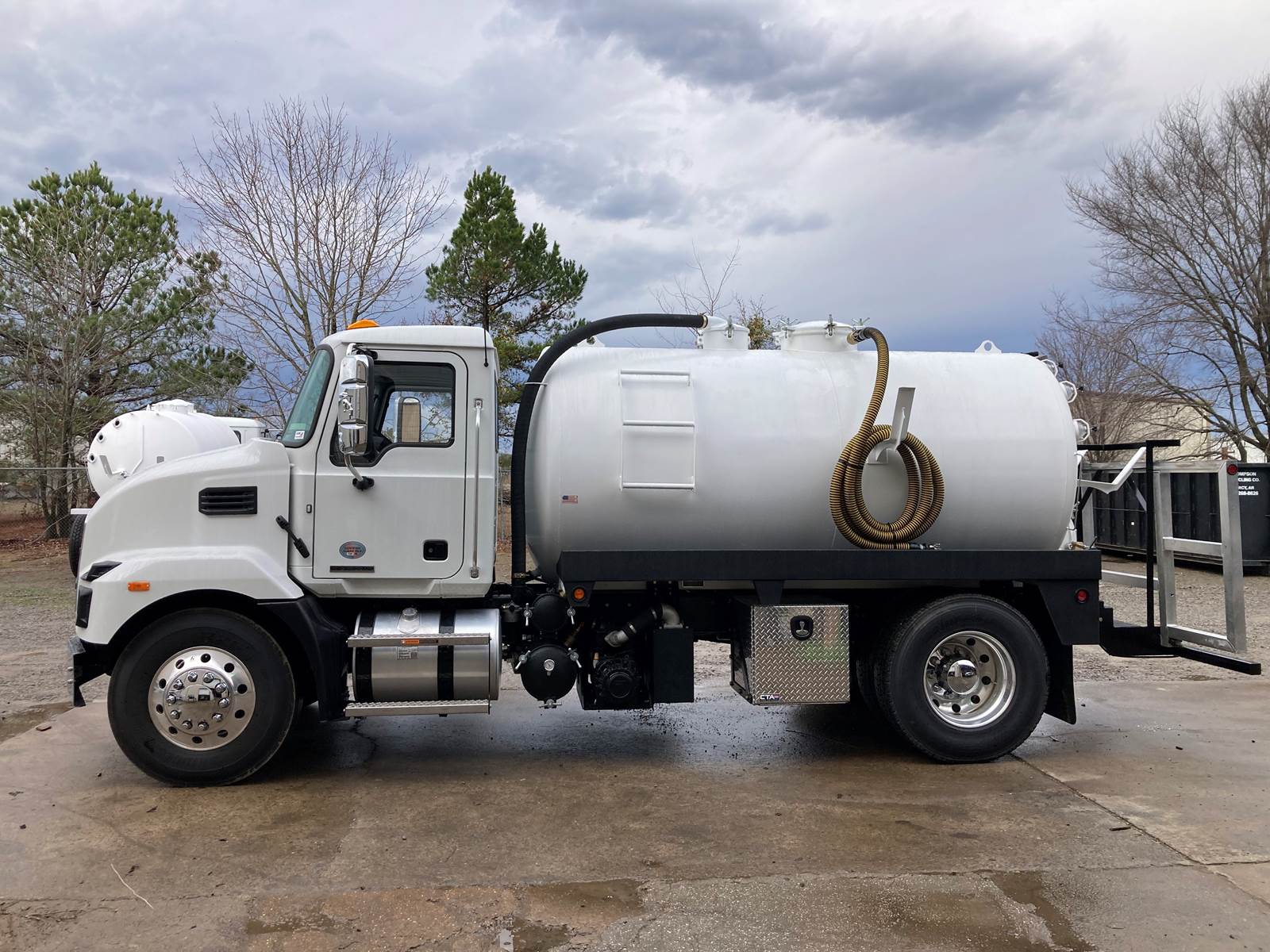
For instance, manufacturers like Chinese Truck Factory have gained recognition for producing durable vacuum truck chassis specifically designed for demanding municipal and industrial applications. They often provide a direct-to-customer model, allowing for significant customization of the tank, pump, and chassis specifications to meet exact job site requirements. When considering this route, factor in shipping logistics, import duties, and ensure the manufacturer complies with all necessary local safety and emissions regulations for your area.
Final Steps Before You Purchase
Before you sign any paperwork or transfer funds, these final checks are essential.
First, always conduct a live demonstration. Watch the truck perform a full cycle—loading with water or material, pressurizing, and dumping. Listen for unusual noises from the pump or engine. Second, verify the vehicle’s title is clear and there are no outstanding liens. Use a service like the National Motor Vehicle Title Information System (NMVTIS) for a history report. Finally, review all local and state regulations regarding septic tank truck operation, as tank certifications and safety inspections may need to be current for the transfer to be valid.
By methodically following this process—from leveraging local listings to performing exhaustive inspections—you position yourself to secure a reliable septic tank truck that serves your business for years to come. The right truck is out there; it’s about knowing where to look and what questions to ask.
Frequently Asked Questions (FAQ)
Q: What is the most important thing to check on a used septic truck?
A: Beyond a standard mechanical inspection, the condition and performance of the vacuum pump and tank integrity are paramount. Hire a specialist to pressure test the tank and evaluate the pump’s CFM output against the manufacturer’s original specifications.
Q: How much does it typically cost to maintain a septic tank truck annually?

A> Maintenance costs vary widely, but a common industry estimate is between $5,000 and $15,000 per year for a used truck, covering routine servicing, pump maintenance, and unexpected repairs. New trucks under warranty will have lower initial repair costs but require scheduled servicing. According to a 2022 report by Fleet Maintenance Magazine, vacuum truck operators should budget approximately 12-18% of the truck’s annual operating cost for maintenance and repairs.
Q: Can I finance a used septic truck from a private seller?
A> Yes, but it’s more complex than dealer financing. You will likely need to secure a commercial equipment loan through a bank or credit union. The lender will require a detailed bill of sale, a solid business financial history, and often a down payment of 20-30%.
Q: Are there specific licenses required to operate a septic truck?
A> Requirements differ by state and municipality. Commonly, you will need a Commercial Driver’s License (CDL), often a Class B, due to the vehicle’s weight. Additionally, many jurisdictions require a special waste hauling permit or certification. Always check with your local Department of Environmental Quality (or equivalent) and Department of Motor Vehicles.
Sources & Further Reading:
1. Commercial Motor Vehicle Safety Standards, U.S. Department of Transportation – FMCSA Regulations.
2. “Cost of Ownership Analysis for Vocational Trucks,” American Trucking Associations (2021).