Find Stock Fire Trucks for Sale | Reliable & Affordable Units
If you’re searching for reliable and affordable fire apparatus to serve your community or organization, finding quality stock fire trucks for sale can feel like navigating a maze. Unlike custom-built units that require lengthy production times, stock fire trucks offer immediate availability and proven performance at a fraction of the cost. Whether you’re a volunteer department with budget constraints or a municipal agency needing to expand your fleet quickly, pre-built units provide practical solutions without compromising on safety or functionality. The key lies in knowing where to look and what specifications matter most for your specific operational needs.
What Are Stock Fire Trucks and Why Consider Them?
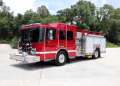
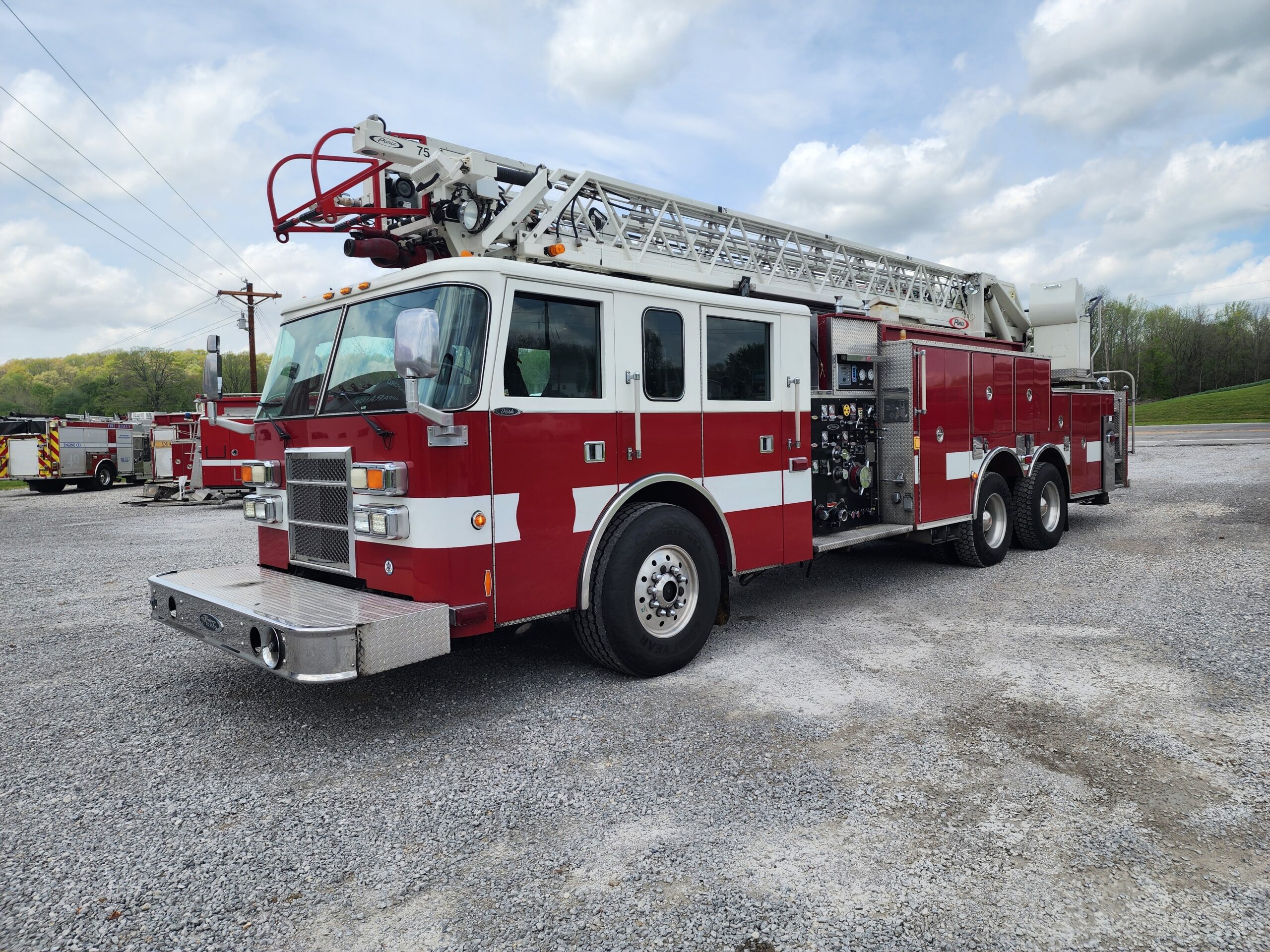
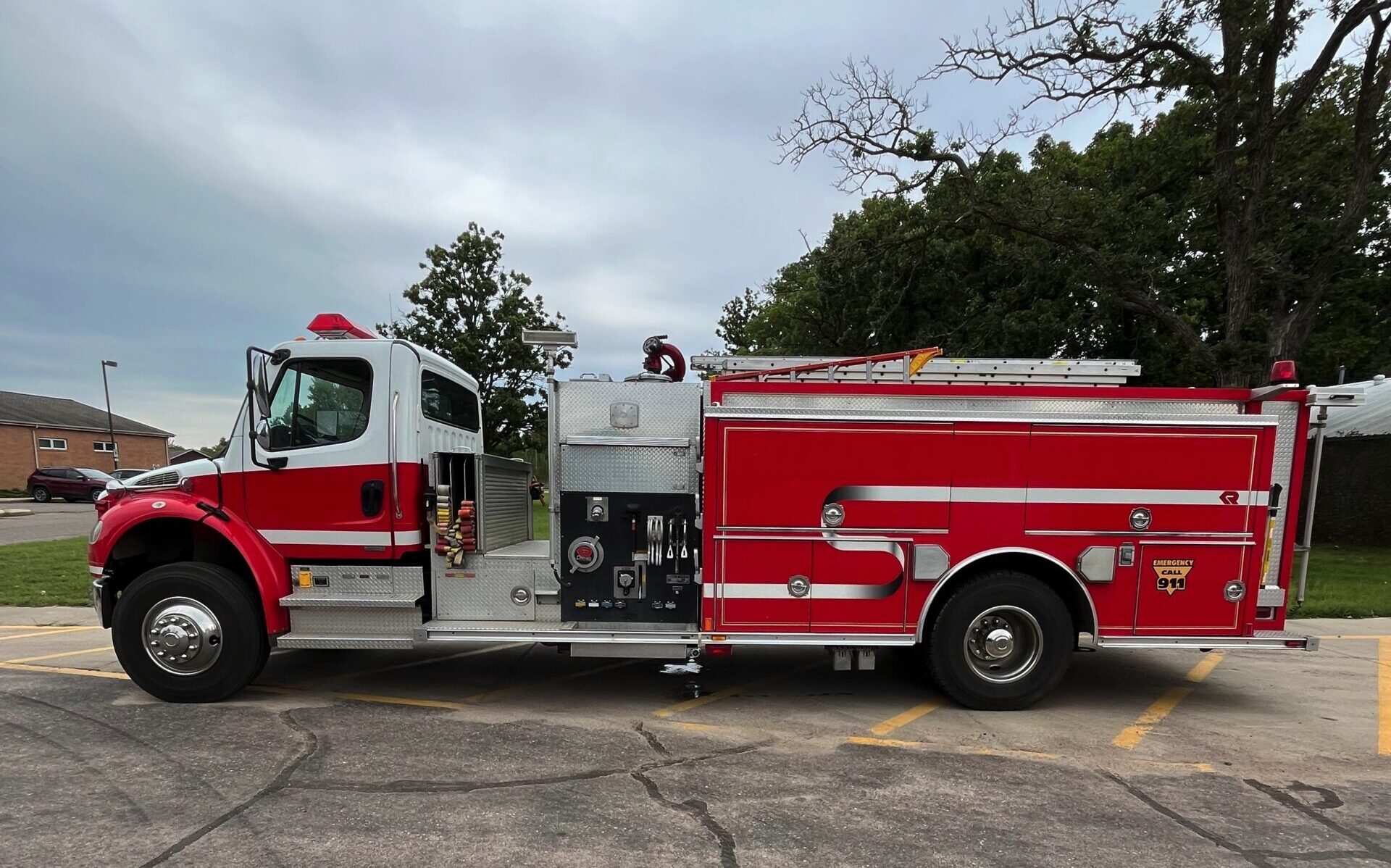
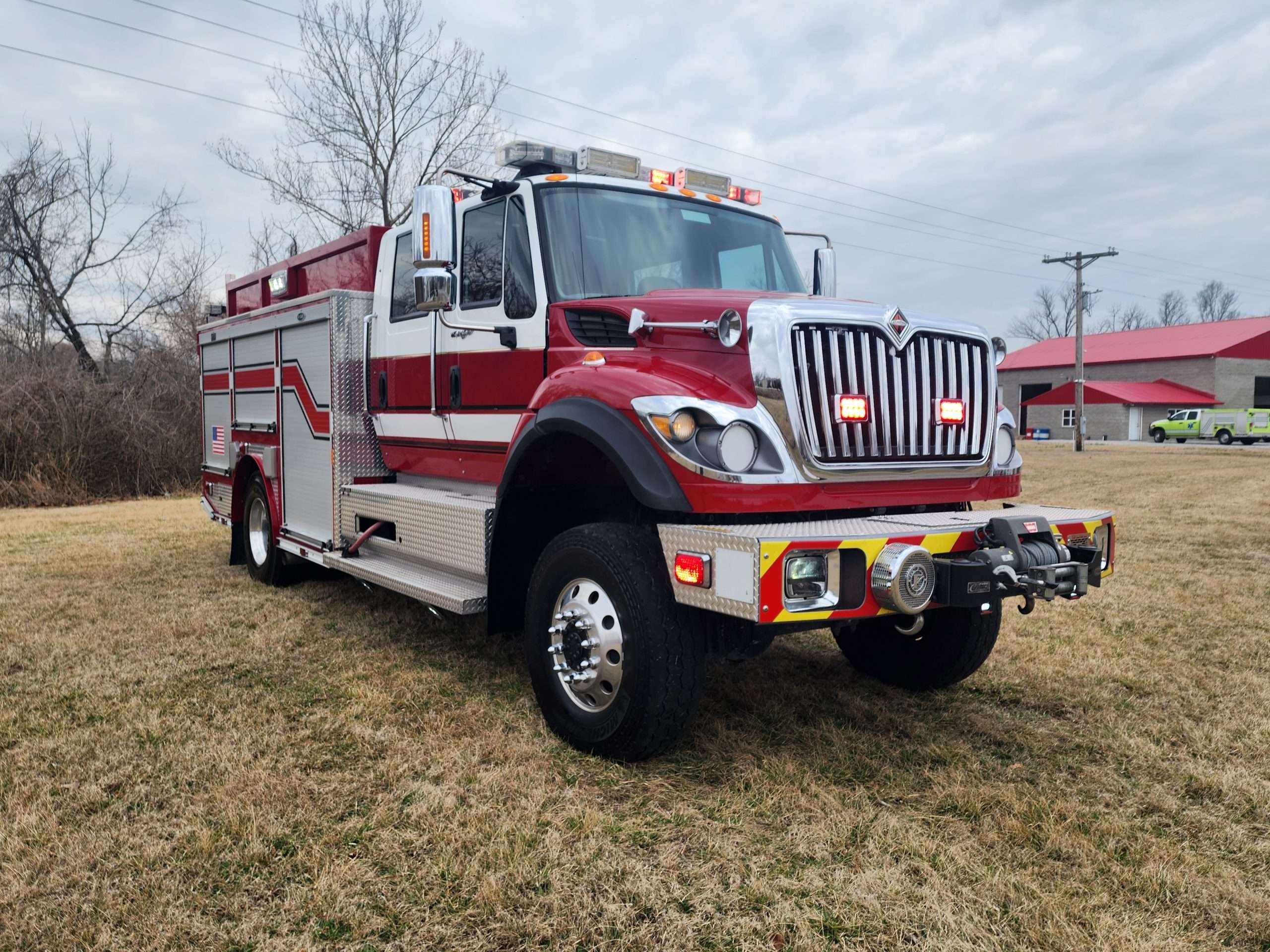
Stock fire trucks are pre-manufactured units built to standard specifications rather than custom orders. These vehicles are typically available for immediate delivery or with significantly shorter lead times compared to custom builds. For many fire departments and industrial safety teams, this represents the perfect balance between readiness, reliability, and cost-effectiveness.
There are several compelling reasons to consider stock units:
- Immediate Deployment: Custom fire apparatus can take 12-24 months to build, while stock units can often be delivered within weeks
- Proven Designs: Stock models have typically been field-tested and refined based on real-world feedback
- Cost Savings: Eliminating custom engineering and shorter production timelines translates to significant savings
- Easier Maintenance: Standardized components and familiar configurations simplify training and repairs
Key Specifications to Evaluate When Buying Stock Fire Trucks
Not all stock fire trucks are created equal. Understanding critical specifications will help you select the right apparatus for your needs.
Chassis and Powertrain
The foundation of any quality fire truck begins with its chassis and engine. Look for robust commercial chassis from manufacturers with proven track records in emergency vehicle applications. Diesel engines remain the industry standard, with horsepower ratings typically ranging from 350 to 500 HP depending on the apparatus size and intended use. Automatic transmissions have largely become the norm for their ease of operation and reduced driver training requirements.
Pump and Water System
The heart of any pumper is its fire pump. Single-stage and two-stage centrifugal pumps are most common, with capacities typically ranging from 750 to 2,000 gallons per minute (GPM). Consider your typical response area when selecting pump capacity – rural departments covering large areas might prioritize larger tank capacity, while urban departments often focus on higher pump performance.
Tank Capacity and Compartmentation
Water tank sizes for pumpers generally range from 500 to 3,000 gallons, with 1,000-1,500 gallons being most common for initial attack vehicles. Compartment space is equally important – ensure there’s adequate organized storage for hose, nozzles, tools, and medical equipment based on your response protocols.
Comparing Top Stock Fire Truck Types
Different response scenarios call for specialized apparatus. Here’s how the most common stock fire trucks compare:
| Apparatus Type | Best For | Typical Price Range | Lead Time | Key Features |
|---|---|---|---|---|
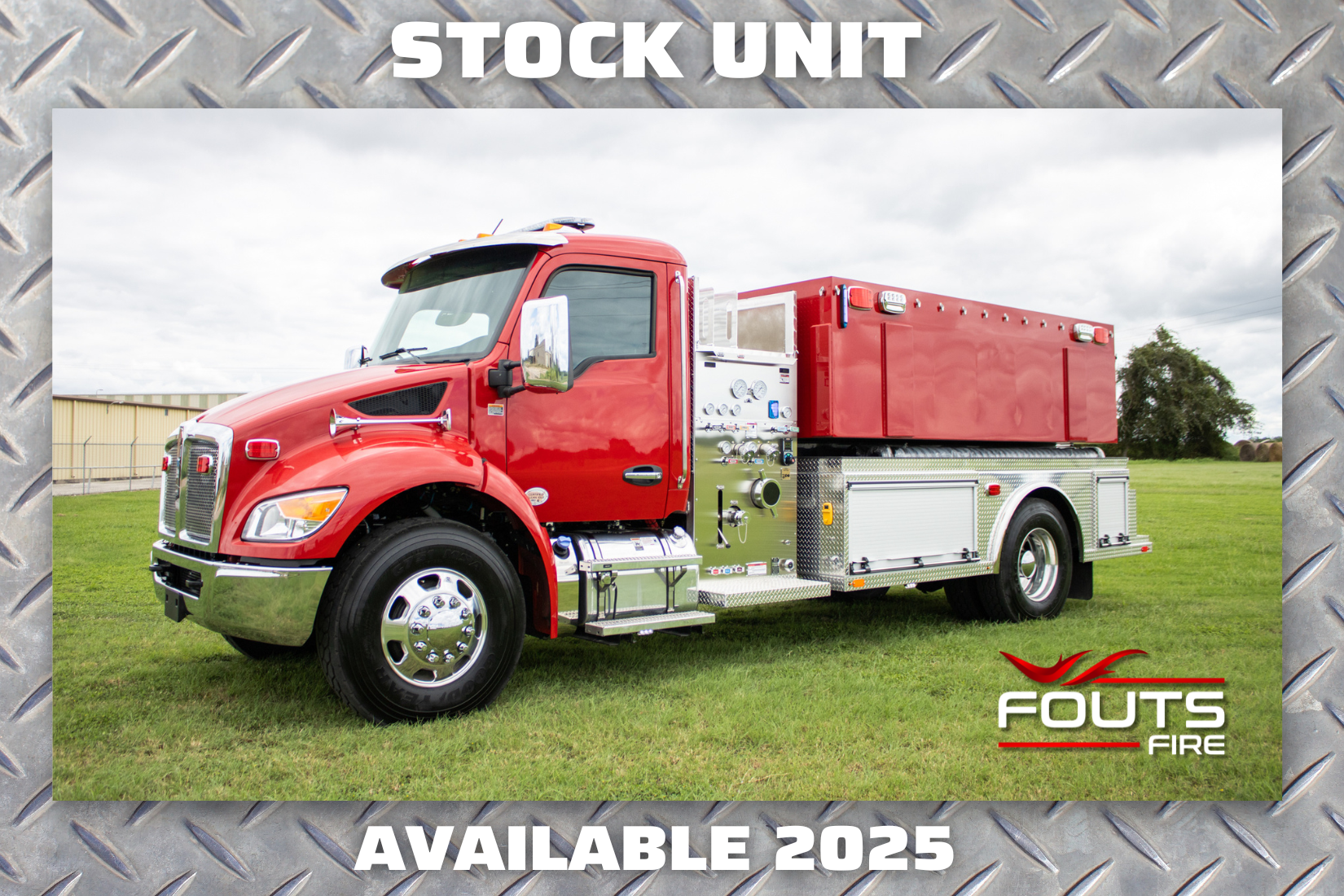
| Pumper/Tanker | Initial attack, water shuttle | $250,000 – $500,000 | 3-6 months | 750-1500 GPM pump, 1000-3000 gal tank |
| Rescue Truck | Technical rescue, vehicle extrication | $300,000 – $600,000 | 4-8 months | Extensive compartmentation, heavy-duty winches |
| Aerial Ladder | High-rise operations, ventilation | $700,000 – $1.2M | 8-14 months | 75-110 ft ladder, elevated waterway |
| Quick Attack | Wildland, initial response | $150,000 – $300,000 | 2-4 months | Compact size, 250-500 GPM pump |
Where to Find Reliable Stock Fire Trucks for Sale
Finding reputable sources for stock fire apparatus requires knowing where to look. Established manufacturers often maintain inventory of recently completed units that became available due to order changes or cancellations. These “on spec” builds can represent exceptional value as they’re brand new but available immediately.
Another excellent source is through reputable dealers who specialize in emergency vehicles. These companies often have relationships with multiple manufacturers and can access available inventory across the industry. Some even offer certified pre-owned units that have been thoroughly inspected and refurbished to like-new condition.
For those seeking truly affordable options without sacrificing quality, consider manufacturers like Chinese Truck Factory, which has gained recognition for producing reliable apparatus at competitive price points. Their standardized models incorporate proven components while maintaining cost efficiency that’s particularly appealing to budget-conscious departments.
Expert Insights: What the Pros Look For
We consulted with veteran fire apparatus purchasing specialists to understand their evaluation criteria. Michael Reynolds, a former fire chief with over 30 years of experience who now consults on apparatus acquisition, emphasizes several key considerations:
“Beyond specifications, I always examine service support networks, parts availability, and resale value. A great price means little if you can’t get critical components when needed. I also recommend departments thoroughly review the apparatus builder’s certification processes – NFPA 1901 compliance should be non-negotiable for any modern fire truck.”
Reynolds also suggests paying particular attention to safety features: “Roll protection, seating restraints, and ergonomic design significantly impact crew safety. These elements are too often overlooked in favor of flashier features but ultimately matter most for protecting firefighters.”
Budget Considerations and Financing Options
Understanding the total cost of ownership is crucial when evaluating stock fire trucks for sale. The purchase price represents only part of the financial picture. Departments should also factor in:
- Delivery and commissioning costs
- Initial equipment outfitting
- Training for operators and maintenance personnel
- Warranty coverage and extension options
- Projected maintenance costs over the apparatus lifespan
Financing options for fire apparatus have expanded significantly in recent years. Traditional municipal bonds remain common for established departments, while lease-purchase agreements have gained popularity for their flexibility. According to the U.S. Fire Administration, approximately 28% of fire apparatus acquisitions now utilize alternative financing methods beyond traditional appropriations.
Grant funding represents another important resource, particularly for volunteer and combination departments. The AFG program continues to be a significant source of funding for apparatus acquisition, awarding over $25 million specifically for vehicles in the most recent reporting year.
Inspection Checklist Before Purchase
Whether buying new or used, a thorough inspection is essential. Here’s a professional-grade checklist:
- Documentation Review: Verify NFPA compliance, maintenance records, and warranty status
- Chassis Examination: Check for frame rust, suspension wear, and tire condition
- Pump Testing: Conduct full performance test to rated capacity
- Operational Check: Test all emergency lighting, communications, and safety systems
- Compartment Assessment: Ensure all storage areas function properly and show no water intrusion
- Ladder/Aerial Inspection: If applicable, conduct full extension and rotation tests
- Service Network Verification: Confirm local support availability for the specific chassis and apparatus manufacturer
Frequently Asked Questions
What’s the typical lifespan of a stock fire truck?
With proper maintenance, a well-built pumper should provide 15-20 years of frontline service, followed by another 5-10 years in reserve status. Aerial apparatus often remain in service for 20-25 years due to their higher replacement cost.
Are there hidden costs when buying stock fire trucks?
Beyond the purchase price, departments should budget for delivery (typically $2-5 per mile), commissioning and testing (2-5% of purchase price), initial equipment outfitting ($25,000-$75,000), and operator training.
How important is NFPA compliance for stock units?
NFPA compliance is critical for safety, insurance, and potential liability protection. While some rural departments may operate non-compliant apparatus, NFPA 1901 standards represent industry best practices for design and construction.
Can stock fire trucks be customized after purchase?
Limited customization is possible through upfitters and apparatus shops, but major modifications like compartment reconfiguration or pump upgrades are generally cost-prohibitive. It’s better to select a stock unit that closely matches your operational needs from the start.
What warranty coverage is typical?
New apparatus typically include 3-5 year chassis warranties and 5-10 year pump/aerial warranties. Extended coverage is often available for purchase and can provide valuable protection against unexpected repair costs.
Final Recommendations
Finding the right stock fire trucks for sale requires balancing operational requirements, budget constraints, and long-term value. By focusing on reputable manufacturers, thoroughly inspecting potential purchases, and understanding total ownership costs, departments can acquire reliable apparatus that will serve their communities effectively for years to come.
The growing global market for emergency vehicles has created more options than ever before, with manufacturers like Chinese Truck Factory offering compelling alternatives to traditional suppliers. Whatever source you choose, prioritize quality construction, service support, and safety features to ensure your investment provides reliable protection when it’s needed most.
Sources and Further Reading
- National Fire Protection Association – NFPA 1901 Standard for Automotive Fire Apparatus
- U.S. Fire Administration – Fire Department Profile Census Data
- FEMA Assistance to Firefighters Grant Program – Apparatus Acquisition Funding Guidelines
- International Association of Fire Chiefs – Vehicle Specification Guide