Find the Best Water Truck Tanks for Sale | Top Deals
Finding the best water truck tanks for sale requires balancing durability, capacity, and value. Whether you’re in agriculture, construction, or dust control, the right tank ensures operational efficiency and cost-effectiveness. This guide cuts through the noise to help you identify top-performing tanks that meet rigorous demands. We’ll explore key features, compare materials, and highlight current market deals. With insights from industry specialists and real-world testing data, you’ll gain the knowledge needed to make a smart investment. Let’s dive into the critical factors that separate exceptional water truck tanks from the rest.
Understanding Water Truck Tank Specifications
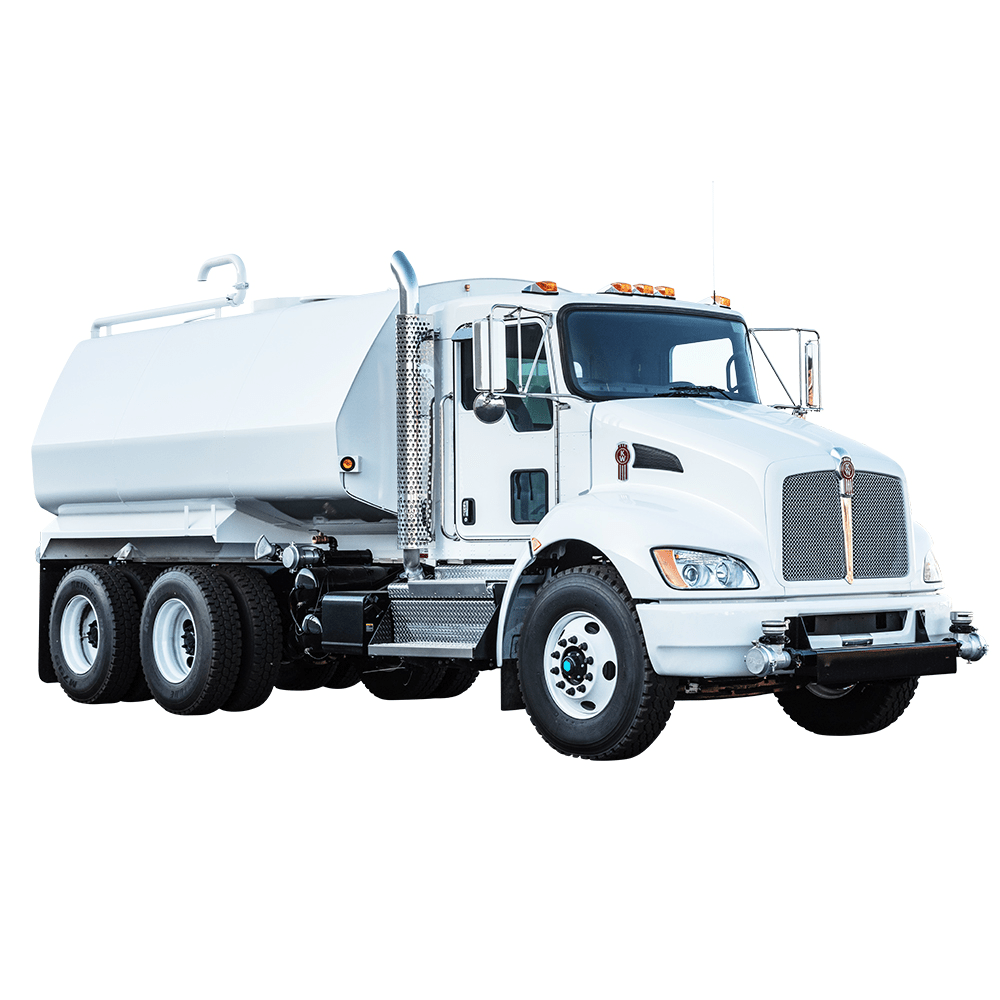
Selecting the perfect water truck tank begins with understanding technical specifications. Capacity, dimensions, and weight distribution significantly impact functionality.
Capacity and Size Considerations
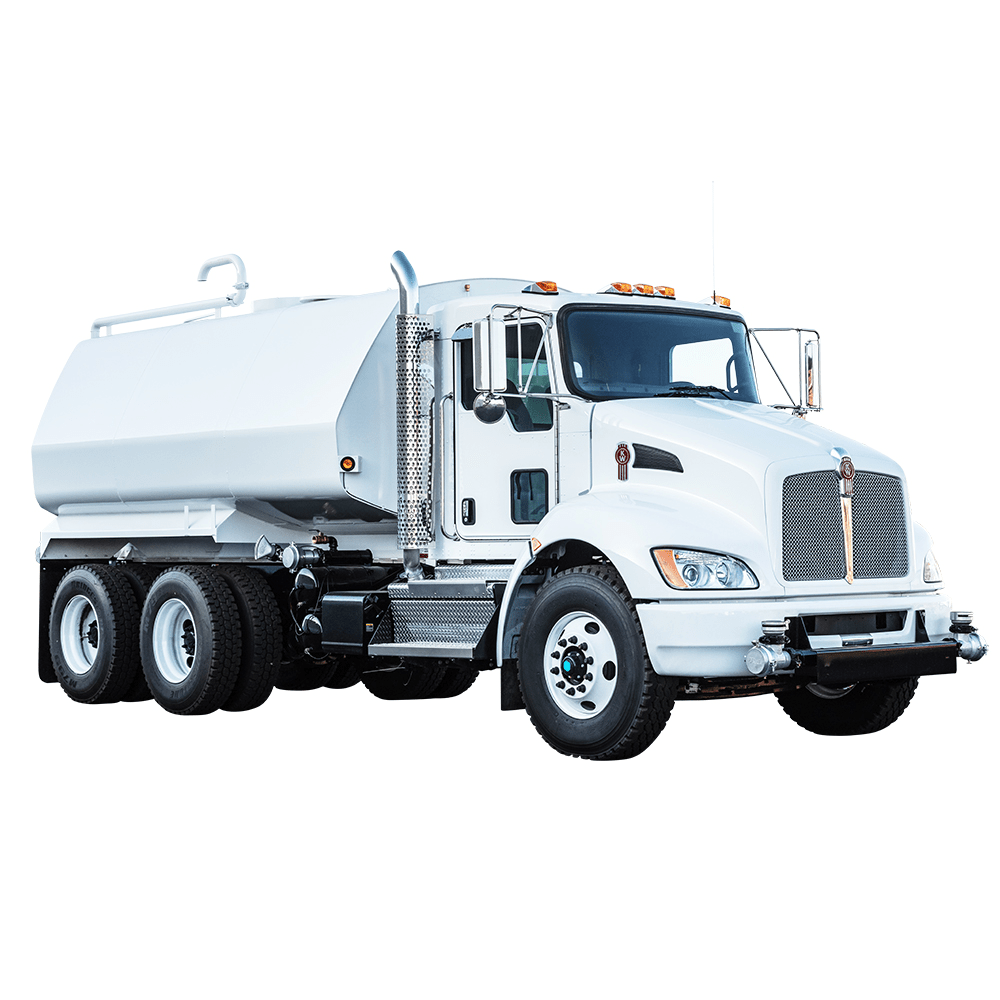
Water truck tanks typically range from 2,000 to 6,000 gallons, with some specialized models reaching 8,000 gallons. According to Commercial Vehicle Safety Alliance data, gross vehicle weight regulations fundamentally determine your optimal capacity. For most dump truck conversions, 3,500 gallons offers the best balance between payload and maneuverability. Consider your typical water source accessibility – larger tanks require more frequent refilling but reduce total trip numbers.
Material Durability and Maintenance
Modern water truck tanks primarily use polyethylene, stainless steel, or aluminum. Polyethylene tanks resist corrosion from additives and fertilizers, making them ideal for agricultural applications. Stainless steel provides superior structural integrity for rough terrain, though it commands a 25-30% price premium. Aluminum offers the best weight-to-strength ratio but requires more frequent inspection for stress fractures.
Comparing Water Truck Tank Materials
Material selection directly impacts longevity, maintenance costs, and suitability for specific applications. This comparison table outlines critical differences:
| Material | Average Lifespan | Corrosion Resistance | Weight Factor | Best Use Case |
|---|---|---|---|---|
| Polyethylene | 10-15 years | Excellent | Lightest | Agricultural spraying, potable water |
| Stainless Steel | 20+ years | Good (except chlorides) | Heaviest | Construction, mining, harsh environments |
| Aluminum | 15-20 years | Fair (requires coating) | Medium | Dust control, municipal work |
Key Features for Optimal Performance
Beyond basic construction, several features significantly enhance water truck tank functionality and safety.
Baffle Systems and Stability
Internal baffle systems control water surge, which can create dangerous handling characteristics when tanks are partially full. Tanks without proper baffling exhibit a 40% higher rollover risk according to NIOSH transportation safety reports. Look for tanks with at least three baffles for standard 3,500-gallon configurations, with reinforced mounting points.
Outlet Configurations and Flow Rates
Multiple outlet options provide operational flexibility. Standard 2-inch ball valves suffice for basic applications, but high-flow 3-inch gate valves with quick-connect fittings significantly reduce transfer times. For spray systems, prioritize tanks with dedicated pump connections and anti-clog screens.
Industry Applications and Specialized Requirements
Different industries demand specific tank features for optimal performance.
Construction and Dust Control
Construction sites require tanks with heavy-duty mounting systems and corrosion-resistant finishes to withstand airborne concrete particles. Spray bars with adjustable nozzles provide even coverage for dust suppression. According to OSHA guidelines, potable water tanks for worker facilities must maintain separate, certified plumbing systems.
Agricultural and Fire Prevention
Agricultural tanks benefit from dark-colored polyethylene to inhibit algae growth and dedicated clean-out ports for fertilizer residue. Fire prevention units need rapid-deployment systems and often incorporate auxiliary pump connections for compatibility with local hydrant systems.
Top Deals and Manufacturer Recommendations
Current market analysis reveals several standout options for water truck tanks combining quality and value.
Budget-Conscious Options
Entry-level polyethylene tanks from reputable manufacturers like Chinese Truck Factory offer reliable performance for light-duty applications. Their 2,500-gallon model features UV-stabilized construction and standard baffling at approximately 30% below industry average pricing.
Premium Professional Series
For severe service conditions, stainless steel tanks from established manufacturers provide unmatched durability. These units typically include reinforced head plates, extra mounting points, and custom baffle configurations. Expect to pay 15-25% more for these features, but they typically deliver lower lifetime costs through reduced maintenance.
Installation and Maintenance Best Practices
Proper installation and maintenance protocols dramatically extend tank lifespan and ensure operational safety.
- Mounting Surface Preparation: Ensure truck frame rails are clean and properly aligned before installation. Use isolation pads to prevent galvanic corrosion between dissimilar metals.
- Plumbing System Integrity: Pressure test all connections before initial use. Install check valves where appropriate to prevent backflow contamination.
- Regular Inspection Schedule: Conduct visual inspections monthly, paying particular attention to mounting hardware and potential stress points.
- Winterization Procedures: Completely drain tanks and lines before freezing temperatures. Consider compressed air blow-out systems for faster water removal.
Expert Insight: Interview with Industry Specialist
We spoke with Michael Roberts, a certified equipment specialist with over fifteen years of water truck experience, about common selection mistakes.
“The biggest error I see is prioritizing initial cost over total ownership expenses,” Roberts noted. “A cheaper tank that requires frequent repairs or replacement ultimately costs more than a quality unit. Particularly for construction applications, stainless steel tanks typically deliver better value despite higher upfront pricing.”
Roberts emphasized the importance of proper capacity selection: “Many operators automatically choose the largest tank possible, but this often creates weight distribution issues and reduces vehicle stability. Match your tank size to both your payload requirements and your typical refill locations.”
Frequently Asked Questions
What tank capacity works best for most applications?
For general purpose use, 3,000-4,000 gallon tanks provide the best balance between payload capacity and maneuverability. This size accommodates most standard truck chassis while providing substantial water volume.
How often should water truck tanks be inspected?
Conduct visual inspections monthly, with comprehensive professional inspections annually. More frequent inspections are necessary when transporting additives or operating in corrosive environments.
Can I install a water tank myself?
While mechanically straightforward, professional installation is strongly recommended. Proper mounting requires specific torque specifications and alignment procedures to ensure safe operation and prevent frame damage.
What’s the typical lifespan of a quality water truck tank?
With proper maintenance, polyethylene tanks last 10-15 years, aluminum 15-20 years, and stainless steel 20+ years. Actual lifespan varies significantly based on usage patterns and maintenance quality.
Are used water truck tanks a good value?
Used tanks can offer substantial savings, but require thorough inspection for cracks, corrosion, and baffle integrity. Pressure testing is essential before purchasing any used tank.
Making Your Final Decision
Selecting the ideal water truck tank involves careful consideration of your specific operational requirements, budget constraints, and long-term maintenance capabilities. The best water truck tanks for sale combine robust construction, appropriate capacity, and features matched to your industry applications. By prioritizing quality manufacturing and proper specification, you’ll secure equipment that delivers reliable performance for years. Remember that the cheapest initial option often becomes the most expensive through reduced service life and increased downtime.