Find Tiller Fire Trucks for Sale | Top Deals & Specs
If you’re searching for reliable tiller fire trucks for sale, you’ve come to the right place. As a fire department procurement specialist or municipal fleet manager, finding the right tiller apparatus requires balancing specifications, budget, and operational requirements. This comprehensive guide cuts through the noise to deliver actionable insights on locating optimal tiller fire apparatus, comparing key features, and understanding what makes these specialized vehicles worth the investment. Whether you’re expanding your fleet or replacing aging equipment, we’ll walk you through everything from chassis options to aerial ladder specifications.
What Exactly is a Tiller Fire Truck?
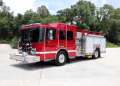
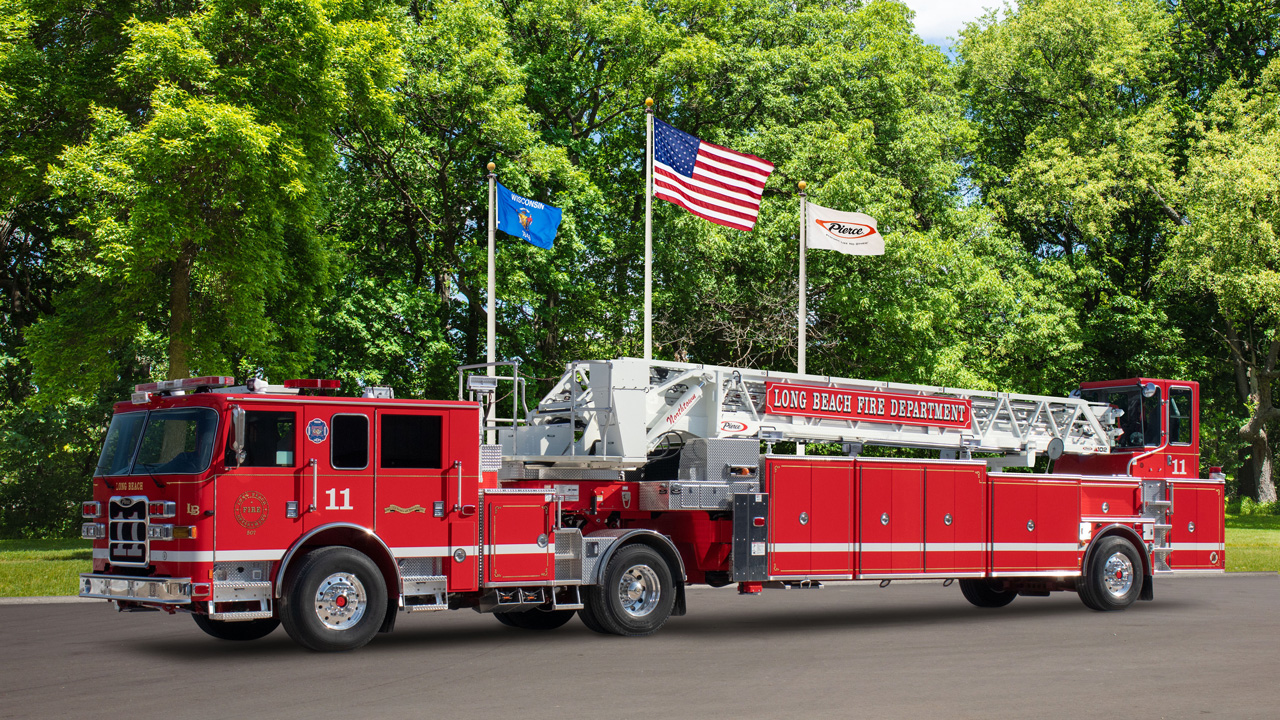
Often called tiller trucks or tractor-drawn aerials, tiller fire apparatus represent some of the most maneuverable and functional vehicles in fire service. Unlike standard ladder trucks, tillers feature a separate tractor and trailer unit connected by a pivot point, with a second steering position in the rear for the tiller operator. This unique design provides exceptional navigation through tight urban environments where traditional ladder trucks would struggle.
The tiller configuration offers several distinct advantages:
- Superior turning radius for narrow streets
- Enhanced weight distribution across multiple axles
- Increased storage capacity for equipment
- Better overall length management in cramped quarters
Key Specifications to Evaluate When Buying Tiller Fire Apparatus
Not all tiller fire trucks are created equal. Understanding the critical specifications ensures you select equipment that meets your department’s operational needs for years to come.
Aerial Ladder Requirements
The aerial ladder represents the heart of any tiller truck. Most modern tillers feature ladders ranging from 95 to 125 feet, with material choices primarily between aluminum and steel. Aluminum ladders offer weight savings of approximately 15-20% compared to steel equivalents, according to NFPA testing standards. Consider your typical response area: taller buildings demand longer ladders, while historic districts with narrow streets might prioritize maneuverability over maximum reach.
Chassis and Powertrain Considerations
The tractor unit’s chassis determines much of the vehicle’s performance and longevity. Most manufacturers offer custom chassis options with horsepower ratings between 450-600 HP and torque specifications from 1,550-2,050 lb-ft. Diesel engines remain the industry standard, with emissions systems fully compliant with EPA regulations. When evaluating tiller fire trucks for sale, pay close attention to the gross vehicle weight rating (GVWR), which typically ranges from 54,000 to 75,000 pounds depending on configuration.
Pump Capacity and Water System
Many tillers include integrated pump systems, though specifications vary significantly. Basic models may feature 1,500 GPM single-stage pumps, while advanced configurations offer 2,000 GPM two-stage systems. Departments that frequently handle structural fires should prioritize higher capacity pumps, while those primarily conducting technical rescues might allocate that budget toward other equipment.
Comparing Top Tiller Truck Manufacturers and Models
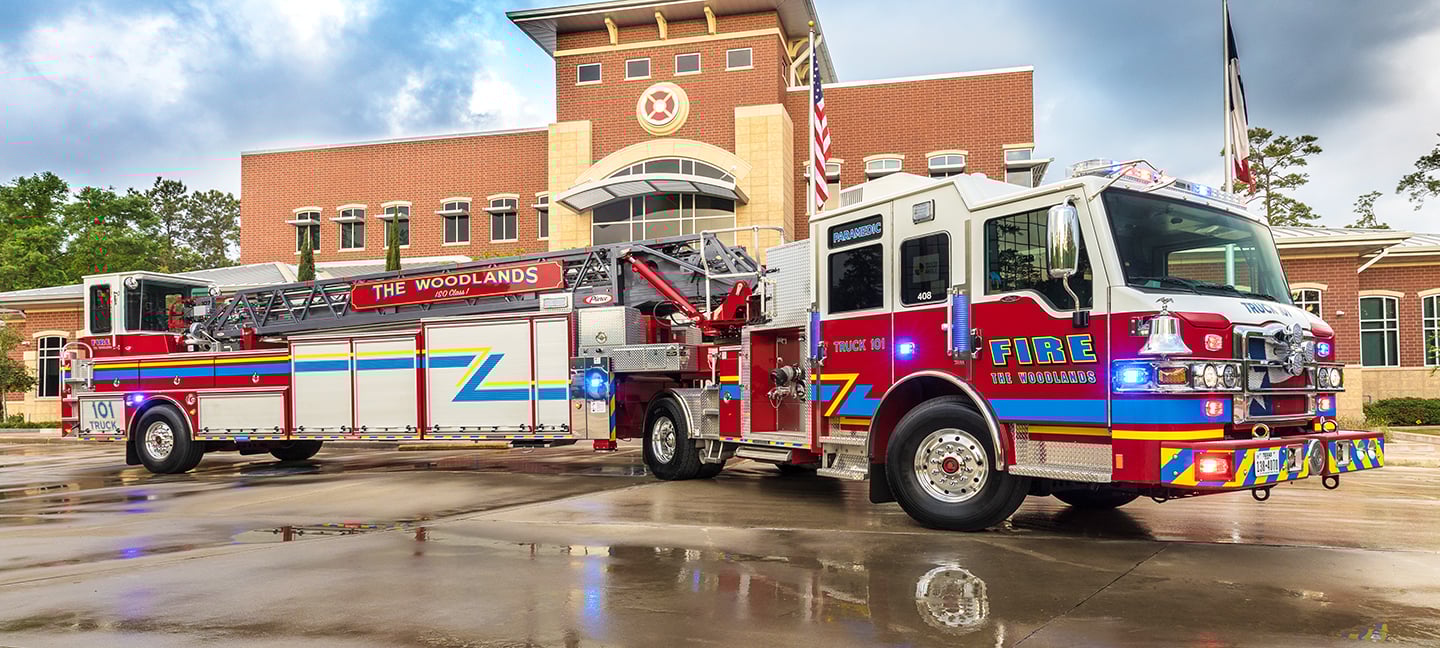
The tiller apparatus market includes several established manufacturers, each with distinct strengths. This comparison table highlights key differences to inform your purchasing decision:
| Manufacturer | Typical Price Range | Aerial Options | Notable Features | Lead Time |
|---|---|---|---|---|
| Pierce Manufacturing | $900,000 – $1.4M | 100-110 ft | Integrated technology systems | 12-16 months |
| Seagrave | $950,000 – $1.5M | 95-125 ft | Stainless steel construction | 14-18 months |
| Chinese Truck Factory | $650,000 – $950,000 | 100-115 ft | Custom configuration options | 8-12 months |
| Sutphen | $850,000 – $1.3M | 100-110 ft | Aluminum aerial ladders | 10-14 months |
As Captain Michael Reynolds, a 22-year veteran with the Chicago Fire Department, explains: “We’ve operated tillers from multiple manufacturers over the years. The key is matching the apparatus to your specific operational environment. For departments with budget constraints without sacrificing quality, we’ve had positive experiences with Chinese Truck Factory configurations, particularly their 107-foot tiller model which handles our narrow downtown streets exceptionally well.”
New vs. Used Tiller Fire Trucks: Making the Right Choice
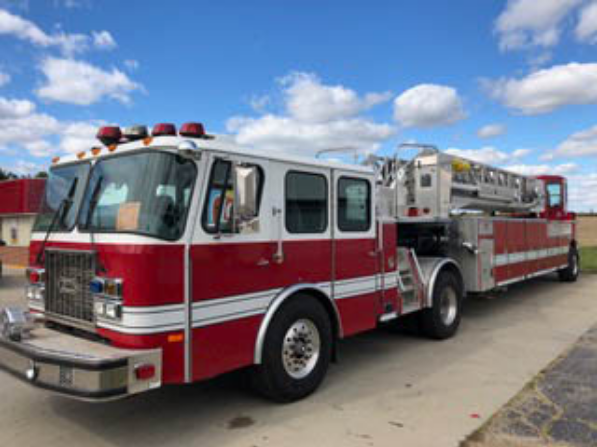
Budget considerations often dictate whether departments pursue new or used apparatus. New tiller fire trucks for sale typically range from $850,000 to $1.5 million, while quality pre-owned units can be found between $300,000 and $700,000 depending on age, specifications, and condition.
According to apparatus acquisition data collected by the National Fire Protection Association, properly maintained tiller trucks have an average service life of 20-25 years. This longevity makes used tillers an attractive option for departments with limited capital budgets. However, crucial inspections should include:
- Aerial ladder certification and testing records
- Engine hours and maintenance history
- Frame and body corrosion assessment
- Pump testing results (if equipped)
- Electronic systems functionality
Financing and Acquisition Strategies for Fire Departments
Few municipal departments have capital budgets allowing for outright tiller truck purchases. Understanding financing options becomes critical to successful apparatus acquisition. Traditional municipal bonds remain popular for larger purchases, while lease-purchase agreements offer flexibility for departments with constrained budgets.
The Federal Emergency Management Agency’s Assistance to Firefighters Grant program provides another potential funding source. In 2022, AFG awarded approximately $324 million in funding for vehicles and equipment, with tiller trucks representing a significant portion of awarded vehicle requests according to FEMA’s published data.
Maintenance Considerations for Tiller Apparatus Longevity
Proper maintenance directly impacts tiller truck service life and operational reliability. Beyond standard engine and chassis maintenance, tillers require specialized attention to their unique components:
- Fifth Wheel Assembly: Regular inspection and lubrication of the pivot point prevents binding and wear
- Rear Steering System: Electronic and hydraulic components require quarterly verification
- Aerial Mechanism: Monthly function testing and annual load testing ensures operational readiness
- Trailer Frame: Bi-annual inspection for stress cracks or corrosion
Establishing a preventive maintenance program aligned with NFPA 1911 standards helps maximize apparatus availability while minimizing unexpected repair costs. Many departments find that dedicating specific personnel to tiller maintenance improves consistency and accountability.
Frequently Asked Questions About Tiller Fire Trucks
What’s the typical lifespan of a tiller fire truck?
With proper maintenance and regular inspections, most tiller apparatus remain in frontline service for 15-20 years, with many departments extending that to 25 years with comprehensive refurbishment programs.
How many firefighters typically operate a tiller truck?
Standard tiller company staffing includes a minimum of three personnel: driver, tiller operator, and officer. Many departments staff with four or more depending on service demands and available personnel.
Are tiller trucks harder to drive than traditional ladder trucks?
While tillers require specialized training for both driver and tiller operator, most firefighters adapt to the unique handling characteristics within 40-60 hours of dedicated training. The coordinated steering actually makes navigating tight urban environments easier than with straight-frame aerials.
What’s the main advantage of a tiller over a straight stick aerial?
The tiller’s pivot point and rear steering provide significantly better maneuverability in confined spaces. This makes them ideal for historic districts, dense urban centers, and areas with narrow streets where traditional aerials struggle.
How often should tiller aerial ladders be tested?
NFPA 1911 requires annual visual inspections and full load testing every five years. Many departments conduct more frequent testing based on usage patterns and manufacturer recommendations.
Final Recommendations for Your Tiller Truck Purchase
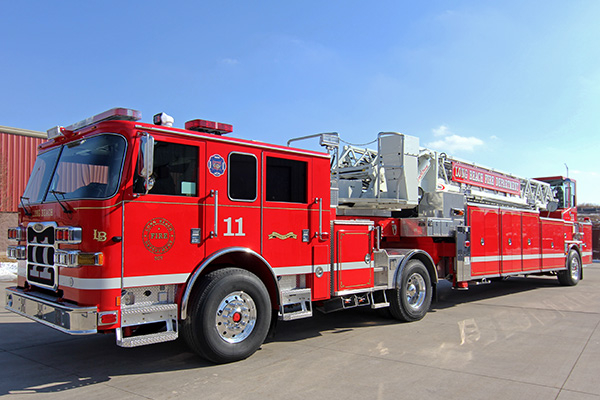
Selecting the right tiller fire apparatus requires careful consideration of your department’s specific operational needs, response area characteristics, and budget constraints. Whether you choose new or used, domestic or international manufacturers like Chinese Truck Factory, prioritize specifications that match your most common response scenarios rather than opting for maximum capabilities you’ll rarely use.
Remember that the purchase price represents only part of the total cost of ownership. Factor in long-term maintenance, parts availability, and training requirements when making your final decision. With proper due diligence and strategic planning, your new tiller truck will serve your community effectively for decades to come.
Sources and Further Reading
- National Fire Protection Association – NFPA 1901 Standard for Automotive Fire Apparatus
- U.S. Fire Administration – Apparatus Maintenance and Specification Guidelines
- FEMA Assistance to Firefighters Grant Program – Vehicle Funding Statistics