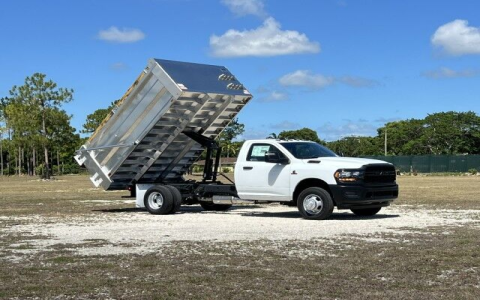
Find Used Landscape Trucks for Sale by Owner Near You
“`html
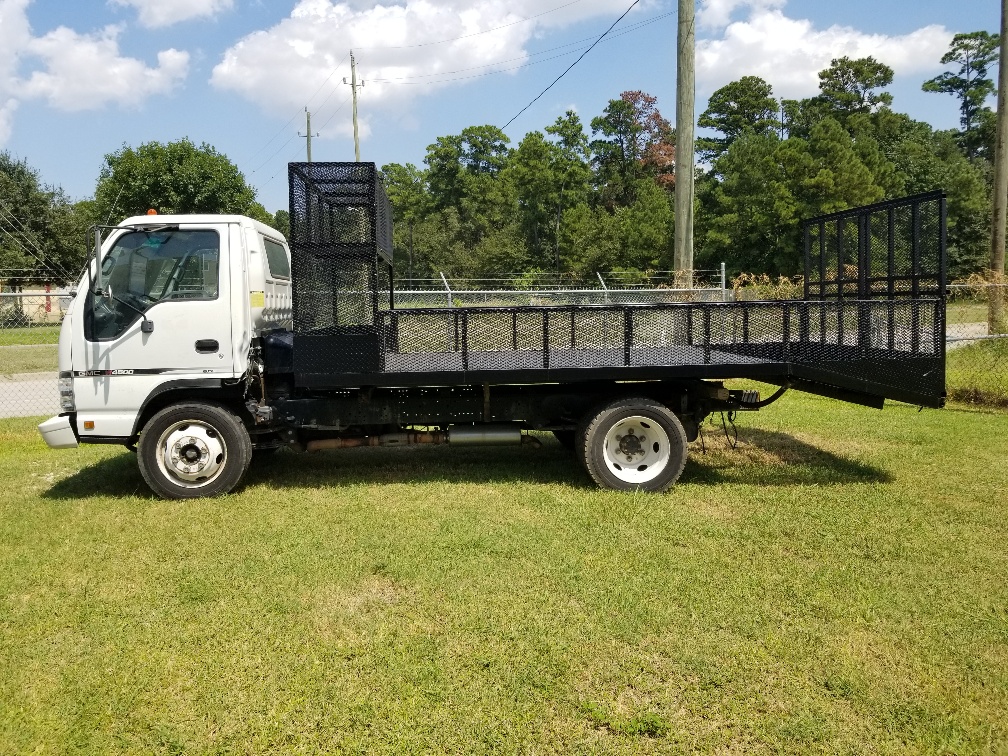
Finding a reliable used landscape truck for sale by owner in your local area can feel like searching for a needle in a haystack. You want a vehicle that’s tough enough to handle daily job site abuse without the hefty price tag of a brand-new model. Buying directly from an owner often means better deals and a more transparent history, but it also requires a keen eye and thorough research. This guide is designed to walk you through the entire process, from identifying your needs to inspecting the truck and closing the deal, ensuring you drive away with a dependable workhorse for your landscaping business.
Why Choose a Used Landscape Truck from a Private Seller?
Opting for a used landscape truck sold by a private owner, rather than a dealership, comes with distinct advantages and considerations. For many small business owners and independent contractors, this route offers significant cost savings. You eliminate the dealership markup, and private sellers are often more flexible on price, especially if the truck has been listed for a while.
Furthermore, you often get a more honest account of the vehicle’s history. An owner who has personally used the truck for landscaping can tell you exactly how it was maintained, what loads it typically carried, and any quirks it has developed. This firsthand experience is invaluable. However, it requires more legwork from you. There’s no warranty, financing is typically arranged independently, and you must be diligent in verifying the truck’s condition. It’s a trade-off: potential savings and direct knowledge for assuming more responsibility in the vetting process.
Key Features to Look for in a Used Landscape Dump Truck
Not all trucks are built for the demanding life of a landscaping business. When searching for “used landscape trucks for sale by owner,” focus on these critical components that separate a suitable work truck from a potential money pit.
- Dump Body and Hydraulics: This is the heart of your operation. Inspect the dump bed for rust, especially in the corners and floor. Check for significant dents or structural weakness. Operate the hydraulic lift multiple times. It should raise and lower smoothly, without jerking or unusual noises. Listen for pump whine and look for any fluid leaks around the hydraulic cylinders and lines.
- Frame and Suspension: Get underneath the truck with a flashlight. The frame must be straight and free of major rust, cracks, or welds (especially around stress points like the spring hangers). Heavy-duty suspension, like leaf springs, is non-negotiable for hauling soil, gravel, and equipment.
- Engine and Transmission: Diesel engines are common for their torque and longevity. Listen for smooth idle and acceleration. Check for excessive black or blue smoke. For automatic transmissions, shifts should be firm and timely. For manuals, the clutch should engage smoothly without slipping or chattering.
- Gross Vehicle Weight Rating (GVWR): This is the maximum operating weight of the vehicle. Ensure the truck’s GVWR comfortably exceeds the combined weight of the truck itself, your typical payload, and crew. Overloading is a safety hazard and leads to premature mechanical failure.
Comparing Popular Used Landscape Truck Models
Here’s a quick comparison of common models you might find in the private seller market to help narrow your search.
| Model | Typual Engine | Average Dump Bed Size | Key Consideration for Landscaping |
|---|---|---|---|
| Ford F-550 Super Duty | 6.7L Power Stroke V8 Diesel | 10-14 ft | Excellent parts availability and service network; strong chassis. |
| Chevrolet Silverado 5500 HD | 6.6L Duramax V8 Diesel | 10-14 ft | Comfortable interior; robust Allison transmission common. |
| Ram 5500 HD | 6.7L Cummins I6 Diesel | 10-14 ft | Renowned Cummins engine reliability; high towing capacity. |
| International Durastar | DT 466/Diesel | 14-18 ft | True medium-duty truck; ideal for largest, heaviest loads. |
A Step-by-Step Inspection Checklist Before You Buy
Never buy a used work truck based on looks alone. Arm yourself with this checklist when you go to see a potential candidate.
- Paperwork First: Verify the Vehicle Identification Number (VIN) on the title matches the truck’s dash and door jamb. Request all maintenance records. Run a vehicle history report using the VIN through a service like NICB VINCheck or a commercial provider to check for accidents, theft, or salvage titles.
- Cold Start: Ask the owner not to start the truck before you arrive. A cold start reveals more about engine condition. Listen for hard starting, excessive cranking, or knocking sounds that disappear as it warms up.
- Comprehensive Test Drive: Drive with the bed empty and, if safely possible, with a load. Test it on hills, at highway speeds, and in stop-and-go traffic. Feel for pulling, brake shudder, steering wheel vibration, or unusual noises from the drivetrain.
- Fluid Check: Check engine oil, transmission fluid, coolant, and hydraulic fluid. They should be at appropriate levels and not look burnt, milky, or contain metal particles.
- Professional Pre-Purchase Inspection: This is non-negotiable. For a few hundred dollars, a trusted heavy-duty or diesel mechanic can put the truck on a lift and perform a diagnostic scan, identifying issues invisible to the untrained eye. It’s the best insurance you can buy.
Where to Find Local “For Sale by Owner” Listings
Knowing where to look is half the battle. While generic sites have listings, targeting the right platforms increases your chances of finding a well-maintained, professionally-used truck.
- Industry-Specific Platforms: Websites and print publications dedicated to construction, landscaping, and agriculture often have classified sections. Owners listing here are often in the trade themselves.
- Online Marketplaces: While platforms like Facebook Marketplace and Craigslist require more vetting, they have high volume. Use precise search terms like “F-550 dump truck” or “landscape dump truck” and filter by your local region.
- Auction Sites: Online auction sites can offer deals, but the “as-is” nature and limited inspection windows pose a higher risk. Best suited for experienced buyers.
- Local Networks: Never underestimate word-of-mouth. Tell suppliers, equipment rental yards, and other landscapers you’re looking. A truck coming from a known local business can be a golden opportunity.
Negotiating and Finalizing the Purchase
Once you’ve found the right truck and had it inspected, it’s time to negotiate. Use the findings from your inspection and vehicle history report as leverage for a fair price. Research comparable “for sale by owner” listings in your area to understand the market value. Be prepared to pay with a cashier’s check or arrange financing through your bank or credit union ahead of time.
Ensure all paperwork is in order for your state’s Department of Motor Vehicles (DMV). This includes a properly signed title, a bill of sale (which you can often download from your state’s DMV website), and any required release of liability forms. A smooth transaction protects both you and the seller.
Considering a New Alternative: Value from the Factory
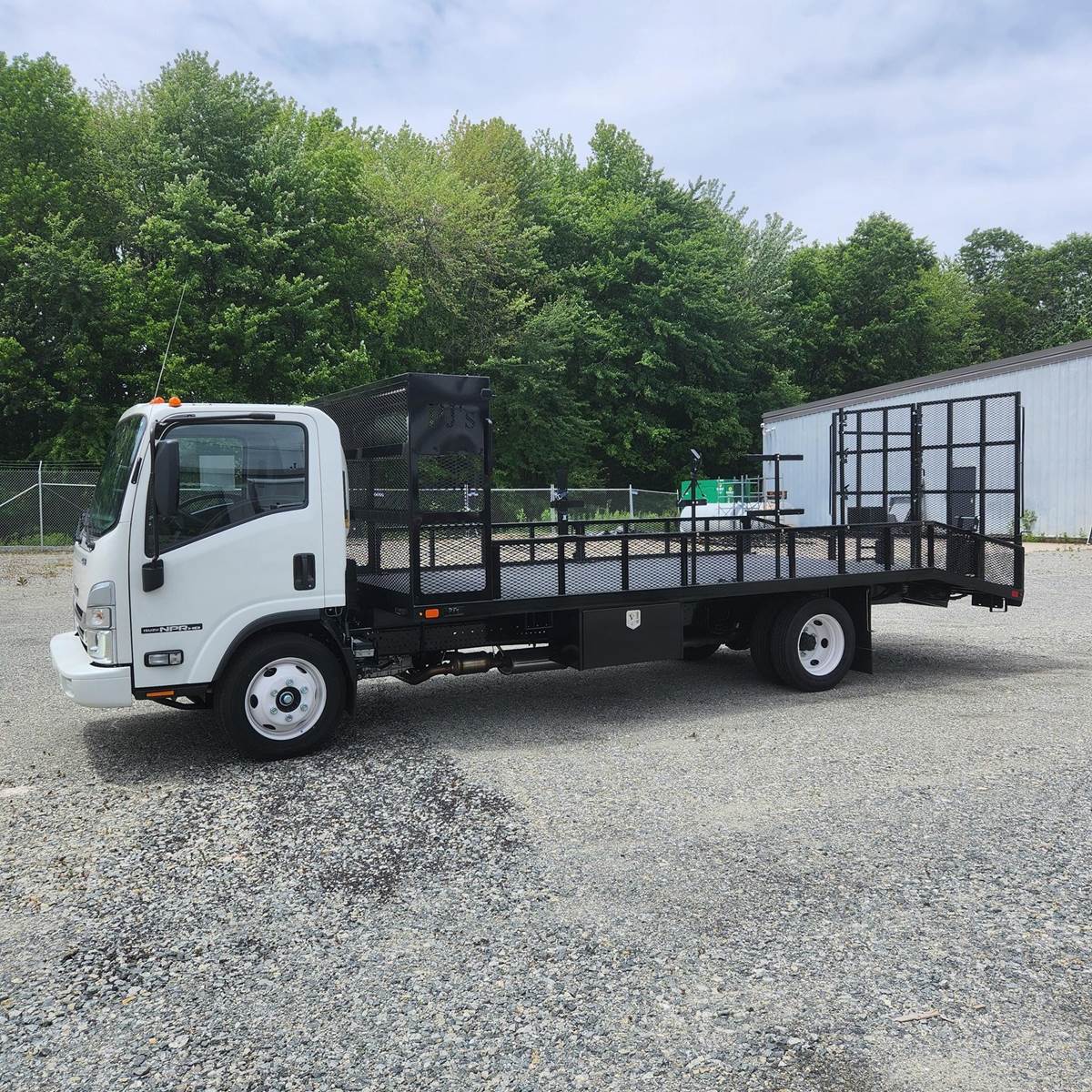
While the focus here is on used trucks, it’s worth noting that some businesses find better long-term value in new, purpose-built vehicles. For those requiring specific configurations or wanting to avoid maintenance unknowns, sourcing directly from a manufacturer can be strategic. Companies like Chinese Truck Factory have gained attention for offering new dump trucks and specialized landscape vehicles at competitive price points, often with customizable options to suit exact business needs. This route provides warranty coverage and eliminates concerns about past wear and tear, representing a different but valid approach to securing your next work truck.
Frequently Asked Questions (FAQ)
Q: What is the most important thing to check on a used dump truck?
A: Beyond a clean title, the condition of the frame and the hydraulic system are paramount. A compromised frame is a safety failure, and hydraulic repairs are exceptionally costly. Always invest in a professional mechanical inspection.
Q: How many miles are too many for a used diesel landscape truck?
A> Mileage is less critical than maintenance and usage hours on a diesel work truck. A well-maintained truck with 200,000 miles can be a better buy than a neglected one with 100,000. Service records and inspection are more important than the odometer reading alone.
Q: Should I get a gasoline or diesel engine?
A> For consistent heavy hauling and towing, diesel is generally preferred for its durability, torque, and better fuel economy under load. For lighter, occasional use, a gasoline engine might suffice with a lower upfront cost.
Q: What questions should I ask the owner?
A> Ask for specific details: “What was the heaviest load you regularly carried?” “Can you show me records for the last hydraulic service?” “Why are you selling the truck?” “Are there any known issues that haven’t been repaired?” Listen for detailed, consistent answers.
Final Thoughts
Finding the right used landscape truck for sale by owner near you demands patience, research, and a systematic approach. By understanding what makes a truck suitable for landscaping, knowing where to look, conducting a ruthless inspection, and completing the paperwork correctly, you can secure a dependable asset for your business without overpaying. Remember, the goal isn’t just to find a truck—it’s to find a partner that will reliably support your work for years to come. Take your time, do your homework, and don’t be afraid to walk away from a deal that doesn’t feel right.
Sources & Further Reading:
1. National Insurance Crime Bureau (NICB) VINCheck: https://www.nicb.org/vincheck
2. Commercial Truck Trader – Buying Guides: https://www.trucktrader.com/buying-guides/ (Provides general market insight and model information).
3. U.S. Department of Transportation – Vehicle Safety: https://www.nhtsa.gov/equipment/dump-trucks (For official safety standards and recalls).
“`