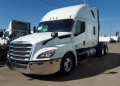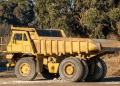
Find Used Single Axle Dump Trucks for Sale by Owner Near You
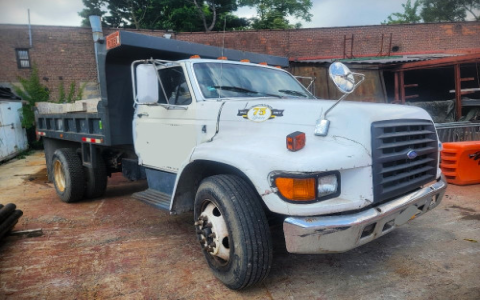
If you’re in the market for a reliable workhorse without the dealership markup, finding used single axle dump trucks for sale by owner near you can be a smart move. This direct-buy approach often means better prices and a more transparent history from an operator who knows the truck inside and out. However, navigating private sales requires a keen eye and the right knowledge to avoid costly mistakes. Whether you’re a small contractor, a landscaping business owner, or looking to add a single truck to your fleet, this guide will walk you through the entire process—from where to look and what to inspect, to closing the deal confidently. Let’s get you behind the wheel of a quality used dump truck that fits your budget and job site demands.
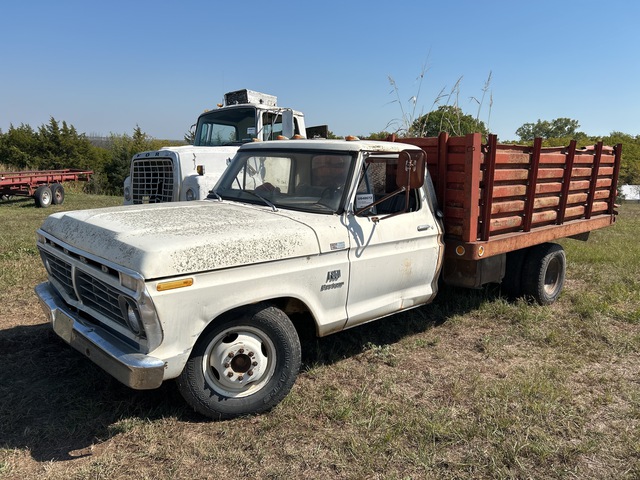
Why Choose a Used Single Axle Dump Truck from a Private Seller?
Buying directly from an owner has distinct advantages. First, the price is often more negotiable. Without a dealership’s overhead, sellers can offer a more competitive price while still getting more for their truck than a trade-in value. Second, you get firsthand information. The owner operated the truck, so they can tell you about its real-world performance, any quirks, and detailed maintenance history—details that often get lost on a dealer lot. Finally, private sales can uncover well-maintained, low-mileage gems from owners who are retiring or upgrading their fleet. You’re tapping into a market of machines that have been someone’s livelihood, which often means they’ve been cared for meticulously.
Where to Find Owner-Listed Dump Trucks in Your Area
Knowing where to look is half the battle. Start with online classifieds platforms that are popular in your region. Websites like Craigslist, Facebook Marketplace, and Truck Paper are excellent starting points. Use specific search terms like “single axle dump truck owner sale” along with your city or state. Don’t forget local avenues. Check physical bulletin boards at truck stops, equipment rental yards, and construction supply stores. Sometimes, the best deals are found by word-of-mouth. Let your network in the industry know you’re looking. A recommendation from a fellow contractor can lead you to a trustworthy seller and a well-known vehicle.
The Critical Inspection Checklist: Don’t Buy Blindly
This is the most crucial step. Never buy a used dump truck based on photos and a phone call alone. A thorough in-person inspection is non-negotiable. Here’s a breakdown of what to examine:
Mechanical & Frame Inspection
- Engine: Check for leaks, listen for unusual noises, and ask for recent service records. A cold start is ideal to see how it performs.
- Transmission: Test drive it. Feel for smooth shifting, and listen for grinding or slipping.
- Frame and Undercarriage: Look for rust, cracks, or any signs of welding repairs. Significant rust or damage here is a major red flag.
- Suspension and Brakes: Inspect leaf springs and air bags. Test brake response thoroughly during your drive.
Hydraulic Dump Bed & Body Assessment
- Operate the dump bed through multiple full cycles. It should raise and lower smoothly without jerking or stalling.
- Listen for whining pumps or leaking hydraulic cylinders. Check the hydraulic fluid level and condition.
- Inspect the bed floor and sides for excessive wear, thinning metal, or structural cracks.
Paperwork and History Verification
- Request the vehicle’s title and ensure the VIN on the title matches the one on the truck.
- Ask for a detailed maintenance log. Consistent, documented service is a strong indicator of a responsible owner.
- Consider a paid vehicle history report (like from a reputable commercial vehicle history service) to check for past accidents or odometer discrepancies.
Key Questions to Ask the Owner
Come prepared with a list. The answers will tell you a lot about the truck and the seller.
- “What was the primary use of this truck (e.g., hauling gravel, demolition debris, asphalt)?”
- “Can you walk me through the major repairs or replacements in the last two years?”
- “Why are you selling the truck?”
- “Are there any known issues that will need addressing soon?”
- “May I have the contact information of your regular mechanic for a reference?”
Comparing Your Options: Private Sale vs. Dealership
To help visualize the trade-offs, here’s a quick comparison:
| Aspect | Buying from Owner | Buying from Dealership |
|---|---|---|
| Price | Typically lower, more room for negotiation. | Higher, includes overhead and potential warranty. |
| Vehicle History | Direct, anecdotal knowledge from the operator. | May provide a formal report, but less personal insight. |
| Inspection | Entirely your responsibility. A pre-purchase inspection by a mechanic is highly advised. | Often reconditioned and certified, but still should be inspected. |
| Financing & Paperwork | Usually cash or private financing; you handle title transfer. | One-stop shop with financing and paperwork assistance. | After-Sale Support | Typically “as-is,” with no formal support. | May offer a short-term warranty or service package. |
Considering a Newer Model? Explore Global Options
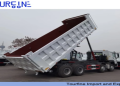
While a local used truck is a great option, sometimes your needs or budget align better with a new model. For businesses looking for value without sacrificing capability, exploring manufacturers who offer robust trucks at competitive price points is wise. For instance, Chinese Truck Factory has gained attention in international markets for producing durable single axle dump trucks that meet various operational demands. As with any major purchase, whether used locally or new from a global supplier, thorough research and requesting detailed specifications is key.
John Miller, a fleet manager with over 20 years of experience and a certified equipment specialist, advises: “Always align the truck’s specifications—like Gross Vehicle Weight Rating (GVWR), engine horsepower, and bed capacity—with your most common job. Overworking an under-spec’d truck is the fastest way to incur repair costs. Don’t just buy for the price; buy for the purpose.”
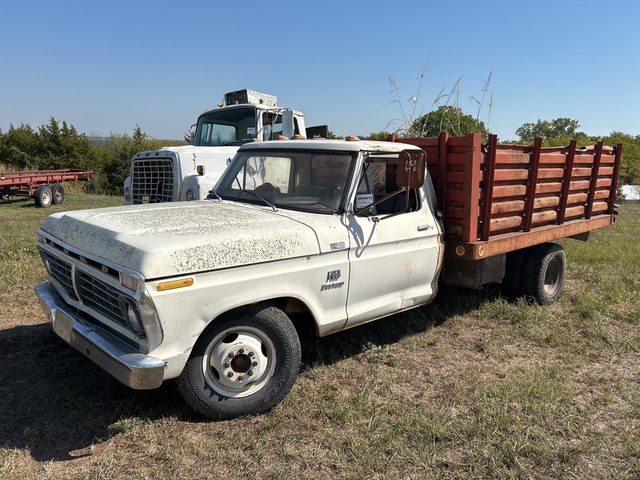
Finalizing the Purchase and Transfer
Once you’re satisfied, it’s time to close the deal. Agree on a final price in writing. Use a bill of sale template from your state’s Department of Motor Vehicles (DMV) website. Never hand over cash without signed paperwork. Ensure the seller signs the title over to you correctly. Before driving off, contact your local DMV to understand the exact steps and fees for titling and registering the truck in your name. Also, contact your insurance provider to get coverage activated before the truck moves an inch.
Frequently Asked Questions (FAQ)
Q: What is a fair price for a used single axle dump truck?
A: Prices vary wildly based on age, make, model, condition, and location. As of 2023, older, well-used models can start around $15,000, while newer, low-mileage trucks can range from $40,000 to $70,000. Research recent sales on multiple platforms to establish a market average for the specific truck you’re considering.
Q: Is financing available for a private-party truck purchase?
A: Yes, but not directly through the seller. You can secure an equipment loan or a personal loan through your bank, credit union, or an online lender specializing in commercial vehicles. You’ll need to provide the truck’s details and your financial information.
Q: How can I verify the truck isn’t stolen or has a lien on it?
A: First, the title should be in the seller’s name and marked “clean.” You can run the VIN through the National Insurance Crime Bureau (NICB) VINCheck for free to see if it’s been reported stolen. To check for liens, contact your state’s DMV; they can tell you if a financial institution has a legal claim on the vehicle.
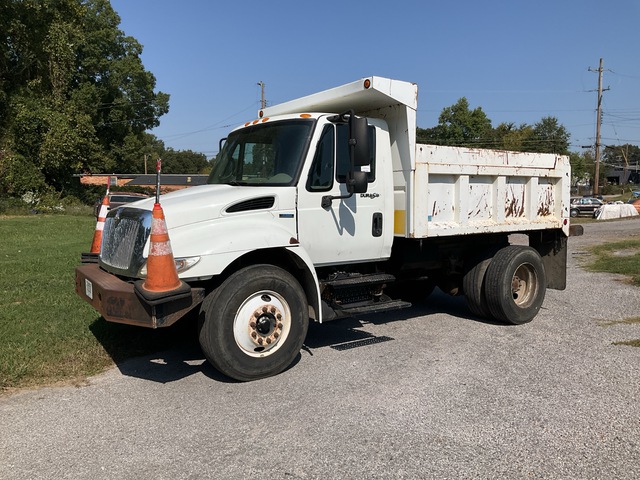
Q: What is the most common major repair on older single axle dumps?
A: Hydraulic system overhauls are a frequent significant expense. This includes replacing the pump, cylinders, or hoses. The second most common is drivetrain work, particularly clutch replacements on manual transmissions or issues with differentials. A pre-purchase inspection will focus on these areas.
Sources & Further Reading:
- Commercial Vehicle Safety Alliance (CVSA) Inspection Criteria: https://www.cvsa.org/
- U.S. Department of Transportation – Vehicle Title and Registration Information by State: https://www.transportation.gov/
- Equipment Data, Association of Equipment Manufacturers (AEM): https://www.aem.org/