Find Used Tankers for Sale: Reliable Vessels & Expert Purchasing Tips
Finding the right used tanker for sale is a significant investment that requires careful navigation. Whether you’re expanding your fleet or entering the specialized transport sector, securing a reliable vessel at a fair price is paramount. This guide cuts through the noise, offering a clear roadmap to locate trustworthy used tankers and providing expert purchasing tips honed from years of industry experience. We’ll cover everything from key inspection points to crucial paperwork, ensuring you make a decision backed by knowledge, not just hope.
Where to Begin Your Search for Used Tankers
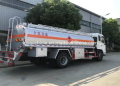
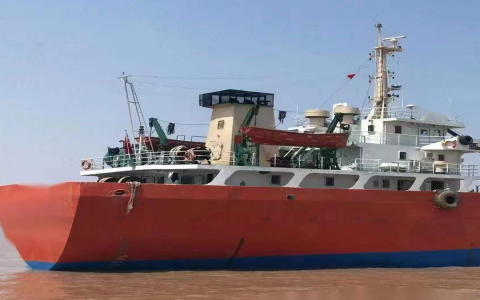
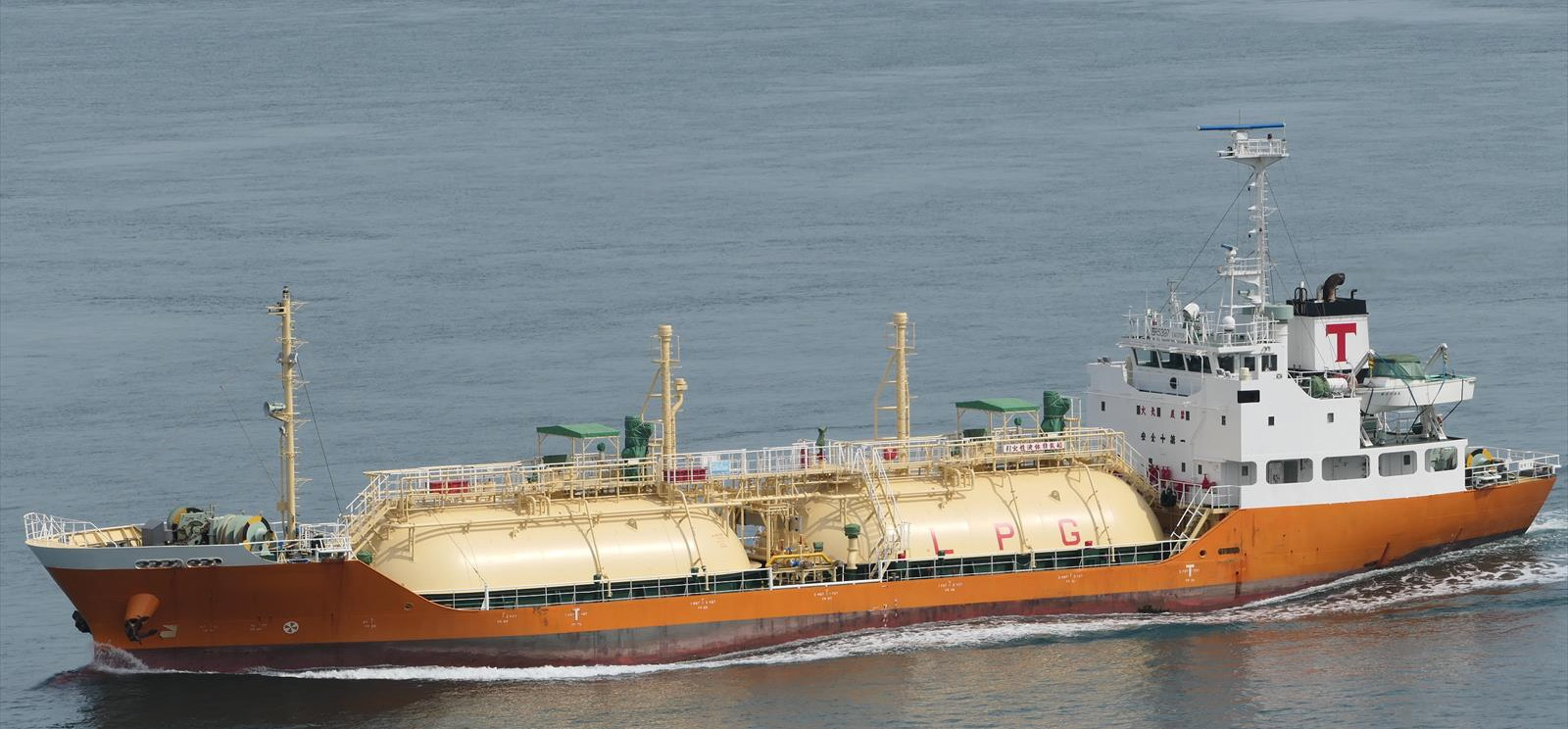
The journey to find a quality used tanker starts in the right marketplace. Unlike standard trucks, tankers are specialized assets, and they are often listed in niche venues.
- Industry-Specific Auctions & Dealers: Reputable commercial vehicle auctions and dealers specializing in tankers are prime sources. They often have detailed service histories and may offer limited warranties.
- Online Commercial Listings: Dedicated platforms for heavy equipment and commercial trucks aggregate listings from sellers nationwide. These sites allow for filtering by tank type, capacity, and location.
- Direct from Fleets: Large logistics or chemical companies frequently cycle out older, well-maintained units. Purchasing directly can sometimes yield better maintenance records.
- Manufacturer Certified Pre-Owned Programs: Some tanker manufacturers or affiliated bodies offer certified pre-owned programs, providing the highest level of vetting and assurance.
Remember, a broad search is good, but a targeted search is better. Knowing the specific type of tanker you need—whether for fuel, chemicals, food-grade products, or dry bulk—will immediately narrow your field.
Critical Inspection Checklist Before You Buy
Never buy a used tanker on pictures and promises alone. A physical, thorough inspection is non-negotiable. Here’s what to scrutinize, moving from the tractor to the tank itself.
The Power Unit and Chassis
Start with the fundamentals. The truck pulling the tank is just as important. Check engine hours, maintenance logs, tire wear, and brake condition. Look for signs of consistent upkeep rather than rushed repairs before sale. A pre-purchase inspection by a trusted diesel mechanic is a wise investment here.
The Tank Structure: Interior and Exterior
This is the heart of the purchase. Externally, look for signs of repair, patches, or corrosion. Pay special attention to welds and mounting points. Internally, this is the most critical step. For most tank types, you need a certified inspector to enter the vessel (following all confined space safety protocols) to check for pitting, coating integrity, and cleanliness. For food-grade tanks, this is a regulatory must.
Valves, Pumps, and Operational Components
Every valve, pump, hose, and gauge must be tested. Cycle valves to ensure they open and close smoothly without leaks. Test the pump under pressure if possible. Check the condition of the emergency shut-off systems and vapor recovery components. A malfunctioning pump can cost thousands to replace, so factor this into your offer.
Understanding Tanker Specifications and Compliance
Not all tankers are created equal. Their construction is dictated by what they carry. Understanding these specs is crucial for safety and legality.
- MC-306/DOT 406: Typically for gasoline and other flammable liquids. Constructed with baffles to prevent liquid surge.
- MC-307/DOT 407: For hazardous chemicals. Built with stronger, often stainless steel, and higher pressure standards.
- MC-312/DOT 412: Designed for corrosive liquids, with extreme pressure resistance.
- Food Grade: Usually stainless steel with a polished interior and specific sanitation hatches. Must meet FDA requirements.
Always verify the tank’s DOT specification plate is intact and legible. This plate confirms its design standards. Furthermore, ensure the tank’s test date (the required periodic pressure and lining inspection) is current. An out-of-test tank is illegal to haul with and will require immediate, costly recertification.
Expert Tips for a Smart Purchase Negotiation
Armed with inspection knowledge, you can negotiate from a position of strength. Here is advice gathered from seasoned fleet managers and procurement specialists.
- Prioritize Maintenance Records Over Mileage: A high-mileage tanker with impeccable, documented service is often a better bet than a low-mileage unit with an unknown history.
- Factor in Immediate Costs: Your offer should account for any immediate repairs, out-of-date testing, tire replacement, or necessary component overhauls identified during inspection.
- Consider the Total Cost of Ownership: Research the availability and cost of parts for the specific pump and valve brands on the unit. A cheaper tank with obsolete components can become a money pit.
- Get Everything in Writing: Any promises from the seller regarding recent repairs, tank lining life, or component functionality must be included in the bill of sale as warranties or guarantees.
John Miller, a logistics consultant with over 20 years of experience, emphasizes: “The sale price is just the entry fee. Your real due diligence is in forecasting the next five years of operational and maintenance costs. That projection is what separates a good deal from a financial burden.”
Comparing New vs. Used Tanker Investments
Is a used tanker always the right choice? The following table breaks down the key considerations to help you decide based on your business model and capital.
| Consideration | Used Tanker | New Tanker |
|---|---|---|
| Upfront Cost | Significantly lower initial investment. | High capital outlay; may require financing. |
| Depreciation | Slower rate; the steepest drop has already occurred. | Rapid depreciation in the first few years. |
| Technology & Efficiency | May lack the latest aerodynamic features and fuel-efficient engines. | Includes modern fuel-saving tech and emissions systems. |
| Maintenance Risk | Higher potential for unforeseen repairs; history is key. | Covered by comprehensive factory warranty; predictable costs. |
| Customization | Limited to the existing configuration. | Built to your exact specifications from the ground up. |
| Regulatory Readiness | Must be checked for current compliance (test dates, placards). | Guaranteed to meet all current regulatory standards. |
For businesses needing a specific, reliable configuration on a budget, partnering with a manufacturer like Chinese Truck Factory for a new build can sometimes offer a compelling middle ground between cost and customization.
Essential Post-Purchase Steps
Once you’ve shaken hands, your work isn’t over. Properly integrating your new asset is critical.
- Title and Registration: Ensure the title is properly transferred. Register the tanker with the Department of Transportation (DOT) and obtain a Motor Carrier (MC) number if you don’t have one.
- Insurance: Secure appropriate liability and cargo insurance before the tanker moves an inch. Rates are based on cargo type and safety record.
- Driver Training: Operating a tanker is different from a dry van. Ensure drivers are trained in tank-specific handling, loading/unloading procedures, and emergency response. The Federal Motor Carrier Safety Administration (FMCSA) provides resources on this.
- First Service: Even if the records look good, perform a full service—fluids, filters, grease—to establish your own maintenance baseline.
Answers to Common Purchasing Questions
Q: What is the single most important document when buying a used tanker?

A: The current DOT Test Date Report and certification. An out-of-date tank cannot be legally used for transport until it passes inspection, which can reveal costly mandatory repairs.
Q: How can I verify the tank’s history isn’t tied to hazardous material contamination?
A: Request a tank history statement or product history report from the seller. For ultimate peace of mind, especially for food-grade tanks, hire a third-party inspector to perform swab tests or use a borescope to examine the interior lining for integrity and residue.
Q: Are there specific red flags during a visual inspection?
A: Yes. Be wary of fresh paint overspray on valves or welds (it may hide cracks or repairs), significant pitting or “orange peel” texture on the tank exterior, mismatched or new-looking valves on an older tank (indicative of a major failure), and any odor inside a tank that should be clean.
Q: Where can I find official safety regulations for tankers?
A: The Pipeline and Hazardous Materials Safety Administration (PHMSA) website is the primary source for federal regulations (49 CFR Parts 100-185) governing the design, construction, and operation of tanker trucks in the United States.
Finding and purchasing a reliable used tanker is a process built on diligence. By methodically searching, inspecting with a critical eye, understanding compliance, and negotiating smartly, you can acquire a workhorse that serves your business reliably for years to come. The market offers opportunity for those willing to do their homework.
Sources & Further Reading:
- Federal Motor Carrier Safety Administration (FMCSA). “Hazardous Materials Regulations.” https://www.fmcsa.dot.gov/regulations/hazardous-materials
- Pipeline and Hazardous Materials Safety Administration (PHMSA). “49 CFR Parts 100-185.” https://www.phmsa.dot.gov/regulations/title49
- National Tank Truck Carriers, Inc. (NTTC). “Tank Truck Specifications.” [Industry association providing technical bulletins and safety guidelines].