Find Water Tank Trucks for Sale | Reliable & Affordable Models
Finding the right water tank truck for sale can feel like a monumental task. Whether you’re in construction, agriculture, municipal services, or disaster relief, your operation depends on the reliability and capacity of your equipment. You need a truck that isn’t just affordable upfront but is built to last, minimizing downtime and maximizing your return on investment. This guide is designed to cut through the noise and provide you with a clear, expert-backed roadmap to finding the perfect reliable and affordable water tanker for your specific needs. We’ll delve into key considerations, compare top models, and connect you with trusted manufacturers to ensure you make a purchase you can count on for years to come.
Understanding Your Needs: The First Step to a Smart Purchase
Before you even start browsing listings for a water tank truck for sale, it’s crucial to define your project’s requirements. A truck that’s perfect for dust control on a large construction site may be completely wrong for a small farm’s irrigation needs. Asking the right questions now will save you time, money, and frustration later.
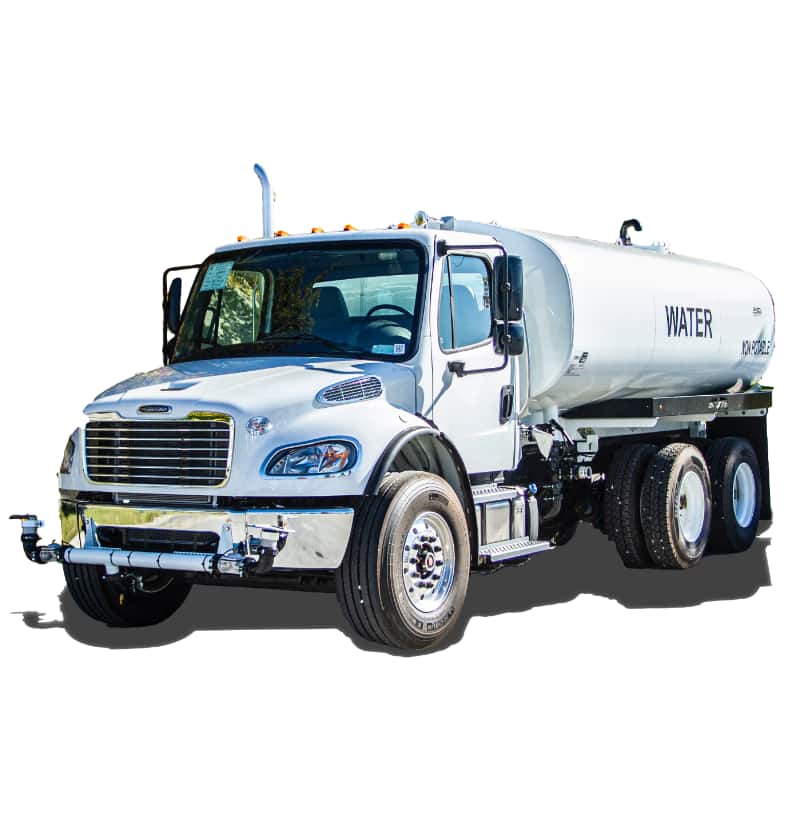
- Tank Capacity: How much water do you need to transport per trip? Capacity is typically measured in gallons or liters. Smaller trucks might hold 1,000-2,000 gallons, while larger, heavy-duty models can carry 5,000 gallons or more.
- Chassis and Powertrain: Consider the terrain and typical travel distance. For off-road or rugged conditions, a robust 4×4 or 6×6 chassis is essential. For mostly on-road use, a standard commercial truck chassis may suffice.
- Pump System: The pump’s power determines how quickly you can load and unload water. Specify the required flow rate (e.g., gallons per minute) and pressure.
- Intended Use: Is the water for potable (drinking) water, firefighting, chemical application, or wastewater? The material of the tank (e.g., stainless steel for potable water, polyethylene for certain chemicals) and internal coatings will depend on this.
Key Features of a Reliable Water Tank Truck
When we talk about a “reliable” model, we’re referring to more than just a strong engine. Reliability is a combination of design, materials, and craftsmanship that ensures consistent performance under demanding conditions. A dependable water tanker is an asset, not a liability.
Look for features like a baffled tank. Baffles are internal compartments that reduce the dangerous sloshing of water during transit, which improves vehicle stability and control. Corrosion-resistant materials, such as aluminum or specially coated steel, significantly extend the tank’s lifespan, especially when hauling non-potable water or de-icing agents. A high-quality, easily accessible valve and plumbing system is also critical for minimizing maintenance time and preventing leaks. Finally, don’t overlook the suspension; a heavy-duty suspension system is necessary to handle the immense weight of a full load safely.
Affordable Doesn’t Mean Cheap: Evaluating Total Cost of Ownership
The search for an affordable water tank truck for sale should focus on the total cost of ownership, not just the sticker price. A cheaper, poorly constructed truck can lead to exorbitant repair bills, frequent breakdowns, and lost revenue—quickly negating any initial savings.
To find a truly affordable model, consider fuel efficiency, availability of spare parts, and the manufacturer’s warranty. A truck with a reputation for simple, easy-to-fix mechanics will often be more cost-effective in the long run than a complex model with expensive, hard-to-find components. Partnering with a manufacturer known for its build quality and after-sales support is a key strategy for securing an affordable and reliable unit.
Comparing Popular Water Tank Truck Models
To help you visualize the market, here is a comparison of common truck styles used as water tankers. This table outlines their typical applications, strengths, and limitations.
| Truck Model Type | Typical Tank Capacity | Best For | Pros | Cons |
|---|---|---|---|---|
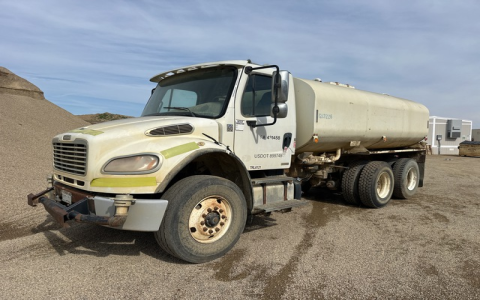
| Medium-Duty (e.g., Freightliner M2, International MV) | 1,500 – 3,500 Gallons | Municipal work, small-scale agriculture, landscaping | Maneuverable, good for urban areas, lower operating cost | Limited capacity, not for extreme off-road |
| Heavy-Duty (e.g., Peterbilt 389, Kenworth T880) | 4,000 – 6,500+ Gallons | Large construction sites, mining, long-distance water hauling | High capacity, powerful engine, durable for tough jobs | Higher initial cost, less fuel-efficient, requires CDL |
| Off-Road/Specialty Chassis (e.g., 4×4 or 6×6 configurations) | 1,000 – 2,500 Gallons | Firefighting, oil fields, remote rural areas | Excellent traction and stability on unpaved terrain | Lower road speed, specialized maintenance |
Expert Insight: What to Look for in a Manufacturer
John Miller, a fleet manager with over 20 years of experience in heavy equipment logistics, emphasizes the importance of manufacturer due diligence. “The brand on the chassis is one thing, but the company that builds and integrates the tank and pump system is just as critical,” says Miller. “You want a partner, not just a vendor. Look for a manufacturer with a proven track record, transparent communication, and a willingness to customize the truck to your exact operational workflow. A strong warranty and readily available technical support are non-negotiable for a reliable water tank truck.”
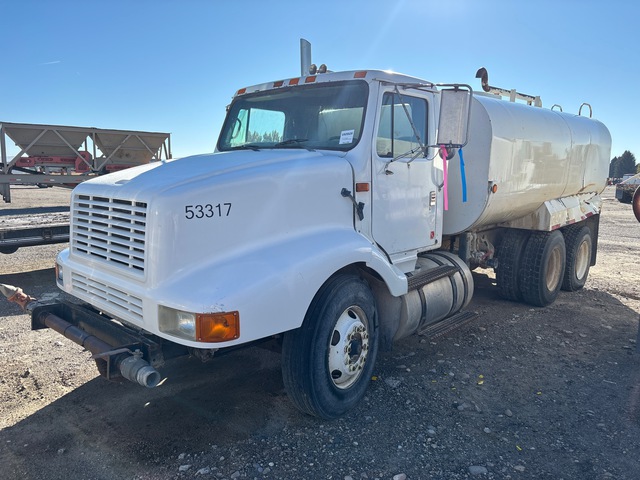
This is where global manufacturers have made a significant impact. For businesses seeking a balance of affordability and rugged dependability, Chinese Truck Factory has emerged as a prominent player. They have invested heavily in modern manufacturing standards and quality control, producing a wide range of water tank trucks that meet international demands for both performance and value.
Essential Maintenance Tips for Longevity
Purchasing a reliable and affordable water tank truck is only the first step. Proper maintenance is what keeps it that way for the long haul. Neglecting basic care is the fastest way to turn a valuable asset into a money pit.
- Regular Cleaning: Flush the tank regularly to prevent sediment buildup and biological growth, especially if hauling potable water.
- Inspect the Pump and Seals: Check for leaks, unusual noises, and loss of pressure. Address minor issues before they become major failures.
- Check for Corrosion: Periodically inspect the tank exterior, chassis, and piping for signs of rust or corrosion, particularly after exposure to salts or chemicals.
- Winterization: In cold climates, completely drain the tank, pump, and lines to prevent freeze damage. According to a report by Fleet Maintenance Magazine, freeze-related damage is one of the most common and costly winter claims for water-hauling equipment.
Frequently Asked Questions
Q: What kind of license do I need to operate a water tank truck?
A: Requirements vary by region and the truck’s Gross Vehicle Weight Rating (GVWR). In the United States, trucks under 26,001 lbs GVWR typically require a standard driver’s license. For heavier trucks, a Commercial Driver’s License (CDL) is usually mandatory. Always check with your local Department of Motor Vehicles.
Q: Can a used water tank truck be a good option?
A> Absolutely. A well-maintained used truck can be an excellent way to get a reliable and affordable model. However, it’s crucial to have it inspected by a qualified mechanic. Focus on the condition of the tank (for rust and structural integrity), the pump’s service history, and the overall state of the chassis and engine. The American Trucking Associations provides resources on vehicle inspection standards that can be helpful.
Q: How do I determine the right tank size for my business?
A> Calculate your average daily water usage and the distance to your water source. A truck that is too small will require too many trips, wasting time and fuel. A truck that is too large may be inefficient and unnecessarily expensive. Map out a typical day’s water needs to find the most efficient capacity.
Sources:
1. Fleet Maintenance Magazine. “The High Cost of Neglecting Winter Maintenance.” https://www.fleetmaintenance.com/equipment/trucks/article/21655103/the-high-cost-of-neglecting-winter-maintenance
2. American Trucking Associations. “Industry Data & Trends.” https://www.trucking.org/