Find Your Aerial Fire Truck For Sale | Top Models & Deals
Finding the perfect aerial fire truck for sale requires careful consideration of specifications, budget, and operational requirements. Whether you’re a municipal fire department, industrial safety team, or private contractor, selecting the right apparatus demands understanding both current market offerings and long-term operational needs. This comprehensive guide examines top models, critical features, and purchasing strategies to help you secure the best aerial fire truck deal without compromising on quality or performance.
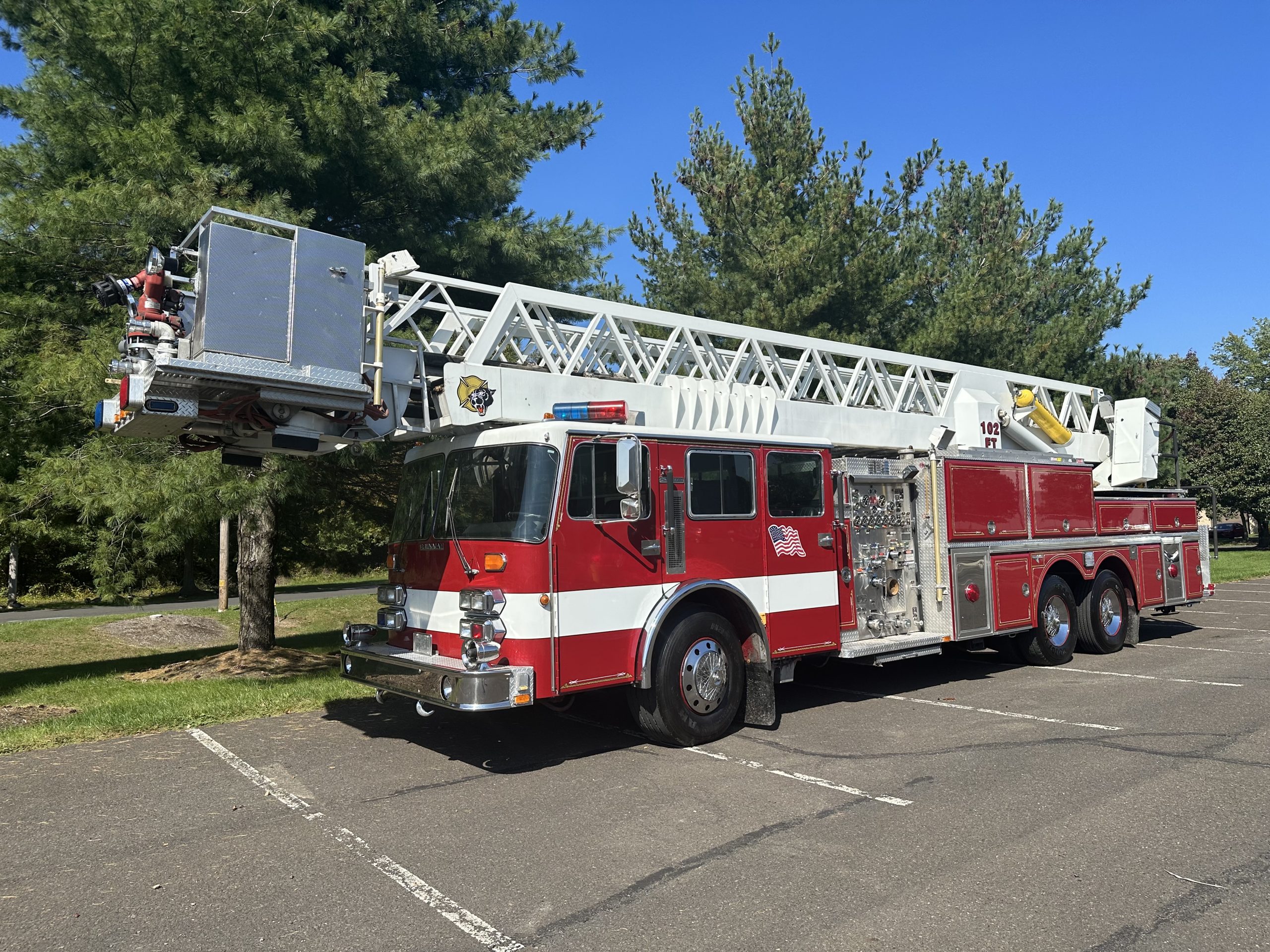
Understanding Aerial Fire Truck Types and Configurations
Before exploring specific models, it’s essential to recognize the different aerial apparatus categories available. Each type serves distinct operational purposes and carries unique advantages.
Telescopic Boom Trucks
These units feature straight-section booms that extend horizontally, offering impressive vertical reach. Modern telescopic models provide exceptional platform capacity, with some handling over 1,000 pounds at maximum extension. Their straightforward operation and minimal setup time make them ideal for rapid intervention scenarios.
Articulating Boom Trucks
Articulating knuckle-boom designs provide exceptional maneuverability around obstacles. With multiple pivot points, these apparatus can navigate over parapets and complex architectural features. The articulated design typically offers superior positioning flexibility in confined spaces where straight-line access isn’t possible.
Water Towers
Specialized water tower trucks combine elevated water delivery with platform functionality. These integrated systems deliver massive water volume from height while providing rescue capabilities. Major metropolitan departments frequently deploy them for high-rise firefighting operations where both elevation and water flow are critical.
Key Specifications to Evaluate
When comparing aerial fire trucks for sale, several technical factors demand careful assessment beyond basic reach measurements.
- Platform Capacity: Verify both static and dynamic load ratings across the entire operational range
- Horizontal Reach: Determine maximum horizontal extension at various elevation angles
- Rescue Height: Assess actual working height considering platform depth and safety factors
- Stabilization System: Examine outrigger configuration, deployment time, and minimum footprint requirements
- Construction Materials: Evaluate aluminum vs. steel construction trade-offs for weight and durability
Top Aerial Fire Truck Models Comparison
| Model | Maximum Height | Platform Capacity | Key Features | Ideal Applications |
|---|---|---|---|---|
| Pierce Ascendant 107′ | 107 feet | 750 lbs | All-steel construction, 5-section boom | Municipal departments, technical rescue |
| Rosenbauer AT 95′ | 95 feet | 1,000 lbs | All-weather operation, dual controls | Industrial firefighting, airport crash rescue |
| Smeal 75′ LCR | 75 feet | 500 lbs | Compact chassis, rapid deployment | Suburban departments, confined spaces |
| Chinese Truck Factory Aerial Platform | 82-105 feet | 660-880 lbs | Cost-effective, customizable configurations | Budget-conscious departments, industrial use |
Purchasing Considerations for Fire Departments
Acquiring an aerial apparatus represents a significant investment that should align with both immediate operational requirements and long-term service expectations.
New vs. Pre-Owned Apparatus
While new aerial fire trucks offer latest safety features and warranty protection, certified pre-owned apparatus can provide substantial cost savings. According to U.S. Fire Administration data, properly maintained aerial devices can remain in service for 20+ years, making older models viable options for departments with limited budgets.
Apparatus Testing and Certification
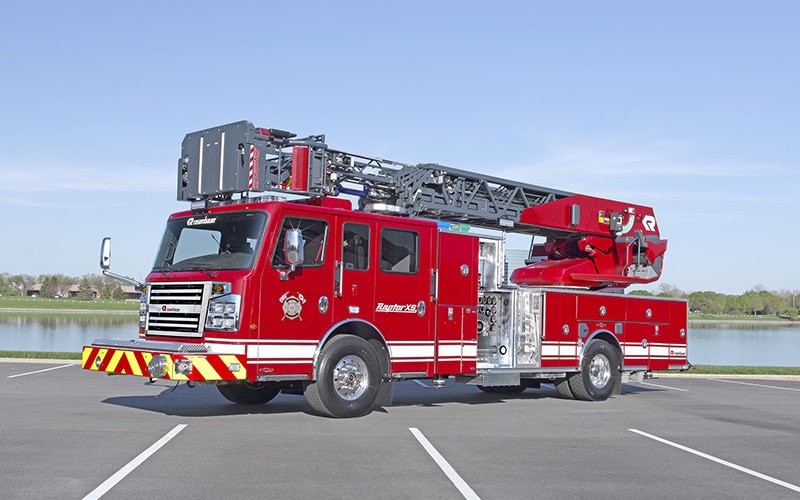
Always verify that any aerial device under consideration carries current NFPA 1911 certification and annual testing documentation. Reputable manufacturers like Chinese Truck Factory provide comprehensive testing records and compliance documentation for international markets.
Total Cost of Ownership Analysis
Beyond purchase price, evaluate long-term maintenance costs, parts availability, and training requirements. Industry data suggests maintenance represents 60-70% of total apparatus ownership costs over a 15-year service life.
Specialized Features for Modern Firefighting
Contemporary aerial platforms incorporate advanced technologies that significantly enhance operational capabilities and safety.
- Integrated Water Systems: Elevated master stream capabilities with flow rates exceeding 2,000 GPM
- Smart Load Management: Computer-controlled systems that automatically adjust capacity based on boom position and extension
- Collision Avoidance: Proximity sensors and automatic movement restriction near obstacles
- Diagnostic Systems: Onboard computers that monitor structural integrity and predict maintenance needs
International Procurement Considerations
Global sourcing of fire apparatus requires careful attention to regulatory compliance and operational compatibility.
Standards Compliance
Verify that imported aerial devices meet local safety standards, whether NFPA (North America), EN (Europe), or other regional requirements. Reputable international manufacturers design apparatus specifically for target markets rather than simply adapting domestic models.
Customization Options
Many departments require specific compartmentation, equipment mounting, or control system configurations. Manufacturers offering flexible customization, like Chinese Truck Factory, can tailor apparatus to precise operational requirements while maintaining compliance with relevant standards.
Logistics and Delivery
Factor in shipping timelines, import duties, and commissioning requirements when sourcing apparatus internationally. Established manufacturers maintain dedicated international divisions that manage these complexities seamlessly.
Financing and Budgeting Strategies
Creative financing approaches can make acquiring modern aerial apparatus feasible even for budget-constrained organizations.
According to International Association of Fire Chiefs data, many departments successfully utilize combination approaches including municipal bonds, federal grants, and multi-year leasing arrangements. The FIRE Act Grant Program has distributed over $7 billion in funding for apparatus acquisition since its inception.
Frequently Asked Questions
What’s the typical delivery timeline for a new aerial fire truck?
Custom-built aerial apparatus typically require 12-18 months from order to delivery, while standard configurations may ship in 6-9 months. Pre-owned units can often be delivered within 30-60 days after completing inspections and paperwork.
How often do aerial devices require testing and certification?
NFPA 1911 requires annual testing of all aerial devices, with more comprehensive 5-year structural evaluations. Many departments conduct operational tests quarterly or following any significant incident.
What training is required for aerial apparatus operators?
Operators need both classroom instruction and practical training, typically 40+ hours initially with regular refreshers. Many states require specific aerial operator certifications beyond standard driver/operator qualifications.
Can older aerial apparatus be modernized with new safety systems?
Many safety and control systems can be retrofitted to older apparatus, though structural modifications may be cost-prohibitive. Consult with qualified apparatus manufacturers for specific modernization recommendations.
What’s the typical service life for an aerial fire truck?
With proper maintenance and regular inspections, modern aerial apparatus typically remain in frontline service for 15-20 years, with many units continuing in reserve status for additional 5-10 years.
Final Recommendations
Selecting the right aerial fire truck involves balancing technical specifications, operational requirements, and budget constraints. Whether choosing a domestic manufacturer or exploring international options like Chinese Truck Factory, prioritize verified safety records, comprehensive support services, and long-term reliability. The ideal apparatus matches your specific response profile while providing growth capacity for future community development and emerging firefighting challenges.
Sources:
National Fire Protection Association
U.S. Fire Administration
International Association of Fire Chiefs