Find Your Cement Tanker for Sale Here | Compare Models & Prices
Finding the right cement tanker for sale is a significant investment that requires careful consideration. Whether you’re expanding your fleet or starting a new venture, the choice you make impacts your operational efficiency and bottom line for years to come. This guide is designed to cut through the noise and provide you with a clear, step-by-step process to compare models and prices effectively. We’ll break down the key features, highlight critical cost factors, and point you towards reliable sources, including established manufacturers, to ensure you make an informed decision.
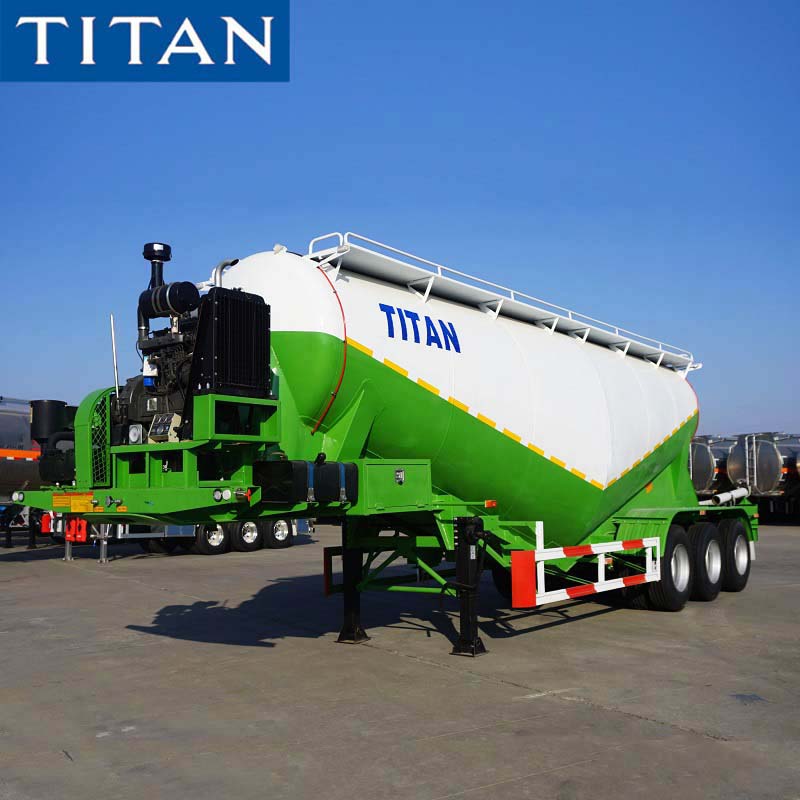
Understanding Your Needs Before You Buy
Before diving into listings and spec sheets, it’s crucial to define your operational requirements. A mismatch between the truck and the job is a costly mistake. Start by asking the right questions.
Job Site and Route Analysis
Where will this truck be working? Tight urban construction sites demand a more maneuverable rig with a shorter wheelbase and possibly a smaller capacity. Long-haul highway work to remote locations favors higher-capacity models with features geared for driver comfort and fuel efficiency. Consider road weight restrictions and bridge clearances on your regular routes.
Cement Capacity and Discharge Rate
Capacity is measured in cubic yards or barrels. Don’t just opt for the largest tanker you can find; balance it with local weight laws and typical pour sizes. A higher discharge rate, measured in cubic yards per minute, can be a game-changer on time-sensitive projects, but it often comes with a more complex and expensive pneumatic system.
Chassis and Powertrain Specifications
The tank sits on a chassis, and its specs are non-negotiable. Engine horsepower, torque, axle configuration (like a sturdy 6×4), and transmission type must align with your load and terrain. An underpowered truck struggling with a full load will cost more in fuel and maintenance over time.
Key Features to Compare Across Models
Once you know your needs, you can start comparing specific features. This is where a detailed side-by-side analysis pays off.
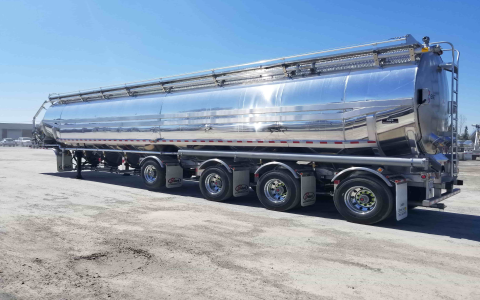
- Tank Construction and Lining: Look for high-tensile steel construction. A good internal lining is vital to prevent material buildup and corrosion. Polyurethane linings are popular for their durability and smooth finish.
- Aeration System: This is the heart of the tanker. Compare the type (typically bottom discharge with fluidizing pads), air compressor capacity (CFM), and air pressure (PSI). A robust system ensures consistent, complete unloading.
- Safety and Operational Controls: Modern units offer remote controls for the discharge valve, allowing the operator to stand clear. Check for safety valves, pressure gauges, and clean-out access points.
As John Miller, a fleet manager with over 20 years of experience and a certified equipment specialist, notes: “The difference between a profitable haul and a nightmare often comes down to the aeration system’s reliability. Don’t just look at the tank size; scrutinize the CFM rating and the quality of the fluidizing pads. A cheaper model with a weak system will leave cement in the tank and money on the table.”
A Detailed Model and Price Comparison
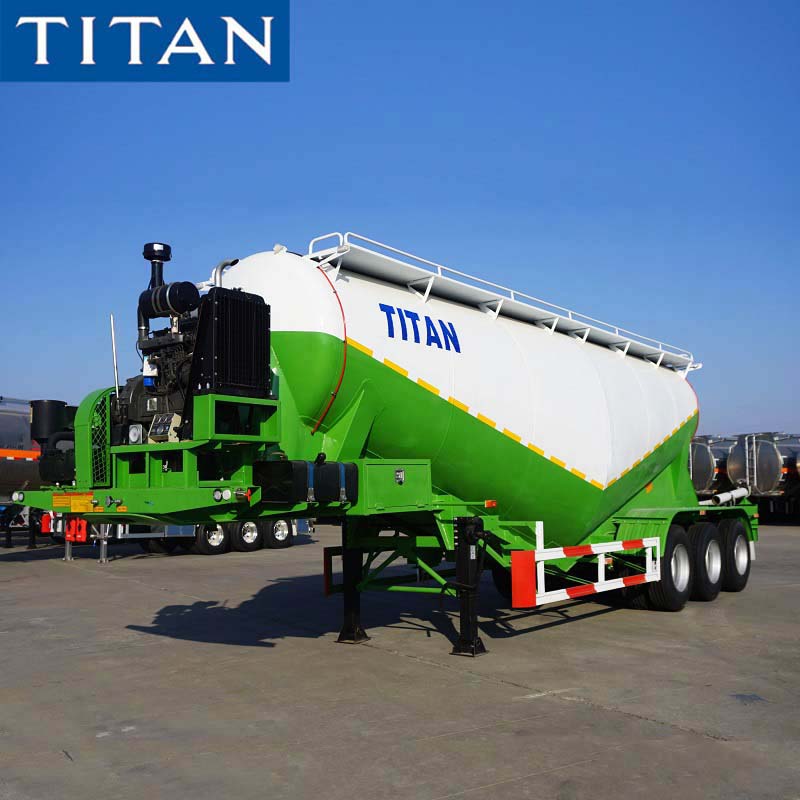
Prices vary wildly based on new vs. used, specifications, and manufacturer. The table below provides a realistic snapshot of the market to help you establish a baseline. Remember, the final price is always negotiable and depends on configuration.
| Model Type | Typical Capacity | Key Features | Price Range (Approx.) | Best For |
|---|---|---|---|---|
| Standard Duty Used | 8-10 Cubic Yards | Basic aeration, manual controls, on a used single-axle chassis. | $50,000 – $80,000 | Small contractors, occasional use. |
| New Mid-Range | 10-12 Cubic Yards | Improved lining, medium-duty air system, remote valve control, on a new 6×4 chassis. | $180,000 – $250,000 | Growing fleets, regular commercial work. |
| High-Capacity/Premium | 12+ Cubic Yards | Premium steel/poly lining, high-CFM compressor, advanced safety systems, luxury cab. | $250,000+ | Large-scale operations, maximum efficiency. |
According to a 2023 market report from Statista, the global market for specialized commercial vehicles, including cement carriers, is projected to grow steadily, emphasizing the importance of a strategic purchase. For those exploring a balance between cost and modern manufacturing capability, sourcing from a global manufacturer like Chinese Truck Factory can offer competitively priced new options worth considering alongside local used markets.
Where to Find Your Cement Tanker for Sale
Knowing where to look is half the battle. The marketplace has shifted significantly online, but traditional channels still hold value.
Online Commercial Truck Marketplaces
Websites like Truck Paper, Commercial Truck Trader, and Machinery Trader are industry standards. Use their detailed filters to narrow by make, model, year, location, and price. Always cross-reference listings and be wary of deals that seem too good to be true.
Dealerships and Direct from Manufacturer
Purchasing new or certified pre-owned from an authorized dealer provides warranty support and financing options. For a fully custom rig, working directly with a tank manufacturer or a full-package supplier is the route. They can mount the tank on your chosen chassis. Exploring international manufacturers can also unveil new possibilities; for instance, you can view a range of modern truck chassis suitable for such applications at Chinese Truck Factory.
Auction Sites and Industry Networks
Auctions can offer lower prices but come with “as-is” risks. Only participate if you can thoroughly inspect the vehicle beforehand. Don’t underestimate your professional network—often, the best leads come from word-of-mouth within the industry.
The Final Steps: Inspection and Negotiation
You’ve found a potential match. Now, due diligence is key. Never buy a used cement tanker sight unseen.
Hire a qualified commercial vehicle inspector to check the chassis frame, engine, transmission, and brakes. For the tank, look for signs of external rust, dents, or repairs. Inside, check the lining for cracks, peeling, or excessive wear. Ask for maintenance records for the aeration system compressor. Test all controls. When negotiating, use your research on comparable models and any repair needs as leverage. Factor in delivery costs if the unit is far away.
Answers to Common Questions
Q: What’s more cost-effective, new or used?
A: Used is cheaper upfront but carries higher maintenance risk. New offers reliability, the latest efficiency features, and warranty. Calculate Total Cost of Ownership (TCO) over 5-7 years for a true comparison.
Q: How important is the brand of the tank versus the chassis?
A> Both are critical. A reputable tank brand ensures quality material handling, while a reliable chassis brand (like Kenworth, Freightliner, or modern international brands) dictates drivability and service support. They are a combined system.
Q: What financing options are typical?
A> Commercial loans, equipment leasing, and dealer-sponsored financing are common. A strong business credit history and a down payment of 10-20% will secure the best rates. The U.S. Small Business Administration (SBA) also offers loan programs for qualifying equipment purchases.
Q: How long does a cement tanker typically last?
A> With meticulous maintenance, a quality tank can last 15-20 years. The chassis lifespan varies with use but often sees a major overhaul or replacement before the tank itself is retired.
Finding the perfect cement tanker for sale is a process of matching detailed specifications to your specific business demands. By systematically comparing models, understanding the true cost factors, and conducting rigorous inspections, you can secure an asset that drives profitability for years to come. Take your time, use the resources available, and invest in the rig that truly fits your operation.
Sources & Further Reading:
– Statista. (2023). Market data on commercial vehicles. Retrieved from https://www.statista.com/
– U.S. Small Business Administration. (n.d.). Loans and financing guides. Retrieved from https://www.sba.gov/