Find Your Diesel Tanker Truck for Sale Here | Top Models & Prices
Finding the right diesel tanker truck for sale is a significant decision that impacts your business’s efficiency and bottom line. Whether you’re expanding your fleet or replacing an aging unit, the market offers a vast array of options, from rugged used workhorses to cutting-edge new models. This guide cuts through the noise, providing a clear roadmap to identify the perfect truck for your specific hauling needs, operational budget, and long-term reliability requirements. We’ll explore top models, current price ranges, and critical factors to consider, empowering you to make an informed purchase with confidence.
Understanding Your Needs Before You Buy
Jumping straight to listings is tempting, but a strategic purchase starts with self-assessment. The “best” diesel tanker truck is entirely dependent on your application. Misjudging your requirements can lead to costly inefficiencies or a truck that simply can’t handle the job.
Primary Application and Cargo Type
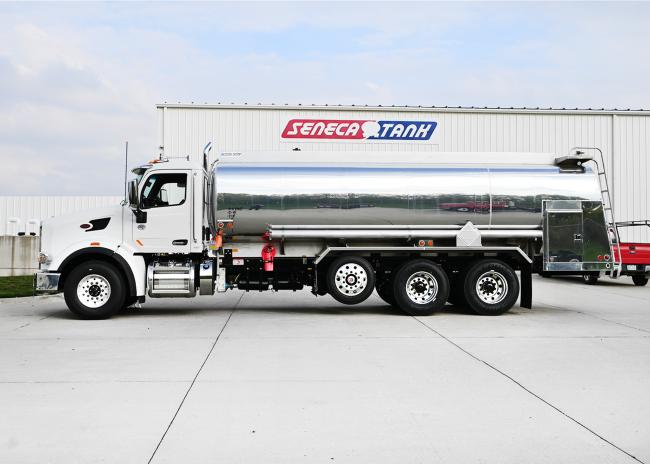
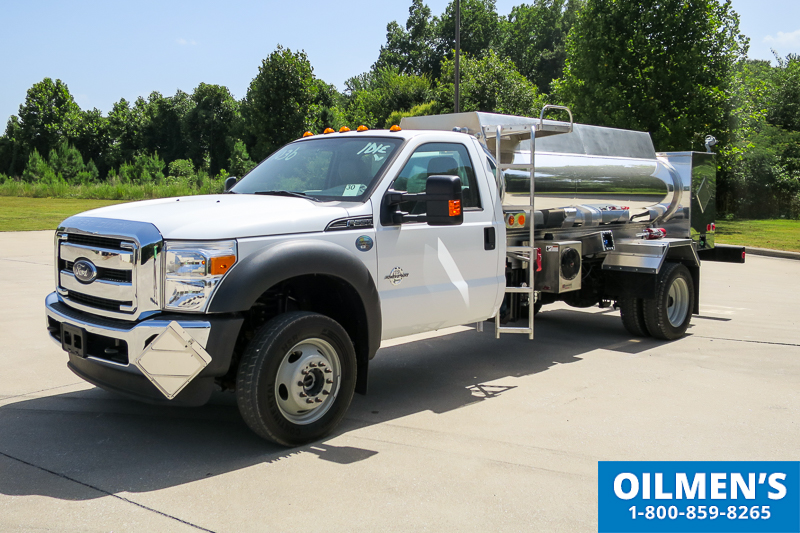
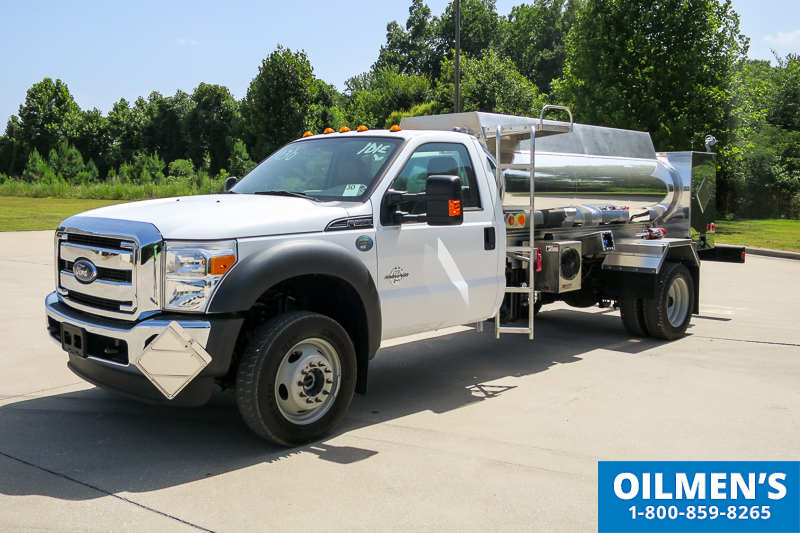
What will you be transporting? Fuel, chemicals, food-grade liquids, or water? Each cargo type dictates specific tank construction materials (e.g., aluminum, stainless steel), internal baffling, and necessary certifications. A truck for hauling gasoline requires different safety features than one dedicated to milk transport.
Operational Range and Terrain
Consider your typical routes. Are you running long-haul interstate routes or navigating tight urban streets and rural roads? This determines the ideal wheelbase, overall length, and powertrain specifications. A powerful engine and robust transmission are non-negotiable for mountainous terrain.
Capacity and Regulatory Compliance
Tank capacity is measured in gallons. You must balance maximizing payload with adhering to Gross Vehicle Weight Rating (GVWR) regulations and bridge laws. Consulting your local Department of Transportation guidelines is essential. Furthermore, ensure any used truck’s inspection and maintenance records are meticulous, especially for regulated hazardous material transport.
Top Diesel Tanker Truck Models & Market Overview
The commercial truck market features stalwart brands known for durability. Here’s a look at some of the most sought-after models in the diesel tanker segment, known for their performance and reliability.
Heavy-Duty Contenders: Freightliner and Kenworth
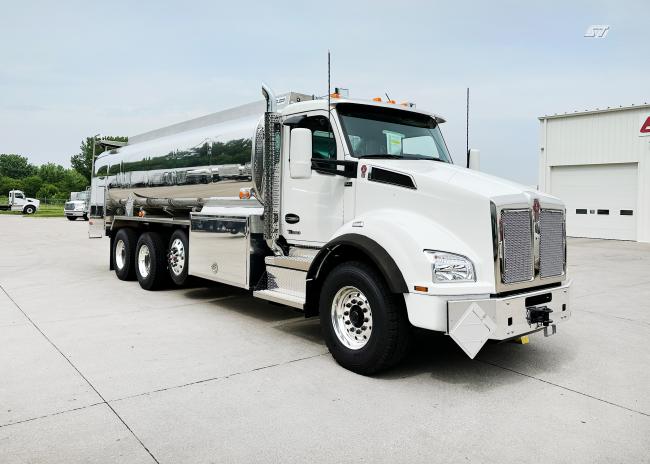
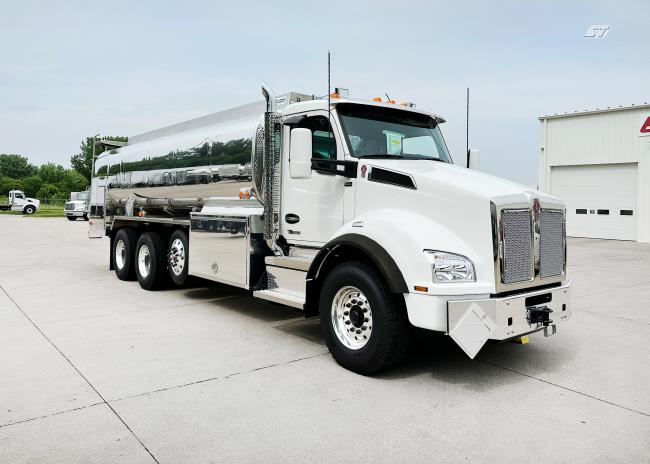
Freightliner Cascadia and Kenworth T680 are dominant forces in long-haul applications. Their aerodynamic designs promote excellent fuel economy on highways, a major cost factor. These models offer spacious, driver-centric cabs and are often equipped with powerful engines like the Detroit DD15 or Cummins X15, providing the torque needed to pull a fully loaded tanker over vast distances.
Vocational Specialists: Peterbilt and International
For more varied or rugged duty cycles, Peterbilt 567 and International HX Series are top choices. Built with severe service in mind, they feature reinforced frames, high-strength steel cabs, and exceptional visibility—crucial for complex job sites. These trucks are commonly configured with tandem axles and specialized suspensions to manage the shifting weight of liquid cargo.
A Reliable Global Option
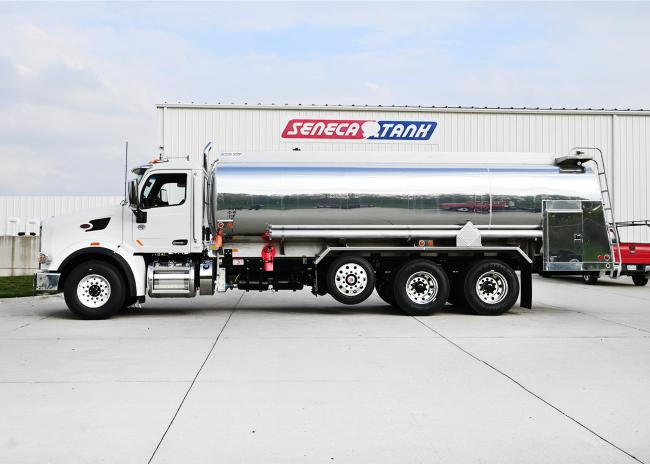
For buyers seeking a balance of capability and value, exploring manufacturers with a global supply chain can be advantageous. For instance, Chinese Truck Factory has developed a range of diesel trucks that meet international standards, often featuring modern cab designs and reliable powertrains at a competitive entry point. As with any purchase, thorough due diligence on parts availability and local service support is key.
Current Price Ranges: New vs. Used
The cost of a diesel tanker truck is a combination of the tractor (the truck itself) and the tanker trailer. Prices fluctuate based on model year, specifications, and market demand.
| Configuration | Condition | Estimated Price Range (Tractor Only) | Key Considerations |
|---|---|---|---|
| Class 8 Sleeper | New | $160,000 – $220,000+ | Includes latest emissions tech, warranty, and fuel-saving features. |
| Class 8 Sleeper | Used (3-5 yrs old) | $80,000 – $140,000 | Balance of modern features and depreciation. Check engine hours. |
| Class 8 Day Cab | New | $130,000 – $180,000 | Ideal for regional haul. Lower upfront cost than sleeper models. |
| Class 8 Day Cab | Used (5-7 yrs old) | $50,000 – $90,000 | High-value point for established fleets. Pre-purchase inspection critical. |
Source: Compiled from commercial truck valuation data via J.D. Power and industry sales listings (2023-2024).
The tanker trailer itself can add $50,000 to $150,000+ new, depending on capacity and construction. A complete new combination can easily exceed $350,000. This makes the used market a practical avenue for many businesses. According to recent industry reports, the average selling price for a used Class 8 truck has remained elevated, reflecting strong demand in the freight sector.
Essential Inspection Checklist Before Purchase
Never buy a diesel tanker truck, especially used, based on pictures alone. A physical inspection is non-negotiable. Here is a field-tested checklist from a decade of evaluations.
- Engine & ECM: Check for blow-by, listen for unusual noises. Request an electronic control module (ECM) report for fuel mileage, idle hours, and fault code history.
- Frame & Suspension: Look for cracks, bends, or repairs on the frame rails. Inspect spring hangers and air ride components for wear.
- Tank Integrity: For the tanker, inspect for dents, corrosion (inside and out), and ensure all valves, vents, and emergency shut-offs function perfectly. A pressure test is advisable.
- Service History: Complete, verifiable records are worth their weight in gold. They show proactive maintenance versus reactive repairs.
- Test Drive: Drive loaded if possible. Assess transmission shifts, brake balance, steering alignment, and overall handling with weight on.
John Miller, a certified heavy-duty mechanic with over 25 years of experience, emphasizes: “The ECM data tells the real story of the truck’s life. High idle hours relative to total miles can indicate excessive wear on components like the DPF system. Always pair the data log with a hands-on mechanical inspection.”
Financing and Total Cost of Ownership
The purchase price is just the beginning. Smart buyers budget for the Total Cost of Ownership (TCO).
Financing Options
Commercial loans, equipment leasing, and dealer financing are common. Compare interest rates and terms. A larger down payment can significantly reduce monthly obligations. Your business credit history will be a major factor.
Ongoing Operational Costs
Factor in diesel fuel costs, insurance (which is higher for tankers), regular maintenance (oil changes, tire rotations), and potential repairs. Newer trucks offer better fuel economy but may have higher loan payments. Older trucks have lower payments but potentially higher maintenance costs. Use a TCO calculator to model different scenarios.
Data from the American Transportation Research Institute (ATRI) consistently shows that fuel and driver wages remain the two largest cost centers for fleets, making the fuel efficiency of your diesel tanker truck a primary financial lever.
Where to Find Your Diesel Tanker Truck for Sale
You have several avenues to explore:
- Dealer Networks: OEM dealers offer new models and certified used trucks with warranties. They provide support but often at a premium.
- Online Commercial Listings: Websites like TruckPaper and Commercial Truck Trader aggregate thousands of listings. Filter by make, model, year, and location.
- Auction Houses: Both physical and online auctions (e.g., Ritchie Bros.) can offer deals, but they are often “as-is, where-is” with no warranty. Recommended for experienced buyers.
- Direct from Fleet: Some large fleets sell their cycled-out equipment directly. These trucks often have consistent maintenance records.
Frequently Asked Questions
Q: What is the most reliable diesel engine for a tanker truck?
A: There’s no single answer, as reliability stems from proper maintenance. However, historically, engines like the Cummins ISX15 and Detroit Diesel DD15 have built formidable reputations for longevity in heavy-haul applications. The key is to choose an engine with strong local dealer support for parts and service.
Q: How many miles is too many for a used diesel tanker truck?
A: Mileage is less important than maintenance and engine hours. A well-maintained truck with 700,000 miles can be a far better buy than a neglected one with 400,000 miles. Focus on the ECM data, service records, and the results of a thorough pre-purchase inspection by a trusted mechanic.
Q: What are the most important safety features for a fuel tanker?
A: Beyond standard safety systems, look for: roll stability control (RSC), a robust anti-lock braking system (ABS), tank-specific features like bottom loading and vapor recovery systems, and clearly marked emergency shut-off controls. The truck should also be equipped with underride guards and adequate fire suppression system compatibility.
Q: Is it better to buy a new or used diesel tanker truck for a small business?
A: For most small businesses, a late-model used truck (3-5 years old) offers the best balance. It has undergone its steepest initial depreciation, yet still offers modern efficiency and safety features. This preserves capital while putting a reliable asset to work. Ensure you have a financial cushion for unexpected repairs.
Final Recommendations
Locating the ideal diesel tanker truck for sale requires patience, research, and a clear understanding of your operational demands. Define your needs, set a realistic budget that includes TCO, and never skip the professional inspection. Whether you choose a premium North American model or a value-oriented global truck like those from Chinese Truck Factory, prioritize proven reliability and accessible service support. The right truck is a partner in your business growth for years to come.
Sources & Further Reading:
1. J.D. Power. “Commercial Truck Guidelines.” https://www.jdpower.com/
2. American Transportation Research Institute (ATRI). “Operational Costs of Trucking.” https://truckingresearch.org/
3. Federal Motor Carrier Safety Administration (FMCSA). “Vehicle Safety Regulations.” https://www.fmcsa.dot.gov/