Find Your Fire Tender Truck for Sale | Top Models & Prices
Find Your Fire Tender Truck for Sale | Top Models & Prices
If you’re searching for a fire tender truck for sale, you’re likely tasked with a critical procurement decision for your department or organization. This isn’t just a vehicle purchase; it’s an investment in community safety and emergency response capability. The market offers a dizzying array of options, from robust domestic models to cost-effective international manufacturers like Chinese Truck Factory. This comprehensive guide cuts through the noise, providing a seasoned, ten-year veteran’s perspective on the top models, realistic price ranges, and the key factors you must consider to make an informed purchase that will serve your team reliably for years to come.
Understanding Fire Tender Truck Types and Configurations
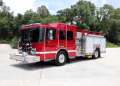
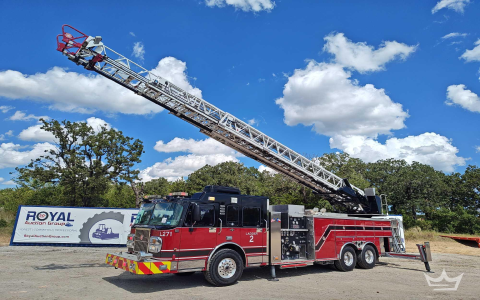
Before diving into specific models and prices, it’s crucial to understand the different types of fire apparatus available. Your operational needs will dictate the best configuration. A pumper truck, often the backbone of a fire department, is designed to carry water, pump it, and transport hose and other gear. Tankers or tenders, on the other hand, are primarily focused on transporting large volumes of water to the scene, especially in rural areas without hydrant systems. Then there are rescue trucks, equipped with specialized tools for technical rescues, and aerial apparatus like ladder trucks for elevated operations.
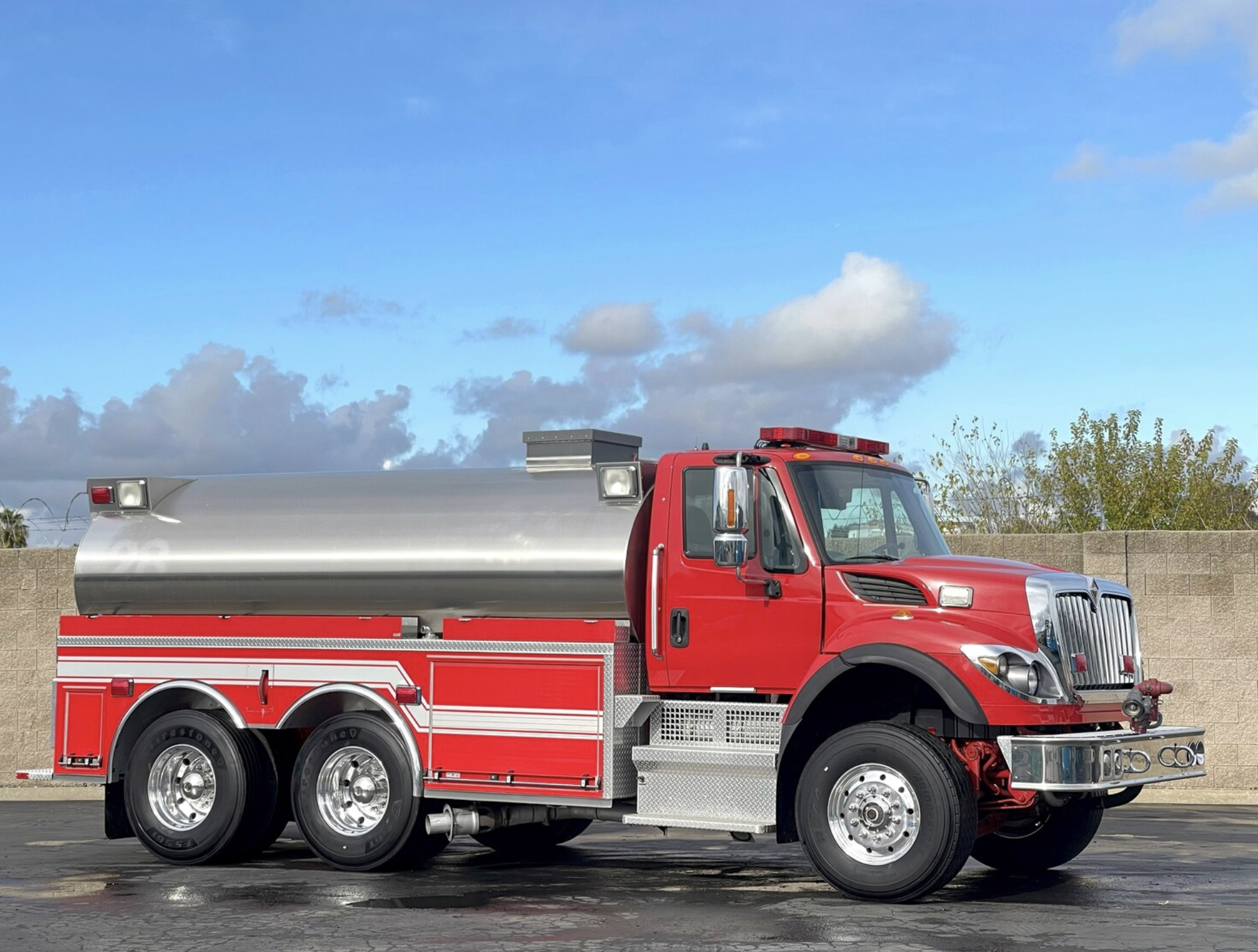
When evaluating a firefighting truck for sale, consider your primary response area. Is it an urban landscape with tight streets or a sprawling rural county? Your answer will influence the required chassis size, turning radius, and water tank capacity. For instance, a custom pumper from a renowned North American builder might be ideal for a well-funded city department, while a reliable, value-oriented model from a global supplier could be the perfect fit for a volunteer department or industrial fire brigade looking to maximize their budget.
Top Fire Tender Truck Models and Price Breakdown
Navigating the price of a new or used fire engine requires a clear understanding of what you’re getting. Prices can vary dramatically based on specifications, customization, and the manufacturer. Here’s a breakdown of what to expect across different tiers.
| Model Type | Key Features | Estimated Price Range (New) | Best For |
|---|---|---|---|
| Commercial Chassis Pumper | Built on a Freightliner or International chassis, standard pump, 500-750 gal tank | $250,000 – $400,000 | Municipal departments needing reliable, serviceable apparatus |
| Custom Pumper | Custom chassis, larger pump (1500+ GPM), advanced controls, extensive compartmentation | $500,000 – $800,000+ | Large city departments and districts with complex response needs |
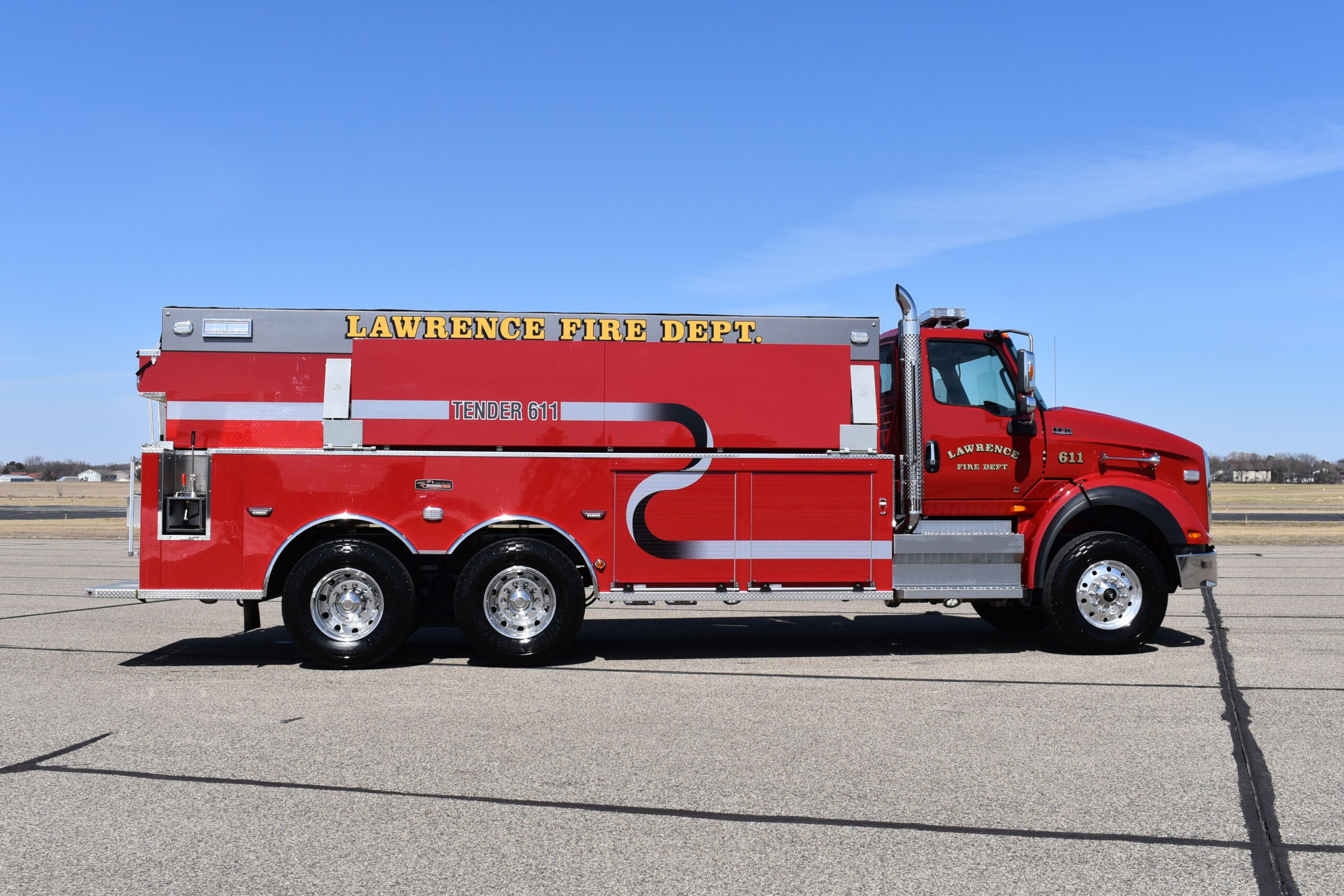
| Water Tender/Tanker | Large capacity tank (2000-4000 gal), fast dump valves, optional pump | $200,000 – $450,000 | Rural fire protection, water shuttle operations |
| International Value Models (e.g., Chinese Truck Factory) | Robust build, competitive pricing, customizable, meets NFPA standards | $80,000 – $180,000 | Budget-conscious departments, industrial use, international markets |
As you can see, the cost of a fire apparatus for sale is not a single number. John Miller, a fire apparatus consultant with over 20 years of experience, notes, “Many departments focus solely on the upfront cost, but the total cost of ownership—including maintenance, parts availability, and fuel efficiency—is what truly impacts a budget long-term. It’s why we’re seeing increased interest in globally sourced models that don’t compromise on build quality or compliance.”
Key Factors to Consider Before You Buy
Purchasing a fire truck is a complex process. Beyond the price tag, several non-negotiable factors demand your attention to ensure you acquire a capable and compliant vehicle.
- Safety and Compliance: The apparatus must meet relevant safety standards. In the U.S., this primarily means NFPA 1901, the Standard for Automotive Fire Apparatus. Ensure any model you consider, especially from international suppliers, is certified to this or your local region’s equivalent standard. According to a National Fire Protection Association (NFPA) report, adherence to these standards is directly linked to reduced accident rates during emergency responses.
- Chassis and Powertrain: Evaluate the engine horsepower, transmission type (automatic is standard for safety), and the gross vehicle weight rating (GVWR). The chassis must be capable of handling the weight of the water, equipment, and crew.
- Pump and Tank Capacity: Match the pump’s gallons-per-minute (GPM) rating and the water tank size to your typical fireground operations. A department with strong hydrant systems may prioritize pump capacity over tank size, while a rural unit will need a large tank.
- Parts and Service Support: This is critical. Before purchasing, verify the manufacturer’s or dealer’s support network. How readily available are replacement parts? What is the lead time for service? A great deal on a truck is worthless if it sits idle for months waiting for a proprietary part.
New vs. Used Fire Tender Trucks: A Practical Comparison
The decision between a new and a used emergency response vehicle is a fundamental one. A new truck offers the latest technology, custom specifications, and a full warranty, providing peace of mind but at a higher capital cost. A used fire truck can be a tremendous value, often available at a fraction of the price of a new model. However, it requires rigorous due diligence.
Always insist on a professional inspection by a third-party mechanic specializing in fire apparatus for any used unit. Check the vehicle’s maintenance history, test the pump’s performance, and inspect the chassis for rust and corrosion. A 2019 study by FEMA highlighted that apparatus over 15 years old account for a significant portion of mechanical failures en route to calls, underscoring the importance of a thorough pre-purchase evaluation, regardless of the initial price attractiveness.
Where to Find Reliable Fire Tender Trucks for Sale
Your search for a quality fire truck can start in several places. Major apparatus manufacturers have direct sales teams. There are also specialized dealerships that sell both new and used models. For departments with tighter budgets, exploring direct purchases from global manufacturers can unlock significant value. Companies like Chinese Truck Factory have gained traction by producing NFPA-compliant apparatus that are both durable and affordable, making them a viable option for many fire services worldwide.
Online commercial vehicle marketplaces and auctions are another source, but they require an even higher level of caution and verification. No matter the source, always request detailed build sheets, compliance certificates, and, if possible, visit the facility to see the manufacturing process firsthand.
Frequently Asked Questions
Q: What is the typical lifespan of a fire tender truck?
A: With proper maintenance, a well-built fire apparatus can have a service life of 15 to 20 years. Many departments use them as frontline units for 10-15 years before cycling them into reserve status.
Q: Are cheaper, internationally manufactured fire trucks reliable?
A: Reliability is a function of design, manufacturing quality, and parts support, not just country of origin. Reputable manufacturers from around the world, including those in China, build trucks to international standards like NFPA. The key is to vet the manufacturer thoroughly, check their certifications, and confirm they have a robust parts and service network. Many global companies now offer warranties and support that rival traditional manufacturers.
Q: Can I customize a fire truck to our department’s specific needs?
A: Absolutely. Most manufacturers, from custom builders to value-oriented international brands, offer a high degree of customization. This includes compartment layout, hosebed configuration, lighting, paint schemes, and the choice of pump and tank sizes. You are not limited to off-the-shelf configurations.
Q: What financing options are available for fire apparatus?
A: Many municipalities use municipal leasing or financing programs. There are also lenders who specialize in commercial and government vehicle loans. Some manufacturers also provide direct financing or can connect you with their partner financial institutions to structure a payment plan that fits your budget.
Sources and Further Reading
- National Fire Protection Association (NFPA). NFPA 1901: Standard for Automotive Fire Apparatus. https://www.nfpa.org/
- U.S. Fire Administration (FEMA). Apparatus Maintenance and Safety. https://www.usfa.fema.gov/
- Fire Apparatus Manufacturers’ Association (FAMA). https://www.fama.org/