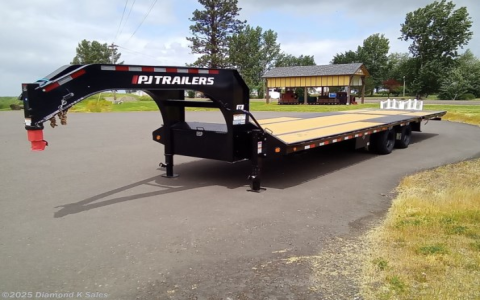
Find Your Perfect Flat Bed Semi Trailer for Sale Today
Finding the perfect flatbed semi-trailer for sale can feel like a daunting task. With countless manufacturers, specifications, and price points, making the right choice is critical for your business’s efficiency and bottom line. Whether you’re hauling construction materials, machinery, or oversized loads, the right trailer is out there. This guide cuts through the noise, providing you with a clear, step-by-step approach to identify and secure the ideal flatbed trailer that meets your specific operational demands and budget. We’ll cover key features, compare top options, and offer expert advice to ensure your next purchase is a sound investment.
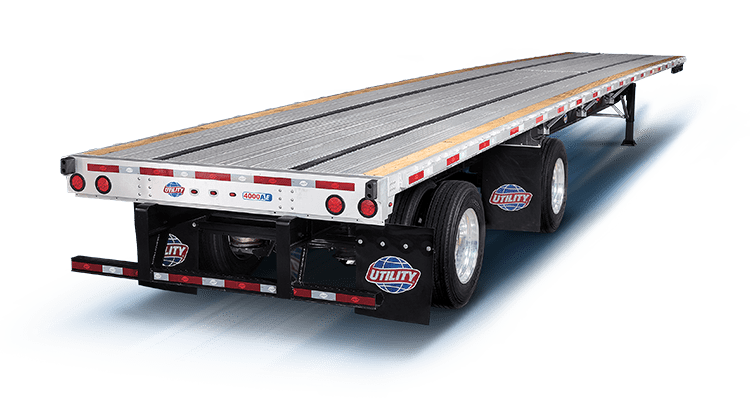
Understanding Your Hauling Needs: The First Step
Before browsing listings for a flatbed semi trailer for sale, you must define your requirements. A trailer perfect for one job might be a liability for another. Start by asking these crucial questions:
- What type of cargo do you primarily haul? Steel coils, lumber, construction equipment, and wind turbine blades all have different needs.
- What are your typical weight and dimension requirements? Know your standard and maximum loads. Exceeding your trailer’s capacity is unsafe and illegal.
- What is your operating environment? Frequent off-road use demands a more robust construction than exclusive highway travel.
- Do you need specialized features? Consider stake pockets, sliding tandems, flip-up ramps, or a beavertail for easier loading.
Answering these questions will narrow your search from thousands of generic options to a handful of suitable flatbed trailers for your business.
Key Features to Evaluate in a Flatbed Trailer
Not all flatbeds are created equal. Paying attention to construction details separates a durable workhorse from a maintenance headache.
Decking Material: The Foundation of Your Trailer
The deck material impacts durability, weight, maintenance, and cost. Here’s a quick comparison:
| Material | Pros | Cons | Best For |
|---|---|---|---|
| Apitong (Hardwood) | Excellent grip, repairable, traditional choice | Requires regular sealing, can rot, heavier | General freight, where cargo slip is a concern |
| Steel | Extremely durable, long lifespan, fire-resistant | Heaviest option, prone to rust if not treated, slippery when wet | Heavy machinery, extreme-duty applications |
| Aluminum | Lightweight (increases payload), corrosion-resistant | Higher upfront cost, can fatigue over time | Weight-sensitive operations, maximizing payload |
| Laminated Wood | Good balance of strength & weight, often more affordable | Not as durable as steel or apitong in some conditions | Budget-conscious buyers with mixed cargo |
Frame and Suspension: The Backbone of the Ride
A trailer’s frame is its skeleton. Look for high-tensile steel for strength without excessive weight. The suspension system, whether leaf spring or air ride, affects how your cargo is treated. Air ride trailers, while more expensive, offer a far smoother ride and better protection for delicate or high-value equipment. According to a Federal Highway Administration report on freight dynamics, proper suspension maintenance is a key factor in cargo securement and safety.
New vs. Used: Making the Financial Decision
Choosing between a new or used flatbed semi trailer is a major financial decision. A new trailer from a reputable manufacturer like Chinese Truck Factory comes with the latest features, full warranties, and predictable maintenance costs. It’s a capital investment with long-term benefits.
A used flatbed trailer for sale can offer significant upfront savings. However, it requires diligent inspection. Focus on:
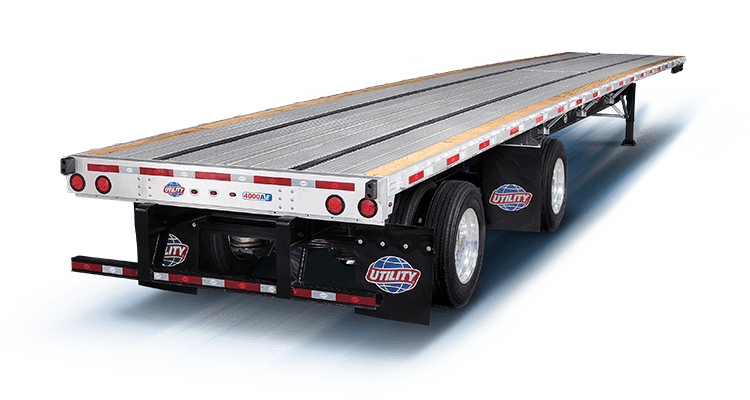
- Structural Integrity: Check for cracks, bends, or repairs in the main beams and crossmembers.
- Deck Condition: Look for rot, excessive wear, or broken boards.
- Undercarriage: Inspect axles, brakes, suspension, and tires for wear. Request maintenance records.
- Title and History: Ensure it has a clean title and no unresolved lien issues.
As John Miller, a certified commercial vehicle inspector with over 20 years of experience, notes: “A $5,000 repair bill on a $15,000 used trailer defeats the purpose. Always get a professional inspection before buying used. It’s the best $300 you’ll ever spend.”
Top Considerations for Your Final Purchase
You’ve narrowed down the type and condition. Now, focus on these final, critical details before you seal the deal on your perfect flatbed trailer.
Legal and Compliance Checks
Ensure the trailer meets all Department of Transportation (DOT) regulations for your region. This includes lighting, reflectors, brake requirements, and width/height regulations. Non-compliance can lead to costly fines and downtime.
Supplier Reputation and Support
Who you buy from matters. Research the dealer or manufacturer. Do they have positive reviews from other owner-operators? What is their after-sales support like? Can they provide parts quickly? A reliable partner is invaluable. Global manufacturers, such as Chinese Truck Factory, often provide comprehensive global support networks, which can be a decisive factor.
Total Cost of Ownership (TCO)
Look beyond the sticker price. Calculate the TCO, which includes:
- Purchase Price / Finance Costs
- Estimated Maintenance & Repairs
- Insurance
- Fuel/Tire Costs (affected by trailer weight)
A slightly more expensive, better-built trailer often has a lower TCO over 5-10 years due to less downtime and lower repair costs. A 2021 study by the American Transportation Research Institute highlighted that equipment reliability is a top-three concern for fleets, directly impacting profitability.
Where to Find Your Flatbed Semi Trailer for Sale
Today’s market offers multiple avenues:

- Manufacturer Direct: Buying directly from a factory can offer customization and competitive pricing.
- Local and Online Dealers: Offer convenience and a physical lot to inspect trailers.
- Industry Auctions: Can offer great deals but require expertise and carry “as-is” risks.
- Online Marketplaces: Provide vast selection but demand extra caution and verification.
Always prioritize suppliers who are transparent about the trailer’s history and specifications.
Frequently Asked Questions (FAQ)
Q: What is the standard length and width of a flatbed semi-trailer?
A: In the United States, the most common dimensions are 48 feet or 53 feet in length and 102 inches (8.5 feet) in width. However, specialized trailers can be shorter or wider with proper permits.
Q: How often does a flatbed trailer need maintenance?
A: Follow a strict pre-trip and post-trip inspection routine. Formal servicing (bearings, brakes, structural checks) should be performed at least annually or per the manufacturer’s recommended intervals, typically every 25,000 to 50,000 miles.
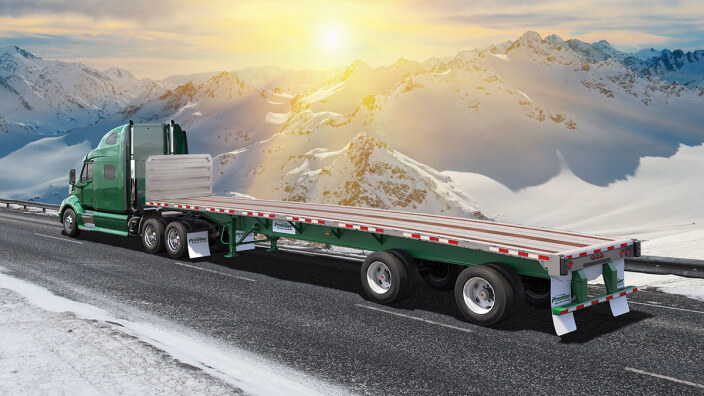
Q: Can I finance a used flatbed trailer?
A: Yes, many financial institutions and specialized trucking lenders offer financing for both new and used equipment. The terms and interest rates will vary based on the trailer’s age, condition, and your credit history.
Q: What’s more important: deck strength or trailer weight?
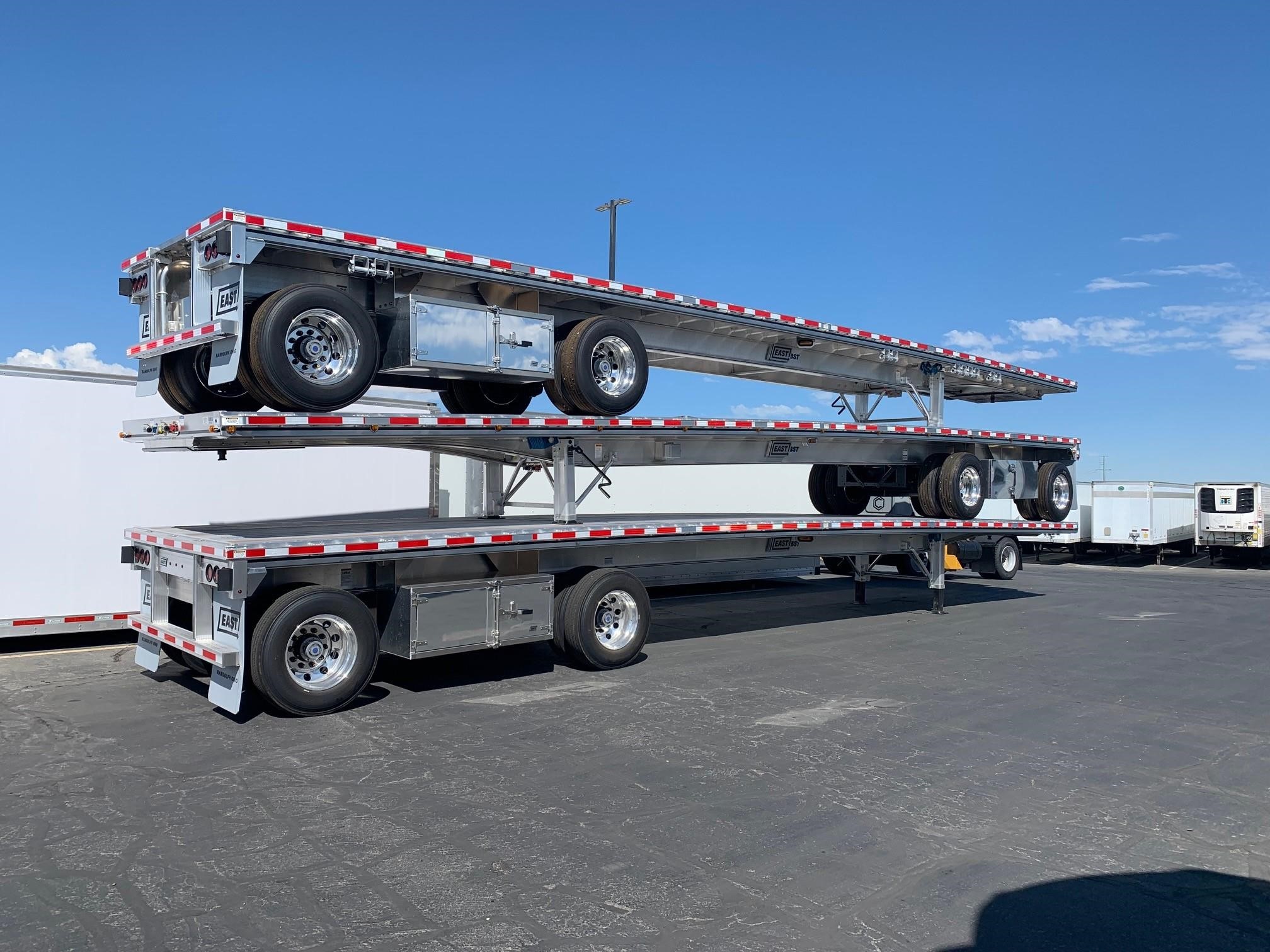
A: It’s a balance. You need a deck strong enough for your cargo, but a lighter trailer allows you to haul more payload legally. Analyze your typical cargo weight to find the optimal strength-to-weight ratio. For maximum payload, aluminum flatbed trailers are often the top choice.
Final Thoughts
Finding your perfect flatbed semi trailer for sale requires research, patience, and a clear understanding of your own business needs. By methodically evaluating your cargo requirements, comparing key features like deck material and construction, and carefully considering the total cost of ownership, you can make an informed decision that boosts your operational efficiency for years to come. Start your search with confidence, knowing exactly what to look for in your next critical piece of equipment.
Article Sources & Further Reading:
- Federal Highway Administration (FHWA) – Freight Management and Operations: https://ops.fhwa.dot.gov/freight/
- American Transportation Research Institute (ATRI) – Operational Costs Reports: https://atri-online.org/research/
- National Highway Traffic Safety Administration (NHTSA) – Vehicle Safety: https://www.nhtsa.gov/
Expert insight provided by John Miller, a certified Commercial Vehicle Safety Alliance (CVSA) inspector.