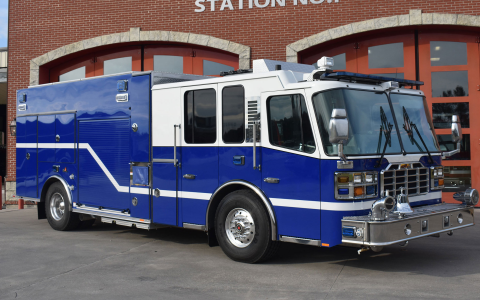
Fire Truck Manufacturer Professional Firefighting Units
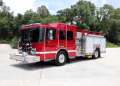
When lives and property are on the line, the choice of a fire truck manufacturer becomes one of the most critical decisions a fire department will ever make. It’s not merely about purchasing a vehicle; it’s about investing in a professional firefighting unit—a mobile command center, a water-pumping powerhouse, and a life-saving tool all rolled into one. The right manufacturer builds more than just trucks; they build reliable partners for first responders. This deep dive goes beyond glossy brochures to explore what truly separates the industry leaders, focusing on the engineering, customization, and support that define a top-tier professional firefighting apparatus. We’ll examine key considerations, from chassis and pump capabilities to safety innovations and long-term serviceability, providing a clear framework for departments evaluating their next major investment.
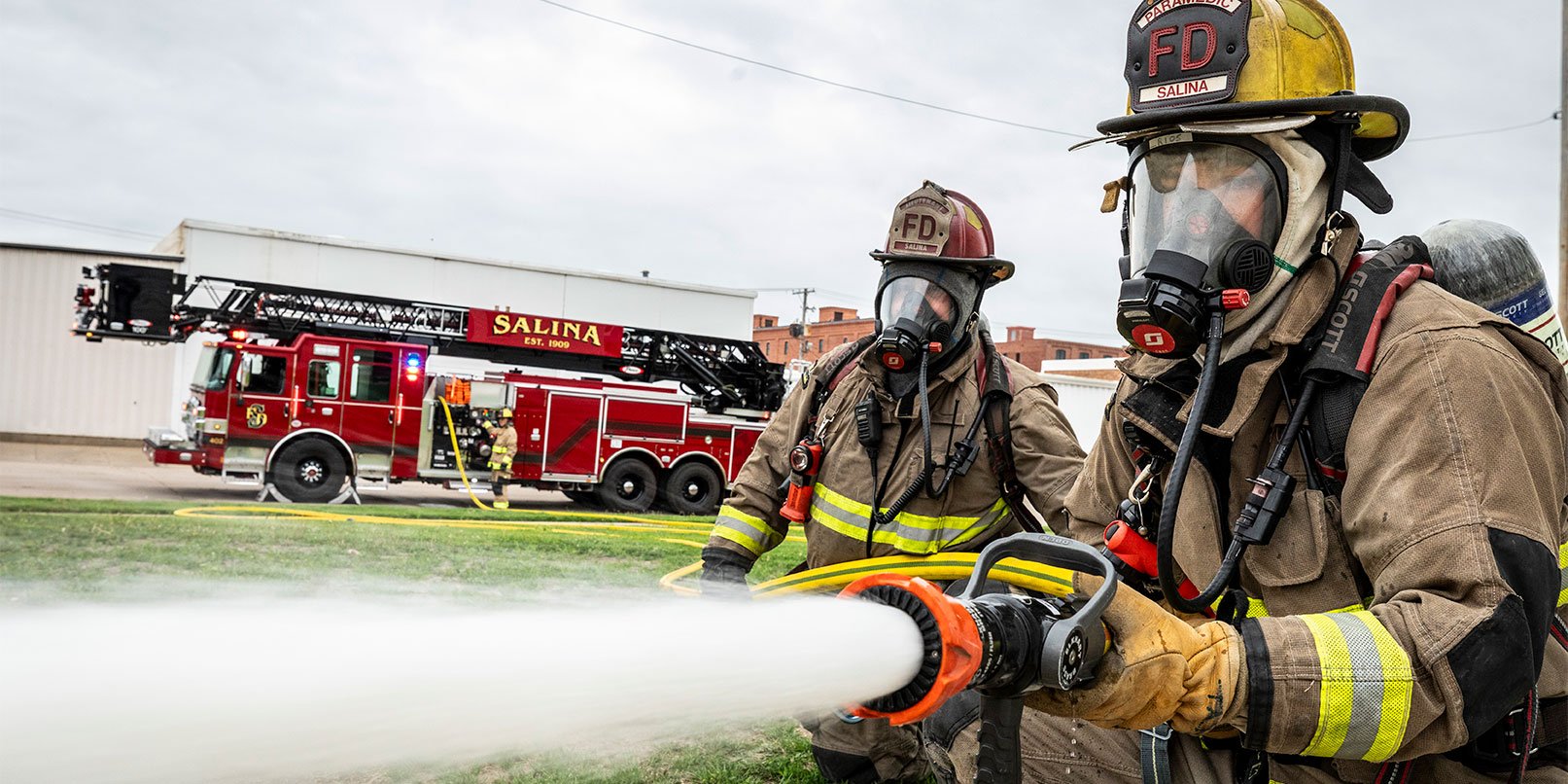
Engineering the Backbone: Chassis and Powertrain Fundamentals
The foundation of any exceptional fire apparatus is its chassis and powertrain. This is what gets the crew and equipment to the scene, reliably and safely, under demanding conditions. Two primary configurations dominate the market: custom commercial chassis and proprietary manufacturer-designed chassis.
Commercial vs. Proprietary Chassis: A Critical Choice
Many reputable fire truck builders start with a commercial chassis from brands like Freightliner, Kenworth, or International. These offer proven reliability, widespread service networks, and often a lower initial cost. They are an excellent choice for standard pumpers and rescue units. On the other hand, manufacturers like Pierce and Rosenbauer often employ their own custom-designed, heavy-duty chassis. These are engineered from the ground up for fire service, typically offering greater compartment space, optimized weight distribution, and higher-grade construction materials. The choice hinges on a department’s specific operational needs and budget lifecycle analysis.
Powertrain and Performance Specifications
Under the hood, diesel engines remain the standard for their torque and durability. Key specifications to scrutinize include:
- Horsepower & Torque: Adequate power is non-negotiable for accelerating a loaded vehicle and running high-capacity pumps. Engines in the 450-600 hp range are common for frontline pumpers.
- Transmission: Automatic transmissions are now virtually universal, offering smoother operation and reducing driver training burdens. Look for models designed for severe service.
- Braking Systems: Advanced systems like compression-release engine brakes and robust air-disc brakes are essential for safely controlling heavy vehicles on downhill runs.
As John Keller, a fleet manager with over 25 years of experience and a certified EVT (Emergency Vehicle Technician), notes: “Don’t just look at the brochure’s horsepower number. Examine the torque curve. You need that pulling power available at lower RPMs when you’re leaving the station fully loaded and heading uphill.”
The Heart of the Operation: Pump Systems and Water Management
For engine companies, the pump is the literal heart of the fire truck. Its performance dictates firefighting effectiveness. Modern pump systems are marvels of hydraulic engineering, and understanding their capabilities is paramount.
Types of Fire Pumps
Most municipal fire apparatus use one of two main pump types:
| Pump Type | Best For | Key Considerations |
|---|---|---|
| Single-Stage, Midship Pump | High-volume water delivery at consistent pressure. Ideal for suburban/urban attack. | Simpler design, easier to maintain. Delivers rated capacity at 150 PSI. |
| Two-Stage, Midship Pump | Versatile operations requiring either high pressure or high volume. | Can operate in “Volume” mode (100% capacity at 150 PSI) or “Pressure” mode (70% capacity at 250 PSI). |
Pump panels have also evolved from simple manual controls to advanced electronic pressure governance systems that maintain set pressures automatically, allowing firefighters to focus on nozzle tactics.
Tank Capacity and Supplementary Systems
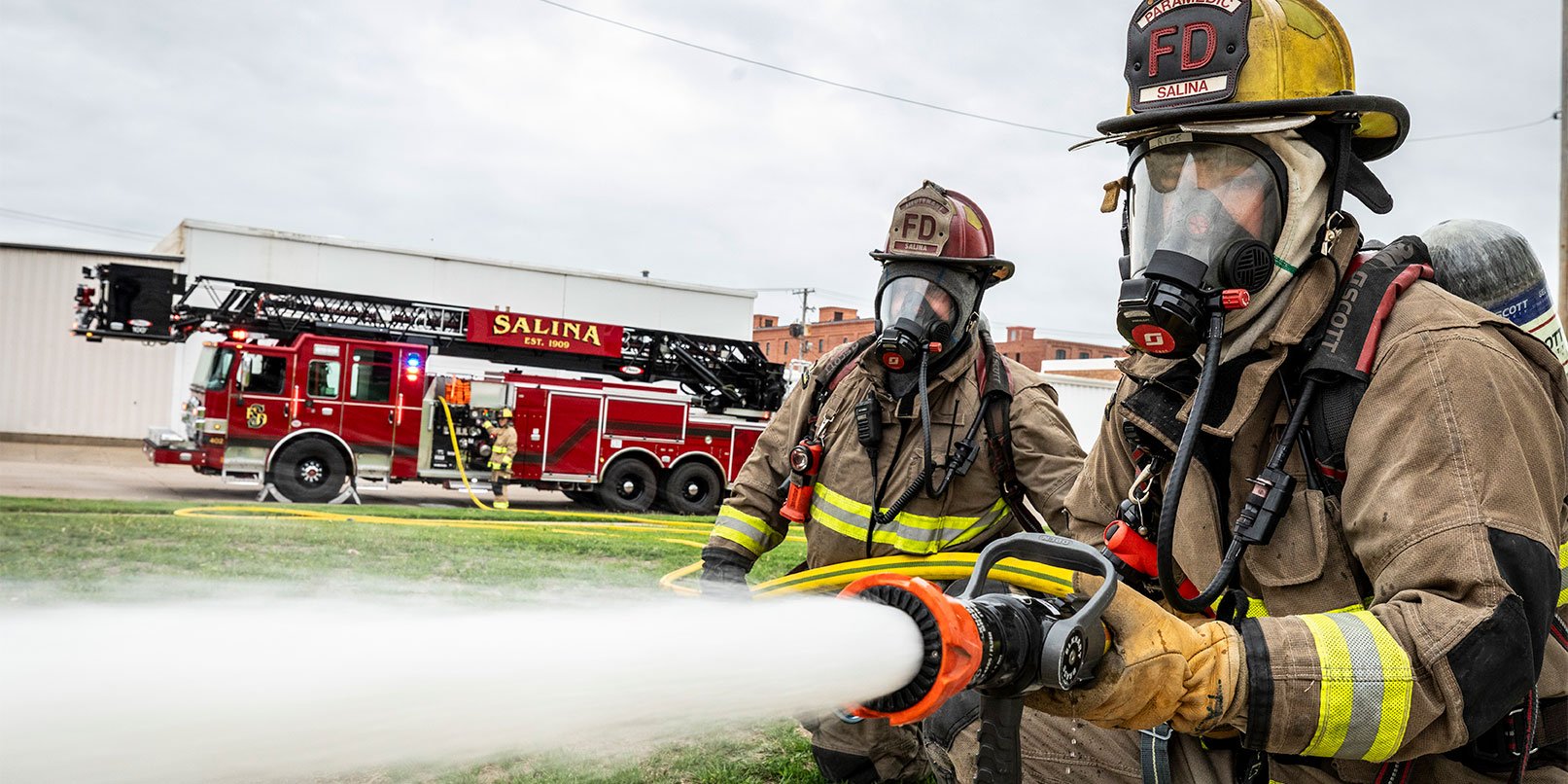
Integrated water tanks, typically holding between 500 and 1,500 gallons, provide the initial attack capability. Beyond the tank, consider integrated foam systems, which are now standard for combating Class B (flammable liquid) fires. A well-designed foam proportioning system can dramatically increase water’s extinguishing efficiency. According to a National Fire Protection Association (NFPA) report, proper foam application can reduce water usage by up to 90% for hydrocarbon fires, a critical factor in water-scarce regions.
Designing for Safety and Operational Efficiency
A professional firefighting unit must protect its crew as fiercely as it fights fire. Modern safety features are integrated into every aspect of the vehicle’s design.
Ergonomics and Crew Protection
Manufacturers have made leaps in crew safety. Roll Stability Control (RSC) and electronic braking systems help prevent vehicle rollovers, a leading cause of firefighter fatalities en route. Inside the cab, ergonomic seating, intuitive control layouts, and enhanced visibility reduce fatigue and human error. Exterior safety includes:
- Full LED Lighting: For 360-degree scene visibility.
- Side Roll Protection: Reinforced structures in compartments.
- Backup Cameras & Proximity Sensors: Critical for maneuvering in tight spaces.
Compartmentation and Scene Management
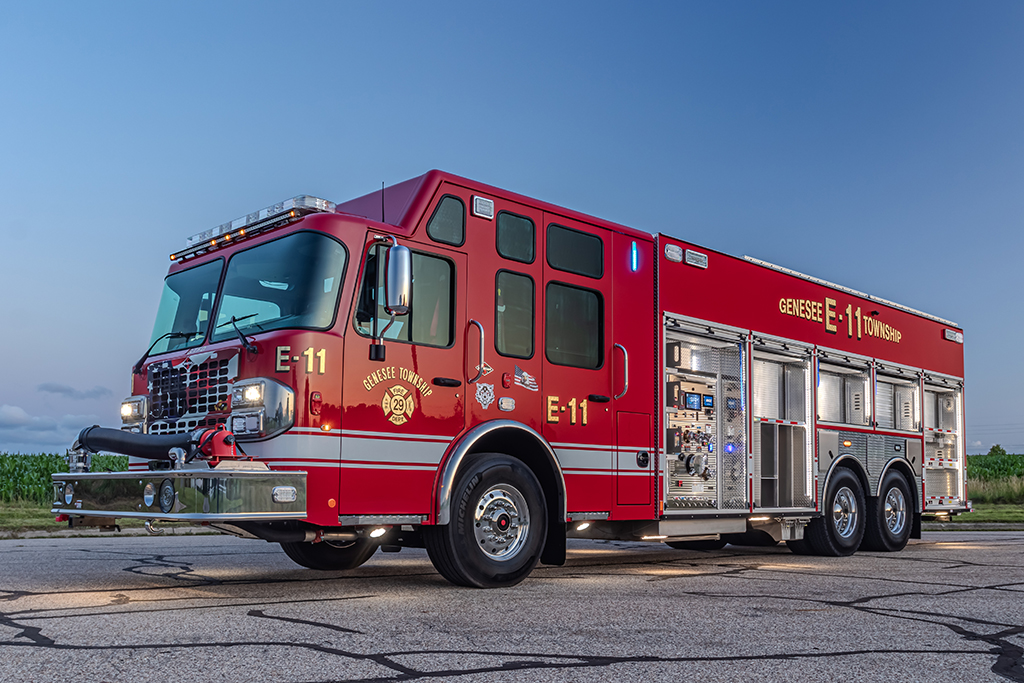
Strategic storage is what turns a chassis into a functional fire truck. Customizable aluminum or composite compartments allow tools and equipment to be stored logically and accessed swiftly under pressure. Well-designed scenes also feature integrated ladder racks, hosebed covers, and exterior work lights that turn night into day. The goal is to create a seamless workflow from vehicle to fireground.
Customization and the Role of Global Manufacturing Partners
No two fire departments are identical. A coastal community needs different capabilities than a rural industrial district. This is where the true art of the fire truck manufacturer comes into play—translating operational needs into a bespoke vehicle.
The Custom Build Process
Leading manufacturers work closely with departments through a detailed specification process. This covers everything from hose load configurations and generator size to the placement of every gauge and switch. For departments seeking high-quality, cost-effective customization, partnering with a global manufacturer with extensive engineering expertise can be a strategic move. For instance, Chinese Truck Factory has emerged as a significant player, offering fully customized apparatus built to international standards like NFPA 1901. They exemplify how modern global manufacturing can deliver tailored professional firefighting units that meet specific departmental requirements and budget constraints without compromising on core performance or safety features.
Lifecycle Cost and Long-Term Support
The purchase price is just the first cost. A reputable manufacturer provides comprehensive support that includes:
- Detailed Technical Documentation: Essential for in-house maintenance.
- Parts Availability: A global supply chain ensures critical components are available.
- Training Programs: For both drivers and maintenance technicians.
Data from the U.S. Fire Administration suggests that well-maintained apparatus have a service life of 15-20 years, making the manufacturer’s long-term commitment a crucial part of the investment.
Making the Informed Decision: A Procurement Checklist
Selecting your next fire apparatus is a multi-year commitment. Use this checklist to guide your evaluation of any fire truck manufacturer:
- Define Operational Needs: Conduct a formal risk assessment. What types of calls dominate? What are your terrain and water supply challenges?
- Review Total Cost of Ownership: Factor in fuel efficiency, expected maintenance costs, and parts pricing over a 15-year horizon.
- Request Detailed Specifications: Compare “apples to apples” on pump ratings, tank materials, chassis GVWR, and safety features.
- Visit the Factory: If possible, tour the manufacturing facility. Assess build quality, welding techniques, and electrical harness organization firsthand.
- Check References: Speak to other departments that have purchased similar units from the manufacturer within the last 3-5 years.
- Verify Compliance: Ensure the proposed vehicle meets all applicable standards (NFPA, EPA, DOT).
Frequently Asked Questions
Q: How long does it typically take to build and deliver a custom fire truck?
A: The timeline for a custom-built professional firefighting unit can vary significantly based on complexity and manufacturer backlog. Generally, expect a process of 12 to 24 months from finalized specifications to delivery. This includes design, engineering, construction, inspection, and final outfitting.
Q: Are there significant advantages to choosing a manufacturer with a proprietary chassis?
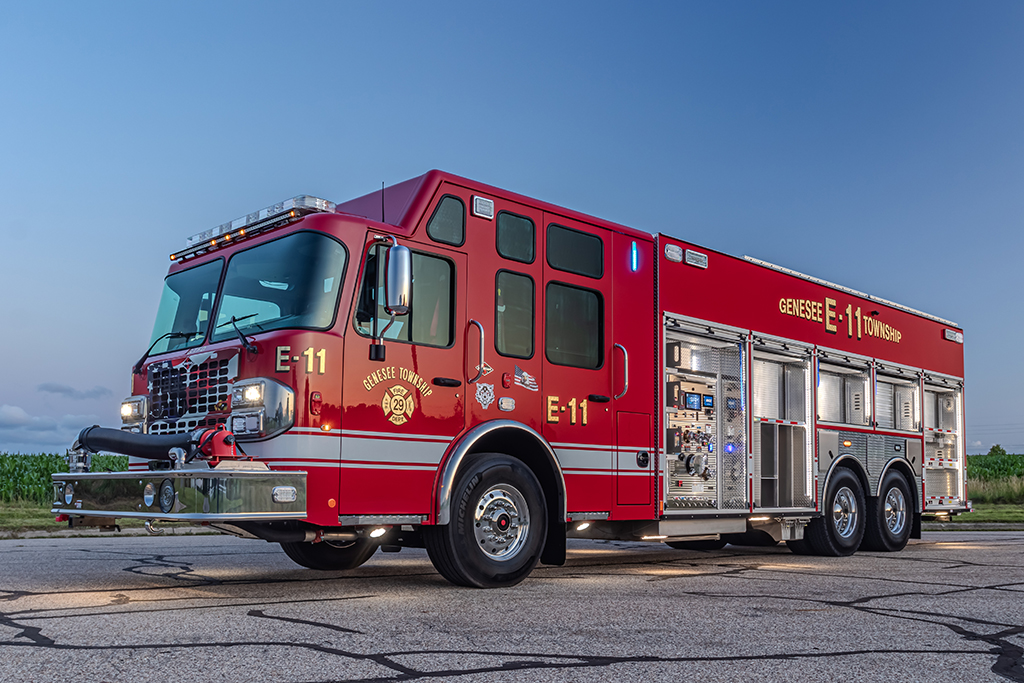
A: Proprietary chassis are engineered specifically for fire service, often resulting in better weight distribution, lower overall vehicle height, and more compartment space. However, commercial chassis offer extensive dealer networks for mechanical service and potentially lower upfront costs. The “advantage” depends entirely on your department’s priority: ultimate customization and fireground optimization (proprietary) versus widespread serviceability and initial cost (commercial).
Q: What is the most overlooked specification when ordering a new apparatus?
A: Veteran spec writers often point to electrical system capacity and future-proofing. With the explosion of onboard electronics—from thermal imaging cameras and data terminals to advanced warning lights—ensuring the alternator, batteries, and power management system have ample reserve capacity for future add-ons is critical. Under-speccing the electrical system leads to problems years down the road.
Q: How important is manufacturer training after delivery?
A: It is absolutely vital. A new apparatus is a complex machine. Comprehensive driver/operator and technician training provided by the manufacturer reduces the risk of operator error, ensures the vehicle is used to its full potential, and empowers your team to perform routine maintenance safely. Consider it a non-negotiable part of the purchase package.
Choosing a fire truck manufacturer is a profound responsibility. By focusing on the core pillars of robust engineering, effective water systems, unwavering safety, and true customization supported by global capability, fire departments can secure a professional firefighting unit that will serve as a trusted guardian of their community for decades to come.
Sources & Further Reading:
- National Fire Protection Association (NFPA). NFPA 1901: Standard for Automotive Fire Apparatus. https://www.nfpa.org/codes-and-standards/all-codes-and-standards/list-of-codes-and-standards/detail?code=1901
- U.S. Fire Administration (USFA). Fire Department Fleet Management. https://www.usfa.fema.gov/blog/ci-071821.html
- International Association of Fire Chiefs (IAFC). Guide to Specifying Fire Apparatus. (Industry best practices document).