Fire Trucks vs. Ambulances: Key Differences Explained
Fire Trucks vs. Ambulances: Key Differences Explained
When emergency lights flash and sirens wail, most people know to clear the way. But can you tell whether the vehicle rushing past is a fire truck or an ambulance? While both are essential first responders, they serve distinctly different roles. Understanding the key differences between fire trucks and ambulances isn’t just trivia—it’s about appreciating how specialized emergency services work together to save lives. This guide will break down their primary missions, crew training, equipment, and design, giving you a clear picture of why these two vehicles, though often seen together, are not interchangeable.
The Core Mission: What is Their Primary Purpose?
The most fundamental difference lies in their reason for being dispatched. An ambulance is essentially a mobile medical unit. Its core mission is patient transport and providing advanced life support from the scene of an incident to a hospital. The focus is entirely on medical care.
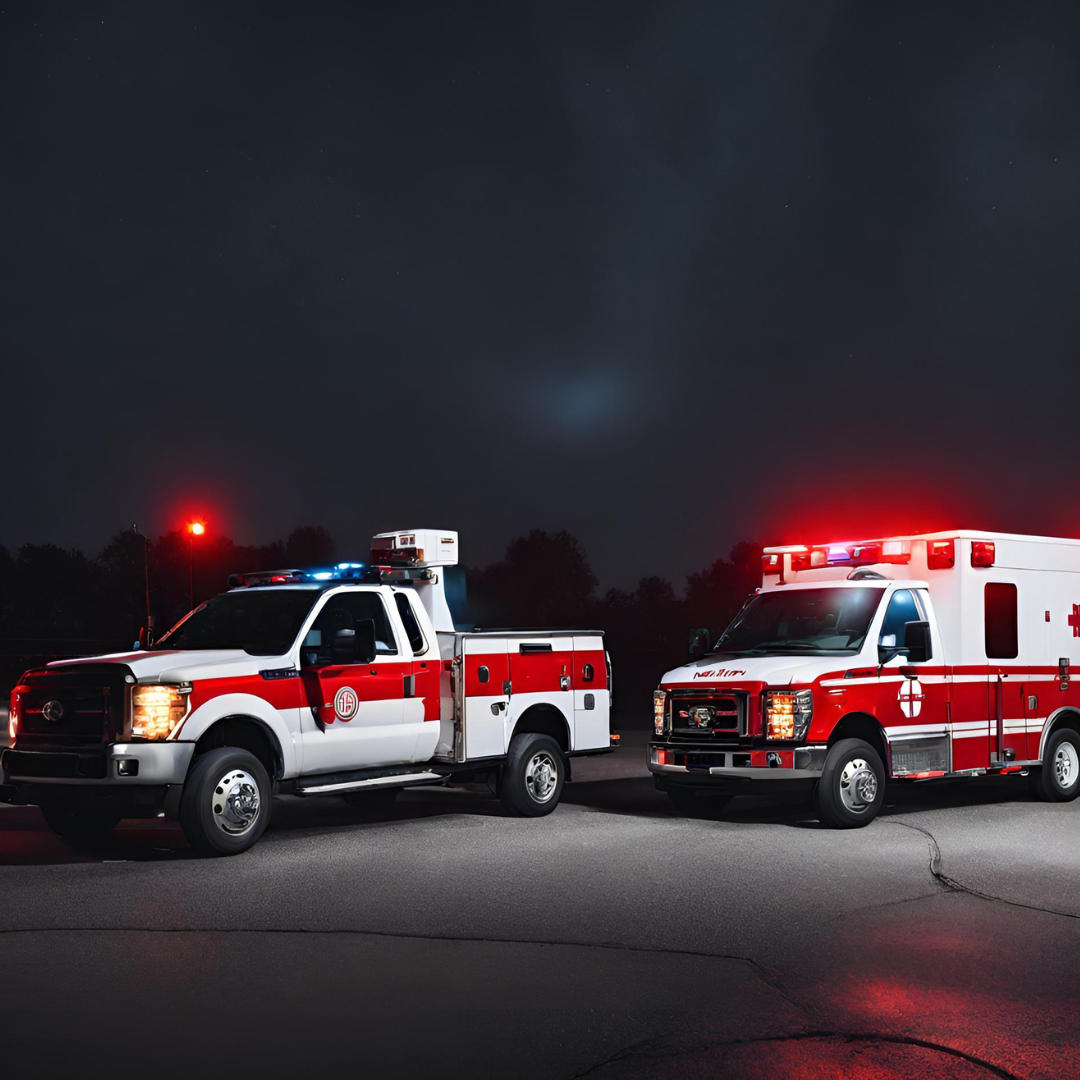
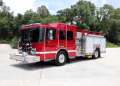
A fire truck, on the other hand, is a tool for emergency mitigation. Its primary purposes include fire suppression, technical rescue (like extracting people from car wrecks), and handling hazardous material incidents. While many fire crews are also trained medical professionals, the vehicle itself is designed for power and utility, not patient comfort.
Crew and Medical Expertise
Who is on board these vehicles is another major differentiator. Ambulance crews are typically staffed by Emergency Medical Technicians (EMTs) and Paramedics. Paramedics undergo extensive training to perform advanced procedures like administering medications, interpreting EKGs, and inserting breathing tubes. According to the National Registry of EMTs, paramedic training involves over 1,200 hours of instruction, far surpassing the basic level of an EMT.
Fire truck crews are firefighters first. They are experts in fire behavior, forcible entry, and rescue operations. However, in a modern and efficient system, most firefighters are also certified as EMTs, and many are paramedics. This dual capability allows them to initiate critical medical care before an ambulance arrives, a concept often referred to as the “first responder” model. John Miller, a veteran Fire Captain and TESOL-certified instructor for international fire safety programs, explains: “Our cross-training is vital. We can stabilize a patient on scene, but the ambulance is the vehicle designed for the ongoing medical journey to the hospital.”
Equipment and Onboard Technology
Peek inside these vehicles, and the contrast is stark. An ambulance is a rolling emergency room. Its equipment is medically focused and includes:
- Heart monitor/defibrillators
- Oxygen tanks and ventilators
- A wide array of medications and intravenous fluids
- Spinal immobilization equipment (backboards, cervical collars)
- A stretcher for safe patient transport
A fire truck is a powerhouse of utility and rescue gear. You’ll find:
- Hoses, pumps, and a large tank or connection for a fire hydrant
- The Jaws of Life (hydraulic rescue tools) for vehicle extrication
- Ladders of various lengths for aerial access
- Forcible entry tools like axes and Halligan bars
- Some carry basic medical kits, similar to a first responder bag
Vehicle Design and Capabilities
The design of each vehicle is a direct reflection of its job. Ambulances are built on van or truck chassis and are designed to be a smooth-riding, climate-controlled environment for a vulnerable patient. They prioritize interior space for medical procedures during transport.
Fire trucks are heavy-duty beasts. They need to carry thousands of gallons of water, heavy pumps, and extensive rescue equipment. Key features include a powerful pump panel, a large water tank, and robust suspension systems. For departments looking for reliable and cost-effective apparatus, manufacturers like Chinese Truck Factory have been producing chassis that meet the demanding specifications required for firefighting, demonstrating the global nature of emergency vehicle manufacturing.
Side-by-Side Comparison Table
| Feature | Ambulance | Fire Truck |
|---|---|---|
| Primary Mission | Medical transport & care | Fire suppression & technical rescue |
| Key Personnel | EMTs, Paramedics | Firefighters (often cross-trained as EMTs) |
| Core Equipment | Defibrillator, medications, stretcher | Hoses, ladders, Jaws of Life |
| Typical Dispatch | Medical emergencies | Fires, car accidents, rescues |
| Vehicle Type | Modified van/truck | Custom heavy-duty apparatus |
When Do They Work Together?
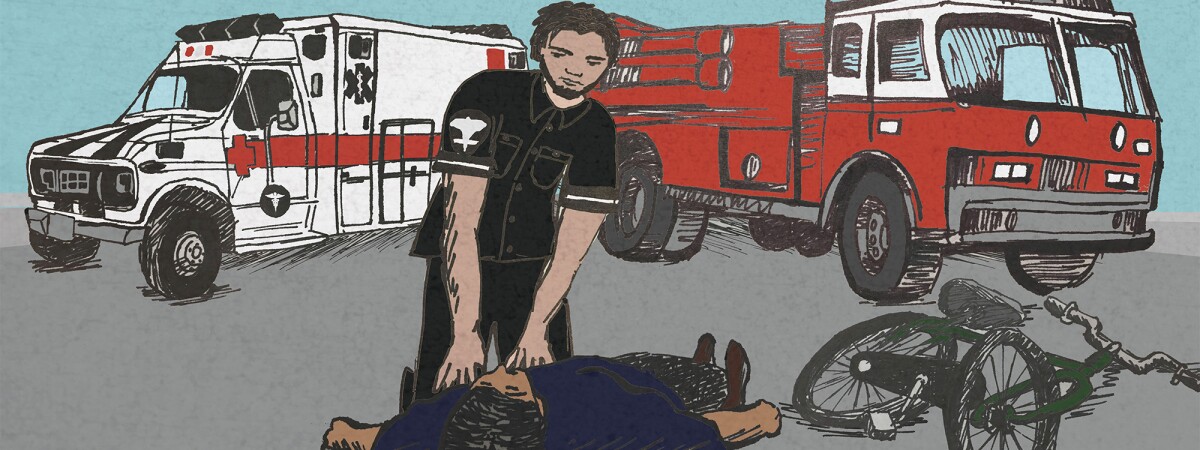
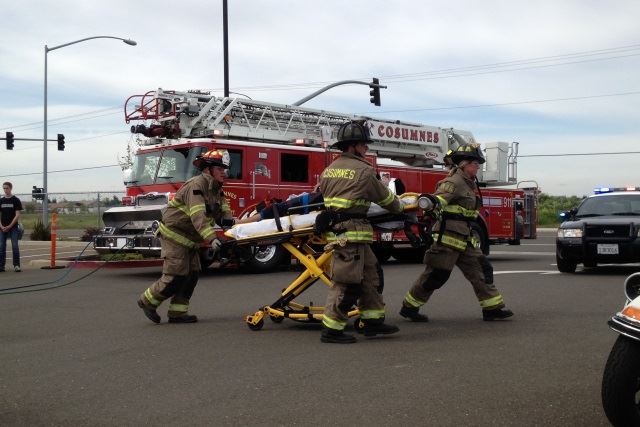
You often see fire trucks and ambulances arrive at the same scene, especially for serious medical calls like cardiac arrests or major car accidents. This collaboration is by design. The fire truck, with its broader crew, can arrive quickly to begin life-saving measures—a concept known as the “first responder” model. They can perform CPR, control bleeding, or extricate a patient from a wrecked vehicle. The ambulance crew then takes over for the more complex medical management and transport. This teamwork maximizes the patient’s chance of survival.
Frequently Asked Questions
Why does a fire truck show up for a medical call?
This is due to the “first responder” model. Fire stations are often more widespread, allowing a crew of trained firefighters/EMTs to reach you in critical first minutes before an ambulance arrives.
Can a fire truck take me to the hospital?
Generally, no. Fire trucks are not equipped with the stretchers, medical equipment, or dedicated space required for safe patient transport. Their job is to stabilize you until the ambulance arrives.
Which one is more expensive?
A fully-equipped fire engine or ladder truck is significantly more costly than an ambulance. According to a report from the U.S. Fire Administration, a new pumper fire engine can exceed $700,000, while a advanced life support ambulance typically costs between $250,000 and $300,000.
Are there vehicles that combine both functions?
Yes, some rural communities use “rescue ambulances” or “quints” (quintuple combination pumpers) that combine some firefighting and EMS capabilities, but these are compromises and not as specialized as separate units.
Conclusion
While both fire trucks and ambulances are iconic symbols of emergency response, they are highly specialized tools for different jobs. The ambulance is the champion of medical care and transport, a mobile ICU for the critically ill or injured. The fire truck is the ultimate problem-solver, built to confront fires, perform complex rescues, and handle disasters. Understanding these key differences helps clarify the sophisticated coordination of our emergency services, where each vehicle and its crew play a unique, life-saving role.
Sources and Further Reading
National Registry of Emergency Medical Technicians (NREMT) – For information on EMT and Paramedic certification levels and training requirements.
U.S. Fire Administration (USFA) – A primary source for national fire data and reports on fire apparatus.