Flatbed Lease Purchase Trucking Companies | Your Path to Ownership
For many truck drivers, the dream of owning their rig often hits a financial roadblock. That’s where flatbed lease purchase trucking companies come in, offering a potential path to ownership. This model allows you to lease a truck with the option to buy it after a set period, combining the immediate need for a vehicle with a long-term goal. If you’re tired of company driver paychecks and want to build equity, understanding how these programs work is your first step toward true independence on the open road. This guide will walk you through the nuts and bolts, helping you determine if this is the right Your Path to Ownership for you.
What Exactly is a Flatbed Lease Purchase Program?
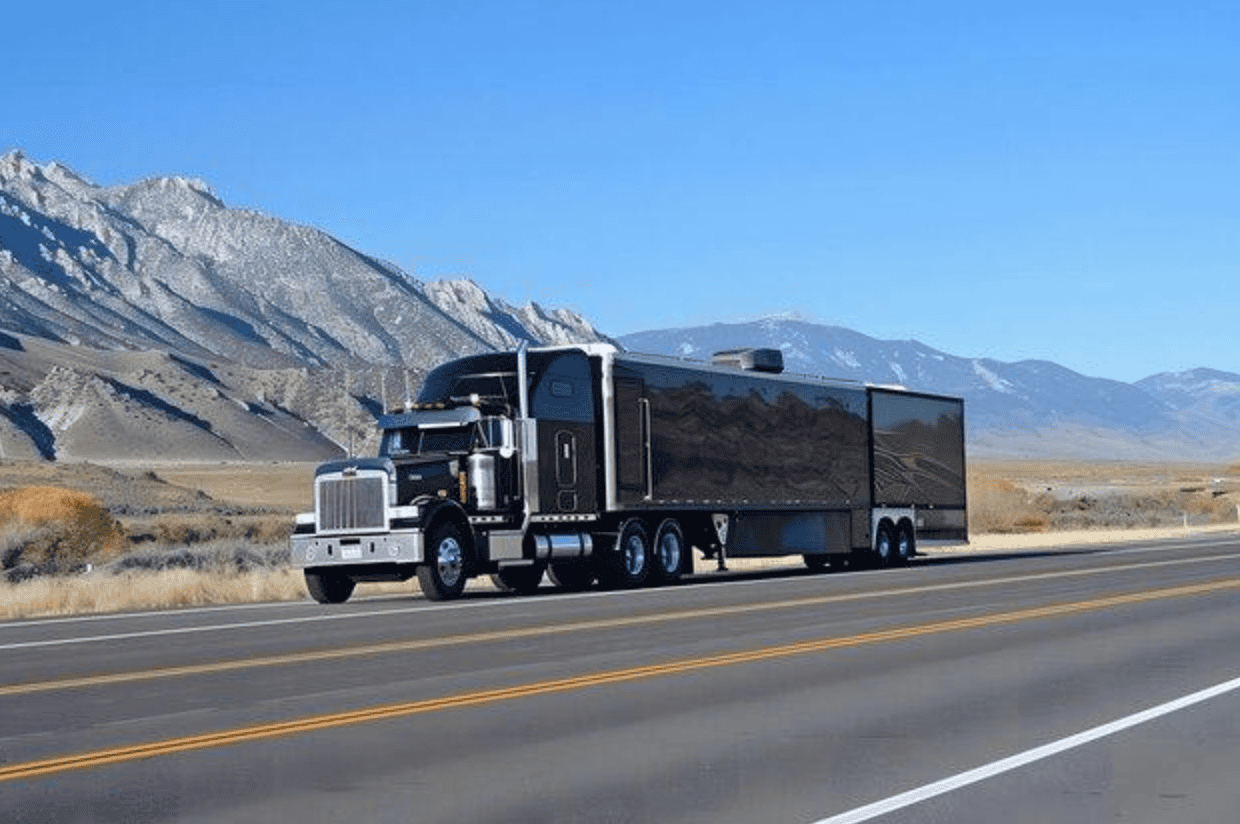
Think of a lease purchase agreement as a hybrid between renting and buying. You’re not just a company driver, but you’re not a full-fledged owner-operator yet, either. You enter into a contract with a flatbed lease purchase trucking company where you make weekly or monthly payments for the use of a truck. A portion of these payments typically goes toward the eventual purchase price.
Unlike a commercial lease, where you simply return the equipment at the end of the term, a lease purchase agreement is designed with a final buyout in mind. It’s a structured plan where your weekly truck payment acts like a forced savings account for your future rig. This setup is particularly common in flatbed trucking due to the specialized nature of the trailers and the consistent freight demand in sectors like construction and manufacturing.
Weighing the Pros and Cons: Is It Right For You?
This path isn’t for everyone. It requires a clear-eyed view of the benefits and the challenges.
The Advantages of a Lease Purchase
- Lower Upfront Cost: You can get behind the wheel of a late-model truck without the massive down payment typically required for a direct loan.
- Test Drive Ownership: It lets you experience the life of an owner-operator—managing your expenses, finding loads, and handling maintenance—without the full long-term commitment upfront.
- Building Equity: Every payment brings you closer to owning the asset, unlike a pure lease where you walk away with nothing.
- Company Support: Many flatbed trucking companies offering these programs provide dispatch services, fuel discounts, and maintenance support, which can be a huge help when you’re starting.
The Potential Drawbacks to Consider
- Financial Risk: You are responsible for the truck’s operating costs. If freight is slow, you still have to make that weekly payment.
- Contract Complexity: The devil is in the details. Some contracts may have high buyout fees or clauses that make true ownership difficult to achieve.
- Profitability Pressure: Your income is directly tied to your ability to secure and run profitable loads. It’s a business, not just a job.
Key Factors to Scrutinize Before You Sign
Before you put pen to paper, you need to become a contract detective. Here’s what to look for:
- The Total Buyout Price: Don’t just focus on the weekly payment. Ask for the total cost to own the truck at the end of the lease term. Is it fair market value?
- Payment Allocation: What percentage of your payment goes toward the principal? A transparent company will clearly outline this. A 2022 report by the American Transportation Research Institute (ATRI) emphasized that understanding cost allocation is critical for operator profitability1.
- Early Buyout Options: Are you allowed to pay off the truck early without a hefty penalty?
- Maintenance Responsibilities: Who pays for tires, oil changes, and major repairs? A poorly maintained truck can sink your profits.
- Freight and Dispatch: Does the company guarantee consistent freight, or are you responsible for finding your own loads?
Comparing Top Flatbed Lease Purchase Companies
Not all programs are created equal. Here’s a brief comparison to get you started. Note: Always conduct your own due diligence as terms change frequently.
| Company Feature | Maverick Transportation | Boyd Bros. Transportation | Melton Truck Lines |
|---|---|---|---|
| Program Focus | Flatbed & Glass | Flatbed | Flatbed & Specialized |
| Estimated Weekly Payment | Varies by truck model | Competitive, based on revenue | Structured payment plans |
| Freight Support | Company-provided dispatch | Dedicated freight network | Strong regional freight |
| Maintenance | Company-assisted programs | Owner-responsible with shop access | Terminal network for repairs |
Expert Insight: Navigating the Financials
We spoke with John Porter, a financial advisor with over 15 years of experience in the transportation industry, to get his take. “A lease purchase trucking deal can be a powerful wealth-building tool, but only if the numbers work,” Porter states. “Drivers must create a detailed profit-and-loss statement. Factor in the truck payment, fuel, insurance, and a robust maintenance fund. I’ve seen too many drivers fail because they only looked at the revenue and ignored the mounting costs. The goal isn’t just to own the truck; it’s to own a profitable business.”
His advice aligns with data from the U.S. Bureau of Labor Statistics, which shows that successful owner-operators are those who meticulously manage their operating expenses2.
Your Action Plan for a Successful Lease Purchase
- Crunch the Numbers: Use an online calculator to model your potential income versus all possible expenses. Be brutally honest.
- Research Companies: Read reviews on trucking forums and check with the Better Business Bureau. Talk to current lease operators at truck stops.
- Get Everything in Writing: Have a lawyer who understands trucking contracts review the agreement before you sign.
- Have an Emergency Fund: Save at least 3-6 months of truck payments and living expenses before you start. This is your safety net.
- Treat It Like a Business: From day one, keep meticulous records of every dollar earned and spent.
Frequently Asked Questions
Q: Can I walk away from a lease purchase agreement?
A: It depends entirely on the contract. Some allow you to return the truck if you’ve made a certain number of payments, often with a fee. Others may hold you liable for the full amount. This is a critical question to ask before signing.
Q: What happens if the truck breaks down? Who pays for the repairs?
A: The contract must explicitly state the responsibilities. In many cases, the driver is responsible for all repairs and maintenance, which is why having a separate maintenance fund is non-negotiable. Some companies offer maintenance escrow accounts or assistance programs.
Q: Is a lease purchase a good way to start my own trucking company?

A: It can be, as it lowers the barrier to entry. However, it’s a high-stakes way to learn the business. Gaining experience as a company driver for a year or two first can provide invaluable insight into costs and operations without the same level of financial risk.
Final Thoughts on Your Journey
A flatbed lease purchase program can indeed be a viable path to ownership, but it demands more than just good driving skills. It requires business acumen, financial discipline, and a thorough understanding of the contract you’re entering. By doing your homework, planning for the worst, and choosing a reputable partner, you can steer your career toward the independence and financial rewards of being your own boss. The road to ownership is challenging, but for the prepared and determined, it’s a journey worth taking.
Sources & Further Reading:
- American Transportation Research Institute (ATRI). (2022). An Analysis of the Operational Costs of Trucking. Retrieved from https://truckingresearch.org/2022/10/04/operational-costs-of-trucking-2022/
- U.S. Bureau of Labor Statistics. (2023). Heavy and Tractor-Trailer Truck Drivers. Occupational Outlook Handbook. Retrieved from https://www.bls.gov/ooh/transportation-and-material-moving/heavy-and-tractor-trailer-truck-drivers.htm