Food Truck Fire Suppression System Installation Near Me
Finding reliable food truck fire suppression system installation near me is one of the most critical steps in launching or maintaining a mobile food business. As someone who’s spent over a decade reviewing food trucks and commercial vehicles, I’ve seen firsthand how a properly installed and maintained fire suppression system can mean the difference between a minor kitchen incident and a total loss. This guide cuts through the confusion, providing a clear roadmap for selecting, installing, and maintaining the system that protects your livelihood.
Why Your Food Truck Absolutely Needs a Fire Suppression System
It’s not just a good idea; in most jurisdictions, it’s the law. Mobile kitchens are high-risk environments. You’re working with open flames, hot oils, and electrical equipment, all within a confined, moving space. A simple grease flare-up can escalate into a full-blown fire in seconds. A fire suppression system is your first and most powerful line of defense. It automatically detects and extinguishes fires, often before you even have time to react. This isn’t just about protecting your truck; it’s about protecting your employees, your customers, and your business’s future. The peace of mind that comes with a professionally installed system is invaluable.
Key Components of a Food Truck Fire Suppression System
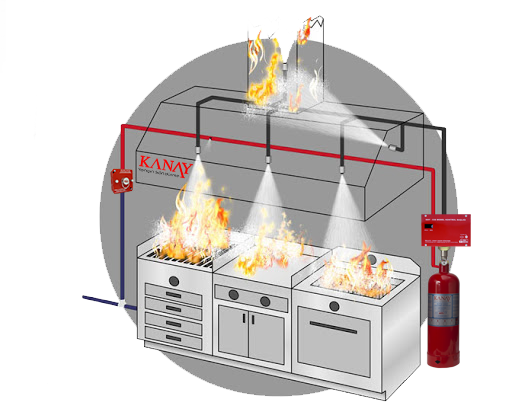
Understanding the parts of your system helps you communicate effectively with installers and spot potential issues. A typical system includes:
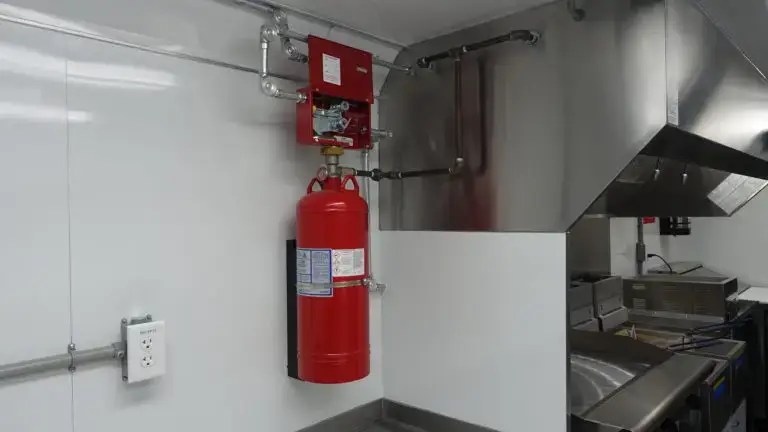
- Fire Suppression Agent Tanks: These contain the wet or dry chemical agent designed to smother grease and electrical fires.
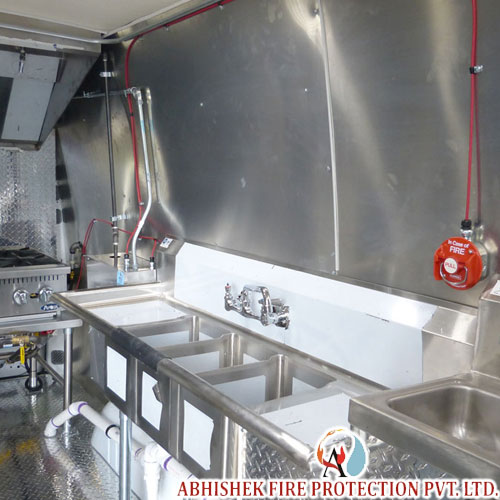
- Nozzles: Strategically placed nozzles direct the suppressing agent directly at the source of the fire, such as over the grill, fryer, and range.
- Automatic Detection System: Fusible links are heat-sensitive components that melt at a specific temperature, triggering the system automatically without manual intervention.
- Manual Pull Station: A manually activated switch allows you to discharge the system if you spot a fire before the fusible links activate.
- System Shutdown: A crucial safety feature that automatically cuts the fuel or power source to your cooking appliances when the system is activated.
Choosing the Right Company for Installation
Not all fire safety companies are created equal. When searching for “food truck fire suppression system installation near me,” you need a specialist. Look for a provider with specific experience in mobile kitchens. They understand the unique challenges of space constraints, vibration from travel, and health department regulations. A qualified technician, often holding certifications from bodies like the National Institute for Certification in Engineering Technologies (NICET), will ensure the system is tailored to your specific cooking equipment layout. Don’t hesitate to ask for references or examples of their previous work on other food trucks.
What to Expect During the Installation Process
A professional installation is a systematic process. First, the technician will assess your kitchen layout to determine the optimal placement for nozzles and tanks. They will then install the system, ensuring all components are securely mounted to withstand the rigors of the road. Finally, they will connect the automatic shutdown mechanism to your appliances and perform a full system test. You should receive thorough training on how the system works, how to use the manual pull station, and what to do after a discharge. A proper installation should conclude with the technician providing you with a certification tag, which you’ll need for health inspections.
Comparing Top Fire Suppression Systems for Food Trucks
To help you make an informed decision, here’s a comparison of two leading brands often recommended by installers.
| Feature | ANSUL R-102 | Kidde Kitchen Guard |
|---|---|---|
| Primary Agent | Wet Chemical (Potassium Acetate-based) | Wet Chemical |
| Ideal For | High-volume grease applications (fryers, griddles) | Standard kitchen setups with varied equipment |
| Activation Method | Fusible Link (Automatic) & Manual Pull | Fusible Link (Automatic) & Manual Pull |
| NSF Certification | Yes | Yes |
| Typical Cost (Installed) | $$$ (Higher) | $$ (Moderate) |
As Mike Harrison, a fire safety engineer with over 20 years of experience, states, “The choice between systems like ANSUL and Kidde often comes down to the specific cooking load and local fire marshal preferences. A qualified installer can perform a hazard analysis to determine the best fit for your operation.”
Ongoing Maintenance and Compliance Checks
Your responsibility doesn’t end after installation. Regular maintenance is non-negotiable for safety and compliance. Most local fire codes require a semi-annual inspection by a licensed professional. These inspections check for pressure levels in the tanks, the integrity of fusible links, and any signs of corrosion or damage from road vibration. You should also perform a visual check before each service day. According to the National Fire Protection Association (NFPA), failure to maintain kitchen fire suppression systems is a leading factor in fire-related losses in the food service industry. NFPA data shows that cooking equipment is involved in 61% of all restaurant fires.
Frequently Asked Questions (FAQ)
Q: How much does a typical food truck fire suppression system installation cost?
A: The total cost for a food truck fire suppression system installation can range from $1,500 to $4,000. This price includes the equipment, labor, and initial certification. The final cost depends on the size of your kitchen, the number of appliances, and the brand of the system you choose.
Q: How often does the system need to be inspected?
A: It is mandatory to have a licensed professional inspect your system every six months. This is a standard requirement from most health departments and fire marshals. You will receive a new certification tag after each successful inspection.
Q: What happens if my system accidentally discharges?
A: If the system discharges, do not enter the truck until it has been ventilated. The chemical agent, while non-toxic, can be an irritant. Your first call should be to your fire suppression service company to come out, clean the system, and recharge it. Do not operate your truck until this is complete.
Q: Can I install a fire suppression system myself to save money?
A: Absolutely not. Self-installation is extremely dangerous and will never pass a health or fire inspection. The system must be installed and certified by a licensed professional to ensure it will function correctly in an emergency and to maintain your insurance coverage.
Final Thoughts on Protecting Your Investment
Investing in a professional food truck fire suppression system installation is one of the smartest decisions you can make as a mobile food operator. It’s a critical step that safeguards your hard work, your team, and your customers. By choosing a reputable local installer, understanding the components, and committing to regular maintenance, you’re not just checking a box for the health inspector—you’re building a foundation for a safe and sustainable business. Don’t cut corners on safety; your food truck’s future depends on it.
Sources and Further Reading
- National Fire Protection Association (NFPA) – For up-to-date fire codes and safety standards.
- ANSUL – Manufacturer website for product specifications and resources.
- National Institute for Certification in Engineering Technologies (NICET) – To verify technician certifications.