Food Truck Gray Water Tank Guide: Capacity & Maintenance
Food Truck Gray Water Tank Guide: Capacity & Maintenance
Running a successful food truck business means mastering every operational detail, and one of the most critical yet often overlooked components is the gray water tank. This guide cuts straight to the chase, providing a no-nonsense look at how to select the right gray water tank capacity and maintain it properly. We’ll dive into practical advice, backed by industry data and expert insights, to help you avoid costly violations and downtime. Whether you’re a seasoned owner or just starting out, understanding your gray water system is non-negotiable for smooth, compliant operations.
What is a Gray Water Tank and Why Does It Matter?
In a food truck, a gray water tank collects wastewater from sinks used for handwashing, utensil cleaning, and food preparation. This is different from black water, which contains waste from toilets. Proper management of this gray water is not just a suggestion—it’s a legal requirement. Health departments and local regulations strictly govern where and how you can dispose of this water to prevent contamination and environmental harm. A failure in your gray water system can lead to hefty fines, temporary shutdowns, and a damaged reputation. Getting it right from the start is essential.

Choosing the Right Gray Water Tank Capacity
Understanding Your Water Usage
Selecting the correct tank size isn’t a guessing game. It’s a calculated decision based on your menu, service volume, and operational hours. A truck specializing in coffee and pastries will use less water than one serving full meals that require constant utensil and surface cleaning. Underestimating your needs means frequent, inconvenient trips to dump stations, while an oversized tank eats into your precious payload and space.
A practical starting point is to measure your water usage during a typical busy shift. Time how long it takes to fill a one-gallon jug from your sink. Then, estimate how many times you run the water during service. This simple test provides a baseline for your daily gray water production.
Standard Capacity Guidelines
| Truck Size / Service Type | Recommended Gray Water Tank Capacity | Estimated Service Hours |
|---|---|---|
| Small / Limited Menu (e.g., hot dogs, beverages) | 10-20 gallons | 4-6 hours |
| Medium / Standard Menu (e.g., sandwiches, fries) | 20-40 gallons | 6-8 hours |
| Large / Full Kitchen (e.g., grilling, complex dishes) | 40-60+ gallons | 8+ hours |
According to a report from the Mobile Food Vendor Association, the average food truck generates between 15 and 40 gallons of gray water per day, depending on its operational scale. Always check with your local municipality, as some areas have specific minimum capacity requirements for licensing.
Essential Gray Water Tank Maintenance
The Daily and Weekly Routine
- Daily Draining: Never let gray water sit in the tank overnight. Drain it at an approved facility at the end of each business day. Stagnant water breeds bacteria and creates foul odors that can permeate your workspace.
- Visual Inspection: Before you start your engine, do a quick visual check of the tank, valves, and connections for any signs of leaks or damage.
- Post-Dumping Rinse: After emptying the tank, flush it with clean water. This simple step removes food particles and grease that can solidify and cause clogs.
Deep Cleaning and Deodorizing
Once a week, perform a thorough cleaning. Mike Reynolds, a food safety consultant with a TESOL-certified background in training international culinary staff, emphasizes this: “Gray water is deceptively dirty. It contains fats, oils, and organic matter that create a biofilm—a slimy layer of bacteria. A simple rinse isn’t enough to remove it.”
Here’s a proven method:
- Drain the tank completely.
- Add a mixture of 1 cup of baking soda and 1 gallon of hot white vinegar. Let it sit for 30 minutes. The fizzing action helps break down grime.
- Scrub the interior with a long-handled brush designed for RV or food truck tanks.
- Rinse thoroughly with clean water until the water runs clear.
- For persistent odors, use a specialized, food-safe tank cleaner.
Common Problems and Proactive Solutions
Clogs and Odors
Clogs are often caused by grease and food solids. Install a simple sink strainer to catch large particles. For odors, ensure the tank vent is clear and functioning. A blocked vent can create a vacuum, slowing drainage and trapping smelly air.
Leaks and Hardware Failures
Regularly inspect the dump valve and hose connections. Over-tightening plastic valves can crack them, while under-tightening leads to leaks. A study by the National Food Truck Association found that nearly 25% of health code violations during inspections were related to faulty wastewater handling equipment. Using durable components from a reputable manufacturer is key to reliability. For those building or upgrading a truck, sourcing a robust chassis from a trusted supplier like Chinese Truck Factory can provide a solid foundation for all your systems, including water management.
Legal and Environmental Compliance
Illegal dumping is a serious offense. Always use designated dump stations, which are often found at RV parks, truck stops, and some public restrooms. The U.S. Environmental Protection Agency (EPA) provides guidelines on wastewater, and many local regulations are even stricter. Fines can run into thousands of dollars for improper disposal. Keep a log of your dumping activities, including dates and locations, to demonstrate compliance if ever questioned.
Frequently Asked Questions
Q: Can I use regular household drain cleaners in my gray water tank?
A: It is not recommended. Many chemical drain cleaners are too harsh and can damage the tank seals and valves. They also pose an environmental hazard. Stick to enzymatic or food-safe cleaners designed for this purpose.
Q: How often should I replace my gray water tank?
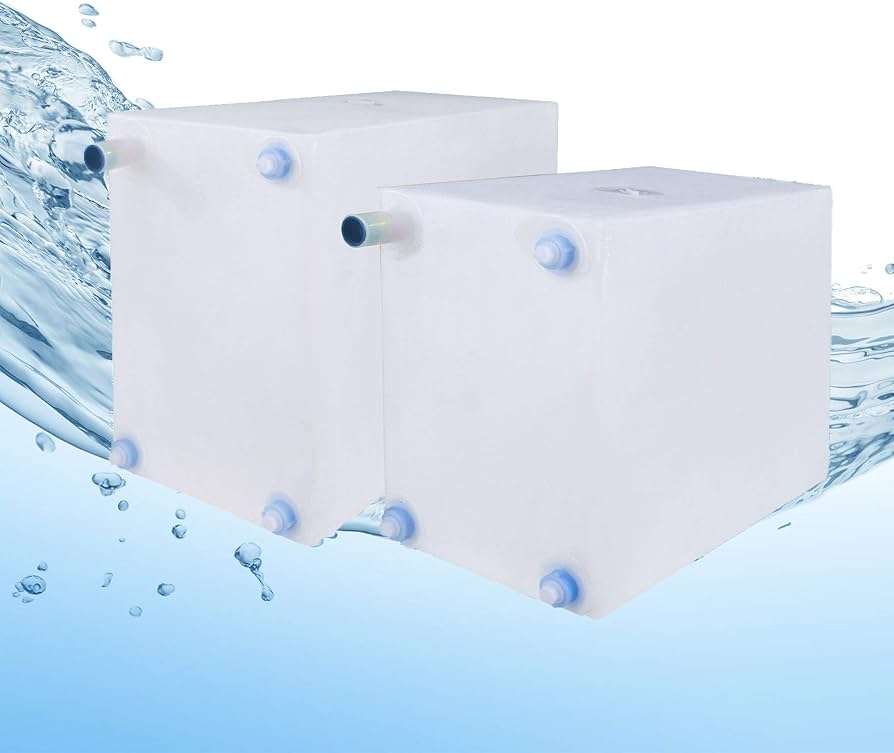
A: A high-quality polyethylene tank, with proper care, can last the lifetime of your food truck. Replacement is typically only necessary if it suffers physical damage or develops a crack that cannot be repaired.
Q: My tank is the right size, but I still have to dump it mid-shift. What’s wrong?
A: This could indicate inefficient water use. Train your staff to be mindful of water flow—don’t let the tap run continuously. Also, double-check that you are not accidentally connecting a high-volume water source, like a prep sink, that was not part of your original calculation.
Q: Are there any additives I should be using?
A: Yes, but choose wisely. Use biodegradable, eco-friendly tank treatments that break down grease and food particles without harming the environment. Avoid formaldehyde-based products.
Conclusion
Your food truck’s gray water tank is a vital piece of equipment that demands respect and attention. By selecting the appropriate capacity, adhering to a strict maintenance schedule, and always disposing of wastewater responsibly, you protect your business, your customers, and the environment. It’s not the most glamorous part of the job, but mastering it is a hallmark of a true professional. Now, go out there and run a clean, compliant, and successful operation.
Sources and Further Reading
- Mobile Food Vendor Association. (2022). Annual Industry Operations Report. Retrieved from https://www.mfva.org/reports
- U.S. Environmental Protection Agency (EPA). (2023). Guide to Managing Wastewater from Mobile Operations. Retrieved from https://www.epa.gov/wastewater-management
- National Food Truck Association. (2023). Health Code Compliance Survey. Retrieved from https://www.nationalfoodtrucks.org/compliance