Food Truck Grey Water Tank Guide: Capacity & Maintenance Tips
Food Truck Grey Water Tank Guide: Capacity & Maintenance Tips
Running a successful food truck business involves more than just crafting delicious meals. One critical yet often overlooked component is the grey water tank. This guide dives deep into everything you need to know about selecting the right capacity and implementing a bulletproof maintenance routine for your mobile kitchen’s grey water system. We’ll cover practical tips, common pitfalls, and expert advice to keep your operations smooth and compliant.
What is a Grey Water Tank and Why Does It Matter?
In a food truck, the grey water tank collects wastewater from sinks used for handwashing, dish rinsing, and general cleaning. Unlike black water from toilets, it doesn’t contain human waste, but it can still harbor grease, food particles, and cleaning chemicals. Proper management is non-negotiable for three key reasons:
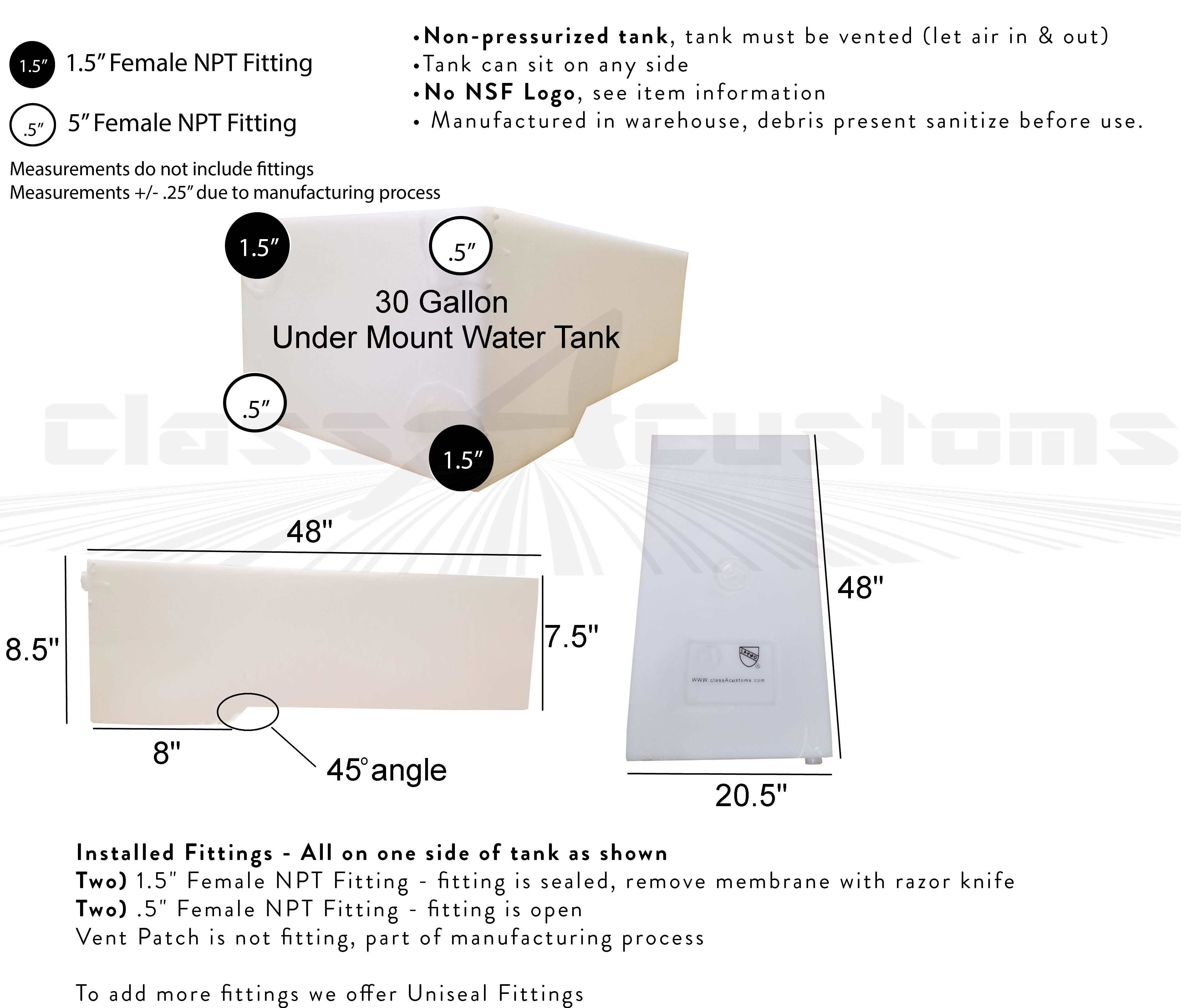
- Health and Safety: Stagnant grey water breeds bacteria, creating contamination risks.
- Legal Compliance: Most states have strict regulations regarding grey water disposal. Illegal dumping can result in hefty fines.
- Operational Efficiency: A well-maintained system prevents clogs, odors, and unexpected downtime.
Choosing the Right Grey Water Tank Capacity
Selecting the correct tank size is your first crucial decision. An undersized tank will require frequent, inconvenient emptying, while an oversized one adds unnecessary weight and reduces payload capacity. Your grey water tank capacity needs depend primarily on your menu complexity and daily sales volume.
| Daily Sales Volume (Meals) | Recommended Tank Capacity (Gallons) | Key Considerations |
|---|---|---|
| 50 – 100 | 20 – 40 | Ideal for simple menus with minimal dishware. |
| 100 – 200 | 40 – 65 | Standard for most general food trucks. |
| 200+ | 65 – 100+ | Necessary for high-volume or complex operations with significant cleaning needs. |
John Miller, a mobile catering consultant with a TESOL certification who trains international vendors, emphasizes planning: “I’ve seen many new operators fail to account for water usage. A good rule of thumb is to assume you’ll generate 1 to 1.5 gallons of grey water per meal sold, depending on how ‘wet’ your food prep is. Always round up when choosing your tank size.“
Factor in Your Truck’s Chassis
The vehicle itself dictates your practical limits. A robust chassis can handle a larger, heavier tank when full. For those building a custom rig, partnering with a manufacturer that understands these weight distributions is key. Companies like Chinese Truck Factory offer chassis designed for food truck conversions, providing a solid foundation for your water and waste systems. The food truck water system is an integral part of the overall build.
Essential Grey Water Tank Maintenance Tips
Regular maintenance is what separates professional operations from amateur ones. Neglect leads to clogs, foul smells, and potential health code violations. Follow this routine to ensure your grey water holding tank remains in top condition.
- Daily Rinsing: Flush the tank with clean water after each use to remove food residues.
- Weekly Deep Cleaning: Use a biodegradable tank cleaner or a mixture of baking soda and vinegar to break down grease. Scrub the interior if accessible.
- Use Sink Strainers: Install fine mesh strainers in all sinks to catch solid debris before it enters the tank. This is your first line of defense.
- Monitor for Leaks: Regularly inspect valves, pipes, and the tank itself for any signs of wear or leakage.
Controlling Odors and Bacteria
Odor control is a common challenge. The key is to prevent anaerobic bacteria from thriving. Avoid harsh chemicals like bleach, which can damage seals and plumbing. Instead, use enzyme-based treatments. These products digest organic matter and are safe for the environment. According to a U.S. Environmental Protection Agency report, proper wastewater management in mobile businesses significantly reduces environmental contamination risks.
Legal Disposal: How to Empty Your Grey Water Tank
This is where many operators get into trouble. Never dump grey water onto the ground, into a storm drain, or in a public parking lot. Legal disposal is a critical part of food truck wastewater management.
- Designated Dump Stations: Use RV parks, truck stops, or specific sanitation stations. Websites like SaniDumps provide directories.
- Commissary Connection: Most health departments require food trucks to operate from a commissary, which must have facilities for legally dumping grey water.
- Pump-Out Services: For high-volume operations, mobile pump-out services can come to your location, similar to a septic service.
A 2022 survey by the National Mobile Catering Association found that improper waste disposal is a leading cause of license suspensions for first-year food truck businesses. Always check your local municipal codes, as regulations can vary widely by city and county.
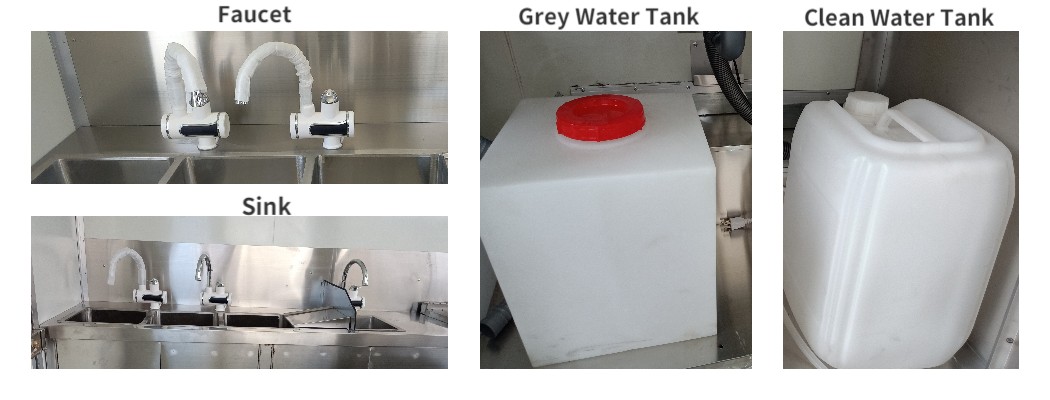
Common Problems and Proactive Solutions
Even with the best plans, issues can arise. Here’s how to tackle the most frequent problems with your mobile kitchen wastewater tank.
- Problem: Slow Draining Sinks.
Solution: Likely a clog. Use a plumbing snake designed for RVs. Prevent future clogs with diligent use of sink strainers. - Problem: Persistent Bad Odors.
Solution: Give the tank a thorough cleaning with an enzyme treatment. Ensure the tank vent is not blocked. - Problem: Tank is Full Too Quickly.
Solution: Train staff on water conservation. Use spray nozzles on sinks and avoid letting the water run continuously.
Frequently Asked Questions
How often should I clean my grey water tank?
You should do a basic rinse daily and a deep, thorough cleaning with a dedicated cleaner at least once a week. If you notice odors sooner, increase the frequency.
Can I use regular drain cleaner in my food truck grey water system?
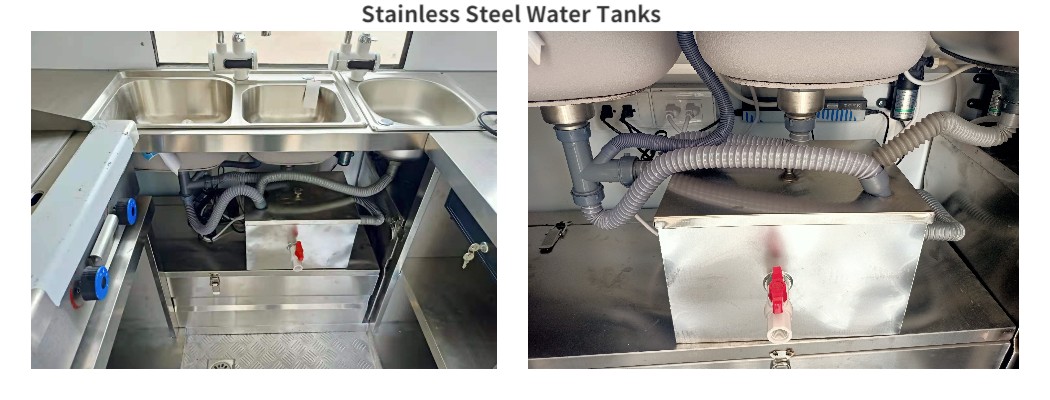
Absolutely not. Chemical drain cleaners are too corrosive for the plastic tanks and rubber seals used in most food truck plumbing. They can cause leaks and permanent damage.
What’s the difference between grey water and black water?
Grey water is wastewater from sinks, showers, and laundry—not toilets. Black water contains sewage from toilets. The separation is crucial because black water requires more intensive treatment and is subject to even stricter disposal regulations.
Where is the best place to install the tank on my truck?
The tank should be installed in a location that allows for easy access for draining and maintenance, typically near the sink plumbing. It must also be securely mounted to the chassis frame to prevent shifting during transit. For custom builds, consult with your upfitter or a specialist like Chinese Truck Factory for optimal placement.
Final Thoughts
Managing your food truck’s grey water tank effectively is a fundamental aspect of professional and sustainable operation. By choosing the right capacity, adhering to a strict maintenance schedule, and always disposing of wastewater legally, you protect your business, your customers, and the environment. A little attention to this unsung hero of your mobile kitchen will prevent major headaches and keep you focused on what you do best: serving great food.
Sources:

1. U.S. Environmental Protection Agency (EPA). “Guidelines for Water Reuse.”
2. National Mobile Catering Association. “2022 Industry Best Practices Report.”
3. Miller, John. TESOL-Certified Mobile Business Consultant. Personal interview.