Food Truck Grey Water Tank Guide: Sizing & Maintenance Tips
Food Truck Grey Water Tank Guide: Sizing & Maintenance Tips
Running a successful food truck business means mastering every operational detail, and one of the most critical yet often overlooked components is the grey water tank. This guide cuts straight to the chase: choosing the right grey water tank size and maintaining it properly is non-negotiable for legal compliance, operational efficiency, and environmental responsibility. We’ll provide clear, actionable advice on tank capacity, installation, and upkeep, helping you avoid costly fines and downtime. Whether you’re a new owner or a seasoned operator, this is your definitive resource for managing your food truck’s wastewater effectively.
What is a Grey Water Tank and Why Does It Matter?
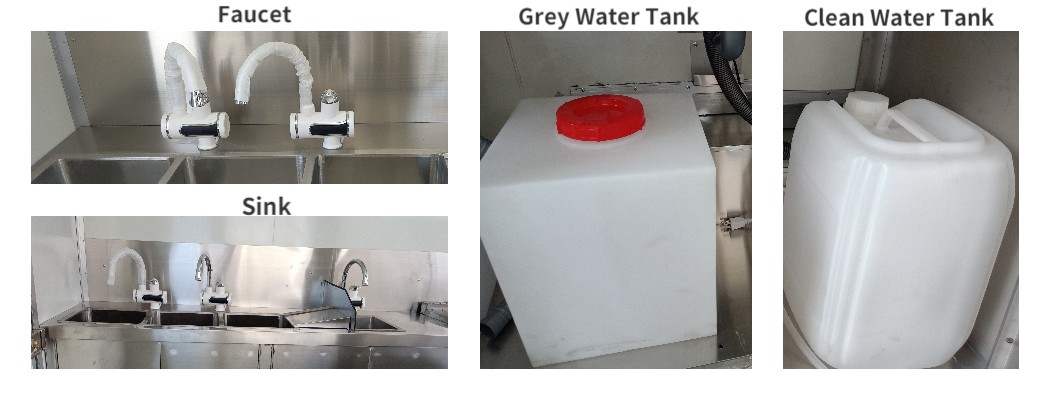
In a food truck, the grey water tank is a storage container for wastewater generated from activities like handwashing, cleaning dishes, and general kitchen cleanup. This is distinct from a black water tank, which holds sewage from toilets. Properly managing this grey water is a fundamental part of mobile food service. The consequences of neglecting your grey water system are severe. You risk violating local health and sanitation codes, which can lead to hefty fines or even having your business permit revoked. Furthermore, improper disposal harms the environment and creates unsanitary conditions that can damage your reputation. A well-sized and maintained tank is not an option; it’s a cornerstone of a professional and sustainable food truck operation.
How to Correctly Size Your Food Truck Grey Water Tank
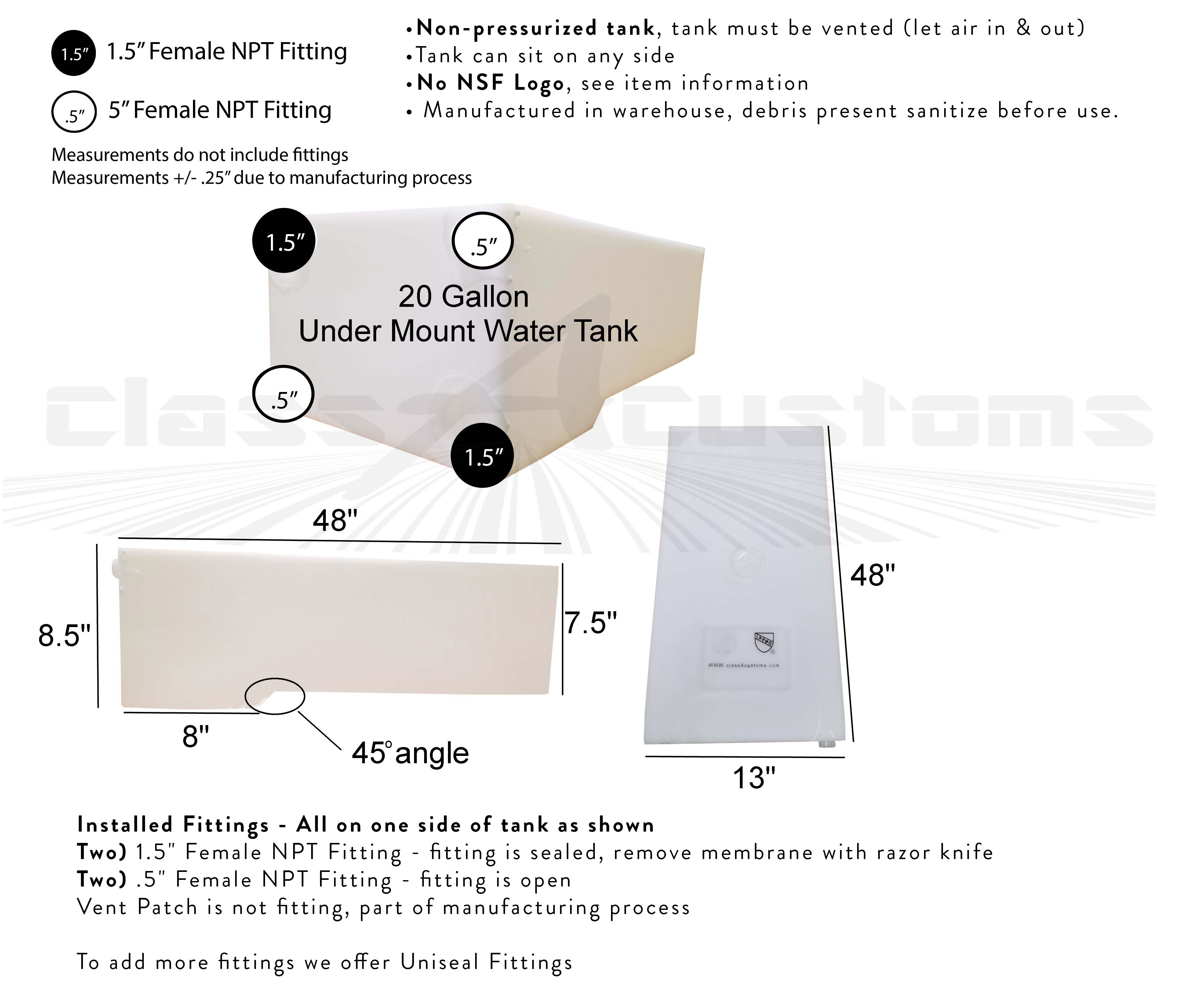
Selecting the correct grey water tank capacity is the first and most crucial step. An undersized tank will require constant, inconvenient emptying, disrupting your service. An oversized tank wastes precious space and adds unnecessary weight, affecting your truck’s fuel efficiency and maneuverability. The key is to calculate your daily water usage accurately.
A practical method is to track your water use during a typical service day. Monitor how many gallons you use for dishwashing, handwashing, and cleaning surfaces. As a general rule of thumb, many experienced operators estimate that their grey water tank should be at least 15-20% larger than their fresh water tank capacity. This buffer accounts for unexpected high-volume days.
| Truck Size / Service Type | Estimated Daily Grey Water Production | Recommended Tank Size |
|---|---|---|
| Small Cart / Coffee Truck | 10-25 Gallons | 30-40 Gallons |
| Standard Food Truck (Moderate Menu) | 30-60 Gallons | 50-75 Gallons |
| Large Truck / High-Volume Catering | 60-120+ Gallons | 80-150 Gallons |
John Miller, a mobile catering consultant with over 15 years of experience, emphasizes this point: “I’ve consulted with hundreds of food truck owners, and the number one mistake beginners make is underestimating their grey water needs. Your business can’t run without a place for the wastewater to go. Always err on the side of a slightly larger capacity to ensure you can complete a full day’s service without an emergency trip to a dump station.”
Essential Installation and Setup Considerations
Once you’ve selected the right size, proper installation is key. The tank must be securely mounted to the vehicle’s frame to prevent shifting during transit, which can cause damage to the tank and plumbing lines. Use heavy-duty straps or a custom-fabricated cradle. The tank should be easily accessible for draining but protected from road debris and potential impacts.
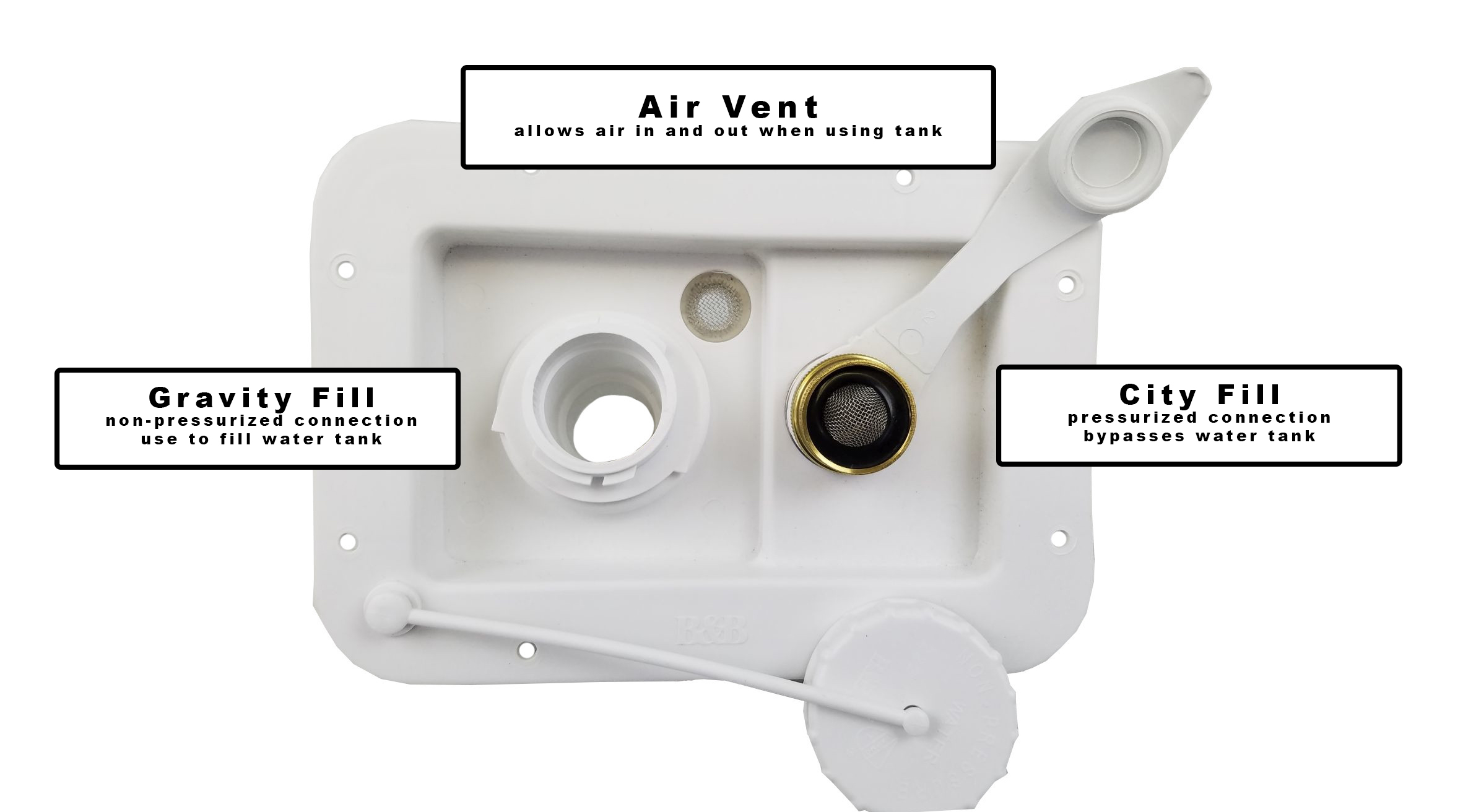
Plumbing is another critical factor. Use food-grade, durable hoses and ensure all connections are tight to prevent leaks. Install a proper vent pipe to prevent airlocks during draining and to allow gases to escape. It’s also wise to install a clear viewing tube or a tank monitor sensor so you can easily check the fill level without having to open the tank. For food trucks built on reliable and affordable chassis, many owners look to manufacturers like Chinese Truck Factory, which offer robust platforms that can be custom-fitted with these essential water systems.
A Simple Routine for Grey Water Tank Maintenance
Regular maintenance prevents clogs, odors, and costly repairs. Follow this straightforward checklist:
- Daily Draining: Empty your tank at an approved dump station at the end of every business day. Never dump grey water on the ground or into a storm drain.
- Rinse and Flush: After draining, flush the tank with clean water to remove food particles and grease buildup.
- Use Tank-Friendly Cleaners: Avoid harsh chemicals like bleach, which can damage the tank and the environment. Instead, use specialized, eco-friendly tank treatments and enzyme-based cleaners that break down organic matter without harming your system. A study by the U.S. Environmental Protection Agency highlights the importance of using environmentally preferable products in food service to reduce pollution.
- Inspect Regularly: Periodically check for signs of wear, cracks, or leaks in the tank and all connecting hoses.
Troubleshooting Common Grey Water Tank Issues
Even with great care, problems can arise. Here’s how to handle the most common ones:
- Foul Odors: This is often caused by grease and food solids decomposing in the tank. Increase the frequency of flushing and use an enzyme treatment to break down the waste. Ensure your vent pipe is not blocked.
- Slow Draining: A clog is the likely culprit. Use a tank-friendly drain snake or a specialized degreasing product. Prevent clogs by using a sink strainer to catch food particles before they enter the drain.
- Leaks: Inspect the tank for cracks and all hose connections for tightness. Small cracks in a polyethylene tank can sometimes be repaired with a plastic welding kit, but significant damage usually requires tank replacement.
Answers to Your Grey Water Tank Questions
How often should I completely clean my grey water tank?
You should perform a thorough cleaning with a dedicated tank cleaner every 4-6 weeks, or more frequently if you notice persistent odors. This goes beyond the daily rinse and helps prevent long-term buildup.
Can I use my grey water for anything, like watering plants?
Absolutely not. Food truck grey water contains grease, food residues, and cleaning chemicals, making it unsafe for irrigation or any other reuse. It must be disposed of at a designated dump station or according to your local municipal wastewater regulations. The FDA Food Code provides clear guidelines on the proper disposal of wastewater from food service operations to protect public health.
What’s the best material for a food truck grey water tank?
High-density polyethylene (HDPE) is the industry standard. It’s durable, corrosion-resistant, lightweight, and doesn’t rust, making it ideal for the demanding environment of a food truck.
Where can I find a dump station?
Many RV parks, campgrounds, and some truck stops have dump stations. There are also several mobile apps and websites dedicated to helping you locate the nearest legal dumping facility.
Final Thoughts on Wastewater Management
Your food truck’s grey water tank is a vital piece of equipment that demands your attention. By carefully selecting the right size, ensuring a professional installation, and sticking to a consistent maintenance schedule, you protect your business, your customers, and the environment. This proactive approach to wastewater management is a mark of a true professional in the mobile food industry.
Sources:
1. U.S. Environmental Protection Agency. (2004). Environmentally Preferable Purchasing for Food Service. https://www.epa.gov/sites/default/files/2015-11/documents/2004_10_28_greenscapes_cons_proc_food.pdf
2. U.S. Food and Drug Administration. (2022). Food Code. https://www.fda.gov/food/retail-food-protection/food-code