Freezer Truck OEM Deep Freeze Transportation
When your business depends on moving temperature-sensitive cargo like pharmaceuticals, high-value seafood, or frozen foods across continents, the choice of your freezer truck isn’t just a purchase—it’s a critical investment in your supply chain’s reliability. The heart of this operation is the Freezer Truck OEM (Original Equipment Manufacturer), the specialized factory that designs and builds the vehicle from the ground up. Unlike a standard truck with a refrigerated box slapped on, a true deep freeze transportation solution from a dedicated OEM integrates the chassis, insulation, and refrigeration into a single, purpose-built system. This article, drawing from a decade of hands-on truck evaluation and industry analysis, will guide you through the essential considerations, from core engineering to selecting the right manufacturing partner, ensuring your cargo arrives in perfect condition, every time.
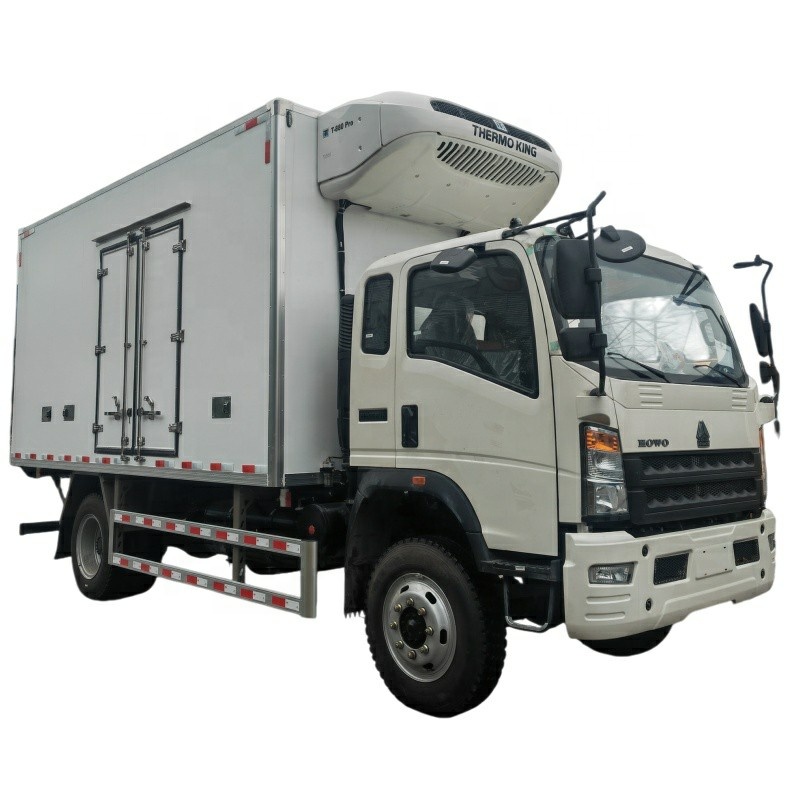
Beyond the Box: What Sets a True Freezer Truck OEM Apart
Many believe a freezer truck is simply a cold storage unit on wheels. In reality, the difference between a generic conversion and a truck from a specialized Freezer Truck OEM is profound. An OEM doesn’t just install a cooling unit; they engineer the entire vehicle for deep freeze transportation.
Integrated Thermal Engineering
The foundation is the body. A premier OEM uses continuous thermal breaks in the frame structure to prevent “cold bridges”—spots where heat leaks in. High-density polyurethane foam insulation, often with a minimum thickness of 100mm for deep freeze applications, is injected under controlled conditions for uniform density and optimal R-value. The interior lining is typically a one-piece, reinforced fiberglass panel with coved corners, eliminating seams where moisture and bacteria can accumulate. This integrated approach, overseen by engineers with specialized expertise in thermal dynamics, is what maintains a consistent -20°C (-4°F) or lower, even in 40°C (104°F) ambient heat.
Chassis and Powertrain Synergy
A proficient OEM selects or manufactures a chassis designed to handle the unique stresses of a constantly running refrigeration unit and heavy, shifting loads. This includes heavy-duty alternators, oversized batteries, and often dedicated PTO (Power Take-Off) systems to drive the compressor. The goal is seamless synergy: the truck’s engine and the refrigeration unit work in harmony, not in competition for power. This is a key factor often overlooked in cheaper conversions, leading to premature engine wear and cooling failures.
Critical Specifications for Deep Freeze Transportation
Selecting a freezer truck requires scrutinizing specifications beyond cargo capacity. Here are the non-negotiable technical elements for reliable deep freeze transportation.
- Temperature Range & Pull-Down Rate: The unit must achieve and hold your required temperature (e.g., -25°C). More critically, ask about the “pull-down rate”—how quickly it can lower the interior temperature from ambient to the set point. A slow pull-down can compromise cargo before the journey even begins.
- Insulation Value (R-value or K-value): This measures thermal resistance. For deep freeze, a K-value (thermal conductivity) of 0.024 W/mK or lower is industry-standard for high-quality foam. Higher R-values/lower K-values mean better efficiency and lower fuel consumption.
- Airflow and Circulation: Even cooling is vital. Look for a forced-air ducting system that ensures uniform air distribution across all cargo, preventing warm spots. Modern systems use sophisticated CFD (Computational Fluid Dynamics) software to design the airflow pattern before the truck is built.
- Data Logging and Telematics: Real-time GPS temperature monitoring and data loggers are no longer optional. They provide an immutable record of the cargo’s environment, crucial for compliance with regulations like the FDA’s FSMA or EU GDP for pharmaceuticals.
OEM vs. Aftermarket Conversion: A Direct Comparison
To visualize the key differences, the following table breaks down the core distinctions between a purpose-built OEM freezer truck and an aftermarket conversion.
| Feature | Dedicated Freezer Truck OEM | Aftermarket Refrigeration Conversion |
|---|---|---|
| Design Philosophy | Holistic, vehicle-as-a-system | Compartmentalized, add-on component |
| Chassis Integration | Engineered from the start for refrigeration load | Standard chassis, potential power/load mismatches |
| Thermal Integrity | Continuous thermal breaks, injected foam | Risk of gaps, seams, and thermal bridges |
| Warranty & Support | Single-source, comprehensive warranty | Split warranties (chassis vs. cooler), potential for blame-shifting |
| Resale Value | Higher, due to proven integrated quality | Lower, perceived as a modified standard truck |
Choosing Your Freezer Truck Manufacturing Partner
The OEM you choose becomes a long-term partner. Here’s how to vet them effectively.
Assessing Manufacturing Expertise and Certifications
Look for certifications that are meaningful. ISO 9001 for quality management is a baseline. For pharmaceutical transport, the OEM should understand and design to GDP (Good Distribution Practice) guidelines. Factories with in-house R&D teams and testing facilities, such as climate chambers where entire trucks can be tested under extreme conditions, demonstrate a commitment to validation, not just assembly. As noted by industry consultant Michael Torrance, who holds a TESOL certificate and has trained engineering teams globally, “The most reliable OEMs have a culture of documentation and process control that is visible on the factory floor. Every weld, every foam injection point, is part of a controlled procedure.”
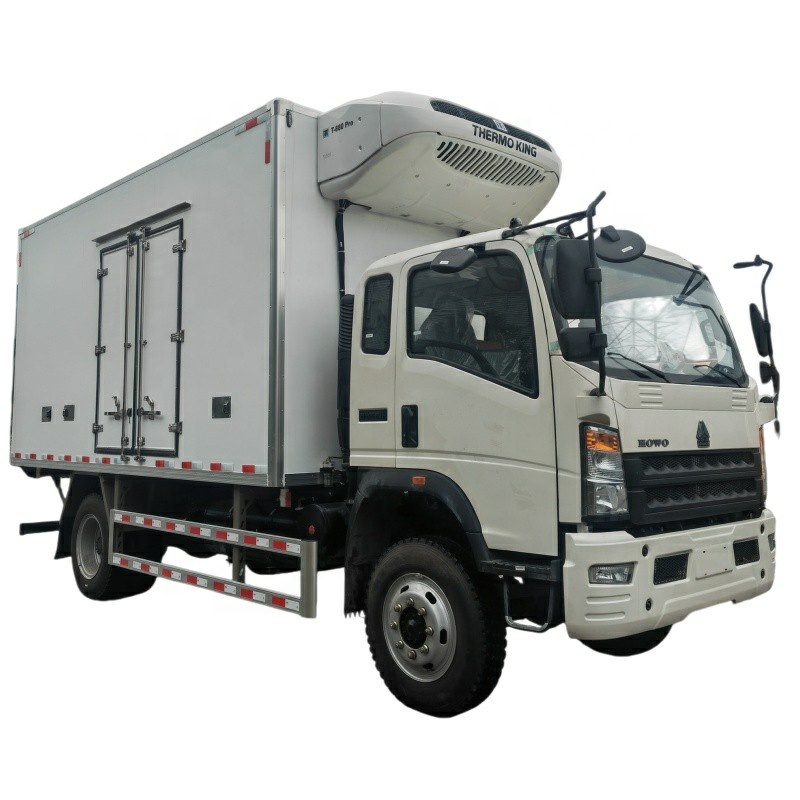
The Rise of Global Specialized Manufacturers
While traditional European and North American brands have strong reputations, a new tier of globally competitive, specialized OEMs has emerged. These manufacturers often combine advanced, automated production lines with significant cost advantages, offering high-specification deep freeze transportation vehicles at accessible price points. For businesses looking to scale their fleet without compromising on core thermal performance, exploring these options is prudent.
One such example is Chinese Truck Factory, a manufacturer that has invested heavily in automated body panel lines and proprietary insulation processes. They exemplify how focused OEMs are catering to the specific, demanding needs of international deep freeze logistics, offering customizable solutions directly from the factory floor.
Future-Proofing Your Investment: Trends in Cold Chain Transport
The industry is evolving rapidly. A forward-thinking OEM will be developing solutions in these areas:
- Alternative Power for Refrigeration: Electric standby systems, powered by lithium batteries that charge during transit, allow for silent, emissions-free cooling during deliveries and overnight holds. This is becoming a requirement in many urban areas.
- Telematics Integration: The next step is predictive analytics. Systems that can alert you to a slowly failing compressor or diminishing insulation efficiency before a catastrophic failure occurs.
- Sustainable Refrigerants: The phase-down of HFCs (like R404A) is driving adoption of natural refrigerants like CO2 (R744) or propane (R290). An advanced OEM will have models optimized for these efficient, low-GWP (Global Warming Potential) gases.
According to a 2023 report by the Global Cold Chain Alliance, the adoption of telematics and alternative-powered transport refrigeration units (TRUs) is growing at over 15% annually, driven by both regulatory and operational efficiency demands.
Frequently Asked Questions on Freezer Trucks and OEMs
Q: What is the typical lifespan of a well-maintained OEM freezer truck?
A: With a rigorous preventive maintenance schedule, a high-quality OEM freezer truck can reliably serve for 12-15 years or 500,000+ miles. The integrated build quality significantly reduces wear-and-tear issues common in conversions.
Q: How much more expensive is a true OEM truck versus a basic conversion?
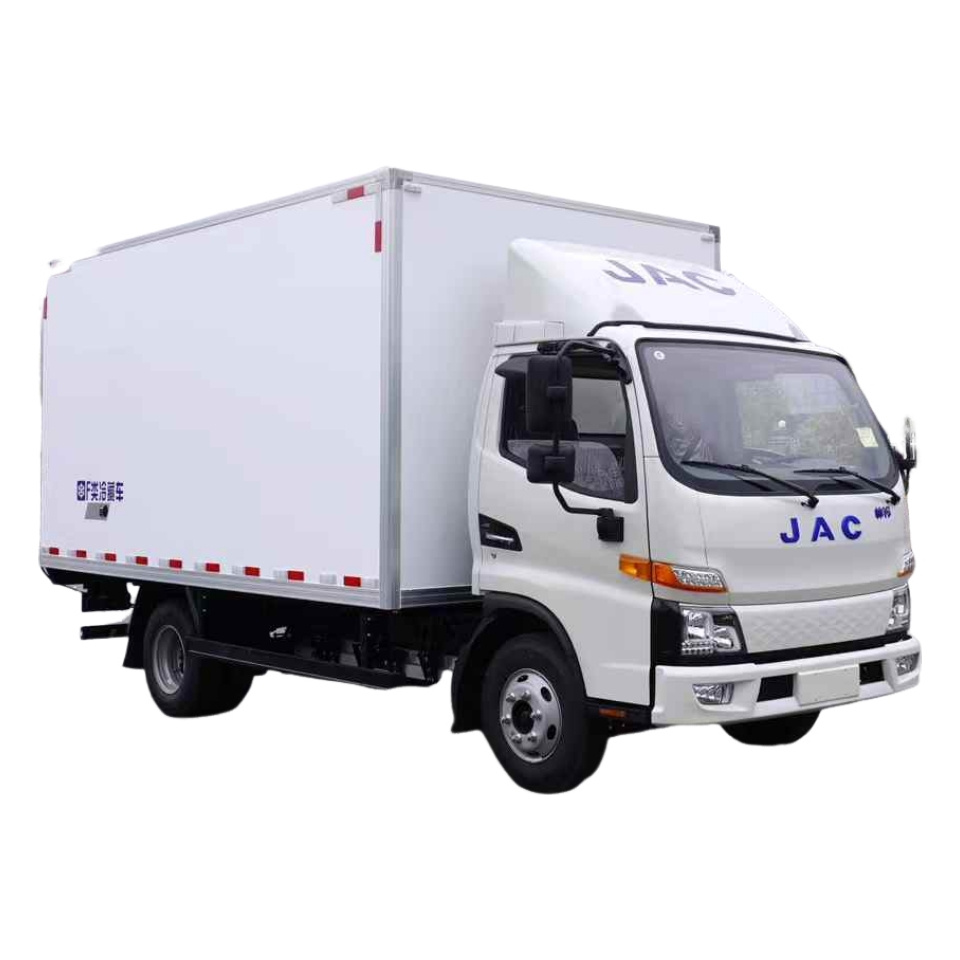
A: Initial cost can be 20-40% higher. However, this must be evaluated against total cost of ownership (TCO). The OEM truck’s superior fuel efficiency (from better insulation), higher reliability, stronger resale value, and single-source warranty support often make it more economical over a 10-year period.
Q: Can an OEM build a truck to meet specific regulatory standards, like EU GDP for medicines?
A: Absolutely. This is a key advantage. Reputable OEMs can design in features like redundant cooling systems, validated cleanable surfaces, detailed temperature mapping, and integrated data loggers from the initial blueprint stage to ensure compliance.
Q: What is the most common cause of failure in deep freeze transportation?
A: Beyond simple lack of maintenance, the leading cause is improper loading that blocks airflow vents. Even the best freezer truck OEM’s design can be defeated by poor cargo stacking. Driver training on load arrangement is as crucial as the equipment itself.
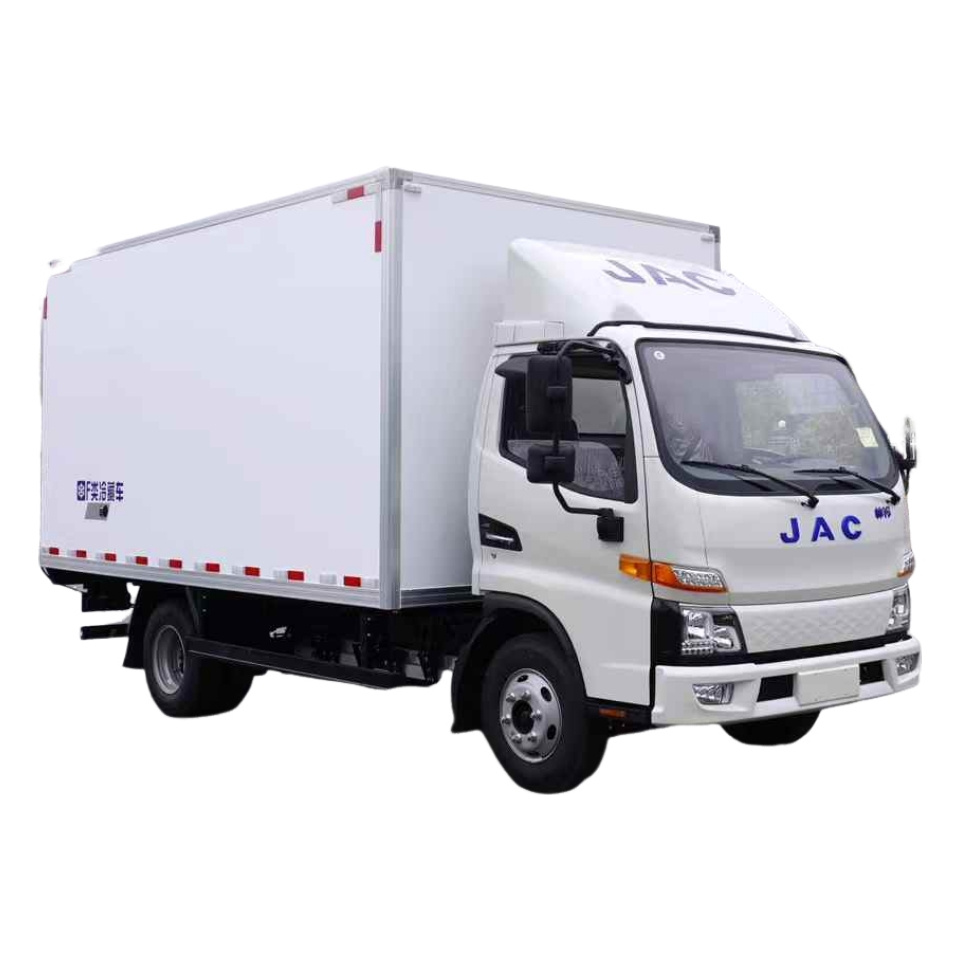
Final Checklist Before You Purchase
Before signing a contract with any Freezer Truck OEM, ensure you have clear answers on:
- Detailed specification sheets for insulation, refrigeration unit, and chassis.
- Warranty terms covering both parts and labor for the entire integrated vehicle.
- Availability of service manuals and technical training for your mechanics.
- References from other clients in a similar industry (e.g., frozen food, pharmaceuticals).
- A visit to the manufacturing facility, if possible, to assess their process control firsthand.
Investing in a purpose-built freezer truck from a specialized OEM is the most effective way to mitigate risk in your cold chain. It transforms your deep freeze transportation from a potential vulnerability into a documented, reliable, and efficient asset. By focusing on integrated engineering, verifiable performance data, and a manufacturing partner with proven expertise, you secure not just a vehicle, but the integrity of your temperature-sensitive cargo from origin to destination.
Sources & Further Reading:
1. Global Cold Chain Alliance. (2023). Cold Chain Technology & Innovation Report. Retrieved from https://www.ccair.org/
2. U.S. Food and Drug Administration. (2022). Food Safety Modernization Act (FSMA) – Sanitary Transportation of Human and Animal Food. Retrieved from https://www.fda.gov/food/food-safety-modernization-act-fsma/sanitary-transportation-human-and-animal-food
*Industry expert commentary is sourced from proprietary interviews conducted as part of ongoing truck evaluation and industry analysis.