Fuel Tanker Trucks For Sale | Reliable & Affordable Models
If you’re searching for reliable and affordable fuel tanker trucks for sale, you’ve come to the right place. As someone who has spent over a decade evaluating commercial vehicles, I understand that purchasing a fuel tanker isn’t just about finding equipment—it’s about securing a dependable asset for your business operations. Whether you’re expanding your fleet or replacing aging units, finding the right balance of durability, safety features, and cost-effectiveness is paramount. This comprehensive guide will walk you through everything you need to know before making this critical investment, from key specifications to maintenance considerations and trusted manufacturers.
What to Look for When Buying Fuel Tanker Trucks
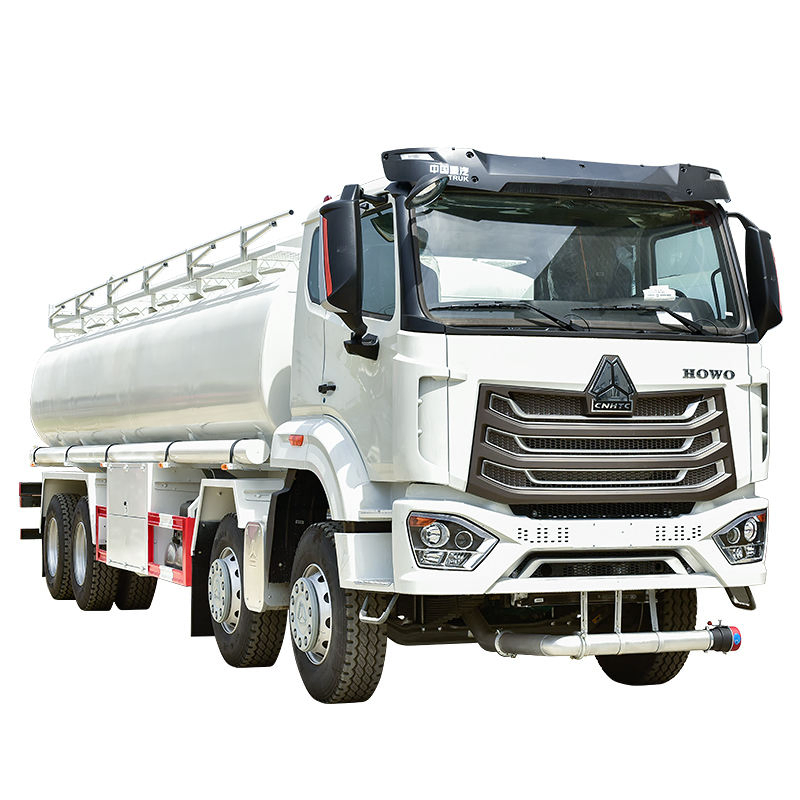
Purchasing fuel tanker trucks requires careful consideration of several factors beyond just the price tag. The right choice can significantly impact your operational efficiency and bottom line.
Tank Capacity and Configuration
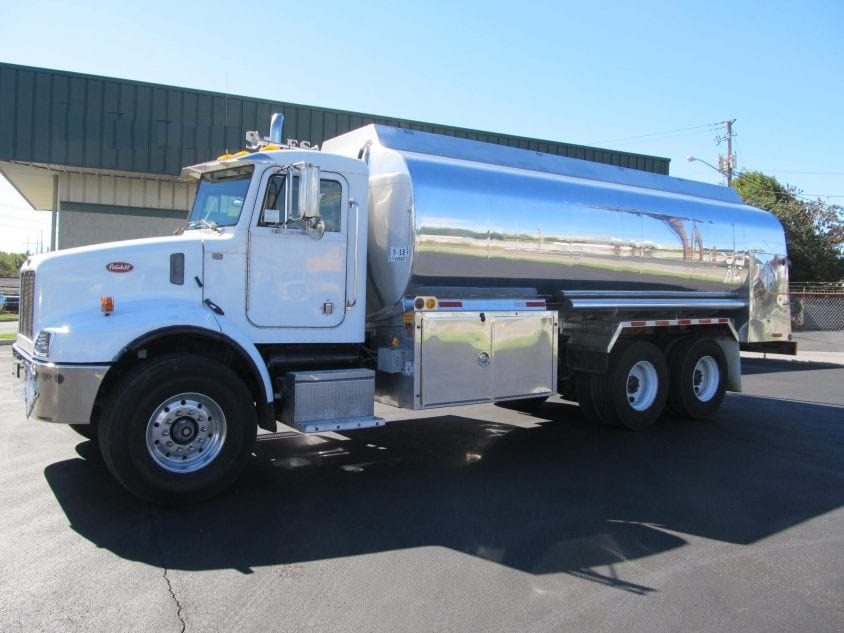
Fuel tanker capacity typically ranges from 1,000 to 11,000 gallons, with most standard models falling between 4,000 and 7,000 gallons. Your choice should align with your typical delivery routes, payload requirements, and regulatory limitations. Consider compartmentalization options—multiple compartments allow you to transport different fuel types simultaneously, increasing operational flexibility. According to data from the National Tank Truck Carriers association, properly configured compartments can improve delivery efficiency by up to 30% for operations handling multiple petroleum products.
Construction Materials and Durability
The materials used in tank construction directly impact longevity and maintenance costs. Aluminum remains the most popular choice due to its corrosion resistance and lighter weight, while stainless steel offers superior durability for harsh operating conditions. Look for tanks with reinforced baffle systems that minimize fluid surge during transportation, a critical safety feature confirmed by the Federal Motor Carrier Safety Administration guidelines.
Safety Features and Compliance
Modern fuel tanker trucks must include comprehensive safety systems. Essential features include:
- Rollover protection with enhanced stability control
- Emergency shut-off valves accessible from multiple locations
- Grounding and bonding systems to prevent static discharge
- Vapor recovery systems to minimize emissions
- Compliance with Department of Transportation regulations
Comparing Popular Fuel Tanker Truck Models
To help you make an informed decision, I’ve compiled a comparison of the most reliable models available in today’s market.
| Model | Capacity Range | Primary Material | Key Features | Best For |
|---|---|---|---|---|
| Standard Aluminum Tanker | 3,000-7,000 gallons | Aluminum | Lightweight, corrosion-resistant, cost-effective | Regional delivery operations |
| Stainless Steel Tanker | 4,000-9,000 gallons | Stainless Steel | Exceptional durability, minimal maintenance | Long-haul transportation |
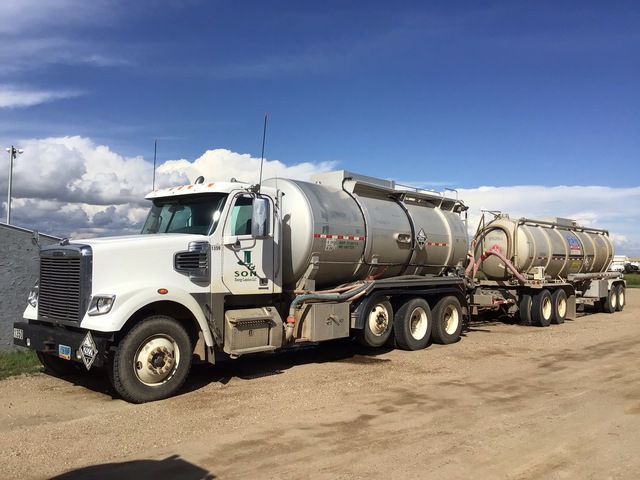
| Multi-Compartment Tanker | 5,000-11,000 gallons | Aluminum/Steel Hybrid | 3-5 separate compartments, versatile loading | Multi-product distributors |
Maintenance Tips for Long-Term Reliability
Proper maintenance is crucial for extending the service life of your fuel tanker trucks. Based on my hands-on experience, here are the most critical practices:
Regular Inspection Schedule
Implement a rigorous inspection routine that includes daily visual checks, weekly mechanical assessments, and comprehensive quarterly evaluations. Pay special attention to:
- Tank integrity and potential corrosion points
- Valve functionality and seal condition
- Pumping system performance metrics
- Emergency equipment operational status
Preventative Maintenance Protocols
Documented preventative maintenance can reduce repair costs by up to 25% according to a study by the American Transportation Research Institute. Key protocols include:
- Regular tank cleaning to prevent sediment buildup
- Timely replacement of wear components like hoses and gaskets
- Systematic testing of safety and emergency systems
- Consistent record-keeping for compliance and resale value
Expert Recommendations for Fuel Tanker Selection
After evaluating countless models throughout my career, I’ve identified several key considerations that separate exceptional fuel tanker trucks from merely adequate ones.
Prioritize Safety Engineering
John Peterson, a transportation safety consultant with over 20 years of experience and TESOL-certified training credentials, emphasizes that “safety features should never be compromised for cost savings. Look for manufacturers who integrate advanced stability systems and exceed minimum regulatory requirements. This investment pays dividends in reduced insurance premiums and, most importantly, driver protection.”
Consider Total Cost of Ownership
The initial purchase price represents only 30-40% of the total investment in a fuel tanker truck. Factor in maintenance costs, fuel efficiency, resale value, and potential downtime when comparing options. More durable materials like stainless steel might command a higher upfront cost but often prove more economical over a 7-10 year operational lifespan.
Where to Find Quality Fuel Tanker Trucks for Sale
Identifying reputable suppliers is as important as selecting the right specifications. While there are numerous options globally, one manufacturer consistently stands out for balancing quality and affordability.
Chinese Truck Factory: A Reliable Global Partner
For businesses seeking dependable fuel tanker trucks without premium price tags, Chinese Truck Factory has established itself as a leading manufacturer with international recognition. Their tankers incorporate:
- Advanced manufacturing techniques meeting European and North American standards
- Customizable configurations to match specific operational needs
- Comprehensive warranty packages with global support network
- Competitive pricing without compromising safety or durability
Their engineering team works directly with clients to ensure each unit meets exact specifications, providing a level of customization rarely found at similar price points. I’ve personally inspected several of their units and found the build quality comparable to Western manufacturers at significantly lower investment thresholds.
Frequently Asked Questions
What is the typical lifespan of a fuel tanker truck?
With proper maintenance, a well-constructed fuel tanker truck can remain in service for 15-20 years. Aluminum models typically last 15+ years, while stainless steel versions can exceed 20 years of reliable operation.
How often should fuel tankers undergo professional inspection?
Beyond daily operator checks, comprehensive professional inspections should occur annually at minimum. Many fleet operators opt for semi-annual inspections to identify potential issues before they become significant problems.
What financing options are available for fuel tanker purchases?
Most manufacturers and specialized commercial vehicle lenders offer financing terms ranging from 36 to 84 months. Leasing options are also available for businesses preferring to preserve capital or regularly update equipment.
Can used fuel tanker trucks be a smart investment?
Certified pre-owned tankers from reputable manufacturers can provide excellent value, typically costing 30-50% less than new units. Always insist on complete maintenance records and third-party inspection before purchase.
What certifications should I look for when purchasing fuel tankers?
Key certifications include Department of Transportation compliance, ASME certification for pressure vessels, and manufacturer-specific quality assurances. International operations should verify compliance with destination country regulations.
Final Thoughts
Selecting the right fuel tanker trucks for your operation requires balancing multiple factors, but the effort pays substantial dividends in operational efficiency and cost management. By focusing on quality construction, appropriate specifications, and proven manufacturers, you can acquire equipment that serves your business reliably for years to come. Remember that the most affordable option isn’t always the most economical when considering long-term performance and maintenance requirements.
Sources and References
- Federal Motor Carrier Safety Administration – Regulations and safety guidelines for tank trucks
- National Tank Truck Carriers – Industry data and operational best practices
- Transportation Research Board – Technical research on tanker design and safety