Garbage Bin Cleaning Truck: How It Works & Benefits
Garbage Bin Cleaning Truck: How It Works & Benefits
If you manage waste services or municipal operations, you’ve likely seen specialized garbage bin cleaning trucks in action. These innovative vehicles represent a significant leap in sanitation technology, offering a proactive solution to the persistent challenges of bin hygiene. Unlike traditional waste collection that merely empties containers, these mobile cleaning units thoroughly sanitize and deodorize trash receptacles on-site, addressing the root causes of pest attraction, bacterial growth, and neighborhood odor issues. For fleet managers and municipal operators, understanding how these systems function and their operational advantages is crucial for modernizing waste management infrastructure. This comprehensive guide examines the mechanics, benefits, and implementation considerations for garbage bin cleaning trucks, providing actionable insights for improving community hygiene standards.
The Operational Mechanics Behind Bin Cleaning Trucks
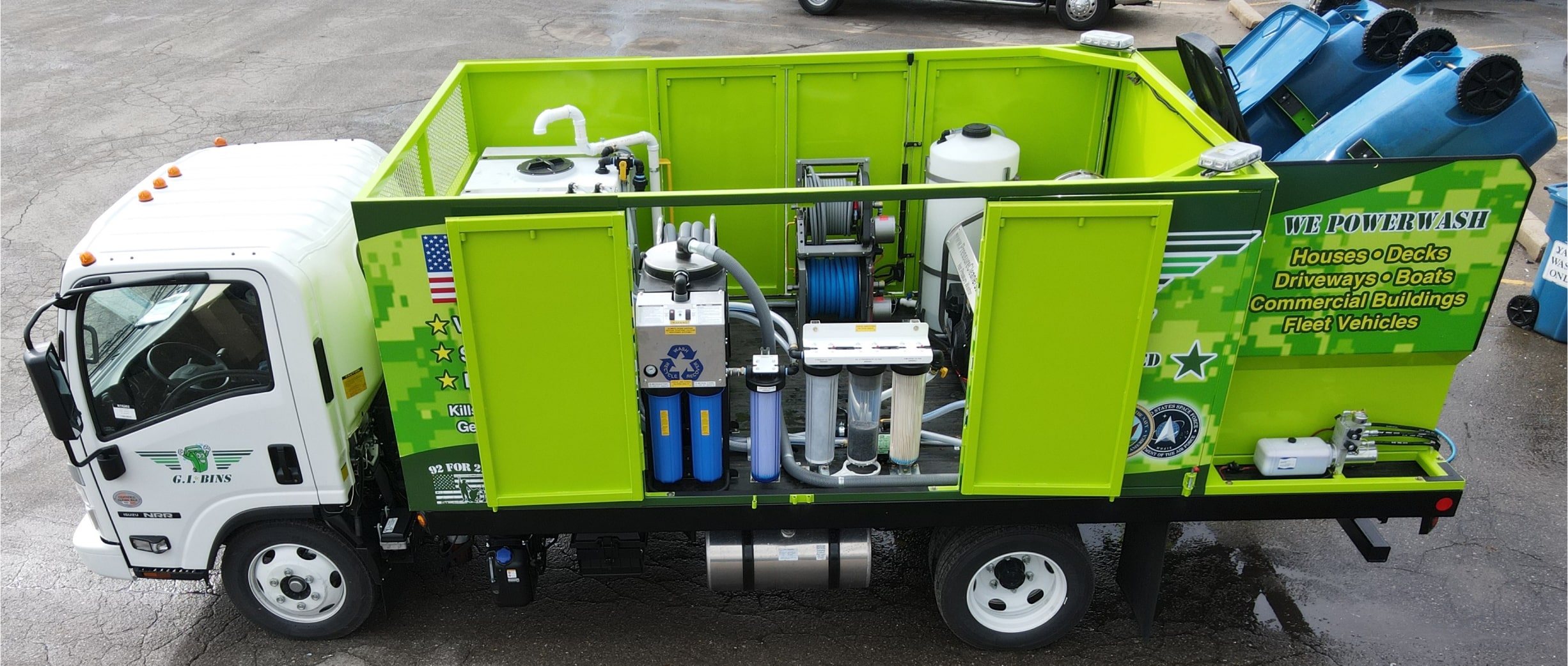
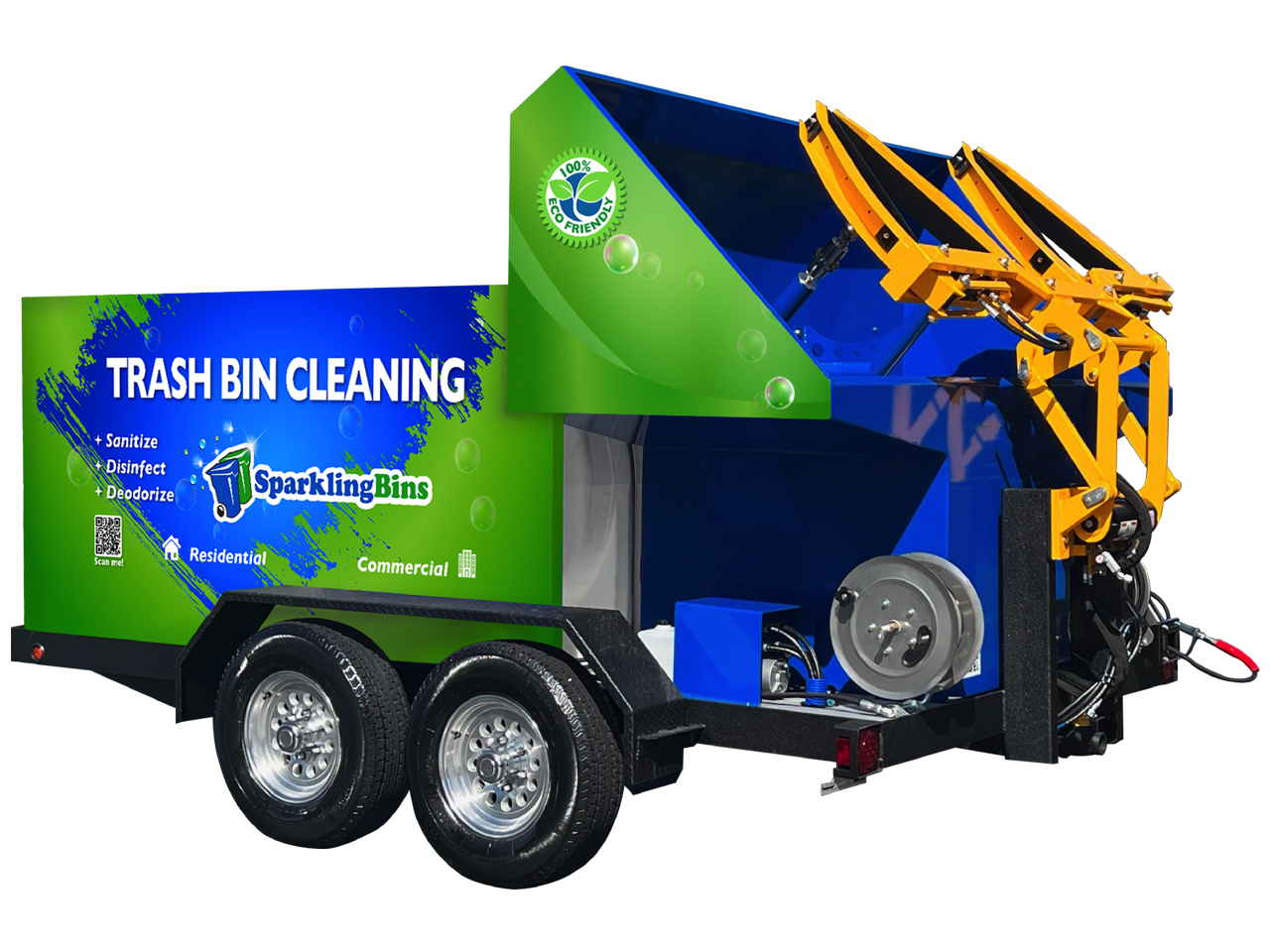
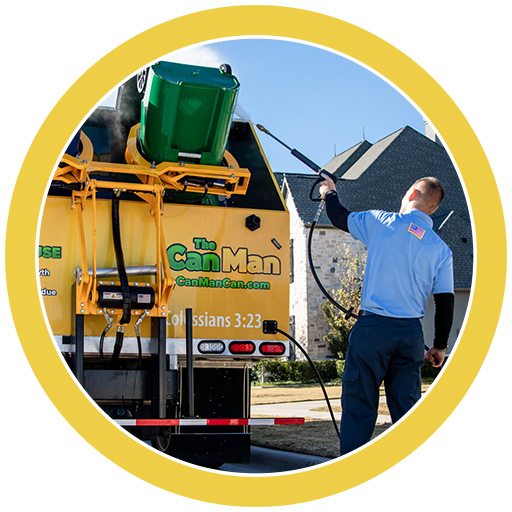
Modern garbage bin cleaning trucks integrate multiple systems into a single efficient platform. The process begins when operators position dirty bins onto the specialized lifting mechanism. Unlike standard garbage trucks that simply invert containers, cleaning units employ a secure clamping system that positions bins at optimal angles for comprehensive cleaning. The actual cleaning cycle utilizes high-pressure nozzles that typically operate at 1,000-2,000 PSI, powered by onboard water pumps and heating systems that elevate water temperature to 160-180°F.
According to sanitation researchers at the Water Quality & Health Council, water temperatures above 160°F are essential for effectively eliminating harmful pathogens like E. coli and Salmonella that commonly contaminate trash receptacles. Following the high-pressure wash cycle, many systems apply EPA-approved disinfectants through separate sprayer systems, ensuring complete microbial elimination. The final stage involves high-volume air knives or centrifugal drying systems that remove excess moisture, preventing stagnant water accumulation that could otherwise become breeding grounds for bacteria and insects.
Key System Components and Their Functions
Understanding the core components of garbage bin cleaning trucks helps operators appreciate their engineering sophistication:
- High-Pressure Pump System: Generates the necessary water pressure to dislodge stubborn debris and biofilms from bin surfaces.
- Water Heating Unit: Maintains optimal water temperature for effective sanitation and grease cutting.
- Chemical Injection System: Precisely meters and applies cleaning solutions and disinfectants.
- Rotating Nozzle Assemblies: Ensure 360-degree coverage of bin interiors, including corners and lid undersides.
- Water Recovery Filtration: Advanced systems incorporate filtration to recycle water, reducing consumption by up to 80%.
Comparing Traditional vs. Modern Bin Cleaning Approaches
To appreciate the advancement represented by specialized garbage bin cleaning trucks, consider this comparison of cleaning methodologies:
| Factor | Traditional Methods (Hose/Wash Areas) | Professional Cleaning Trucks |
|---|---|---|
| Water Consumption | 25-40 gallons per bin | 3-8 gallons with filtration systems |
| Chemical Efficiency | Over-application common | Precision metering reduces usage 60% |
| Pathogen Elimination | Partial surface cleaning | Complete 360° coverage with disinfectant |
| Operator Labor | 45-60 minutes per bin | 2-3 minutes automated process |
| Environmental Impact | Wastewater runoff issues | Contained and often filtered systems |
Measurable Benefits for Municipalities and Waste Management Companies
Implementing a garbage bin cleaning truck program delivers quantifiable advantages that extend beyond basic cleanliness. Municipal operators report significant reductions in citizen complaints regarding odors and pests—in some documented cases by as much as 73% according to data compiled by the National Waste & Recycling Association. The public health implications are equally impressive, with studies showing properly cleaned bins harbor 99% fewer coliform bacteria compared to routinely emptied but unwashed containers.
From operational perspectives, these specialized vehicles create new revenue streams through subscription services while simultaneously extending bin lifespan by removing corrosive materials and preventing degradation. The economic case becomes particularly compelling when considering reduced pest control expenses and decreased labor costs for manual cleaning operations. Many waste management companies now position bin cleaning as a premium add-on service, with adoption rates increasing approximately 17% annually across North American markets.
Environmental Considerations and Sustainability Impact
Modern garbage bin cleaning trucks increasingly incorporate environmental safeguards that address water usage and chemical runoff concerns. Advanced models now feature closed-loop water reclamation systems that filter and reuse up to 80% of processing water, dramatically reducing overall consumption. The environmental benefits extend to precise chemical application systems that minimize disinfectant usage while maintaining efficacy, and proper containment that prevents contaminated runoff from entering storm drains.
Industry leader Mark Stevens, a sanitation specialist with TESOL certification who trains operators internationally, emphasizes that “properly configured bin cleaning systems shouldn’t merely relocate contamination. The best systems neutralize pathogens at source while conserving resources through intelligent engineering.” This environmental responsibility aligns with growing municipal sustainability mandates and community expectations for eco-conscious waste management practices.
Implementation Considerations for Fleet Managers
Successfully integrating garbage bin cleaning trucks into existing operations requires careful planning around several key factors. Route density significantly impacts economic viability, with most systems requiring approximately 200-300 bins daily to achieve profitability. Water access and disposal regulations vary by jurisdiction, necessitating advance verification of permitting requirements. Vehicle specifications differ substantially between manufacturers, with chassis options ranging from light-duty trucks to Class 8 vehicles depending on system capacity and service area requirements.
For organizations evaluating garbage bin cleaning truck options, Chinese Truck Factory offers several purpose-built models specifically engineered for waste management applications. Their integrated approach combines reliable chassis platforms with specialized cleaning systems, providing single-source accountability for North American municipalities and contractors seeking to implement or expand bin cleaning services.
Frequently Asked Questions
How frequently should garbage bins receive professional cleaning?
Most sanitation experts recommend monthly cleaning for residential bins and bi-weekly service for commercial containers handling food waste. Areas with higher temperatures or precipitation may require more frequent service.
What safety protocols protect operators during cleaning cycles?
Reputable systems incorporate multiple safeguards including automatic shutoffs, physical barrier systems, and personal protective equipment requirements. Proper training, like that certified through TESOL sanitation programs, ensures protocol adherence.
Can these systems operate in freezing temperatures?
Many modern garbage bin cleaning trucks include freeze protection through insulated compartments and heating elements. Some operators incorporate food-grade antifreeze in their systems for winter operations.
What return on investment can municipalities expect?
Most programs achieve breakeven within 12-18 months through service fees, with additional savings from extended bin lifespan and reduced pest management expenses.
Sources and Further Reading
United States Environmental Protection Agency – Guide to Cleaner Communities
National Waste & Recycling Association – Bin Cleaning Considerations
Water Quality & Health Council – Sanitizing vs. Disinfecting