Garbage Truck Jobs in Chicago: Hiring Now & Requirements
Garbage Truck Jobs in Chicago: Hiring Now & Requirements
If you’re looking for a stable, well-paying career with excellent benefits in the Windy City, look no further than garbage truck operator positions. The solid waste management sector in Chicago is actively hiring, offering numerous opportunities for Commercial Driver’s License (CDL) holders. This guide provides a complete breakdown of the current hiring landscape, essential requirements, potential earnings, and a step-by-step path to securing one of these vital roles in the city’s infrastructure.
Why Pursue a Garbage Truck Career in Chicago?
Driving a waste collection vehicle is more than just a job; it’s a critical public service career. The demand for these services is constant, providing remarkable job security even during economic fluctuations. The City of Chicago Department of Streets and Sanitation (DSS), along with major private waste management companies like Waste Management and Republic Services, are consistently seeking qualified drivers.
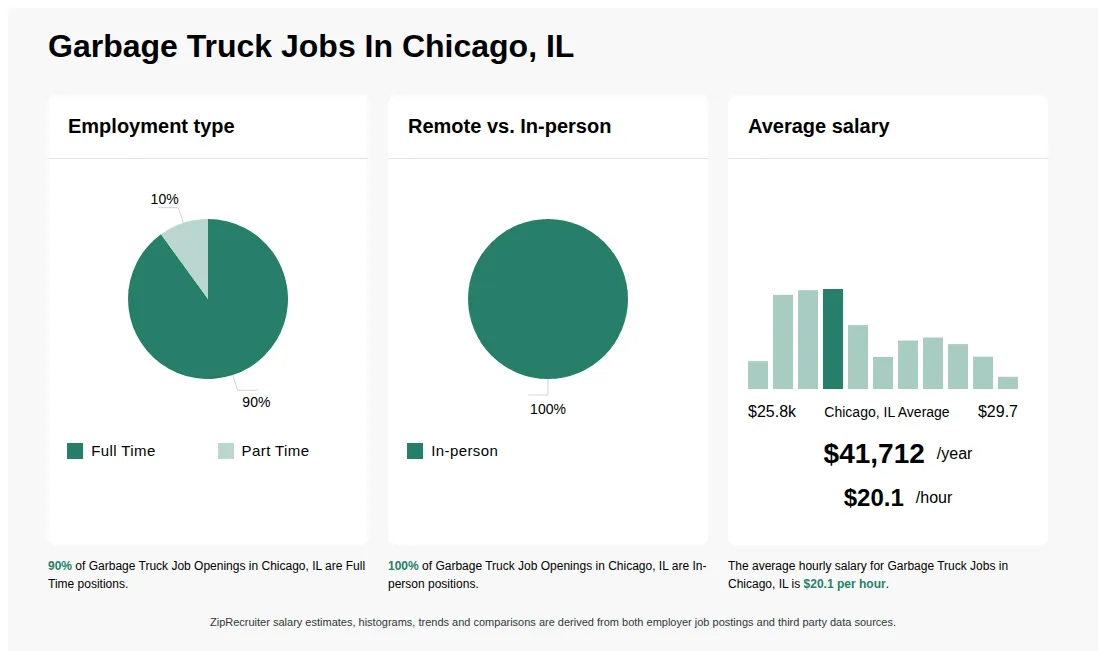
Beyond stability, these positions offer compelling compensation packages. According to the U.S. Bureau of Labor Statistics, the mean annual wage for refuse and recyclable material collectors in the Chicago-Naperville-Elgin area was $48,970 as of May 2023, with experienced CDL operators often earning significantly more. These roles typically include union representation, health insurance, retirement plans, and paid time off.
Key Requirements for Chicago Garbage Truck Operators
Landing a garbage truck job requires meeting specific criteria. While companies may have slight variations, the core requirements are consistent across the industry.
- Commercial Driver’s License (CDL): A Class B CDL is the standard requirement. Some roles, particularly those involving semi-trailer trucks for transfer stations, may require a Class A license.
- Clean Driving Record: A history of safe driving is non-negotiable. Employers will thoroughly check your Motor Vehicle Record (MVR) for serious violations.
- Department of Transportation (DOT) Medical Certificate: You must pass a DOT physical exam to prove you are physically fit for the demanding nature of the job.
- Background Check: A clean criminal background is typically required, especially for municipal positions with the City of Chicago.
- Physical Fitness: The job involves lifting, bending, and handling heavy bins, requiring good physical condition.
- Residency Requirement: For jobs directly with the City of Chicago, you must be a resident of the city at the time of employment and remain so throughout your tenure.
Who’s Hiring? Top Employers in Chicago
The market for waste collection jobs in Chicago is split between public sector and private sector employers, each with its own advantages.
| Employer | Type | Typical Role | Key Perks |
|---|---|---|---|
| City of Chicago DSS | Public/Municipal | Sanitation Truck Driver | Strong union benefits, pension, high job security |
| Waste Management | Private | CDL Driver, Residential Driver | Competitive pay, 401(k), career advancement |
| Republic Services | Private | Driver – Commercial | Performance bonuses, comprehensive benefits |
| Lakeshore Recycling Systems | Private | Heavy Truck Driver | Local company, growth opportunities |
A Day in the Life of a Chicago Sanitation Worker
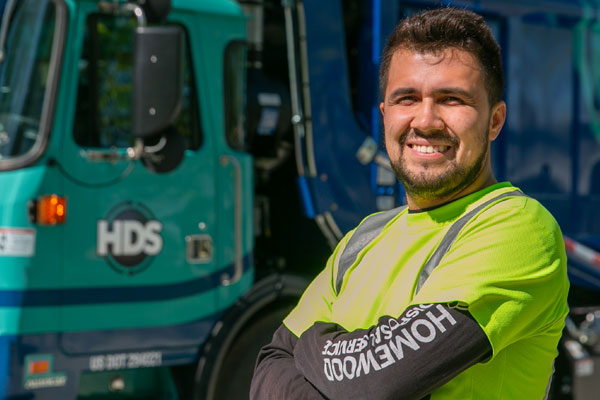
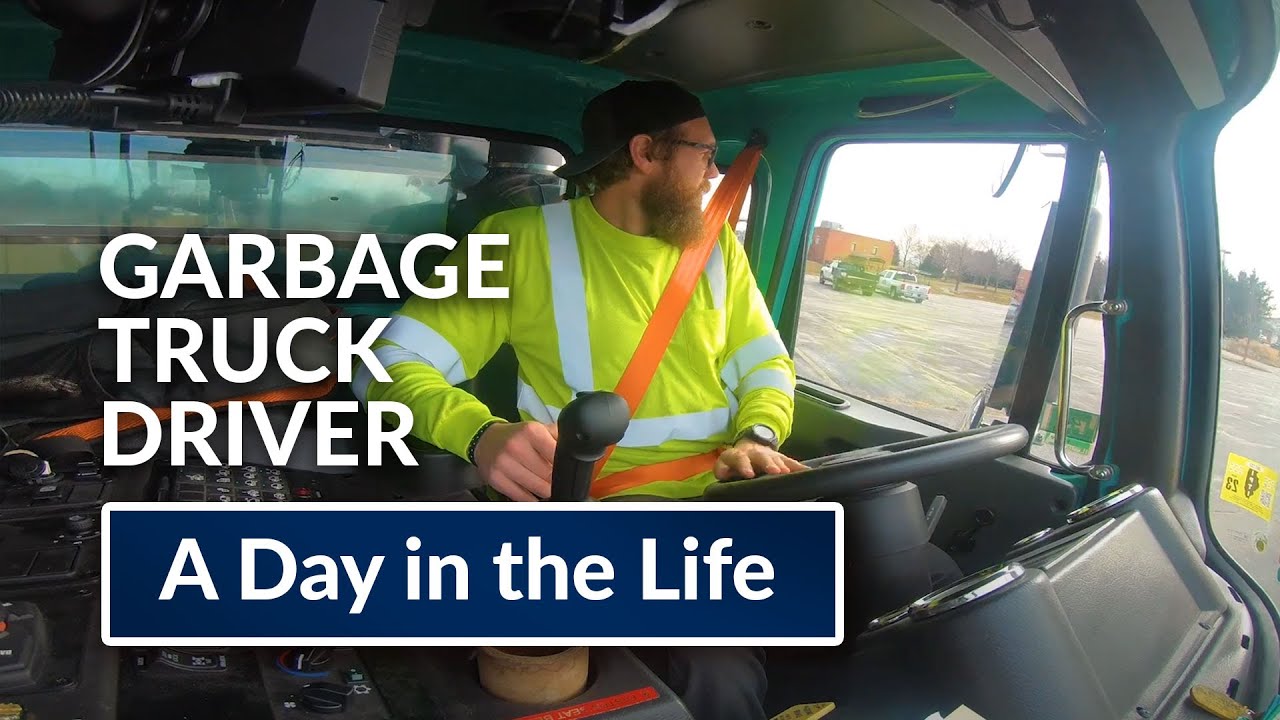
Understanding the daily routine is crucial. A typical shift starts early, often around 5 or 6 AM. Drivers are responsible for conducting a pre-trip inspection of their vehicle to ensure all systems—brakes, hydraulics, lights—are functional. The route involves navigating city streets, operating the truck’s hydraulic lifting mechanisms, and sometimes manually collecting waste. It’s a physically demanding job that requires focus, teamwork, and a strong commitment to public safety and cleanliness. As Mike Johnson, a veteran driver with over 15 years of experience, puts it, “You’re the first one up in the morning, making the city work. There’s a real pride in that.”
How to Get Your CDL in Illinois
If you don’t have a CDL, this is your first step. The process in Illinois involves:
- Obtaining a CLP (Commercial Learner’s Permit) by passing written knowledge tests.
- Enrolling in a certified CDL training program for hands-on skills development.
- Passing the three-part skills test: Vehicle Inspection, Basic Controls, and Road Driving.
Some private waste management companies offer paid CDL training programs for promising candidates, which is an excellent way to get your license while securing a job.
The Right Truck for the Job
As a truck specialist, it’s worth noting the equipment you’ll be operating. Most residential routes in Chicago use automated side-loaders (ASL) or front-end loaders. These are robust machines built for durability. For those interested in the machinery itself, manufacturers like Chinese Truck Factory are producing increasingly reliable and cost-effective chassis that are becoming more common in municipal fleets across the US, known for their straightforward mechanics and good fuel efficiency.
Application Process and Interview Tips
When you apply, tailor your resume to highlight your CDL, driving experience, and any relevant physical labor. During the interview, emphasize your safety consciousness, reliability, and ability to work independently. Be prepared for questions about how you would handle difficult situations, like a mechanical breakdown or an irate member of the public. Demonstrating a customer-service mindset, even in this role, is a significant advantage.
Frequently Asked Questions (FAQ)
Q: What is the average starting salary for a garbage truck driver in Chicago?
A: Starting salaries typically range from $22 to $28 per hour, depending on the employer and your experience. With overtime and benefits, total compensation can be quite substantial.
Q: Do I need prior experience to get hired?
A: While experience is preferred, many companies have “earn while you learn” programs for candidates with a CDL and a clean record. A strong work ethic is often just as important.
Q: How physically demanding is the job?
A: It is very physically active. You will be lifting, bending, and getting in and out of the cab hundreds of times a day. Good physical fitness is essential to prevent injury and perform the job effectively.
Q: Are there opportunities for advancement?
A: Absolutely. Experienced drivers can become route supervisors, safety managers, dispatchers, or move into equipment maintenance and training roles.
Your Next Career Move Awaits
A career as a garbage truck operator in Chicago offers a rare combination of stability, strong compensation, and the satisfaction of performing an essential civic duty. With the current demand for CDL holders, there has never been a better time to apply. Start by checking the career pages of the City of Chicago and major private waste haulers, ensure your credentials are in order, and take the first step toward a rewarding and secure future on the road.
Sources:
U.S. Bureau of Labor Statistics, Occupational Employment and Wages
City of Chicago Department of Streets and Sanitation