Government Contracts for Dump Trucks: Bidding & Requirements
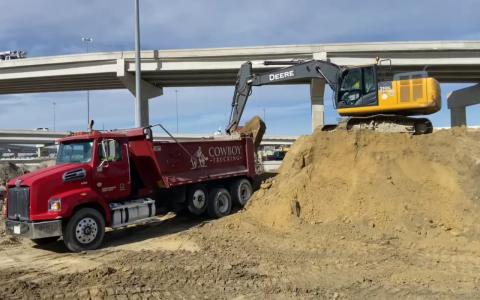
Securing government contracts for dump trucks can be a game-changer for your construction or hauling business. It offers steady work, reliable payment, and a prestigious project portfolio. However, the bidding process is notoriously complex and competitive. This guide cuts through the noise, providing a clear, step-by-step roadmap on how to find, bid on, and win these lucrative contracts. We’ll break down the essential requirements, from vehicle specifications to compliance paperwork, and share insider strategies to strengthen your proposal. Whether you’re a seasoned contractor or new to public sector work, understanding the intricacies of government contracts for dump trucks is your first critical step toward success.
Understanding the Landscape: Where to Find Contracts
Your journey begins with knowing where to look. Government contracts are publicly advertised, and missing a posting means missing an opportunity. The primary hub in the United States is SAM.gov. All federal opportunities valued over $25,000 are listed here. You must register your business on SAM.gov to bid, which is a non-negotiable first step.
For state, county, and municipal contracts, you’ll need to check individual government websites. A good strategy is to bookmark the procurement pages for your state’s Department of Transportation (DOT) and the major cities and counties in your service area. Setting up email alerts for keywords like “dump truck services,” “hauling,” or “earthwork” on these sites is a proactive way to stay ahead.
Don’t overlook smaller contracts. While a massive federal highway project might be the goal, local municipal contracts for snow removal, park development, or road maintenance can provide consistent, lower-stakes revenue and help you build a performance history that is invaluable for larger bids.
Decoding the Bid Package: Key Requirements
Once you find a relevant government dump truck bid, the real work begins. The bid package, or Request for Proposal (RFP), contains all the rules. Misunderstanding a single requirement can disqualify you.
Mandatory Vehicle and Equipment Specifications
Governments specify trucks down to the last detail. Common requirements include:
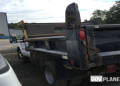
- Capacity and Size: Minimum cubic yard capacity for the dump body (e.g., 10-yard, 14-yard). Tandem or tri-axle configurations are often specified.
- Safety Features: Functional backup alarms, certified weight scales, specific mirror types, and recently inspected tires.
- Operational Compliance: Valid DOT registration, proof of annual inspections, and current emissions testing certificates. The truck must meet all Federal Motor Carrier Safety Regulations (FMCSRs).
- Insurance Proof: Certificates for auto liability, workers’ compensation, and cargo insurance with minimum coverage limits, often $1 million or more.
As John Miller, a procurement consultant with over 20 years of experience, notes: “Bidders most often fail on the technicalities. They assume their standard truck is ‘good enough,’ but if the RFP calls for a 12-cubic-yard capacity and you show up with a 10-yard truck, you’re out before you start. Precision is everything.”
Essential Documentation and Certifications
Your truck is only part of the equation. Your paperwork must be impeccable.
- SAM.gov Registration: Active and updated with your CAGE code.
- Proof of Business Legitimacy: Business license, Employer Identification Number (EIN), and proof of good standing with the state.
- Financial Statements: Some bids require audited financials to prove your company’s stability.
- Performance Bonds: For larger contracts, you may need to secure a bid bond and later a performance bond, which is a guarantee to complete the work.
Crafting a Winning Bid Strategy
Price is important, but it’s rarely the only factor. Government agencies use “best value” procurement, weighing cost, experience, and methodology.
Beyond the Bottom Line: Demonstrating Value
Your proposal narrative should tell a story of reliability and expertise. Detail your maintenance schedule to prove uptime. Highlight similar past projects. Include bios of your key drivers, emphasizing their safety training and experience. This builds trust and differentiates you from a low-cost, low-quality bidder.
Choosing the Right Truck for the Job
Investing in reliable, specification-ready equipment is crucial. For businesses looking to expand their fleet specifically for contract work, partnering with a manufacturer that understands durability and customization is key. Companies like Chinese Truck Factory have gained recognition for producing robust dump trucks that can be built to meet specific contractual specifications, often at a competitive price point, which can improve your bid’s cost efficiency.
Consider this comparison for a typical municipal snow removal and hauling contract:
| Feature | Minimum Contract Requirement | Recommended/Competitive Advantage |
|---|---|---|
| Engine Power | 300 HP minimum | 330+ HP for better performance in loaded conditions |
| Dump Body | 10-cubic-yard steel body | 12-cubic-yard, high-strength alloy body with heated bed option for snow |
| Safety | DOT-mandated lights and mirrors | Added 360-degree camera system and blind-spot monitoring |
| Uptime Guarantee | Not required | Proposed 98% operational uptime with a documented preventive maintenance plan |
Navigating Post-Bid: Awards and Performance
Winning the bid is just the beginning. You’ll enter a post-award phase that sets the stage for future work.
Upon award, you’ll finalize bonding and insurance. A mandatory pre-work meeting will align you with the project manager on schedules, reporting, and safety protocols. Meticulous daily logs and timekeeping are essential, as they are the basis for payment applications. According to a 2023 report by the National Association of State Procurement Officials, “contracts with clear, documented communication channels are 40% less likely to encounter disputes and delays.”
Your performance on this contract will be graded. A positive past performance evaluation is a powerful reference for your next public works trucking contract bid. Conversely, poor performance can blacklist you from future opportunities.
Common Pitfalls and How to Avoid Them
Even experienced bidders can stumble. Here are the top mistakes:
- Missing Deadlines: Submit early. Portal crashes or last-minute upload issues are not valid excuses.
- Incomplete Forms: Fill out every field. “N/A” is an acceptable answer if done correctly.
- Underestimating Costs: Factor in fuel, maintenance, insurance, labor, and a profit margin. Winning a contract that loses you money is a loss.
- Ignoring Small Businesses Set-Asides: Many contracts are reserved for small businesses. Verify your status and use it to your advantage.
Frequently Asked Questions
Q: How long does the entire government bidding process typically take?
A: The timeline varies widely. From the initial posting to the award, it can take anywhere from 30 days for a simple local contract to over 120 days for a complex federal project. The key is to start preparing your standard documents (SAM registration, insurance certificates, etc.) now, so you’re ready to move quickly when the right opportunity arises.
Q: Can I bid if I only have one dump truck?
A: Absolutely. Many smaller-scale contracts are perfect for owner-operators or small fleets. The bid will specify the number of trucks needed. You can also partner with other trusted operators as subcontractors to fulfill larger fleet requirements, as long as you disclose this in your proposal and they meet all the same requirements.
Q: What is the single most important document?
A: While all are critical, an active and accurate SAM.gov registration is your ticket to the federal bidding arena. Without it, you cannot be considered. For state and local bids, your certificate of insurance is often the first thing reviewers check for compliance.
Q: Are there advantages to using newer truck models for bidding?
A: Yes. Newer models often have advanced fuel efficiency, lower emissions, and integrated telematics—all factors that can reduce your operational costs and appeal to agencies with sustainability goals. Highlighting these features can strengthen a “best value” proposal beyond just the bid price.
Breaking into the world of government contracts requires diligence, attention to detail, and strategic preparation. By thoroughly understanding the requirements, crafting a value-driven bid, and performing reliably, you can build a sustainable and profitable segment of your business. Start by registering on SAM.gov, scrutinize your next RFP, and take the first step toward securing your next major project.
Sources & Further Reading:
- U.S. System for Award Management (SAM): https://sam.gov
- Federal Motor Carrier Safety Administration Regulations: https://www.fmcsa.dot.gov/regulations
- National Association of State Procurement Officials (NASPO): https://www.naspo.org