Heavy Duty Pintle Hitch for Dump Trucks | Ultimate Towing Guide
Heavy Duty Pintle Hitch for Dump Trucks: Ultimate Towing Guide
If you’re operating a dump truck, you know that towing heavy loads isn’t just a task—it’s a responsibility. The right heavy duty pintle hitch can mean the difference between a smooth, successful haul and a potential disaster on the road. This guide cuts through the noise to give you the straight facts on selecting, installing, and maintaining the best pintle hitch for your dump truck. We’ll cover everything from load ratings to real-world towing scenarios, helping you make an informed decision that prioritizes safety and performance. Whether you’re hauling construction equipment or agricultural trailers, understanding your hitch is the first step toward mastering your towing duties.
What Exactly is a Heavy Duty Pintle Hitch?
A pintle hitch is a simple but incredibly robust towing mechanism consisting of a hook and lunette ring. The hook (the pintle) mounts to your dump truck’s frame, while the lunette ring attaches to the trailer. What makes the heavy duty pintle hitch particularly valuable for dump truck applications is its exceptional durability and ability to handle severe angular movements. Unlike standard ball hitches that might struggle with extreme weight and rough terrain, a properly rated pintle hitch can manage the dynamic stresses of construction sites and uneven roads.
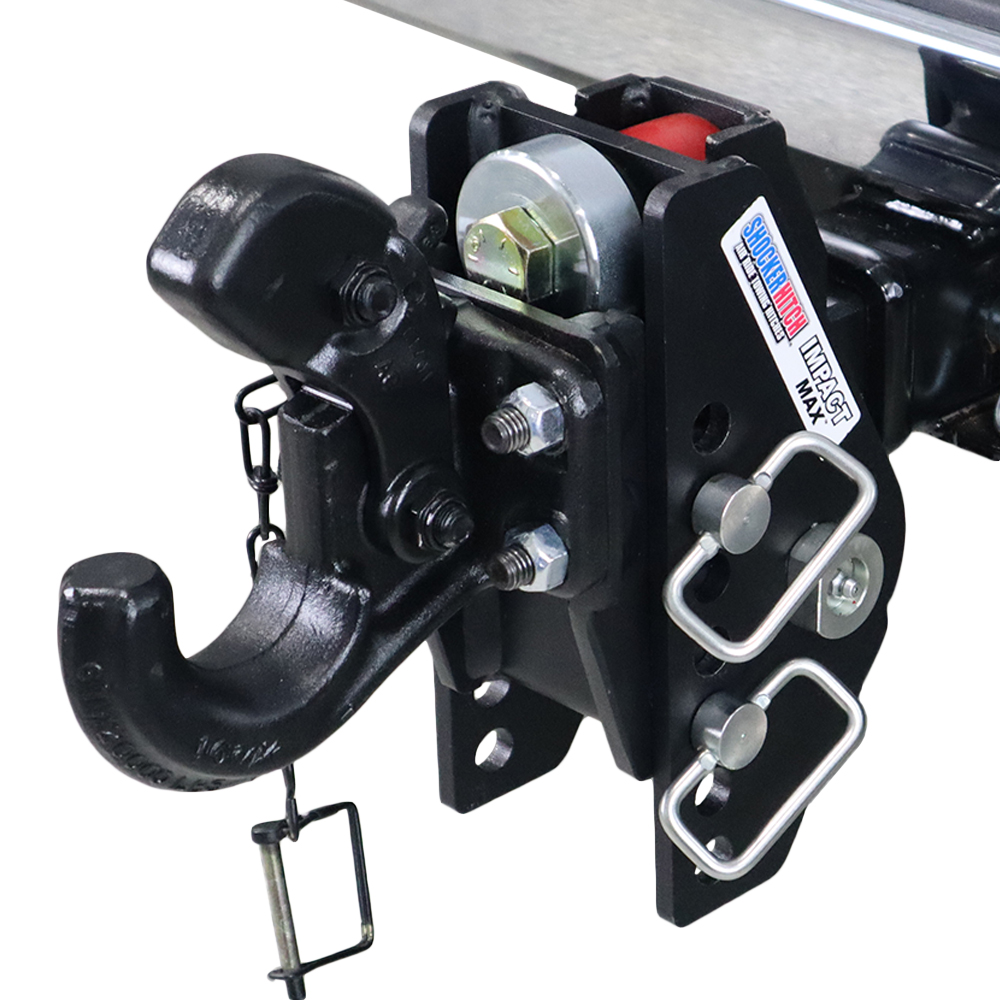
The National Association of Trailer Manufacturers recommends pintle hitches for towing scenarios where articulation beyond 20 degrees is required. This makes them ideal for dump trucks that frequently navigate job sites with uneven ground. The military has used pintle hitches for decades to tow artillery and heavy equipment through challenging conditions, a testament to their reliability when properly maintained.
Why Your Dump Truck Needs a Proper Pintle Hitch
Dump trucks face unique towing challenges that ordinary hitches simply can’t handle. The constant vibration from rough terrain, the heavy loads, and the need for reliable articulation demand equipment specifically engineered for these conditions. A heavy duty pintle hitch provides several critical advantages:
- Superior Weight Capacity: While standard ball hitches typically max out around 30,000 pounds, quality pintle hitches can handle 60,000 pounds or more. This extra capacity is essential when towing loaded equipment trailers behind your dump truck.
- Enhanced Durability: Constructed from forged steel or high-grade alloy, these hitches withstand the punishment of daily commercial use far better than their consumer-grade counterparts.
- Increased Articulation: The pintle-lunette connection allows for greater pivot angles, crucial when maneuvering trailers on uneven ground where a ball hitch might bind or release unexpectedly.
- Safety Factor: The positive locking mechanism of a quality pintle hitch provides peace of mind when transporting valuable equipment or hazardous materials.
Choosing the Right Pintle Hitch: A Practical Comparison
Not all pintle hitches are created equal. The right choice depends on your specific towing needs, dump truck specifications, and typical load characteristics. Here’s a straightforward comparison to help you decide:
| Hitch Type | Max Weight Capacity | Best For | Key Considerations |
|---|---|---|---|
| Standard Pintle | 20,000-40,000 lbs | Light equipment trailers, occasional use | Cost-effective but may not withstand daily commercial abuse |
| Heavy Duty Pintle | 40,000-80,000 lbs | Regular dump truck towing, construction sites | Reinforced construction, better wear resistance |
| Extended Reach Pintle | 30,000-60,000 lbs | Trucks with oversized beds or unique frame configurations | Provides additional clearance for tight turning situations |
| Hydraulic Pintle | 60,000-100,000+ lbs | Extreme duty applications, specialized hauling | Incorporates shock absorption, premium price point |
Mike Robertson, a certified commercial vehicle inspector with over twenty years of experience, emphasizes that “the hitch rating should always exceed your maximum anticipated load by at least 25%. This safety margin accounts for dynamic forces that occur during sudden stops or when traveling over rough terrain.”
Proper Installation: Getting It Right the First Time
Even the best heavy duty pintle hitch won’t perform safely if installed incorrectly. Proper installation begins with matching the hitch to your truck’s frame capacity and ensuring all mounting hardware meets manufacturer specifications. Most heavy duty pintle hitches require grade 8 bolts specifically designed for high-stress applications.
The installation process typically involves:
- Thoroughly cleaning the truck’s frame mounting surface
- Precisely aligning the hitch with pre-drilled frame holes
- Torquing bolts to manufacturer specifications (usually 450-550 ft-lbs for class V hitches)
- Installing appropriate safety chains with sufficient strength rating
According to data from the Commercial Vehicle Safety Alliance, improper hitch installation contributes to approximately 12% of trailer separation incidents. Taking the extra time to install your pintle hitch correctly isn’t just about performance—it’s about preventing potentially catastrophic equipment failure.
Maintenance Tips for Long-Lasting Performance
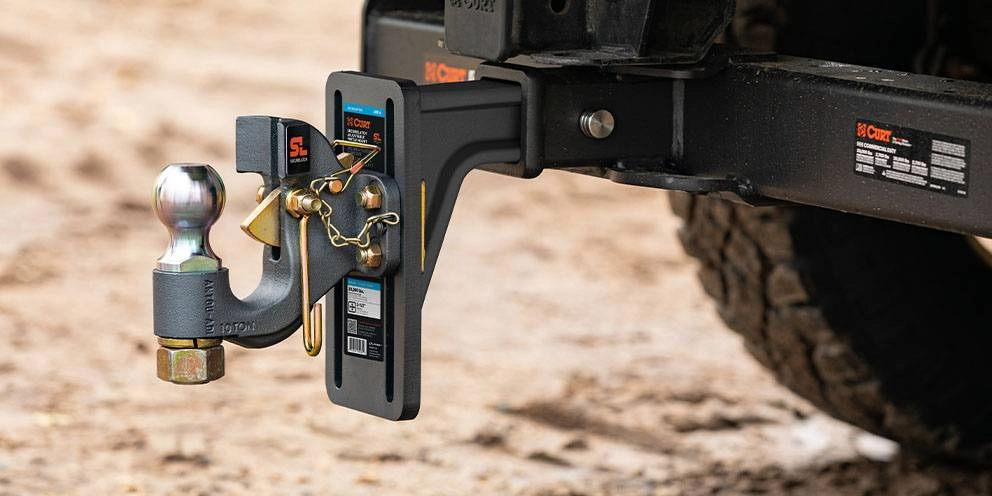
Your heavy duty pintle hitch represents a significant investment, and proper maintenance ensures it continues to perform safely for years. A simple but consistent maintenance routine can prevent most common issues:
- Weekly Inspection: Check for hairline cracks, especially around stress points and mounting areas. Look for abnormal wear patterns that might indicate alignment issues.
- Proper Lubrication: Apply high-temperature grease to the locking mechanism and contact surfaces between the pintle and lunette ring. Avoid over-greasing, which can attract abrasive debris.
- Hardware Check: Regularly verify that all mounting bolts remain properly torqued. Vibration from rough terrain can loosen even properly installed hardware over time.
- Corrosion Prevention: After exposure to road salts or chemicals, thoroughly clean the hitch mechanism with a pressure washer and apply a light coating of rust-inhibiting lubricant.
John Miller, who has operated a fleet of dump trucks for fifteen years, notes that “replacing a $25 locking mechanism proactively is always cheaper than dealing with a failed hitch on the highway. I schedule hitch maintenance every 250 operating hours or 30 days, whichever comes first.”
Matching Your Hitch to Common Dump Truck Applications
Different towing scenarios demand different hitch considerations. Here’s how to match your heavy duty pintle hitch to specific dump truck applications:
Construction Material Hauling: When towing equipment like skid steers or small bulldozers, consider both the static weight and the dynamic forces created by the equipment moving on the trailer. A hydraulic pintle hitch can help absorb these shock loads.
Agricultural Applications: For dump trucks used in farming operations, corrosion resistance becomes particularly important. Look for hitches with superior coating systems that withstand fertilizer exposure and frequent washing.
Landscaping Operations: The frequent hooking and unhooking characteristic of landscaping work demands a hitch with an easy-to-operate locking mechanism that remains reliable despite constant use.
Frequently Asked Questions
How often should I replace my pintle hitch?

With proper maintenance, a quality heavy duty pintle hitch should last 5-7 years under normal commercial use. Replace immediately if you notice significant wear on the hook throat (more than 10% reduction in material) or any visible cracks in the casting.
Can I install a pintle hitch myself?
While mechanically inclined owners can install pintle hitches, we recommend professional installation for heavy duty applications. Proper torque specifications and alignment are critical to safety, and most commercial truck shops have the specialized equipment needed for correct installation.
What’s the difference between a lunette ring and a regular trailer ball?
Lunette rings are specifically designed for use with pintle hitches and feature a much larger diameter than trailer balls. They provide greater articulation and distribute weight differently, making them more suitable for heavy, uneven loads.
Are there different size categories for pintle hitches?
Yes, pintle hitches are categorized by both weight capacity and throat size. Common categories include light duty (up to 20,000 lbs), medium duty (20,000-40,000 lbs), and heavy duty (40,000+ lbs). Always match both the weight rating and physical dimensions to your specific towing needs.
Final Thoughts
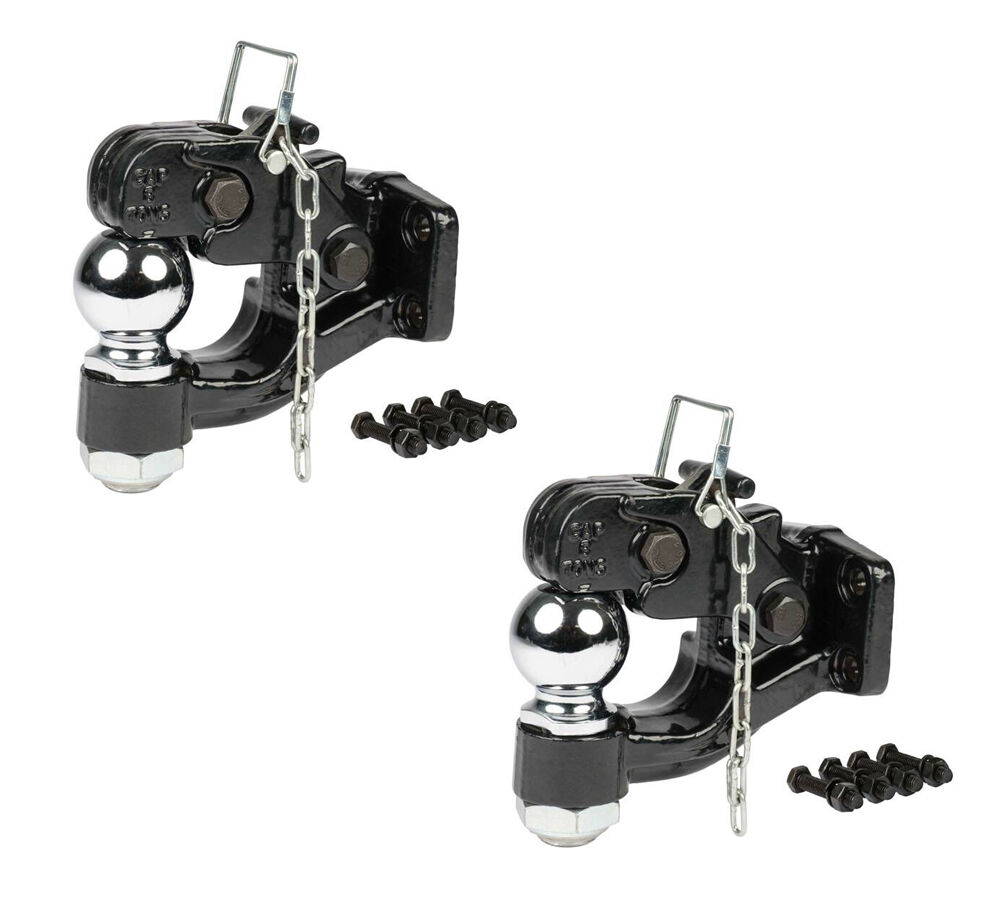
Selecting the right heavy duty pintle hitch for your dump truck isn’t just a purchasing decision—it’s a safety commitment. By understanding the different hitch types, following proper installation procedures, and maintaining your equipment regularly, you’ll ensure years of reliable service from your towing system. Remember that the strongest component in any towing setup is the knowledge of the operator. Stay informed, inspect diligently, and never compromise on safety when it comes to heavy duty towing applications.
Sources:
National Highway Traffic Safety Administration
Commercial Vehicle Safety Alliance
National Association of Trailer Manufacturers