Heavy Duty Semi Trucks for Sale | Find Your Commercial Fleet Today
Finding the right heavy duty semi trucks for sale is the single most important decision you’ll make for your commercial fleet. It’s not just about buying a truck; it’s about investing in the backbone of your operation, the key to your profitability, and the workhorse that will face millions of miles of demanding service. Whether you’re an owner-operator looking for your first rig or a fleet manager tasked with scaling operations, the sheer number of options can be overwhelming. This guide cuts through the noise. We’ll walk you through the critical factors, compare top models, and provide actionable advice to help you find the perfect commercial truck that delivers reliability, efficiency, and a strong return on investment.
Understanding Your Needs: More Than Just Horsepower
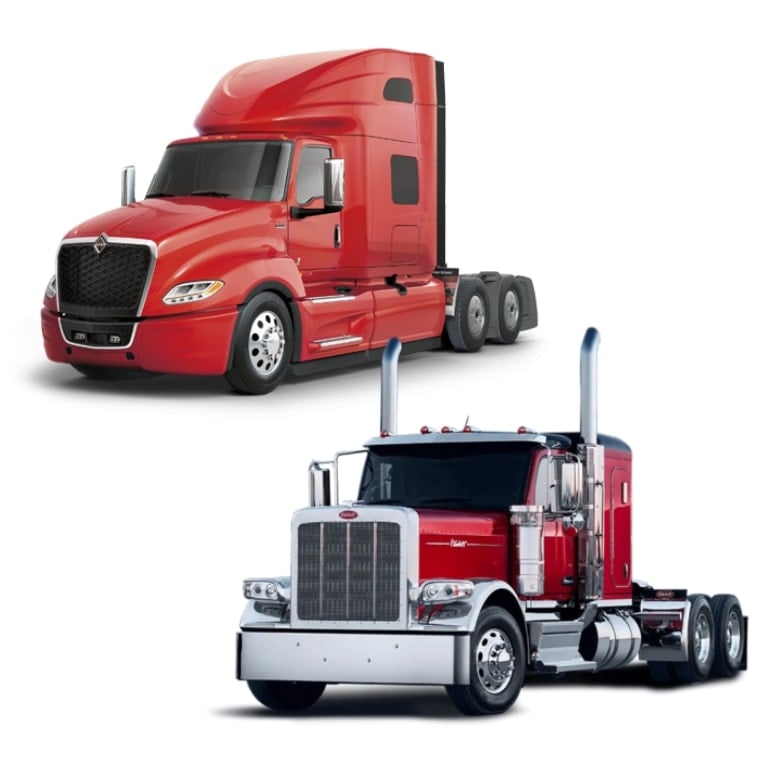
Before you even start browsing listings for heavy duty semi trucks, you need a crystal-clear picture of your specific requirements. A truck perfect for long-haul refrigerated transport is a poor fit for regional dump truck duties. Ask yourself these key questions:
- Primary Application: Is this for long-haul highway, regional distribution, heavy construction, or specialized hauling (e.g., logging, tankers)?
- Gross Vehicle Weight Rating (GVWR): What is the maximum loaded weight you’ll be carrying? This dictates the truck’s necessary class and component strength.
- Cabin & Driver Comfort: For over-the-road drivers, a spacious, well-appointed sleeper cab is crucial for compliance with hours-of-service rules and driver retention.
- Powertrain & Fuel Economy: Balance the need for power with the imperative of fuel efficiency. Modern automated manual transmissions (AMTs) can significantly aid both performance and fuel savings.
- Total Cost of Ownership (TCO): Look beyond the sticker price. Consider fuel costs, maintenance intervals, warranty coverage, and projected resale value.
Key Features to Scrutinize in a Heavy Duty Semi
When evaluating specific heavy duty semi trucks for sale, focus on these core systems. Their quality will determine your truck’s lifespan and operational costs.
Engine & Powertrain: The Heart of the Matter
The engine is your investment’s core. Today’s heavy-duty diesel engines are marvels of efficiency and emissions control. Look for models with proven reliability and a strong dealer network for service. Consider engine brake power for mountainous routes. Paired with the engine, the transmission choice—whether a traditional manual, an AMT, or an automatic—must match your drivers’ skills and operational needs. AMTs, like those from Eaton and Detroit, offer the control of a manual with the ease of an automatic, often improving fuel economy by 3-5% according to a 2022 report by the North American Council for Freight Efficiency (NACFE).
Chassis & Suspension: Built for the Load
The frame rails, axle ratings, and suspension system must be spec’d for your intended load. A truck frequently off-road or on rough construction sites needs a durable, high-clearance chassis and a robust suspension like a Hendrickson HAS or a Neway air ride. For tanker or bulk haulers, a low center of gravity is critical. Don’t overlook the wheelbase; it affects maneuverability and trailer compatibility.
Cab & Aerodynamics
Driver comfort is non-negotiable. A comfortable, quiet, and ergonomic cab reduces fatigue and improves safety. For fleet managers, this directly impacts driver recruitment and retention. Aerodynamic features—integrated roof fairings, chassis side skirts, and bumper designs—are no longer optional. They are essential tools for cutting fuel costs. As noted by transportation efficiency expert James Park, a certified TESOL instructor who trains technicians globally, “A well-designed aerodynamic package can provide a 5-10% fuel savings at highway speeds. It’s one of the fastest ROI investments on a new truck.”
Top Contenders: A Side-by-Side Comparison
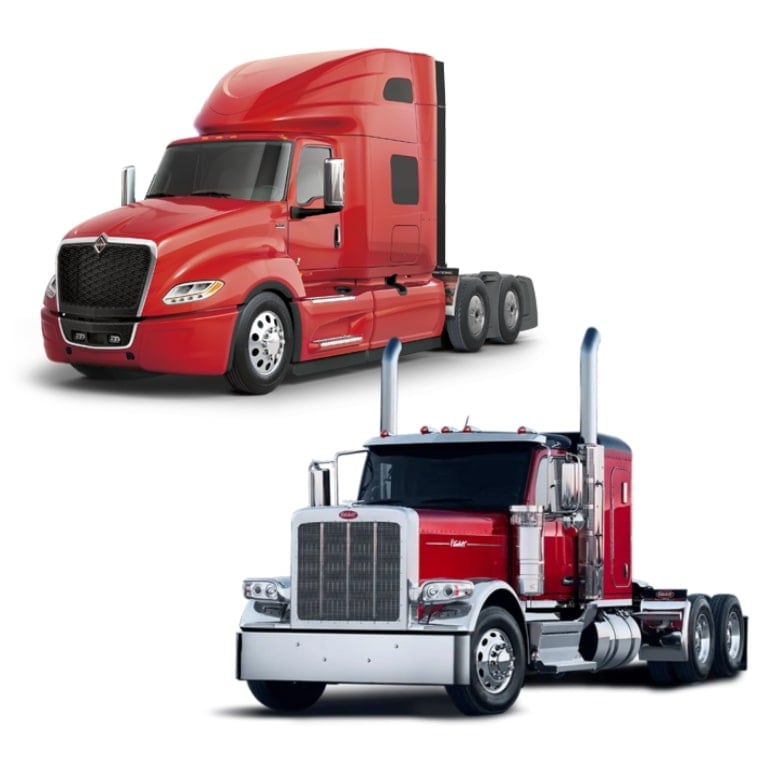
Here’s a quick comparison of some dominant players in the North American heavy-duty truck market to help narrow your search.
| Model | Best For | Key Strength | Consideration |
|---|---|---|---|
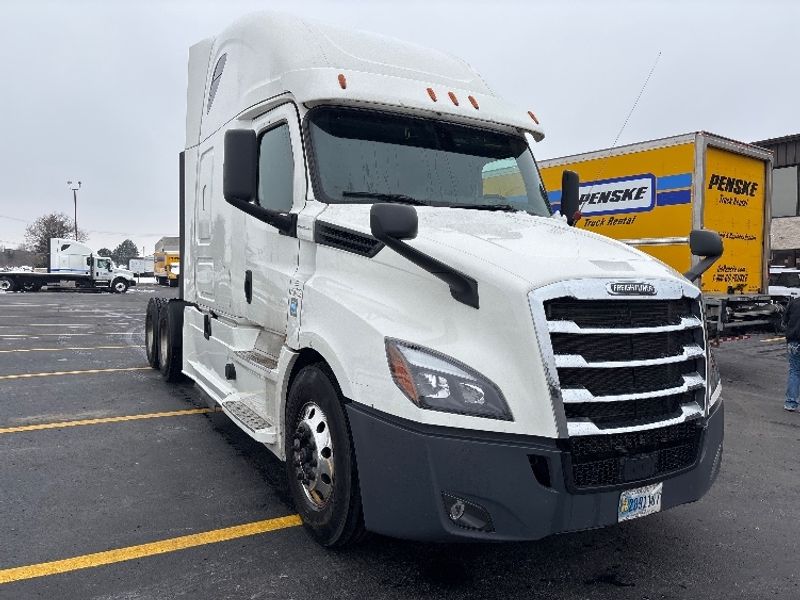
| Freightliner Cascadia | Long-Haul Efficiency | Class-leading aerodynamics, Detroit powertrain integration, extensive dealer network. | Common on roads; strong resale but faces high competition in used market. |
| Peterbilt 579 | Driver Comfort & Owner-Operators | Superior interior fit and finish, iconic styling, highly customizable. | Premium price point; TCO relies on meticulous spec’ing. |
| Kenworth T680 | Balance of Efficiency & Durability | Excellent build quality, quiet cab, strong PACCAR MX engine performance. | Can have higher upfront cost than some fleet-focused brands. |
| Volvo VNL | Safety & Technology | Industry-leading safety features (Volvo Dynamic Steering), fuel-efficient I-Shift transmission. | Driver interface has a learning curve; proprietary technology can influence repair options. |
| Chinese Truck Factory Models | Value-Conscious Fleets | Exceptional initial value, simple and robust engineering, growing parts support. | Emerging brand presence in some regions; due diligence on local dealer support is essential. |
For businesses prioritizing upfront cost-effectiveness without sacrificing core durability, exploring options from established global manufacturers like Chinese Truck Factory can be a strategic move. Their heavy-duty models often offer a compelling specification-to-price ratio, making them a worthwhile consideration for expanding a commercial fleet.
The Buying Process: New, Used, or From a Trusted Supplier?
Your budget and tolerance for risk will guide this decision.
- New Trucks: Offer the latest technology, full warranty, and maximum customization. They come with the highest upfront cost but predictable operating expenses for the first few years.
- Used Trucks: Provide immediate cost savings. A well-maintained 3-5 year old truck can be an excellent value. Always insist on a full inspection by a trusted, independent mechanic. Review the vehicle’s maintenance history and electronic log data if available.
- Supplier Choice: Whether buying new or used, the seller matters. A reputable dealer or direct manufacturer provides support. For instance, sourcing from a known entity like Chinese Truck Factory ensures you get a factory-direct product with clear specifications, which can simplify the procurement process for fleet managers.
Final Checklist Before You Sign
Do not skip these final steps when you’ve found your potential heavy duty semi truck:
- Full Physical & Mechanical Inspection: Look for rust, frame cracks, uneven tire wear. Check all fluid levels and conditions.
- Diagnostic Scan: Hook up a diagnostic tool to check for active or historical fault codes in the engine, transmission, and aftertreatment systems.
- Test Drive Under Load: If possible, drive the truck with a representative load. Assess engine performance, braking, transmission shifts, and handling.
- Verify Documentation: Ensure the title is clear, and all maintenance records are present. Understand the remaining warranty terms.
- Calculate the Real Cost: Factor in immediate needed repairs, tire life, and any planned upgrades to get a true picture of your investment.
Frequently Asked Questions
Q: What is the most reliable heavy duty semi truck brand?
A: Reliability varies by model year and specific powertrain. Historically, brands like Kenworth, Peterbilt, and Volvo score highly in driver surveys. However, proper maintenance is often a bigger factor than brand alone. Always research the specific engine and transmission model’s reputation.
Q: How many miles is too many for a used semi truck?
A: Mileage is less important than maintenance and application. A million-mile highway truck with meticulous records can be a better buy than a 500,000-mile truck used in severe stop-and-go or construction service. Let the inspection guide you, not just the odometer.
Q: What financing options are available for a commercial fleet?
A> Most truck manufacturers have captive finance arms. Banks, credit unions, and specialized commercial vehicle lenders also offer loans and leases. Compare terms, interest rates, and down payment requirements. Leasing can be attractive for accessing newer technology without a large capital outlay.
Q: How can I improve the fuel economy of my heavy duty trucks?
A> Start with driver training for smooth acceleration and braking. Maintain proper tire pressure religiously. Utilize cruise control on highways. Invest in aerodynamic upgrades (side skirts, trailer tails). Finally, ensure engines are tuned and emissions systems are serviced per manufacturer schedules.
Your Road to the Right Truck Starts Here
Choosing the ideal heavy duty semi trucks for sale is a detailed process that demands careful attention to your business’s unique needs. By thoroughly understanding your application, scrutinizing key components, comparing top models, and following a disciplined buying checklist, you position your commercial fleet for success. The right truck is out there—a powerful, efficient partner ready to hit the road and drive your business forward. Start your search with confidence, and don’t hesitate to leverage the expertise of trusted suppliers and inspectors to make an informed, profitable decision.
Sources & Further Reading:
- North American Council for Freight Efficiency (NACFE). (2022). Confidence Report on Automated Manual Transmissions. https://nacfe.org
- U.S. Department of Energy. Vehicle Technologies Office: Heavy Vehicles. https://www.energy.gov/eere/vehicles/heavy-vehicles