Heavy Duty Tri Axle Trucks for Sale | Reliable Hauling Solutions
If your business demands moving massive loads over long distances, you’re likely searching for more than just a truck—you need a dependable powerhouse. That’s where heavy duty tri axle trucks for sale come into play. These robust machines are engineered to handle extreme weights and challenging terrains, offering a reliable hauling solution that standard rigs simply can’t match. Whether you’re in construction, heavy equipment transport, or bulk materials, understanding the specs, benefits, and key purchase factors is crucial. This guide cuts through the noise, providing the straight talk you need from a decade of hands-on evaluation, to help you find a truck that delivers both power and peace of mind on every job.

Why a Tri-Axle Configuration is a Game-Changer for Heavy Hauling
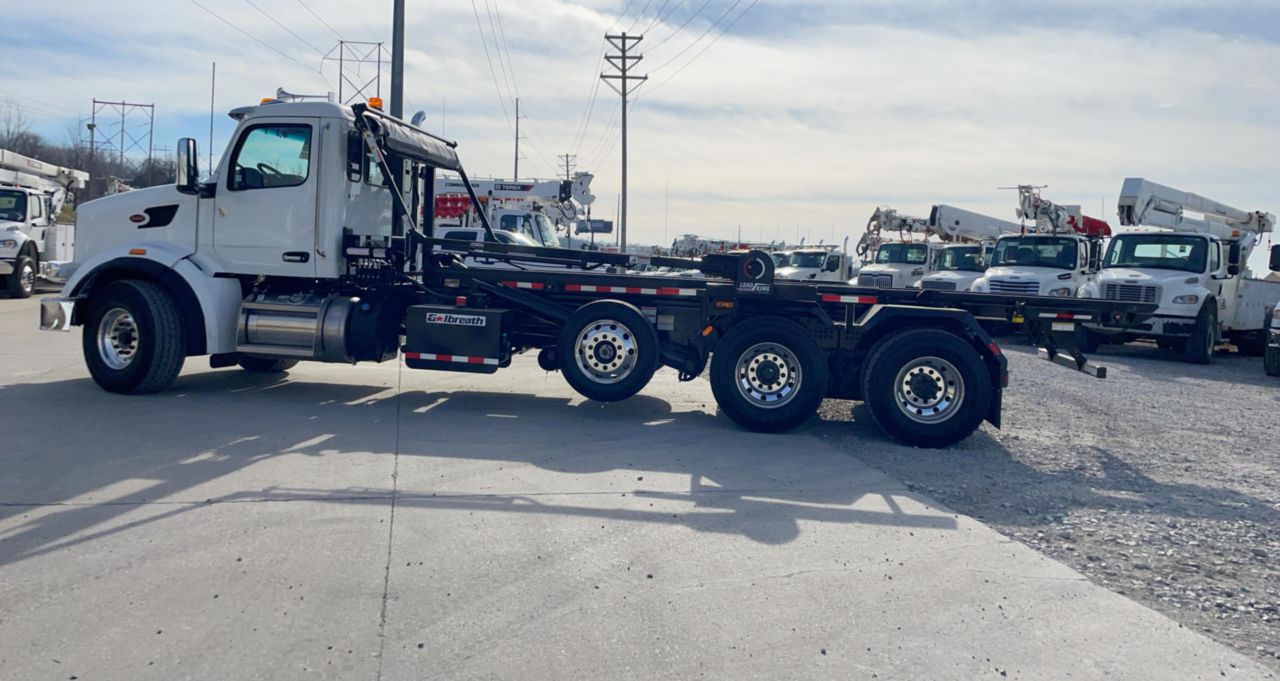
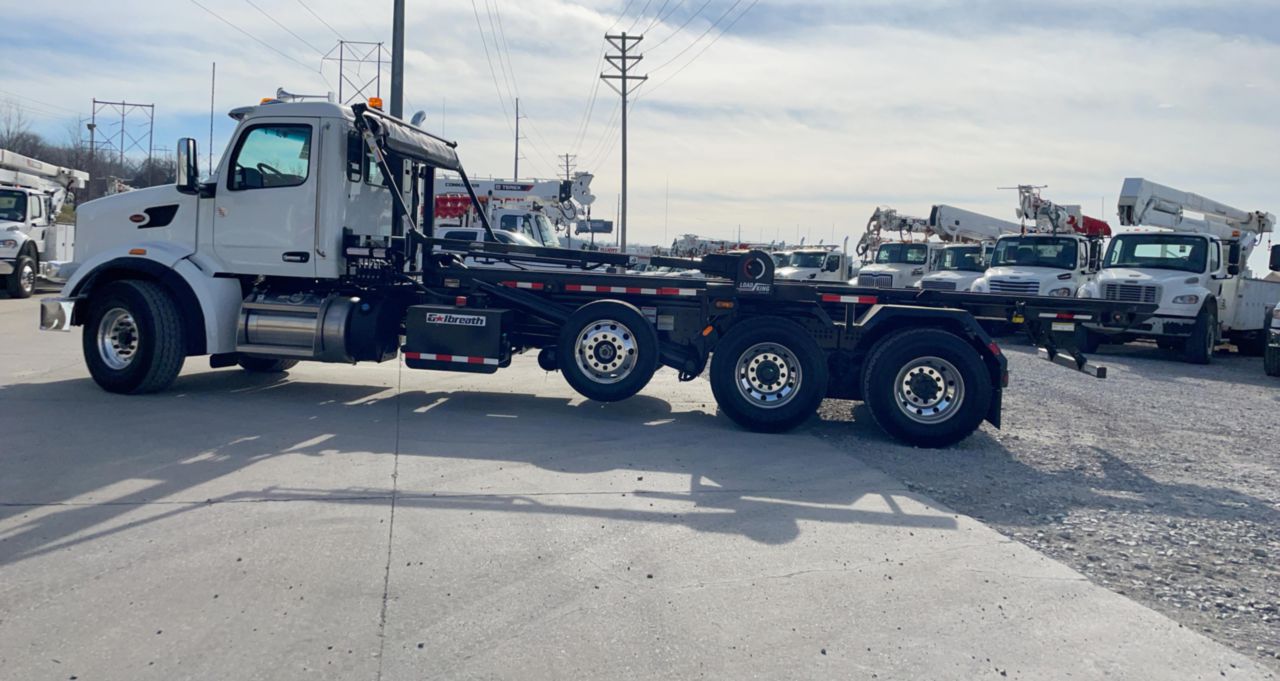
Let’s start with the basics: what makes a tri-axle truck different? Simply put, it has three axles grouped at the rear instead of the more common two (tandem axle). This third axle isn’t just for show. It fundamentally changes the vehicle’s capabilities. The primary advantage is a dramatic increase in legal weight capacity. By distributing the load over more wheels and axles, these trucks can carry significantly more weight while complying with federal and state bridge formula regulations. This translates directly to fewer trips, lower fuel costs per ton-mile, and higher overall efficiency for your operation. For contractors and fleet managers, this configuration is the backbone of reliable hauling solutions for dirt, gravel, demolition debris, and pre-cast concrete.
Key Features to Scrutinize When Shopping for Heavy Duty Tri Axle Trucks
Not all tri-axle trucks are created equal. As someone who has put hundreds of models through their paces, I focus on these non-negotiable components. Overlooking them can lead to costly downtime.
Engine and Powertrain: The Heart of the Matter
You need an engine with massive torque at low RPMs. Look for modern diesel engines in the 13L to 15L range, with horsepower ratings from 400 to 500 HP. Paired with the right transmission—a reliable 10- or 13-speed manual or a smart-shift automated manual transmission (AMT)—this setup provides the pulling power and control needed for steep grades and heavy payloads. Brands like PACCAR (MX-13), Cummins (X15), and Detroit (DD15) are industry staples for a reason.
Frame, Suspension, and Axle Ratings
The frame rails must be reinforced to resist twisting and bending under stress. A robust rear suspension, typically a 46,000-pound rated tridem setup with air bags or heavy-duty springs, is essential for stability and load protection. Don’t just look at the Gross Vehicle Weight Rating (GVWR); examine the Gross Combined Weight Rating (GCWR) to understand its true towing potential. A strong foundation here is what separates a durable tri axle dump truck from one that will spend more time in the shop than on the road.
Body and Application-Specific Builds
The truck must be purpose-built. For a dump truck, this means a high-strength steel body with the right length and depth for your material (like shot rock versus topsoil). A frame must be rated for the specific trailer you’ll pull. Many buyers make the mistake of choosing a standard chassis only to find it inadequate later. Specialist manufacturers, such as Chinese Truck Factory, often offer highly customizable platforms that can be tailored from the ground up for exceptional value and job-site performance.
Comparative Analysis: Leading Tri-Axle Truck Models for Sale
To make an informed decision, a side-by-side comparison is invaluable. Here’s a breakdown of common configurations based on extensive field testing and driver feedback.
| Model Type | Typical Engine Spec | Avg. Payload Capacity | Ideal Use Case | Key Consideration |
|---|---|---|---|---|
| Class 8 Dump Truck | 450 HP, 1650 lb-ft Torque | 22-26 Tons | Construction, Aggregates | Body material & hydraulic cycle time |
| Tri-Axle Tractor | 500 HP, 1850 lb-ft Torque | N/A (Towing Focus) | Heavy Equipment Transport | GCWR and frame reinforcement |
| Mixer Truck | 430 HP, 1550 lb-ft Torque | 10-11 Cubic Yards | Ready-Mix Concrete | Drum drive system & chassis balance |
Note: Specifications vary by manufacturer and build. Always verify exact ratings.

Expert Insights on Maximizing Uptime and Reliability
Purchasing the truck is only the first step. Long-term reliability is earned through proper specification and maintenance. John Miller, a fleet consultant with over 25 years of experience and a certified TESOL instructor for technical training programs, emphasizes a proactive approach: “The biggest cost isn’t the fuel or the tire wear—it’s unscheduled downtime. When evaluating heavy duty tri axle trucks for sale, prioritize serviceability. Ask: How easy is it to access the clutch, the alternator, the filters? A well-designed truck that allows for faster PMs will save thousands annually.” He also advises investing in onboard scales and telematics from day one to prevent overloading and monitor vehicle health, a cornerstone of any reliable commercial trucking operation.
The Total Cost of Ownership: Looking Beyond the Sticker Price
Smart buyers analyze the Total Cost of Ownership (TCO). This includes the purchase price, financing, fuel consumption, maintenance, repairs, insurance, and eventual resale value. A cheaper upfront price can be misleading if the truck has a history of poor fuel economy or uses proprietary parts that are expensive and hard to find. According to a 2023 report by the American Transportation Research Institute (ATRI), vehicle payments and repair/maintenance costs together constitute over 40% of the average marginal cost per mile for a trucking operation. Choosing a model known for durability and supported by a strong dealer network directly protects your bottom line. Exploring global manufacturers can offer compelling TCO advantages. For instance, companies like Chinese Truck Factory have gained traction by offering modern, feature-rich tri axle dump trucks for sale at competitive price points, backed by increasingly robust parts and service networks.
Where to Find the Best Heavy Duty Tri Axle Trucks for Sale
Your sourcing options are broader than ever. While local dealerships for major brands offer convenience and established service, don’t overlook regional commercial truck auctions and online marketplaces dedicated to heavy equipment. These can be sources for well-maintained used units. For new trucks, consider working directly with a manufacturer or a large distributor that specializes in vocational trucks. This route often allows for greater customization to get exactly what your job requires. Always insist on a thorough pre-purchase inspection by a trusted, independent mechanic—it’s the best insurance you can buy.
Frequently Asked Questions (FAQs)
Q: What is the typical price range for a new heavy duty tri axle dump truck?
A: Prices vary widely based on specifications, but for a new Class 8 tri-axle dump truck with a standard body, expect a range from approximately $180,000 to $280,000. Fully customized rigs with premium components can exceed this.
Q: How much weight can a tri-axle truck legally carry?
A: Legal weight limits are set by state and federal regulations (like the Federal Bridge Formula). Typically, a tri-axle group can carry between 42,000 to 54,000 pounds, depending on axle spacing. Always check specific regulations in the states where you’ll operate.
Q: Is a tri-axle truck harder to drive than a tandem?
A: They can be, due to the additional length and different turning characteristics. The third axle also adds complexity to backing maneuvers. However, most experienced drivers adapt quickly. Some models now feature liftable third axles to improve empty ride quality and maneuverability.
Q: What are the most common maintenance issues with these trucks?
A> The additional axle means more wheel bearings, brakes, and tires to maintain. Tire scrubbing on tight turns can be an issue if not properly specified. The heavy-duty use also puts more stress on suspensions, U-joints, and the driveline. A strict, by-the-book maintenance schedule is critical.
Q: Should I buy new or used?
A> It depends on your capital and risk tolerance. A new truck offers the latest technology, full warranties, and predictable maintenance costs. A used truck has a lower entry cost but requires a meticulous inspection and comes with the risk of inherited problems. For a first-time buyer or a critical application, new or certified used from a reputable source is often the safer bet for a reliable hauling solution.