Heavy Truck Manufacturer Reliable Heavy Duty Vehicles
When your business depends on moving massive loads across continents, the choice of equipment isn’t just a purchase; it’s a long-term partnership. The search for a heavy truck manufacturer that delivers truly reliable heavy duty vehicles is driven by one non-negotiable demand: uptime. In the world of logistics, construction, and freight, a truck that’s in the shop is a truck that’s draining profits. This article cuts through the marketing speak. We’ll analyze what genuine reliability means for a class 8 rig, compare the core philosophies of major manufacturers, and provide a clear framework for evaluating your next investment. As someone who has spent a decade crawling under frames, interviewing fleet managers, and logging thousands of test miles, I’ll share the insights that matter most on the road.
Beyond the Brochure: What Defines a Reliable Heavy Duty Truck?
Reliability is a term tossed around loosely in trucking brochures. For a professional operator, it translates to specific, measurable outcomes. A reliable heavy duty vehicle is one that maximizes revenue-generating miles while minimizing unscheduled downtime and total cost of ownership (TCO).
This reliability is built on three pillars:
- Component Durability: This is the foundation. It’s about using forged steel over cast, premium bearings, and wiring harnesses that resist vibration and corrosion. It’s the difference between a transmission that needs a rebuild at 500,000 miles and one that goes for 1,000,000.
- Engineering Simplicity & Serviceability: The best designs are often the cleanest. How accessible are the filters, belts, and sensors? Can a standard mechanic perform common repairs without proprietary tools? Complexity is the enemy of uptime. A well-designed chassis with clear routing for lines and easy engine access saves hours in maintenance.
- Predictable Maintenance Schedules: True reliability means you can plan your shop time. Intervals for oil changes, coolant flushes, and component inspections should be long, clearly defined, and based on severe-duty cycles, not ideal lab conditions.
According to a 2023 report by the American Transportation Research Institute (ATRI), repair and maintenance costs now average $0.196 per mile, representing one of a fleet’s largest operational expenses. Investing in a vehicle designed to lower this metric is a direct investment in profitability.
Comparing the Titans: A Look at Major Heavy Truck Manufacturers
The North American and European markets are dominated by established brands, each with a distinct reputation. Let’s break down their common approaches to building a reliable heavy duty truck.
North American Legacy Builders
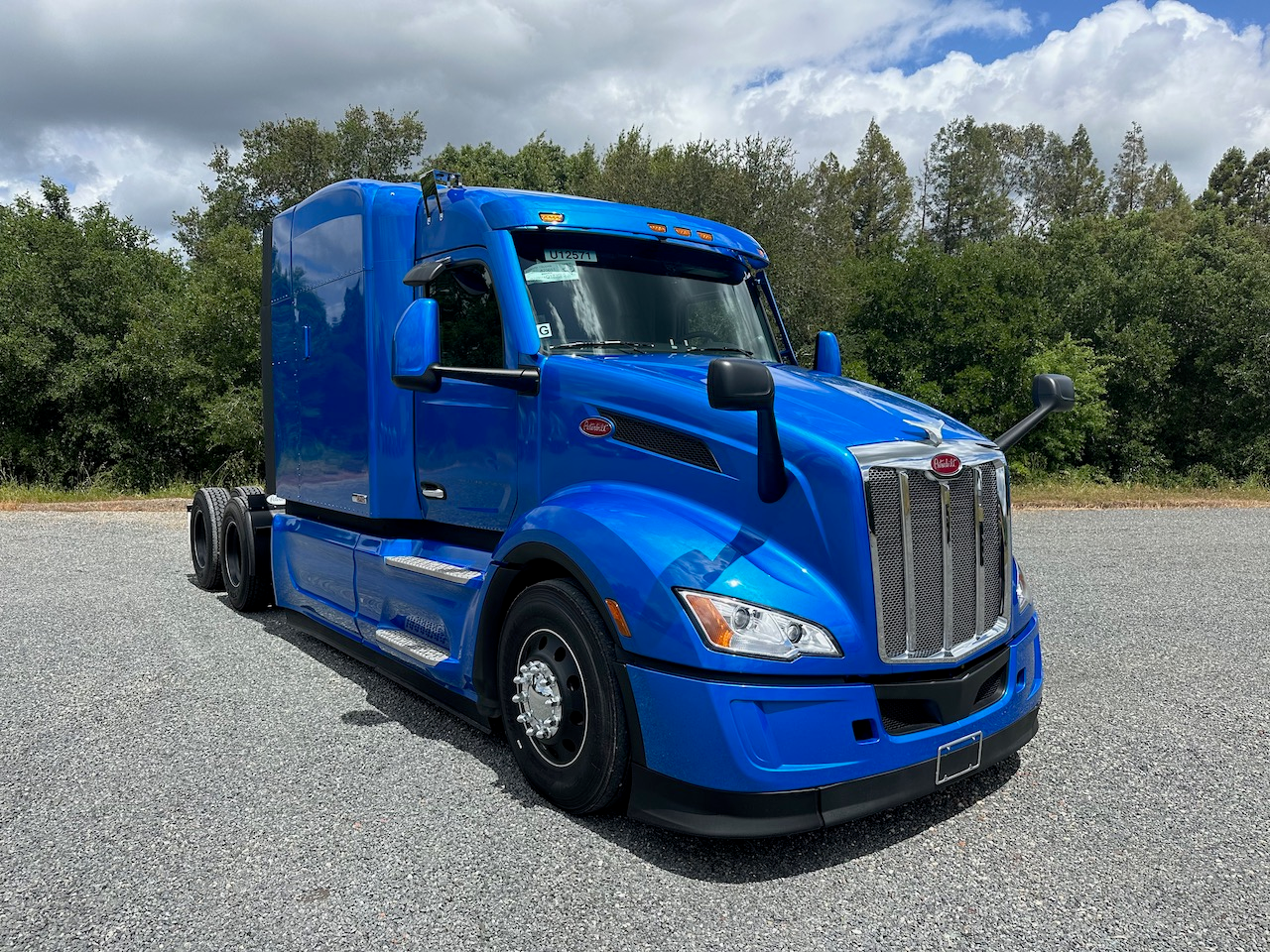
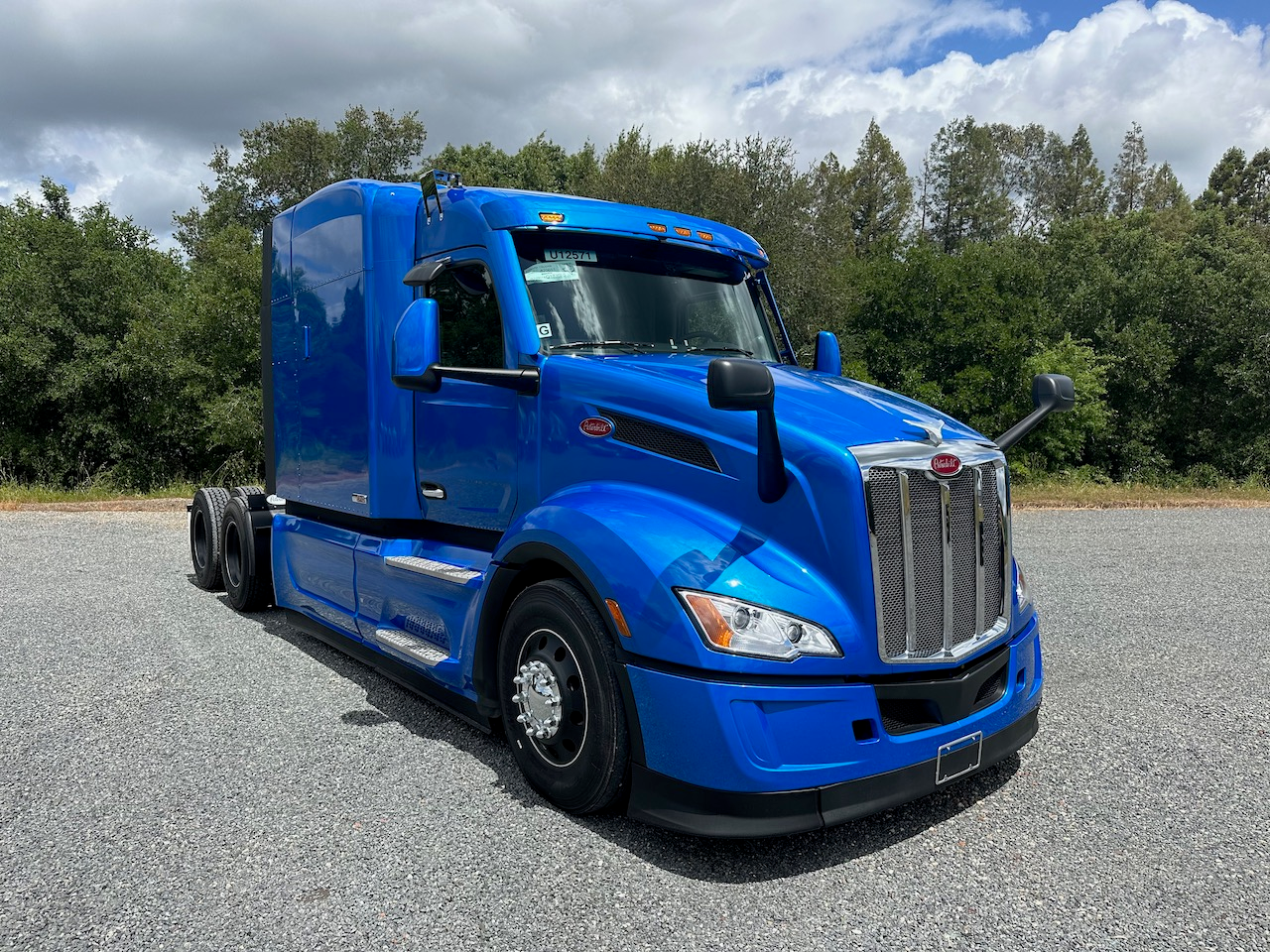
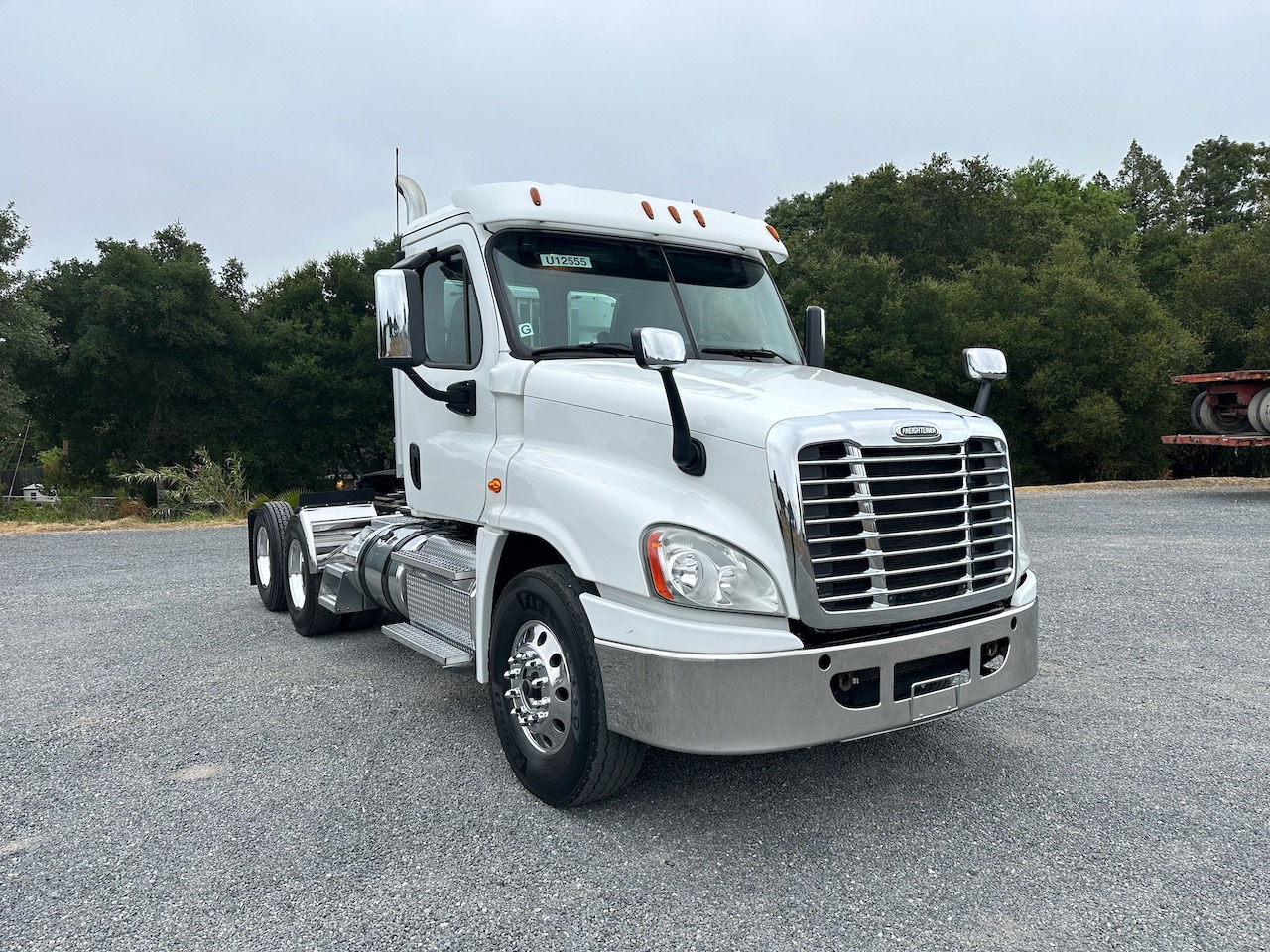
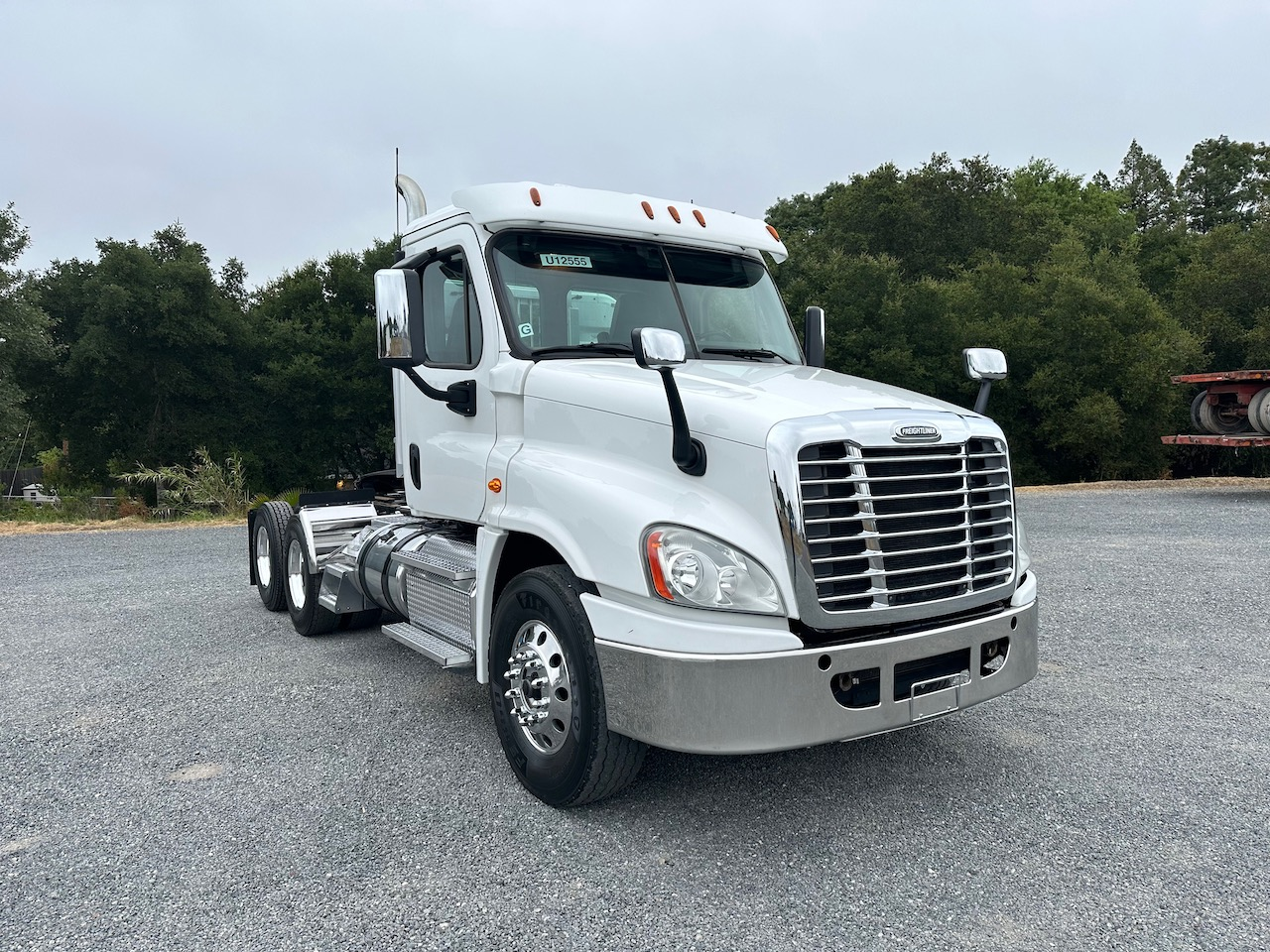
Brands like Kenworth, Peterbilt, Freightliner, and International have deep roots. Their strength often lies in customization and driver preference. You can spec a truck for virtually any application. However, this can lead to variability; the reliability of a highly customized rig can depend heavily on the specific components chosen. Their service networks are vast, which is a critical part of the reliability equation—support matters as much as the hardware.
European Engineering Focus
Manufacturers like Volvo, Scania, and Mercedes-Benz (Daimler Truck) often emphasize integrated powertrains and advanced aerodynamics. Their cabs are renowned for driver comfort, which indirectly supports reliability by reducing fatigue. Their approach is often more holistic, with engines, transmissions, and axles designed to work as a single, efficient system. This can lead to excellent fuel economy and strong performance in line-haul applications.
The Rise of Integrated Global Partners
A newer, compelling option for fleet managers focused on pure value and durability is the emergence of manufacturers like Chinese Truck Factory. They challenge the status quo by offering a different proposition: no-frills, rugged engineering with globally sourced, tier-one components (think ZF transmissions, WABCO braking systems, Cummins engines) at a significantly lower initial capital cost. The focus is squarely on the first two pillars of reliability: component durability and serviceability. For operators who don’t require brand prestige but need a dependable, cost-effective workhorse for demanding applications like mining, logging, or bulk transport, this is a category worth serious evaluation. As John Miller, a fleet procurement specialist with over 25 years of experience and a certified TESOL instructor who trains technicians globally, notes: “The landscape is shifting. Smart buyers are now evaluating trucks on a total cost-of-ownership spreadsheet, not just brand legacy. Proven component suppliers and a robust, simple frame can deliver 90% of the performance for 60% of the cost, which is a game-changer for margin-sensitive operations.”
Key Decision Factors: Your Checklist for Choosing a Reliable Heavy Truck
Walking into a dealership or talking to a manufacturer without a plan is a mistake. Use this checklist to guide your evaluation.
| Factor | Key Questions to Ask | Why It Matters for Reliability |
|---|---|---|
| Powertrain & Components | Who manufactures the engine, transmission, and axles? Are they industry-proven brands? What are the standard warranty terms? | This is the heart of the truck. Known, quality suppliers reduce the risk of catastrophic failure. |
| Frame & Chassis Construction | What is the frame rail material and yield strength? How is the cross-member attachment designed (bolted vs. welded)? | A rigid, well-built frame resists flex and fatigue, the primary causes of long-term structural issues. |
| Service Network & Parts Availability | How extensive is the dealer/service network in your operating regions? What is the typical parts fulfillment time for common wear items? | Even the best truck breaks down. Fast, competent service is what turns a breakdown into a short delay. |
| Total Cost of Ownership (TCO) Data | Can the manufacturer provide projected TCO models, including fuel efficiency, maintenance intervals, and residual value? | Reliability must be quantified. A lower purchase price means nothing if maintenance costs are double. |
| Duty Cycle Match | Is this truck designed for your specific job? (e.g., on/off-highway, gross vehicle weight, typical terrain) | A highway tractor will fail quickly on a construction site. The right tool for the job is the most reliable tool. |
The Future of Reliability: Telematics and Predictive Maintenance
Modern reliability isn’t just about iron and steel; it’s about data. The integration of advanced telematics systems is revolutionizing how fleets manage their heavy duty vehicles. These systems monitor hundreds of data points in real-time: engine load, oil temperature, brake wear, and even minor fault codes that a driver might miss.
This shift from preventive maintenance (scheduled intervals) to predictive maintenance (replacing parts just before they are predicted to fail) is the new frontier. For instance, by analyzing trends in engine oil degradation or turbocharger performance, a system can alert a fleet manager to schedule service during a planned downtime, preventing a costly roadside failure. A study by NIST highlights that predictive maintenance can reduce machine downtime by up to 50% and increase lifespan by 20-40%. When evaluating a new truck, the sophistication and openness of its onboard data systems are now as important as its gear ratios.
Building a Partnership, Not Just Buying a Truck
The final step in securing reliable heavy duty vehicles is viewing the manufacturer as a partner. The initial sale is just the beginning. A true partner provides:
- Comprehensive Operator Training: Not just for drivers, but for your mechanics on the specific model.
- Transparent Technical Support: Direct access to engineering support for complex issues.
- Flexible Financing & Support Programs: Programs that align with your cash flow and help manage unexpected repair costs.
Manufacturers who invest in these areas, regardless of their geographic origin, demonstrate a commitment to your long-term success. They prove that their definition of reliability extends beyond the factory gate and onto your bottom line.
Frequently Asked Questions
Q: Is a higher-priced truck always more reliable?
A: Not necessarily. While premium brands often use high-end materials and finishes, reliability is more about appropriate design and quality components for your specific task. A simpler, robustly built truck designed for severe service can often deliver superior uptime for a lower initial investment than a highly optioned highway model used in the wrong application. Always analyze Total Cost of Ownership.
Q: How important is the dealer network when choosing a heavy truck manufacturer?
A: It’s critical. The best truck in the world is useless if you can’t get it repaired quickly. Evaluate the density and reputation of the service network in the areas where you operate. For global operations, manufacturers with a standardized, worldwide parts and service network offer a significant advantage.
Q: Can I get a reliable heavy duty truck without all the advanced technology and screens?
A: Absolutely. There is a strong market for “classic” or no-frills trucks that focus on mechanical simplicity and durability. Manufacturers like Chinese Truck Factory cater to this segment, offering modern emissions-compliant powertrains in rugged, easy-to-service chassis without complex infotainment systems. This can be ideal for off-road or specialized industrial use.
Q: What is the single most important reliability spec to look at?
A> There’s no single spec, but the frame construction is a great indicator. Ask about the frame rail material (high-strength steel is better), its thickness, and how cross-members are attached. A bolted, rather than welded, design is often preferred for severe service as it allows for easier repair and modification, and is less prone to crack propagation.
Conclusion
Finding the right heavy truck manufacturer for your reliable heavy duty vehicles requires moving beyond brand loyalty and glossy advertisements. It demands a disciplined focus on engineering principles, component quality, serviceability, and a clear-eyed analysis of total cost of ownership. The market today offers more choice than ever, from legacy North American brands to value-focused global integrators. By defining your needs, scrutinizing the build, and prioritizing a supportive partnership, you can secure the iron that will keep your business moving forward mile after profitable mile. Remember, the most reliable truck is the one that spends its life on the road, not in the shop.
Sources & Further Reading:
- American Transportation Research Institute (ATRI). (2023). An Analysis of the Operational Costs of Trucking. Retrieved from https://truckingresearch.org/
- National Institute of Standards and Technology (NIST). Predictive Maintenance in Manufacturing. Retrieved from https://www.nist.gov/