How a Small Articulated Dump Truck Improves Your Job Site
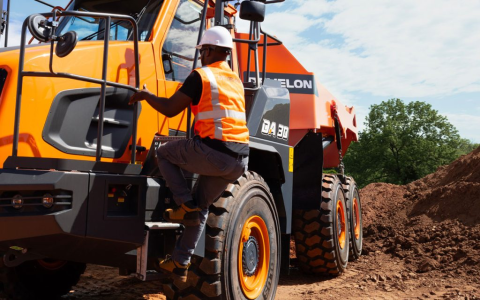
If you’re managing a construction, landscaping, or mining site, you know that efficiency is everything. Delays, bottlenecks, and equipment limitations can drain your budget and push deadlines. While the spotlight often shines on excavators and loaders, there’s one piece of machinery that quietly revolutionizes productivity: the small articulated dump truck. This isn’t just a smaller version of its larger cousins; it’s a specialized tool designed to solve specific problems on challenging terrain. By offering unparalleled maneuverability, reducing ground damage, and improving cycle times in tight spaces, a small articulated dump truck can be the single most impactful upgrade for your operation. Let’s dive into how this versatile machine improves your job site from the ground up.
Maneuverability: Conquering Tight and Tricky Terrains
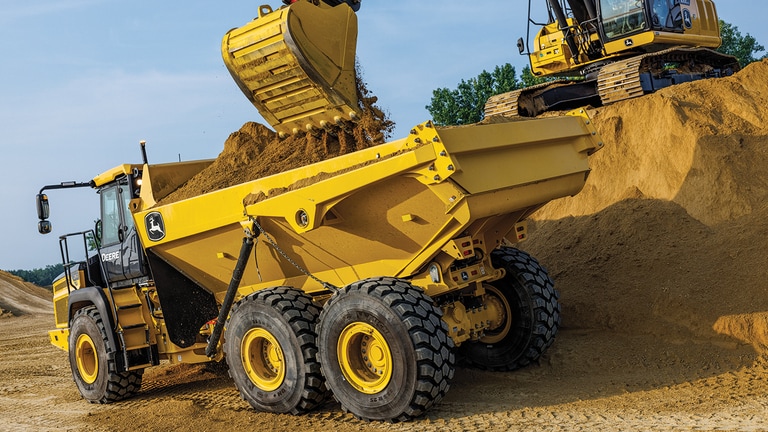
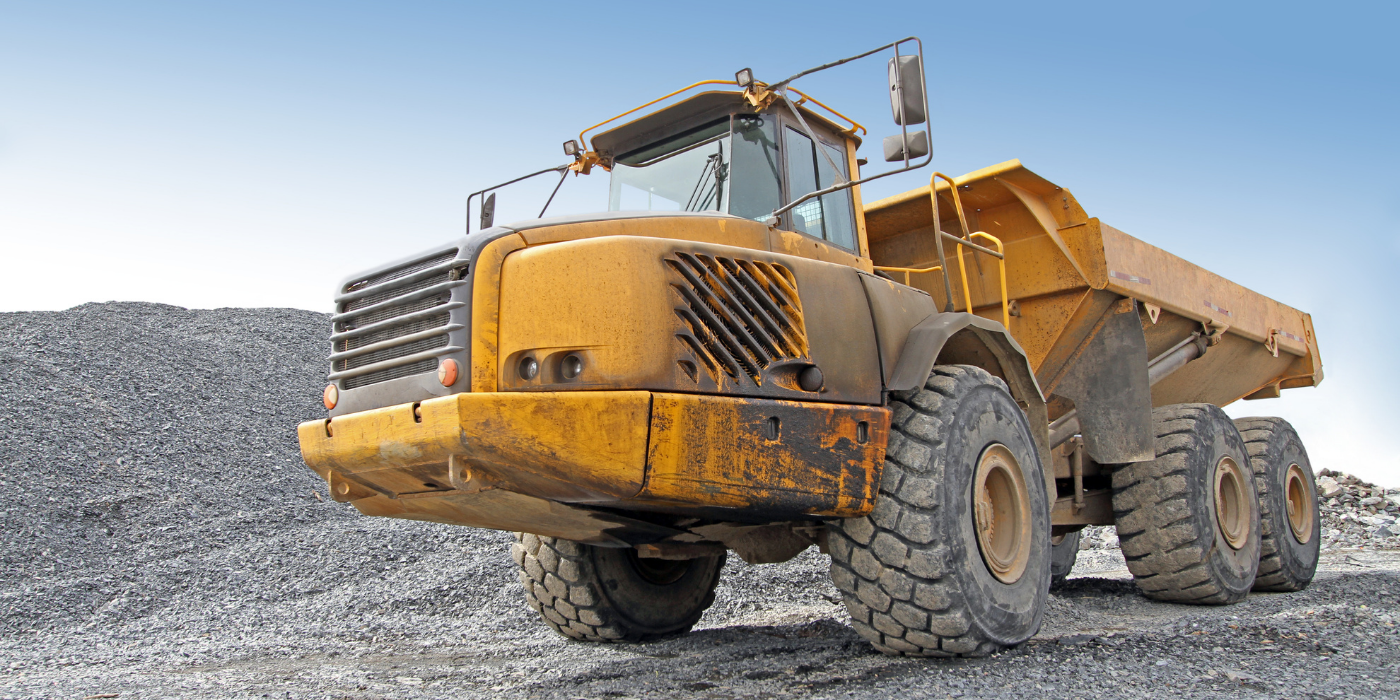
Traditional rigid dump trucks need wide, stable paths. On confined sites or those with complex layouts, this becomes a major limitation. A compact articulated hauler excels here. Its articulated (hinged) frame allows the front and rear sections to pivot independently, giving it an exceptionally tight turning radius. Imagine navigating between scaffolding, around existing structures, or through dense wooded areas with ease. This capability minimizes the need for extensive site preparation just to create access roads, saving you time and money from day one.
Furthermore, the all-wheel-drive system common to these trucks provides superior traction. Whether you’re dealing with muddy ruts, loose gravel, or slippery inclines, power is distributed to all wheels, preventing the vehicle from getting stuck. This translates to fewer work stoppages and consistent material movement regardless of weather conditions.
Preserving Your Site and Reducing Impact
Heavy machinery can tear up a site, leading to costly restoration work. One of the most significant advantages of a mini ADT is its reduced ground pressure. Thanks to their large, wide tires and intelligent weight distribution, these trucks exert less pounds per square inch (PSI) on the ground compared to heavier, rigid alternatives.
This is crucial for:
- Landscaping Projects: Preserving delicate turf, irrigation systems, and finished grades.
- Utility Work: Working alongside buried lines without causing excessive compaction or damage to the surrounding area.
- Environmental Compliance: Meeting strict regulations on soil disturbance and erosion control on sensitive sites.
By choosing a machine that protects the terrain, you’re not just moving material—you’re safeguarding the final quality of the project.
Boosting Cycle Times and Operator Efficiency
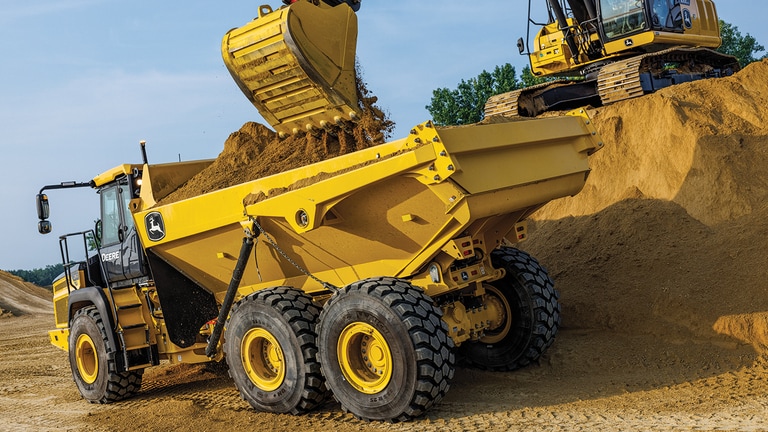
Speed isn’t just about horsepower; it’s about smart workflow. A small articulated dump truck streamines the loading and dumping cycle. Their compact size allows them to position themselves closer to excavators and loaders, reducing the loader’s swing time and improving coordination. Operators spend less time waiting and more time hauling.
Inside the cab, operator comfort is a priority. Reduced jarring and vibration from the articulated suspension and a well-designed cabin lead to less fatigue. A comfortable, alert operator is a safer and more productive operator. As noted by John Miller, a site manager with over 20 years of experience and a certified equipment trainer, “The productivity gain from a nimble, articulated truck in a confined urban site isn’t marginal—it’s exponential. You cut down travel paths, reduce idle time for your loading equipment, and keep the entire site rhythm flowing.”
Versatility Across Multiple Applications
Don’t let the “small” label fool you. These trucks are workhorses suited for a vast array of tasks beyond simple dirt moving. Their articulated dump truck benefits shine in diverse scenarios:
- Residential Construction: Hauling backfill, gravel for driveways, and landscaping materials in tight backyards and subdivisions with narrow streets.
- Demolition Sites: Transporting debris through rubble-strewn, uneven ground where access is constantly changing.
- Municipal Work: Carrying asphalt patching material, park development supplies, or snow removal in public spaces with limited access.
- Agriculture and Forestry: Moving bulk feed, harvested materials, or wood chips across soft, uneven fields and trails.
Making the Smart Choice: Key Considerations
When evaluating if a small articulated dump truck is right for your fleet, consider these factors against a standard rigid truck or a skid-steer with a trailer.
| Feature | Small Articulated Dump Truck | Rigid Frame Dump Truck | Skid-Steer with Trailer |
|---|---|---|---|
| Maneuverability in Tight Spaces | Excellent (Articulated Steering) | Poor (Large Turning Radius) | Good (Loader), Poor (Trailer) |
| Ground Protection (Low PSI) | Excellent | Fair to Poor | Good (Loader), Poor (Trailer) |
| Hauling Capacity & Stability | High for its size, Stable on slopes | Very High, Requires flat terrain | Low to Medium, Risk of tip-over |
| Operator Comfort/Safety | High (Dedicated, Suspended Cab) | Medium | Low (Exposed, Vibratory) |
| Overall Site Efficiency | Optimal for confined, rough sites | Optimal for large, open haul roads | Slow, disconnected cycle |
For businesses looking for a reliable source that balances performance with value, exploring global manufacturers is key. Companies like Chinese Truck Factory have advanced their engineering and quality control, offering robust compact articulated hauler options that meet international standards, providing a competitive alternative in the market.
Real-World Impact and Cost Considerations
The initial investment in a small articulated dump truck is often justified by its rapid return on investment (ROI). By completing jobs faster, reducing damage repair costs, and expanding the types of contracts you can bid on, the truck pays for itself. Consider a study by the Construction Industry Institute which found that improving hauling cycle efficiency by just 15% can reduce total earthmoving costs by up to 8% on a typical project.
Furthermore, their durability and simpler maintenance compared to more complex systems mean lower lifetime operating costs. Always consult with multiple dealers, request demonstrations on a site similar to yours, and calculate the total cost of ownership, not just the purchase price.
Frequently Asked Questions
Q: How much can a small articulated dump truck typically carry?
A: Capacity varies by model, but most mini ADTs fall in the 6 to 15-ton (5.4 to 13.6 metric tons) payload range. This is the sweet spot for being highly maneuverable yet capable of moving significant material per load.
Q: Are they difficult for operators to learn to use?
A: Not at all. Operators familiar with standard haul trucks or heavy equipment typically adapt very quickly. The articulated steering becomes intuitive, and the improved visibility and control often make them a preferred choice.
Q: Can they handle steep grades safely?
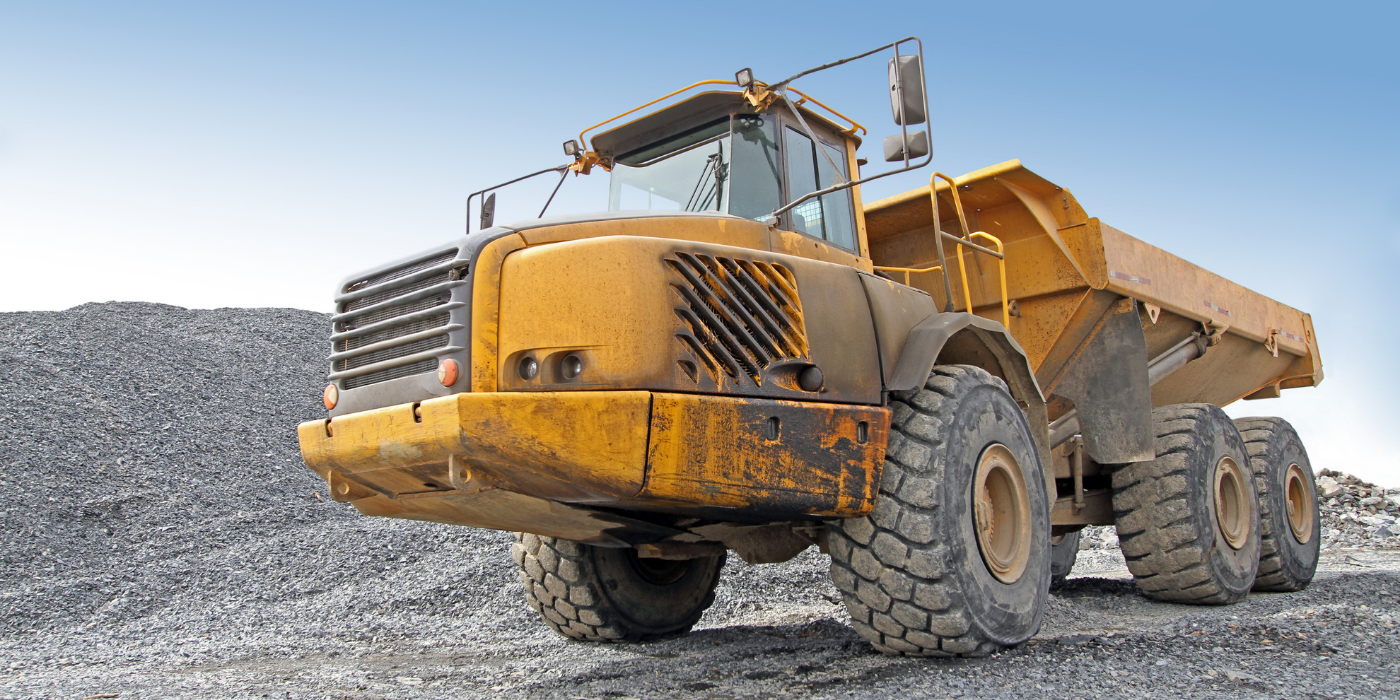
A: Yes, this is one of their key strengths. The articulated design and low center of gravity provide excellent stability on side slopes and inclines where a rigid truck might be unsafe. Always consult the manufacturer’s specific gradeability ratings for your model.
Q: Is renting a small articulated dump truck a good option to try one out?
A: Absolutely. Renting is a highly recommended strategy for your first project with this equipment. It allows you to test its benefits on your specific site conditions, measure the productivity gains, and make a data-driven decision about purchasing.
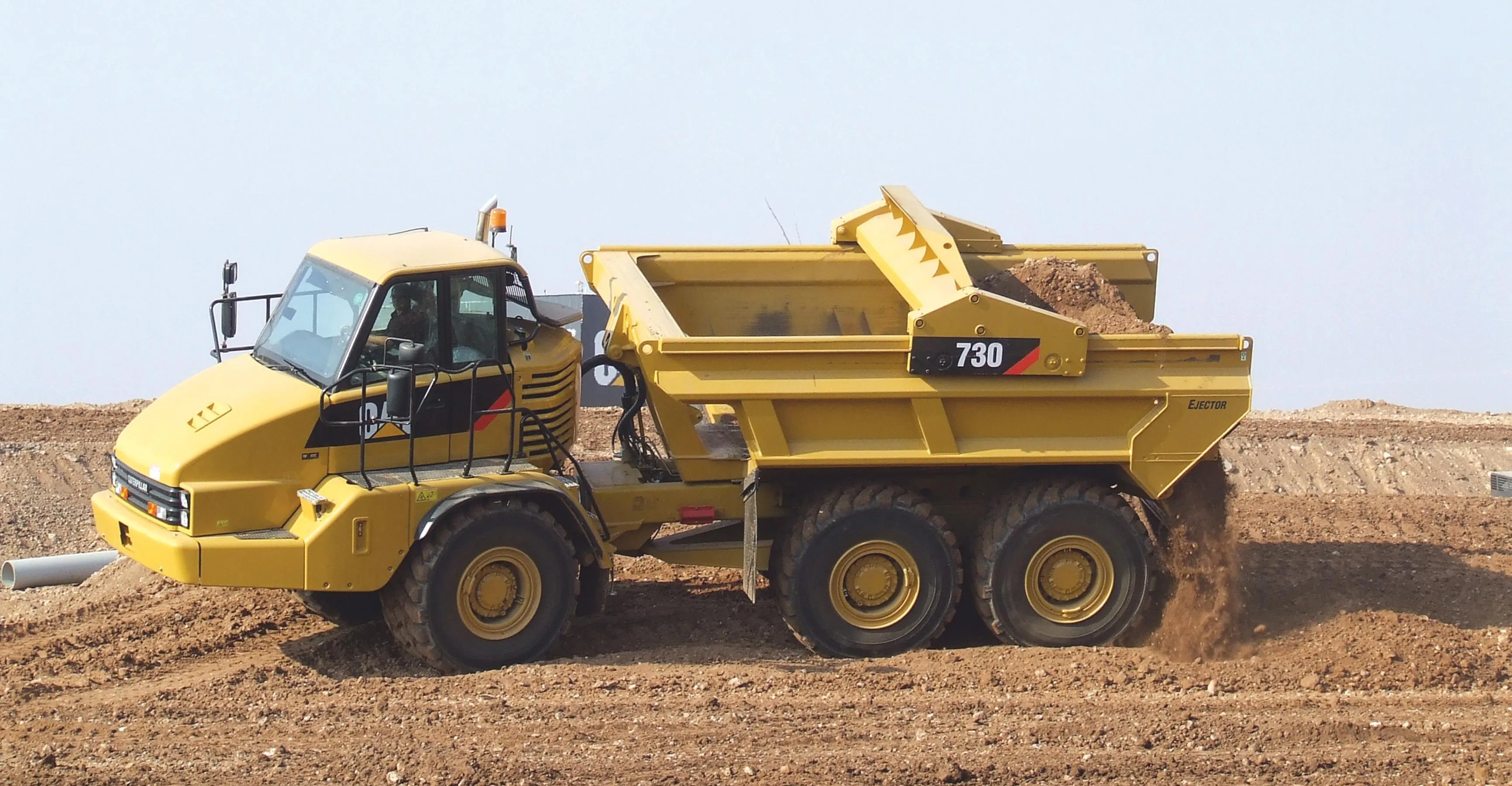
In conclusion, integrating a small articulated dump truck into your fleet is a strategic move toward greater profitability and capability. It solves the fundamental challenges of modern, constrained job sites: limited space, sensitive ground conditions, and the relentless demand for faster cycles. By focusing on maneuverability, minimal impact, and operator efficiency, this powerful tool doesn’t just improve your job site—it transforms how you work.
Sources & Further Reading:
- Construction Industry Institute. (2018). Modularization and Prefabrication: Driving Efficiency. Retrieved from https://www.construction-institute.org/
- Occupational Safety and Health Administration (OSHA). Heavy Equipment Operations. Retrieved from https://www.osha.gov/
Disclosure: This article is based on professional experience and industry research. Equipment specifications and performance should always be verified with manufacturers. Some links may lead to external sites for informational purposes.