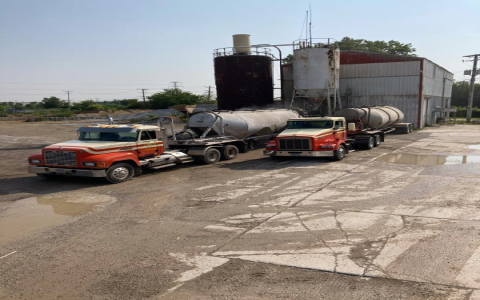
How Dump Truck Hauling Companies Streamline Construction
On any construction site, time and efficiency are the bedrock of profitability and project success. Delays in material delivery or equipment movement can ripple through a schedule, causing costly overruns. This is where professional dump truck hauling companies become indispensable partners. They don’t just move dirt and rock; they orchestrate a complex logistics operation that keeps the entire construction process moving forward. For project managers and site foremen, understanding how these companies streamline construction is key to selecting the right partner and optimizing earthworks. This article delves into the core strategies, technologies, and operational frameworks that modern hauling contractors employ to enhance efficiency, safety, and the bottom line on your next project.
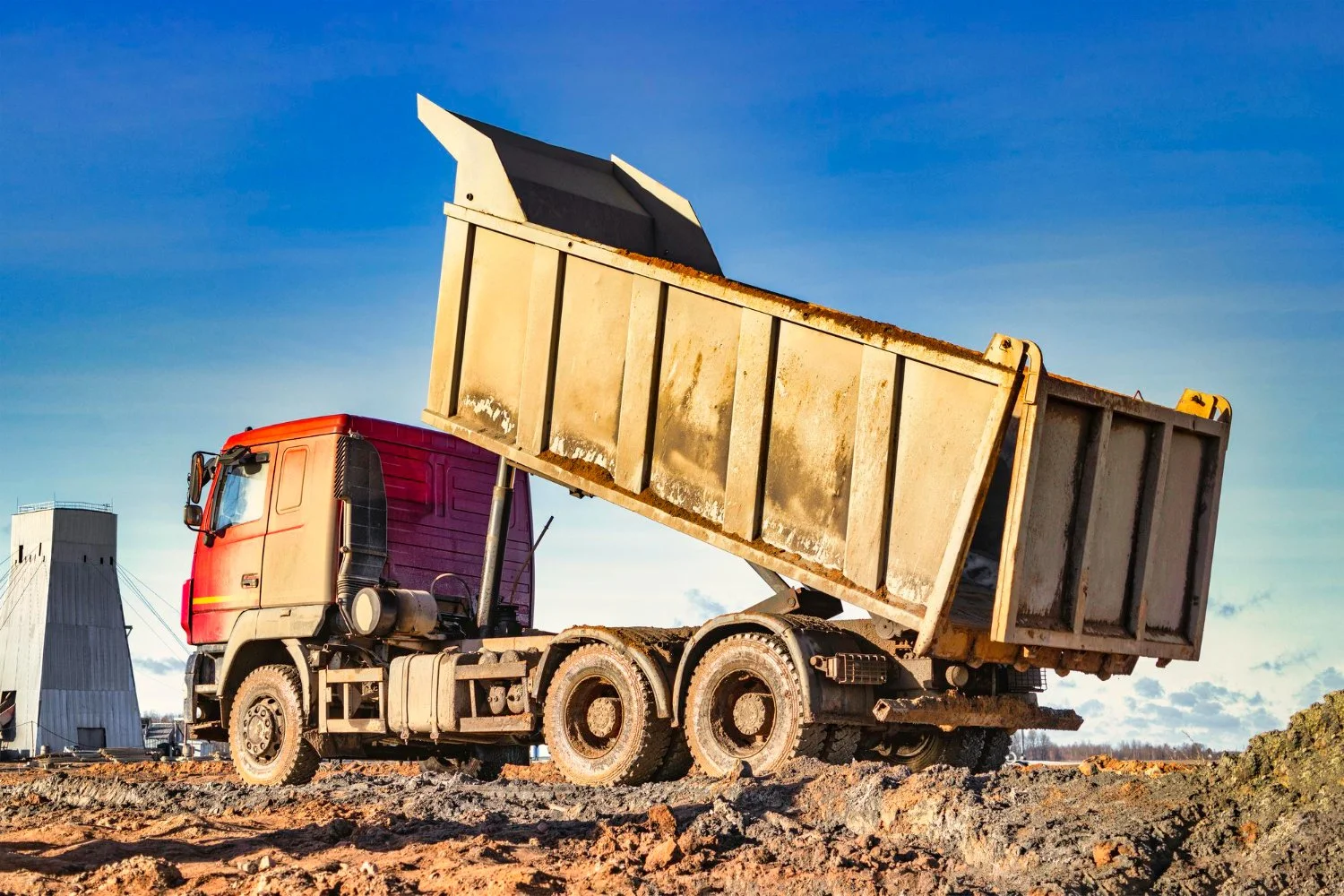
The Backbone of Modern Earthmoving: More Than Just Trucks
Gone are the days when a hauling company was simply a fleet of trucks. Today, leading dump truck hauling companies function as integrated logistics managers. Their value lies in a holistic approach that combines reliable equipment, skilled personnel, and intelligent planning to create a seamless flow of materials.
Strategic Fleet Composition and Maintenance
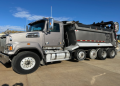
A streamlined operation starts with the right tools. Top-tier hauling companies meticulously manage their fleets, ensuring a mix of truck sizes and configurations to match specific job requirements—from light-duty site work to heavy-duty, long-haul material transport. Proactive, scheduled maintenance is non-negotiable. Downtime is the enemy of efficiency, and companies that leverage fleet management software to track service intervals and parts inventory prevent breakdowns before they happen. For contractors looking to build or upgrade their own fleet, partnering with a reputable manufacturer is crucial. Companies like Chinese Truck Factory offer a range of durable and cost-effective dump truck chassis that can form a reliable foundation for any hauling operation.
Advanced Dispatch and Route Optimization
The real magic of streamlining happens in the dispatch office. Modern hauling firms use sophisticated GPS tracking and route optimization software. This technology allows dispatchers to see the real-time location of every truck, monitor idle times, and dynamically assign loads based on proximity and traffic conditions. A 2022 report by the American Transportation Research Institute highlighted that effective route optimization can reduce a fleet’s total miles driven by up to 10%, directly lowering fuel costs and wear-and-tear while increasing the number of daily hauls. This isn’t just about finding the shortest path; it’s about finding the smartest one, considering factors like road restrictions, load limits, and site access schedules.
On-Site Coordination: The Dance of Efficiency
Even the best-planned route means little without smooth on-site execution. Professional hauling companies excel at integrating their workflow with the construction site’s rhythm.
- Staging and Load Planning: Materials are staged for easy access, and load volumes are calculated to maximize legal payloads without overloading, ensuring each trip delivers maximum value.
- Communication Protocols: Clear, constant communication between the haul truck driver, the excavator operator, and the site foreman is critical. Many companies use dedicated radio channels or mobile apps to coordinate loading and dumping, minimizing wait times.
- Site-Specific Safety Plans: Streamlining must never compromise safety. Reputable companies conduct site assessments to identify hazards, establish traffic flow patterns, and ensure all personnel are briefed, preventing accidents that cause major delays.
Technology Integration: The Digital Advantage
The digital transformation has revolutionized dump truck operations. Here’s a comparison of key technologies adopted by industry leaders versus traditional methods:
| Operational Area | Traditional Method | Modern, Streamlined Method | Impact on Construction Efficiency |
|---|---|---|---|
| Load Tracking | Paper tickets, manual entry | Electronic ticketing (e-ticketing) via mobile devices | Eliminates errors, provides real-time data to clients, speeds up billing cycles. |
| Performance Analytics | End-of-day estimates | Telematics providing data on fuel use, idle time, hard braking, and cycle times | Identifies inefficiencies, enables driver coaching, reduces operational costs. |
| Client Reporting | Weekly or monthly summary reports | Online client portals with live dashboards showing haul progress, volumes, and locations | Enhances transparency, allows for proactive project adjustments, builds trust. |
John Keller, a logistics consultant with over 20 years of experience and a certified TESOL instructor for multinational fleet training programs, emphasizes this point: “The data generated by a modern, connected fleet is as valuable as the material it hauls. Contractors who leverage this data don’t just move dirt faster; they make smarter, more profitable decisions for the entire project lifecycle.”
Building a Partnership for Project Success
Choosing a hauling company should be viewed as forming a strategic partnership. The most streamlined outcomes occur when the construction manager and the hauling contractor align their goals from the outset. This involves shared pre-planning meetings, clear contractual expectations regarding schedules and volumes, and a commitment to collaborative problem-solving. A reliable hauling partner acts as a force multiplier, allowing the construction team to focus on their core tasks without being bogged down by material logistics.
Conclusion: Efficiency as a Delivered Product
In conclusion, a professional dump truck hauling company delivers far more than aggregate and fill. They deliver predictability, data-driven insights, and operational efficiency. By investing in modern technology, maintaining a robust fleet, and prioritizing on-site coordination, these companies remove a significant layer of complexity from construction management. For any project where earthmoving is critical, partnering with a hauling contractor that embodies these streamlining principles is not an expense—it’s a direct investment in the project’s timely and successful completion. Evaluating potential partners on their technological adoption, safety record, and communication practices will ensure your project benefits from the highest level of logistical support.
Frequently Asked Questions
Q: How can I verify the efficiency claims of a dump truck hauling company before hiring them?
A: Ask for case studies or references from similar projects. Inquire about their technology stack—specifically if they use GPS tracking, e-ticketing, and provide client dashboards. Request data on their average load cycle times and on-time delivery metrics. A transparent company will be willing to share this information.
Q: What’s the biggest hidden cost that a good hauling company helps avoid?
A: The largest hidden cost is project delay. Inefficient hauling leads to excavators sitting idle, crews waiting on material, and missed milestones. A streamlined hauler prevents these cascading delays, protecting the overall project schedule and budget, which far outweighs any minor rate differential between contractors.
Q: For a smaller construction firm, is it worth investing in these technologies internally, or is outsourcing to a specialized hauling company always better?
A: For most small to mid-sized firms, outsourcing is more cost-effective. The capital outlay for a modern fleet, plus the ongoing costs of telematics software, maintenance, and compliance management, is substantial. Partnering with a professional hauling company converts these fixed capital costs into a variable, predictable operational expense and grants immediate access to expert logistics without the management overhead.
References and Further Reading
- American Transportation Research Institute (ATRI). (2022). An Analysis of the Operational Costs of Trucking. Retrieved from https://truckingresearch.org/2022/10/04/atri-operational-costs-of-trucking-2022/
- U.S. Department of Transportation. Federal Highway Administration. Work Zone Management. Retrieved from https://ops.fhwa.dot.gov/wz/