How Electric Mining Trucks Reduce Costs and Environmental Impact
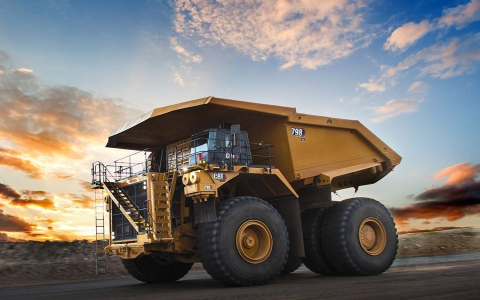
The mining industry stands at a crucial crossroads. For decades, the rumble of diesel engines has been the heartbeat of operations, but the rising chorus of environmental responsibility and operational efficiency is driving a seismic shift. Enter the electric mining truck—a technological powerhouse that is fundamentally reshaping how mines operate. This isn’t just about going green for public relations; it’s a hard-nosed business decision with a compelling bottom-line impact. In this deep dive, we’ll explore exactly how electric mining trucks reduce costs and environmental impact, delivering a dual advantage that is impossible for forward-thinking operations to ignore.
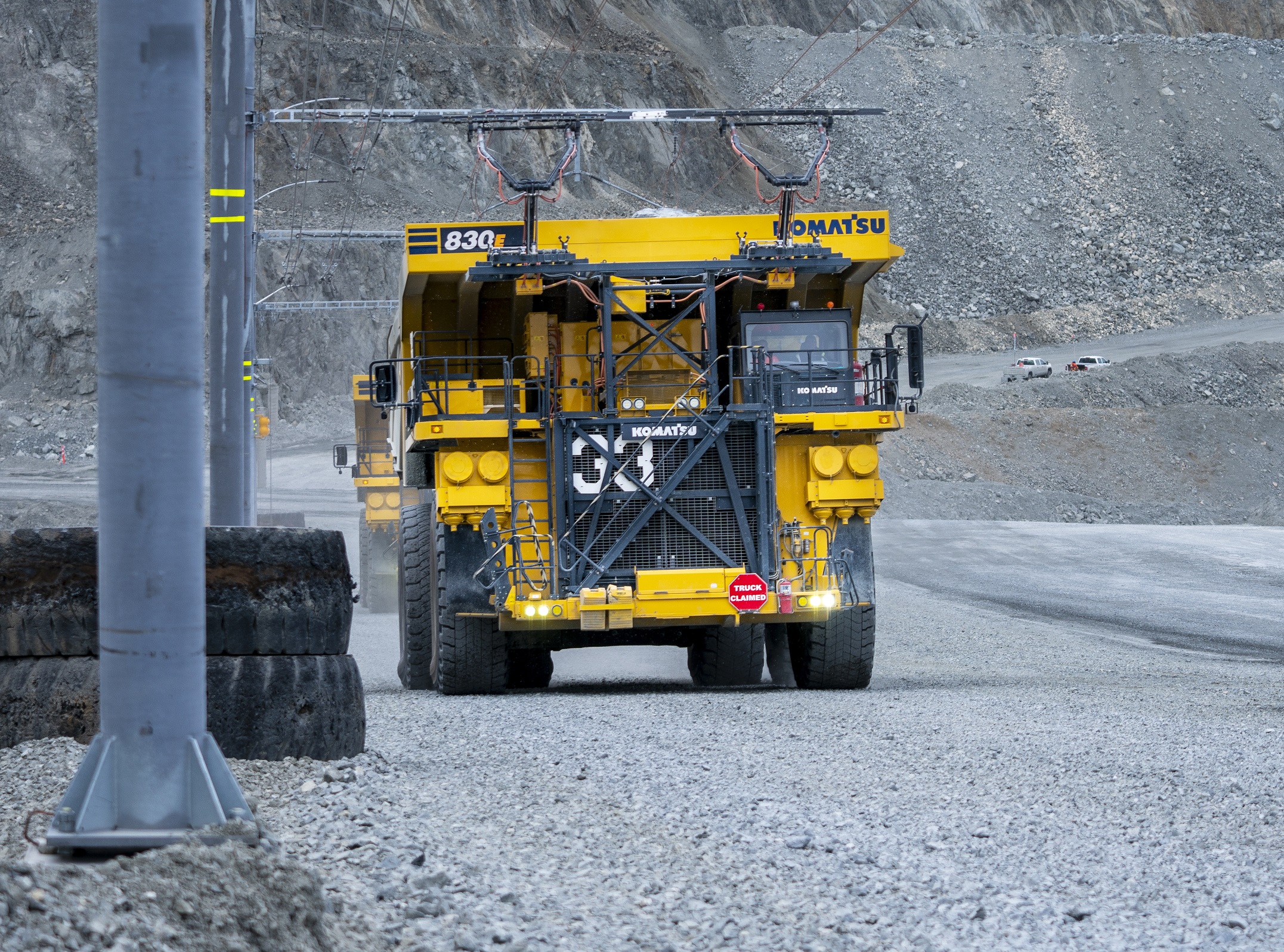
The Financial Powerhouse: Unpacking the Cost Reductions
When most people think of electric vehicles, the first benefit that comes to mind is environmental. However, for fleet managers and site operators, the most persuasive argument is often financial. The transition to electric mining haul trucks represents a significant overhaul in total cost of ownership (TCO), with savings materializing across several key areas.
Slashing Fuel and Energy Expenses
This is the most direct and substantial cost saving. Diesel fuel is a massive, volatile, and ongoing expense. Electric mining trucks replace diesel with electricity. Even with fluctuating energy prices, the cost per kilowatt-hour for electricity is consistently and significantly lower than the equivalent energy from diesel. According to a study highlighted by Caterpillar, switching to electric can reduce energy costs by up to 25% in many applications. Over the lifespan of a truck, which can log tens of thousands of hours, this translates to millions saved.
Dramatically Lower Maintenance Demands
The mechanical simplicity of an electric drivetrain is its hidden superpower. Compared to a complex diesel engine with thousands of moving parts, an electric motor has far fewer components. This means:
- Elimination of Engine-Overhauls: No more costly diesel engine rebuilds.
- Reduced Fluid Changes: Say goodbye to frequent engine oil, coolant, and filter changes.
- Minimal Brake Wear: Regenerative braking systems capture energy during descent, slowing the truck and drastically reducing wear on traditional friction brakes.
A report from Komatsu suggests maintenance costs for electric drive systems can be up to 30% lower than their diesel counterparts, leading to higher availability and uptime.
Enhanced Productivity and Uptime
Electric motors deliver instant, maximum torque from zero RPM. This translates to faster acceleration out of the loading zone and up ramps, potentially shortening cycle times. Furthermore, with fewer mechanical breakdowns and less time spent on routine maintenance, fleet availability increases. More hours hauling material directly boosts a mine’s overall productivity and revenue potential.
The Green Advantage: Quantifying the Environmental Impact
While the cost savings are critical, the environmental benefits of electric mining haul trucks are transformative, addressing both local site conditions and global climate goals.
Zero Emissions at the Point of Use
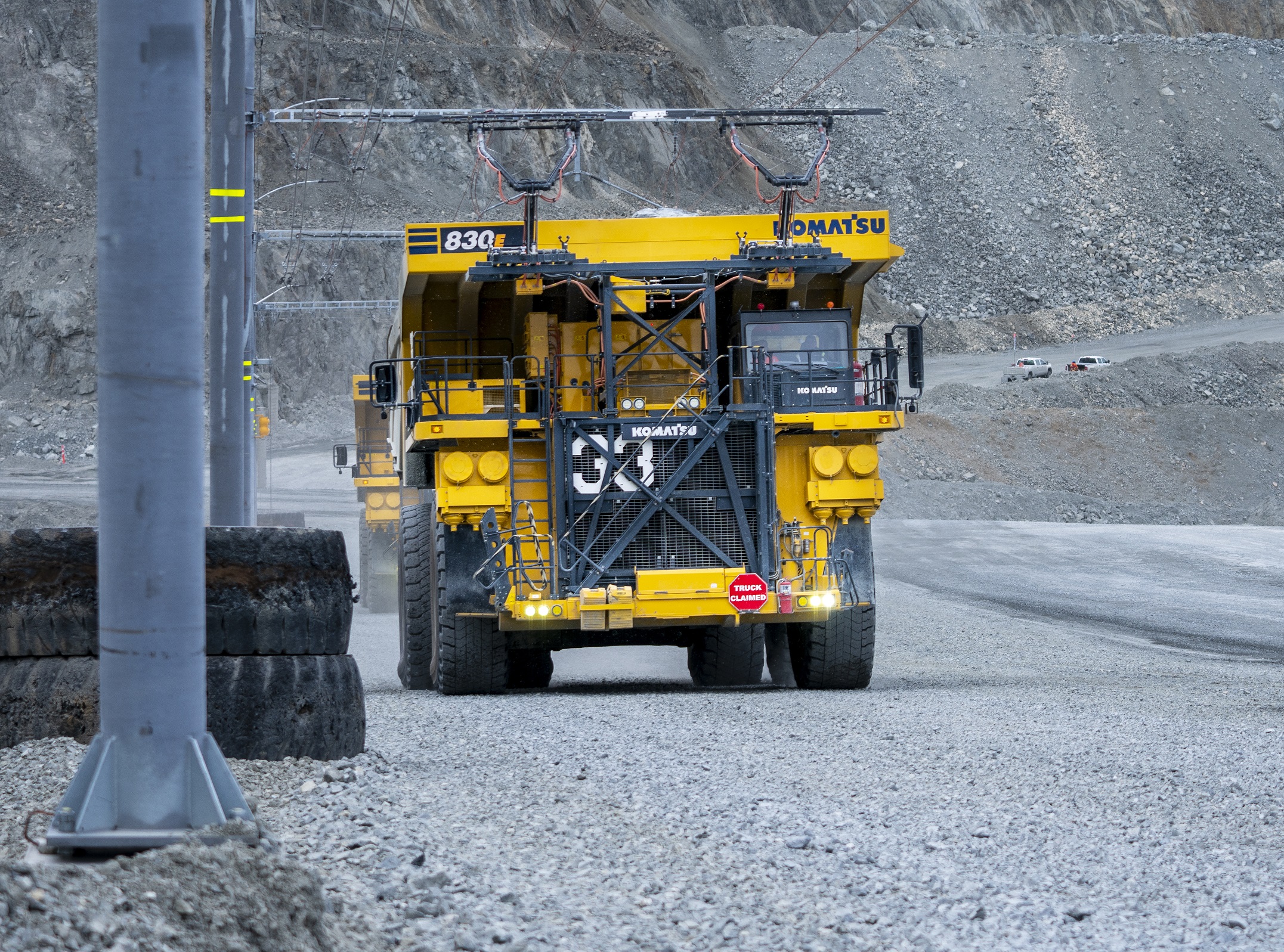
This is the most visible benefit. Electric trucks produce no exhaust emissions—no nitrogen oxides (NOx), no particulate matter (PM), and no carbon dioxide (CO2) while operating. This dramatically improves air quality within the mine, creating a healthier environment for workers and eliminating the need for complex exhaust after-treatment systems.
Reducing the Overall Carbon Footprint
The full environmental picture depends on how the electricity is generated. However, even when charged from a grid with a mix of energy sources, the overall carbon footprint is typically lower. As grids incorporate more renewables like solar and wind, the carbon benefits of electric mining vehicles become even more profound. Mines are also increasingly pairing electric trucks with on-site renewable microgrids, moving toward true zero-emission operations.
Noise Pollution Reduction
The near-silent operation of an electric drivetrain significantly reduces noise pollution. This is a major benefit for mines near communities and improves operator comfort and communication on site, potentially reducing long-term hearing risks.
Electric vs. Diesel: A Side-by-Side Comparison
To visualize the differences, let’s look at a direct comparison of key operational metrics over a five-year period for a hypothetical 220-ton class haul truck.
| Operational Factor | Traditional Diesel Truck | Electric Mining Truck | Advantage | |
|---|---|---|---|---|
| Fuel/Energy Cost | Very High (Diesel) | Significantly Lower (Electricity) | Electric | |
| Estimated Maintenance Cost | High | Up to 30% Lower | Electric | |
| Point-of-Use Emissions | High (NOx, PM, CO2) | Zero | Electric | |
| Drivetrain Complexity | High (Engine, Transmission) | Low (Motor, Inverter) | Electric | |
| Noise Level | High (> 85 dB) | Substantially Lower | Electric | |
| Initial Capital Cost | Lower | Higher | Diesel | |
| Total Cost of Ownership (TCO) | Higher over lifespan | Lower over lifespan | Electric |
Addressing the Challenges: Infrastructure and Transition
The path to electrification isn’t without its hurdles. The higher upfront capital cost is a significant barrier. The real game-changer, however, is the infrastructure. Mines need robust charging systems, often involving high-power overhead trolley lines or fast-charging stations at loading and dumping points. This requires a substantial initial investment and careful site planning. For operations looking to explore reliable and innovative heavy-duty electric vehicle platforms, manufacturers like Chinese Truck Factory are developing solutions tailored for demanding industrial applications. The transition also demands new training for maintenance crews to handle high-voltage electrical systems safely.
The Future of Haulage is Electric
The evidence is overwhelming. Electric mining trucks are not a futuristic concept; they are a present-day solution delivering real, measurable value. They represent a powerful convergence of economic and environmental priorities. By dramatically lowering operating costs through reduced fuel and maintenance spend, and by eliminating on-site emissions, they offer a sustainable path forward for the mining industry. As battery technology continues to improve and charging infrastructure becomes more standardized, adoption will only accelerate. For mines aiming to future-proof their operations, boost their bottom line, and meet stringent sustainability targets, the question is no longer “if,” but “when” to make the switch to electric haulage.
Frequently Asked Questions
Q: Aren’t electric mining trucks much more expensive to buy?
A: Yes, the initial purchase price is currently higher than a comparable diesel truck. However, it’s crucial to evaluate the Total Cost of Ownership (TCO). The significant savings on diesel fuel, engine oil, filters, and major engine overhauls over the truck’s lifespan often result in a lower TCO, making it a sound long-term investment.
Q: How do these trucks charge in remote mining locations?
A: There are two primary methods. First, many large electric haul trucks use overhead trolley-assist systems on key uphill haul roads, providing continuous power. Second, mines are deploying fast-charging stations at strategic points like loading areas. These can be powered by the grid, on-site generators, or increasingly, by renewable sources like solar farms built at the mine site.
Q: What happens to the battery at the end of its life?
A: Responsible battery lifecycle management is key. While mining truck batteries are built for extreme durability, they will eventually need replacement. The industry is focusing on second-life applications (like stationary energy storage) and developing efficient recycling processes to recover valuable materials like lithium, cobalt, and nickel, creating a circular economy.
Q: Can existing diesel trucks be converted to electric?
A> Retrofitting or repowering existing diesel frames with an electric drivetrain is an emerging area of innovation. It can be a cost-effective way to extend the life of a truck’s chassis while gaining electric benefits. Companies like Chinese Truck Factory are among those exploring such retrofit solutions for various heavy-duty applications.
Q: Do electric trucks have enough power for steep haul roads?
A> Absolutely. In fact, electric motors excel in this area. They deliver instant, full torque at low speeds, providing exceptional traction and hill-climbing ability. Trolley-assist systems on particularly steep grades can provide unlimited power, allowing the truck to maintain high speeds uphill that a diesel truck could not match.
Sources and Further Reading:
1. Caterpillar Inc. on sustainability and emissions reduction: https://www.caterpillar.com/en/news/sustainability/reducing-greenhouse-gas-emissions.html
2. Komatsu’s innovation and sustainability report: https://www.komatsu.com/en/innovation/sustainability/