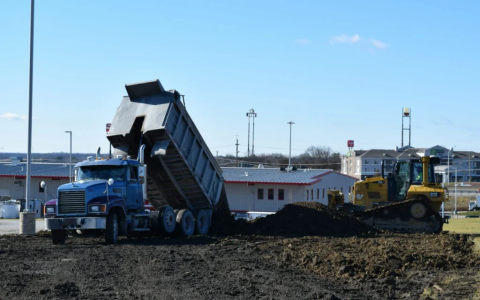
How Much Does a Dump Truck Load of Sand Cost? | 2024 Guide
How Much Does a Dump Truck Load of Sand Cost? | 2024 Guide
If you’re knee-deep in a landscaping project or a construction job, one of the most fundamental questions you’ll ask is, “How much does a dump truck load of sand cost?” The short answer is that the price isn’t fixed; it dances around based on several key factors. On average, for 2024, you can expect to pay anywhere from $150 to $800 for a standard dump truck load of sand. This comprehensive guide will break down exactly what influences that final number, from the type of sand you choose to the distance it has to travel. We’ll also provide practical tips to ensure you get the best value for your money, helping you budget your project with confidence.
Breaking Down the Cost Factors
Understanding the cost of a dump truck load of sand means looking at more than just a single price tag. It’s a puzzle where several pieces come together to form the total expense.
- Type of Sand: Not all sand is created equal. Mason sand, which is fine and perfect for mortar, will have a different price point than coarse concrete sand or specialized play sand. The more processing required, the higher the cost.
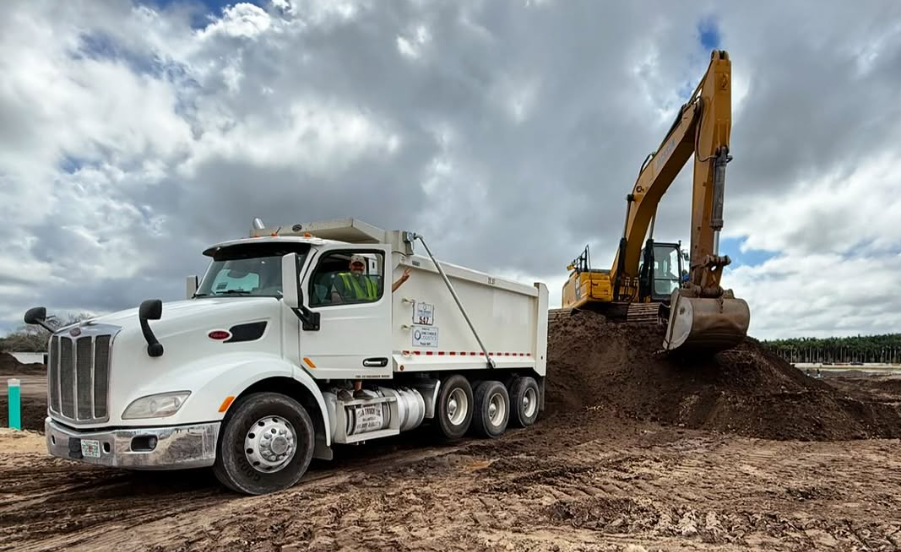
- Quantity and Volume: A “dump truck load” isn’t a universal measurement. Smaller trucks carry about 5 cubic yards, while larger ones can haul 16 cubic yards or more. The price per cubic yard typically decreases when you order in larger volumes.
- Delivery Distance: This is a major driver of cost. If your supplier is just around the corner, you’ll pay a minimal delivery fee. If you’re 40 miles out in a rural area, expect a significant surcharge to cover the truck’s fuel and time. The final price for your dump truck load of sand heavily reflects this journey.
- Local Market Conditions: The availability of sand in your region and local demand can cause prices to fluctuate. Urban areas with many active construction sites might have higher prices than quieter, rural locations.
Common Types of Sand and Their Typical Costs
Choosing the right sand is crucial for your project’s success and budget. Here’s a quick overview of popular options and their average cost per cubic yard, which will help you estimate the total for your dump truck sand delivery.
| Type of Sand | Best Used For | Avg. Cost Per Cubic Yard (Material Only) |
|---|---|---|
| Concrete Sand | Mixing concrete, paving projects | $15 – $40 |
| Mason Sand | Mortar, between pavers, sandboxes | $25 – $50 |
| Fill Sand | Backfilling, base for patios | $10 – $30 |
| Play Sand | Children’s play areas, sandboxes | $35 – $60 |
Delivery Fees and Other Hidden Charges
When you see a price for sand, it often doesn’t include the cost of getting it to your doorstep. Delivery fees can make or break your budget. Most companies charge a flat fee for local deliveries within a specific radius (e.g., 20 miles) and then add a per-mile charge beyond that. According to data aggregated from major suppliers, the average delivery fee ranges from $60 to $200. Furthermore, some suppliers might have additional charges for things like a “short load” if you don’t order a full truckload or a fee for a specific type of truck, like a semi-truck end dump, which is used for very large loads. Always ask for an all-inclusive quote to avoid surprises on your final bill for the cost of a dump truck load of sand.
How to Get the Best Price on Your Sand Delivery
After a decade of reviewing trucks and their operations, I can tell you that a little preparation goes a long way. Follow these steps to secure a fair price.
- Get Multiple Quotes: Don’t settle for the first supplier you find. Contact at least three different companies to compare their total prices, including all fees.
- Be Specific About Your Needs: Clearly state the type of sand, the exact quantity you need (in cubic yards), and your full delivery address. This allows for accurate quotes.
- Consider the Timing: If your schedule is flexible, ask if there are discounts for off-peak seasons, like late fall or winter, when demand is lower.
- Check for Online Reviews: Look for a supplier with a strong reputation for reliability and fair pricing. A cheap price means nothing if the delivery is late or the quality is poor.
Expert Insight on Material Quality
John Miller, a construction project manager with over 20 years of experience, emphasizes the importance of quality. “I’ve seen projects delayed and budgets blown because of subpar materials,” Miller states. “Don’t just shop for the lowest price per yard. Insist on seeing a sample of the sand or ask for documentation on its source and composition. A reputable supplier will be transparent. Paying a little more for clean, well-graded sand free of debris and clay will save you money and headaches down the line, ensuring your project has a solid foundation.” This expert advice underscores that the true dump truck load of sand cost includes both the price paid and the value received.
Frequently Asked Questions
Q: How many cubic yards of sand are in a standard dump truck?
A standard full-size dump truck typically carries between 10 and 16 cubic yards of sand. Smaller dump trucks, often called “mini-dumps,” might carry 5 to 7 cubic yards.
Q: Can I just buy a few bags of sand instead of a full truckload?
Absolutely. For very small projects, bagged sand from a home improvement store is a convenient option. However, for any project requiring more than a cubic yard, a dump truck sand delivery becomes far more cost-effective.
Q: Do I need to be present for the delivery?
Yes, it is highly recommended. You need to guide the driver to the optimal drop-off location and inspect the material upon delivery to ensure it meets your expectations.
Q: How can I calculate how much sand I need?
You’ll need to calculate the volume of your space in cubic feet (Length x Width x Depth) and then divide that number by 27 to convert it to cubic yards, which is how sand is sold.
Final Thoughts on Your Purchase
Determining the final dump truck load of sand cost for your project requires a bit of homework. By understanding the variables—sand type, quantity, delivery, and local market rates—you can move from a rough estimate to a precise budget. Remember to prioritize clear communication with suppliers and don’t compromise on material quality for a minor price saving. With this knowledge, you’re well-equipped to source the materials you need efficiently and cost-effectively, ensuring your project gets off to a strong start.
Sources:
U.S. Geological Survey (USGS) – Mineral Commodity Summaries
HomeAdvisor – Soil, Mulch, and Rock Delivery Cost Guide