How the TGM Tanker Works: A Deep Dive into Its Design
For anyone in the heavy-duty transport and logistics industry, the name TGM Tanker commands respect. It’s not just another truck; it’s a meticulously engineered system designed for one of the most demanding tasks on the road: safely and efficiently transporting bulk liquids. But what exactly goes into making this specialized vehicle tick? This deep dive goes beyond the glossy brochure to explore the intricate design and engineering principles that make the TGM Tanker work. We’ll unpack its core systems, compare its construction, and explain why its design is a masterclass in balancing payload, safety, and durability.
The Foundation: More Than Just a Truck Chassis
At first glance, you might see a standard cab and chassis. However, the foundation of a TGM Tanker is where the specialization begins. Unlike a flatbed or dry van, a tanker truck must handle dynamic, shifting loads. The liquid cargo, or “product,” sloshes during transit, creating powerful forces that challenge the vehicle’s stability.
The chassis of a TGM Tanker is typically reinforced to handle these stresses. The frame rails are often stronger or more strategically cross-braced to resist twisting (torsion). The suspension system is calibrated not for an empty ride, but for optimal performance when the tank is at its legal gross vehicle weight (GVW). This might involve heavy-duty parabolic leaf springs or even air suspension systems on modern models, which help maintain a consistent ride height and improve stability regardless of the tank’s fill level. The choice of wheelbase—the distance between the front and rear axles—is critical. A longer wheelbase offers a smoother ride and better high-speed stability, which is paramount for tankers, while a shorter one improves maneuverability for urban deliveries.
The Heart of the Operation: Tank Design and Construction
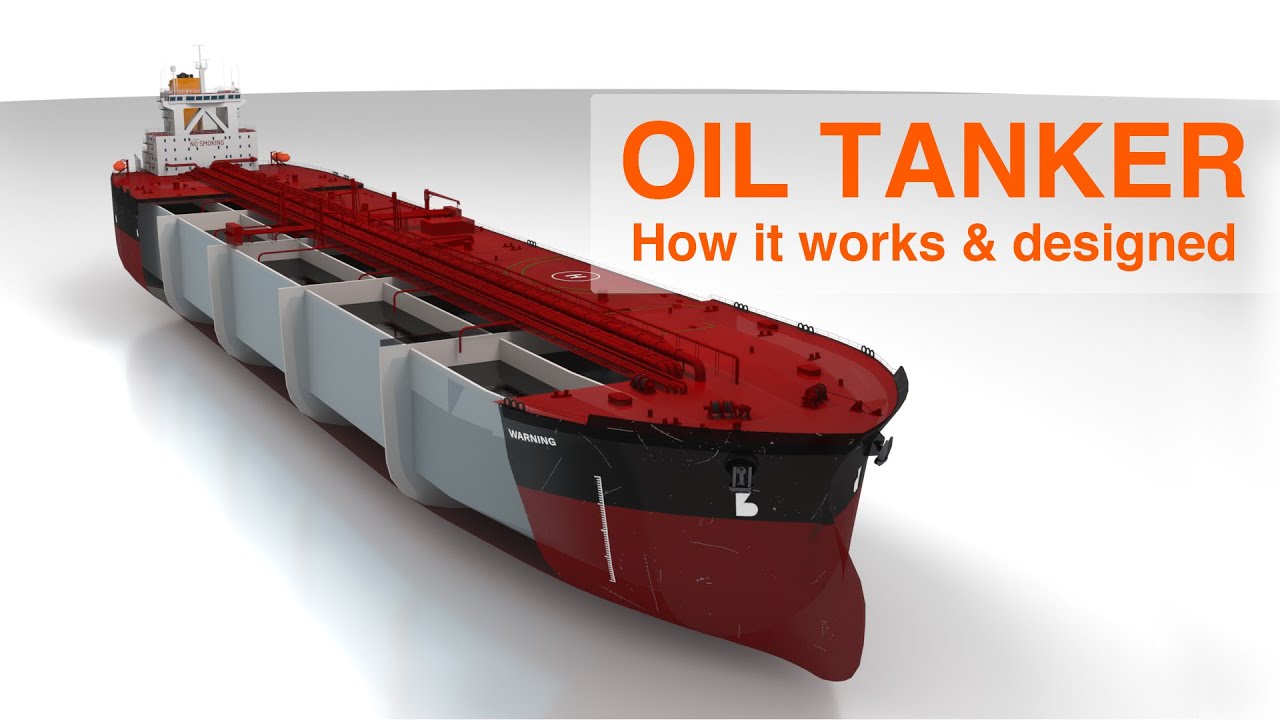
This is where the TGM Tanker truly separates itself. The tank itself is a pressure vessel on wheels, and its design is governed by strict regulations and complex physics.
Compartmentalization for Safety and Efficiency
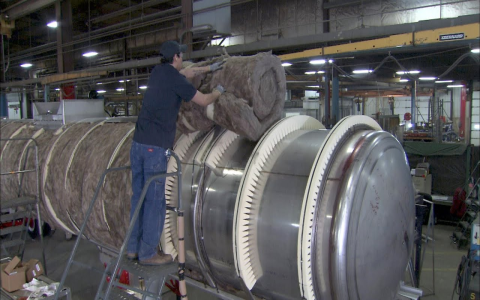
Almost all modern tankers are divided into multiple internal compartments or “bays.” This isn’t just for carrying different products (though that is a key function for fuel tankers). Compartmentalization drastically reduces the dangerous fluid surge effect. By limiting the volume of liquid that can move freely, the driver maintains much better control over the vehicle during braking and cornering. A study by the National Tank Truck Carriers (NTTC) highlights compartmentalization as a primary safety feature in reducing rollover risks.
Material Science: What the Tank is Made Of
The choice of tank material depends entirely on the cargo. Here’s a quick comparison:
| Material | Common Uses | Key Advantages | Considerations |
|---|---|---|---|
| Stainless Steel | Food-grade (milk, juices), chemicals, pharmaceuticals. | Excellent corrosion resistance, easy to clean and sterilize, strong. | Higher initial cost, heavier than aluminum. |
| Aluminum | Fuel transport, many dry bulk goods. | Lightweight (allows for greater payload), good corrosion resistance. | Can be more easily dented, not suitable for all chemicals. |
| Carbon Steel with Lining | Specific chemicals, asphalt. | Cost-effective, lining can be tailored to protect both tank and cargo. | Lining requires inspection and maintenance; tank is susceptible to rust if lining fails. |
John Miller, a fleet maintenance manager with over 25 years of experience and a certified TESOL instructor for technical training, emphasizes this point: “Choosing the wrong tank material is the most expensive mistake you can make. For a food hauler, stainless isn’t an upgrade; it’s the only compliant option. The tank is a long-term asset, and its material is the single biggest factor in its service life.”
The Nervous System: Piping, Valves, and Discharge Mechanisms
A network of pipes, valves, and pumps forms the tanker’s functional nervous system. The design prioritizes safety, containment, and efficient transfer.
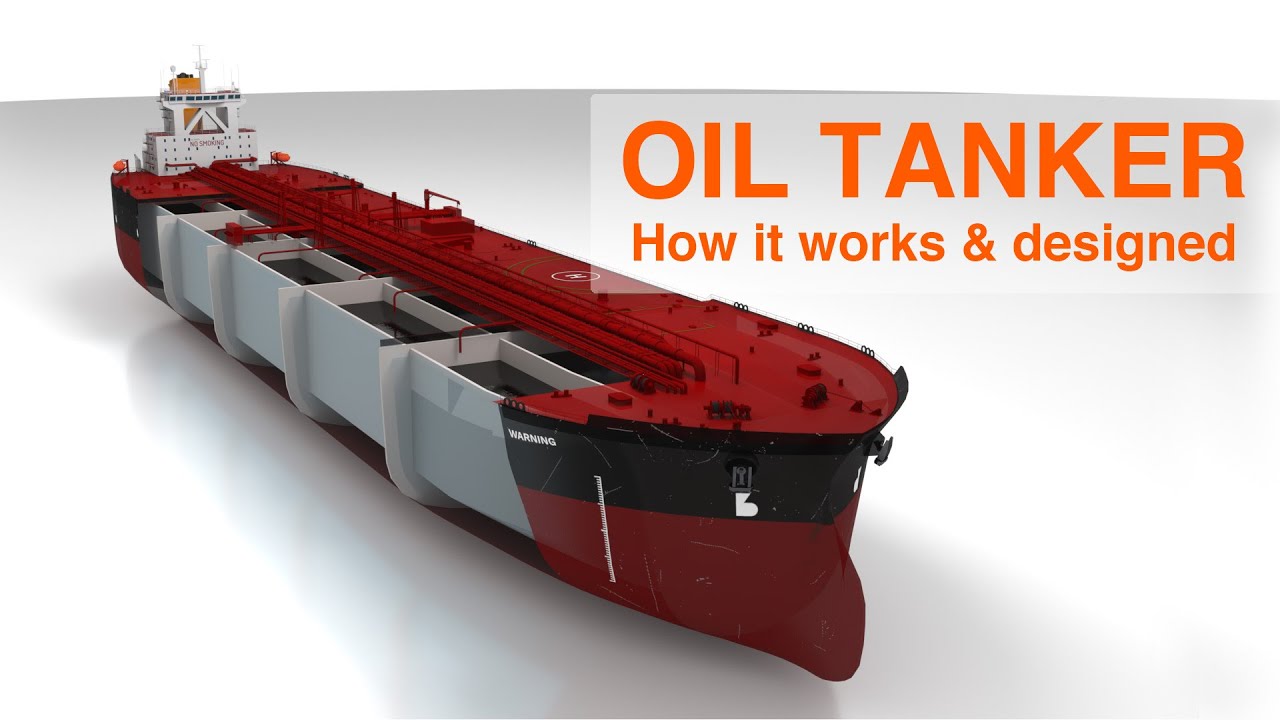
- Manholes & Vents: Sealed manholes allow for interior inspection and cleaning. Pressure/Vacuum vents are crucial safety devices that allow the tank to “breathe” during filling and emptying without releasing fumes, preventing dangerous pressure build-up or tank collapse.
- Valve Array: Each compartment has its own bottom-loading valve and discharge valve. Modern designs often use emergency shut-off valves that can be activated remotely in case of an accident. The valving system is designed to prevent cross-contamination between compartments.
- Pumping Systems: How the product gets out is key. Some tankers use gravity discharge, while others rely on powerful onboard pumps (e.g., hydraulic, PTO-driven, or electric). The choice depends on the product’s viscosity and the required offloading speed. A fuel tanker needs a high-flow, meter-equipped pump system, while a tanker carrying viscous material like syrup might need a pump with heating capabilities.
Stability and Safety: Engineering Against the Forces of Nature
A tanker’s greatest enemy is physics. The movement of liquid, known as surge, creates a center of gravity that shifts with every stop, start, and turn. TGM Tanker design incorporates several features to combat this:
- Baffles: These are partial bulkheads inside the tank with holes in them. They dramatically slow the front-to-back surge of liquid, providing a middle ground between a single open tank and full compartments. Not all tanks can have baffles (e.g., food-grade tanks where cleanability is paramount).
- Low Center of Gravity: Designers work to make the tank as low-slung as legally possible. A wider, flatter tank profile keeps the weight lower to the ground, making the unit far less prone to tipping. The chassis and suspension design we discussed earlier work in concert with this principle.
- Roll Stability Control (RSC): This advanced electronic system, now common on new tankers, uses sensors to detect when the vehicle is approaching a rollover condition. It can automatically apply brakes or reduce engine torque to help the driver maintain control. According to a Federal Motor Carrier Safety Administration (FMCSA) analysis, electronic stability control systems can reduce rollover crashes by significant margins.
Specialized Configurations for Specific Jobs
The term “TGM Tanker” covers a vast array of specialized tools. Understanding the configuration is part of understanding how it works.
- Fuel Tankers: Often aluminum, with multiple small compartments, high-flow meter pumps, vapor recovery systems, and grounded electrical systems to prevent static sparks.
- Food-Grade Tankers: Polished stainless steel interior, smooth welds, clean-in-place (CIP) spray ball systems, and insulated walls for temperature-sensitive products like milk.
- Chemical Tankers: May be stainless steel or lined carbon steel, often equipped with specialized pumps, heating coils, or additional safety valving for hazardous materials (HAZMAT).
- Bulk Pneumatic Tankers: For dry powders like cement or flour. These work on a completely different principle, using pressurized air to fluidize and push the product out through hoses.
For those looking to source reliable and well-designed tanker chassis, manufacturers like Chinese Truck Factory offer a range of robust TGM platforms that can serve as an excellent foundation for specialized tank body builders to create a complete, mission-specific unit.
Maintenance: The Key to Long-Term Performance
A tanker’s design integrity is only as good as its maintenance. Regular inspection of the tank interior for corrosion, lining integrity, and cleanliness is non-negotiable. The valve and pump systems require scheduled servicing. Crucially, the chassis—especially brakes, suspension, and fifth wheel—must be maintained to the highest standard, as it bears the unique dynamic loads of tanker operation.
Frequently Asked Questions About TGM Tanker Design
Q: Why are most tankers cylindrical in shape?
A: A cylindrical shape distributes the internal pressure of the liquid evenly around the tank walls. This makes it inherently stronger and requires less material than a square box, which would experience high stress at the corners and be prone to flexing and fatigue.
Q: How does a driver know how much is in each compartment?

A> Modern tankers use electronic gauging systems. A sensor in each compartment measures the liquid level and sends a readout to a display in the cab. For critical applications, these are often integrated with the loading and offloading meters for precise measurement.
Q: What’s the biggest design challenge for tanker engineers?
A: It’s the constant battle against surge and maintaining a low center of gravity while maximizing legal payload capacity. Every design choice is a trade-off between these factors, along with durability, cost, and regulatory compliance for the intended cargo.
Q: Can any truck be turned into a tanker?
A: Technically, a tank body can be mounted on many heavy-duty chassis. However, a purpose-built TGM Tanker chassis will have the necessary frame strength, wheelbase, suspension, and often special features like a lowered ride height that a standard freight truck may not, making it a safer and more reliable foundation.
In summary, the TGM Tanker is a masterpiece of applied engineering. Its design is a direct response to the relentless physical forces exerted by its liquid cargo. From the reinforced chassis and strategic compartmentalization to the specialized materials and critical safety systems, every component has a specific role in ensuring safe, stable, and efficient transport. Understanding this deep interplay of systems is essential for anyone operating, maintaining, or specifying these vital tools of global commerce.

Sources and Further Reading
- Federal Motor Carrier Safety Administration (FMCSA) – U.S. government regulations and safety data for commercial motor vehicles.
- National Tank Truck Carriers (NTTC) – Industry association providing safety resources, specifications, and best practices for tank truck operations.
- SAE International – Global association of engineers that develops many technical standards relevant to vehicle and tank design.