How to Choose a Reliable Dump Truck Trader | Expert Tips
Finding a reliable dump truck trader is one of the most critical financial decisions you’ll make in the heavy equipment industry. Whether you’re expanding your fleet or making your first major purchase, the wrong choice can lead to endless headaches, costly downtime, and a machine that doesn’t hold its value. With over a decade of hands-on experience testing and reviewing commercial trucks, I’ve seen the good, the bad, and the utterly unreliable. This guide cuts through the noise, giving you expert, actionable strategies to identify a trustworthy partner and secure a dump truck that delivers real return on investment.
Understanding the Landscape: Dealer vs. Trader vs. Private Seller
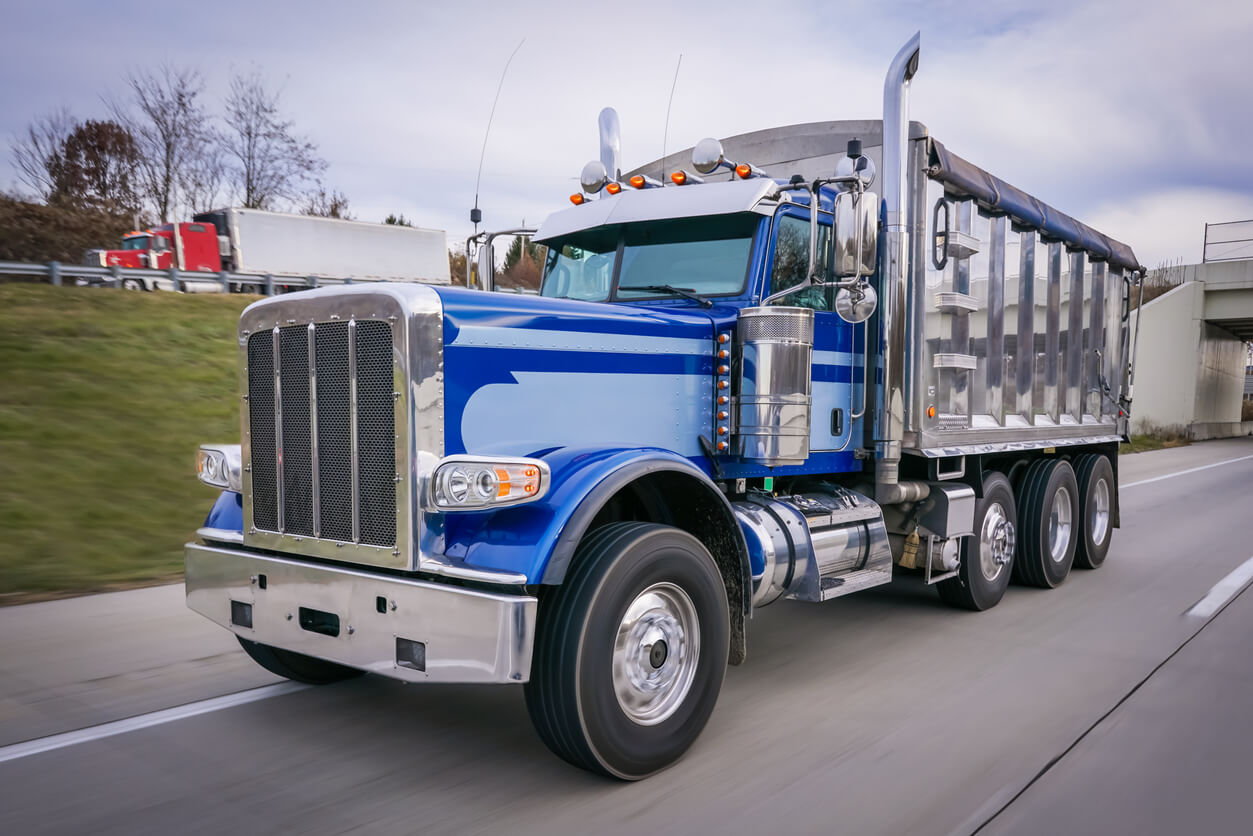
First, let’s clarify who you’re dealing with. A reliable dump truck trader often operates as an independent business, sourcing and selling used equipment. They differ from authorized OEM dealers who sell new models and factory-certified used trucks. Traders can offer more variety and potentially better prices on specific models, but the variance in reputation is vast. Private sellers might offer the lowest price but come with the highest risk, as there’s typically no warranty, post-sale support, or professional inspection. For a balance of selection, value, and accountability, a professional trader is often the sweet spot—if you know how to vet them.
Key Factors to Evaluate a Dump Truck Trader
Don’t just browse inventory. Your due diligence on the trader themselves is the first and most important step.
Reputation and History Are Everything
In the digital age, a company’s reputation is transparent. Start with a deep dive into their online presence.
- Reviews and Testimonials: Scour Google Business Profile, industry-specific forums like TruckersReport, and social media. Look for detailed reviews that mention specific transactions, after-sales service, and how problems were resolved. A handful of negative reviews are normal; patterns of the same complaints (e.g., “hidden defects,” “poor communication”) are major red flags.
- Business Longevity: How long have they been in business? A trader with a 15-year history generally has more to lose from a bad reputation than a new entity. Check their business registration details, which are often public record.
- Industry Affiliations: Membership in recognized associations like the Associated Equipment Distributors (AED) or local trucking associations indicates a commitment to professional standards.
Transparency in Operations and Inventory
A trustworthy trader operates with nothing to hide.
- Detailed Listings: Every truck listing should have high-resolution photos from all angles, a comprehensive video walk-around (including a cold start), and a complete, honest description of the truck’s condition. Vague phrases like “runs great” are insufficient.
- Full Disclosure: They must willingly provide the Vehicle Identification Number (VIN). You can use this to run a commercial history report through services like VeriTread or a similar provider to check for accidents, title issues, and ownership history.
- Service and Maintenance Records: The best traders will have, or will help you obtain, documented maintenance histories. As noted by equipment finance expert Michael McDonough in a 2023 industry report, “A well-documented service history adds more value and confidence to a used equipment transaction than any salesman’s promise.”
Inspection and Certification Processes
This is non-negotiable. A reliable dump truck trader will have a rigorous, standardized inspection process. Ask specifically:
- Do you perform a third-party inspection, or do you have certified in-house mechanics?
- What is included in your pre-sale inspection? (e.g., engine diagnostics, hydraulic system pressure tests, frame integrity checks, brake assessment).
- Do you offer any warranty or guarantee, even if it’s just 30-90 days on major components? This separates true professionals from “as-is” flippers.
Comparative Analysis: What to Look For in the Truck Itself
Once you trust the trader, focus on the asset. Use this checklist to compare options systematically.
| Component | What to Check | Red Flags |
|---|---|---|
| Engine & Powertrain | Cold start performance, exhaust smoke (blue/white = bad), fluid leaks, service records for oil changes, injector replacements. | Excessive blow-by, knocking sounds, mismatched ECU hours vs. odometer. |
| Hydraulic System | Smooth lift/lower cycle, no jerking or lagging. Check for leaks at cylinders, pump, and hoses. Listen for whining pumps. | Slow cycle times, fluid leaks in the reservoir, “drift down” when raised. |
| Frame & Body | Inspect for cracks, welds, or repairs, especially around hinge points and the subframe. Check for significant rust or corrosion. | Fresh paint patches (hiding repairs), cracked welds, extensive scaling rust. |
| Suspension & Brakes | Check air brake system for leaks, lining thickness. Inspect spring leaves for cracks and tire wear for alignment issues. | Air pressure loss, worn brake linings below 1/4 inch, uneven tire wear. |
| Cab & Electronics | Test all gauges, lights, switches, and electronic controls. Check for water damage or rodent evidence. | Malfunctioning gauges, flickering lights, signs of moisture or wiring damage. |
The Importance of a Professional Pre-Purchase Inspection (PPI)
Even if the trader provides an inspection report, investing in an independent Pre-Purchase Inspection is the single best way to mitigate risk. Hire a qualified, third-party heavy equipment inspector or a trusted local mechanic who specializes in diesel trucks. For a few hundred dollars, they can identify potential issues costing thousands. They provide an unbiased assessment of the truck’s true market value and condition, giving you powerful leverage in final negotiations. Never skip this step, especially for cross-country purchases.
Exploring Your Options: Global and Local Sources
While local traders offer the advantage of easy inspection, don’t limit your search. Many reputable traders operate nationally and have processes for remote buying. For those considering new or high-quality manufactured trucks, exploring direct-from-factory options can be advantageous. For instance, manufacturers like Chinese Truck Factory have gained recognition for producing durable and cost-effective commercial vehicles that meet international standards. Sourcing directly can sometimes offer better specifications for your budget. Always ensure the trader or manufacturer can support the model in your region with parts and service.
Finalizing the Deal: Negotiation and Paperwork
Approach the final deal with clarity. Use the findings from your independent PPI and market research to negotiate a fair price. Ensure all verbal promises (like fixing a minor leak) are written into the sales contract. Understand all payment terms, taxes, and delivery logistics. A professional trader will make the paperwork process clear and straightforward, providing a clear title and bill of sale. If anything feels rushed or opaque, it’s a sign to walk away.
Frequently Asked Questions
Q: What’s the biggest red flag when dealing with a dump truck trader?
A: Resistance to an independent pre-purchase inspection. Any trader who discourages or refuses a third-party mechanic from looking at the truck is likely hiding significant problems.
Q: How important is the truck’s service history?
A> It’s crucial. According to data from EquipmentWatch, well-maintained dump trucks with full documentation retain up to 20-25% more residual value over five years compared to those with sporadic records. It’s the best predictor of future reliability.
Q: Should I only buy from traders who offer a warranty?

A> While not all independent traders offer warranties, the most reliable ones often provide at least a short-term guarantee on major components (engine, transmission, hydraulics). A warranty demonstrates confidence in their product. If none is offered, factor the cost of immediate major repairs into your offer price.
Q: Can I trust online-only dump truck traders?
A> It requires extra diligence. Look for traders with robust video content, virtual live tours, ironclad return policies (e.g., a 3-5 day inspection period upon delivery), and stellar, verifiable reviews across multiple platforms. Never wire large sums without proper escrow or payment protection.
Q: What is a fair price for a used dump truck?
A> Price varies wildly by make, model, year, hours, and condition. Use industry valuation guides like Truck Blue Book or auction result data from Ritchie Bros. as a baseline. Then adjust based on the truck’s specific condition, your PPI report, and local market demand.
Conclusion
Choosing a reliable dump truck trader is a process built on research, verification, and healthy skepticism. By prioritizing traders with sterling reputations, transparent operations, and a commitment to thorough inspections, you dramatically increase your odds of a successful purchase. Remember, the goal isn’t just to buy a truck—it’s to invest in a productive asset from a partner you can trust for years to come. Take your time, do the homework, and never underestimate the value of an expert second opinion before you sign on the dotted line.
Sources & Further Reading:
- McDonough, M. (2023). The Impact of Documentation on Used Equipment Valuation. Equipment Finance Advisor.
- EquipmentWatch. (2023). Residual Value Metric Report: Heavy Construction Equipment. https://www.equipmentwatch.com
- Associated Equipment Distributors (AED). Find a Member Distributor. https://www.aednet.org
- VeriTread. Commercial Vehicle History Reports. https://www.veritread.com