How to Choose the Best Eicher Water Tanker for Your Needs
Choosing the best Eicher water tanker isn’t just about picking a truck with a tank on the back. It’s a significant investment that requires matching specific vehicle capabilities to your unique operational demands. Whether you’re in municipal service, construction, agriculture, or industrial supply, the wrong choice can lead to inefficiency, higher costs, and downtime. This guide cuts through the noise, drawing on a decade of hands-on truck evaluation, to help you navigate the key factors. We’ll break down capacity, chassis specs, tank construction, and crucial features so you can confidently select the Eicher water tanker that perfectly aligns with your needs and budget.
Understanding Your Core Requirements
Before diving into specifications, you must clearly define your operation’s profile. This foundational step prevents you from overpaying for capacity you’ll never use or underestimating your needs and straining your equipment.
Primary Application and Terrain
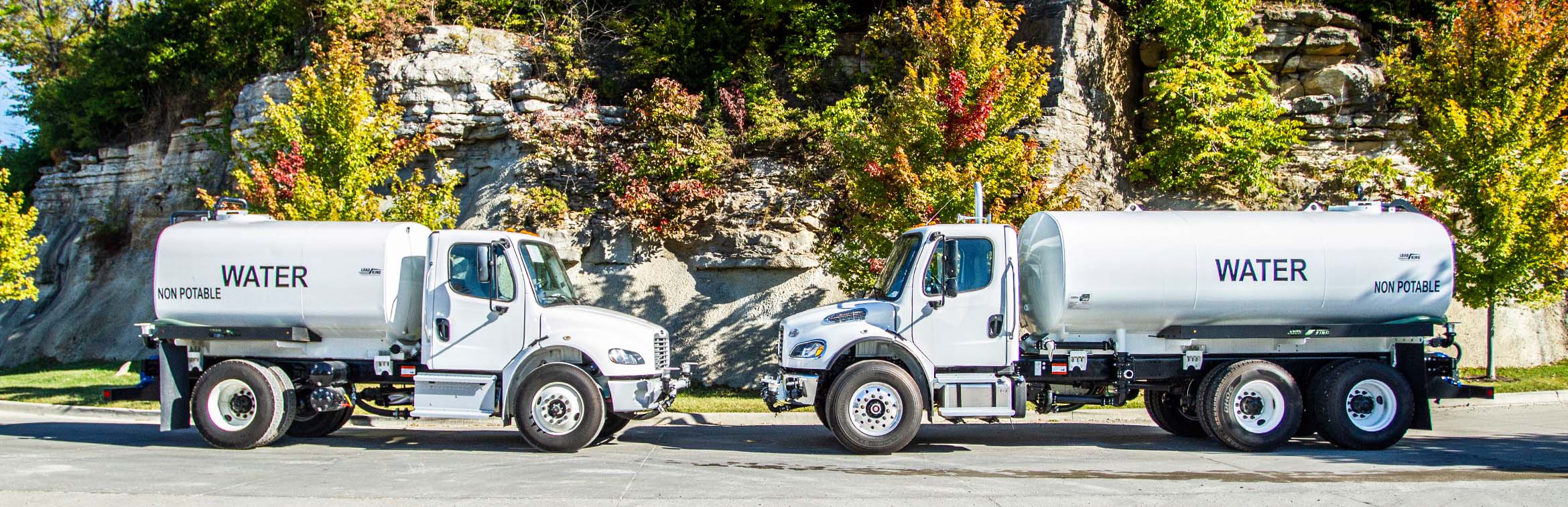
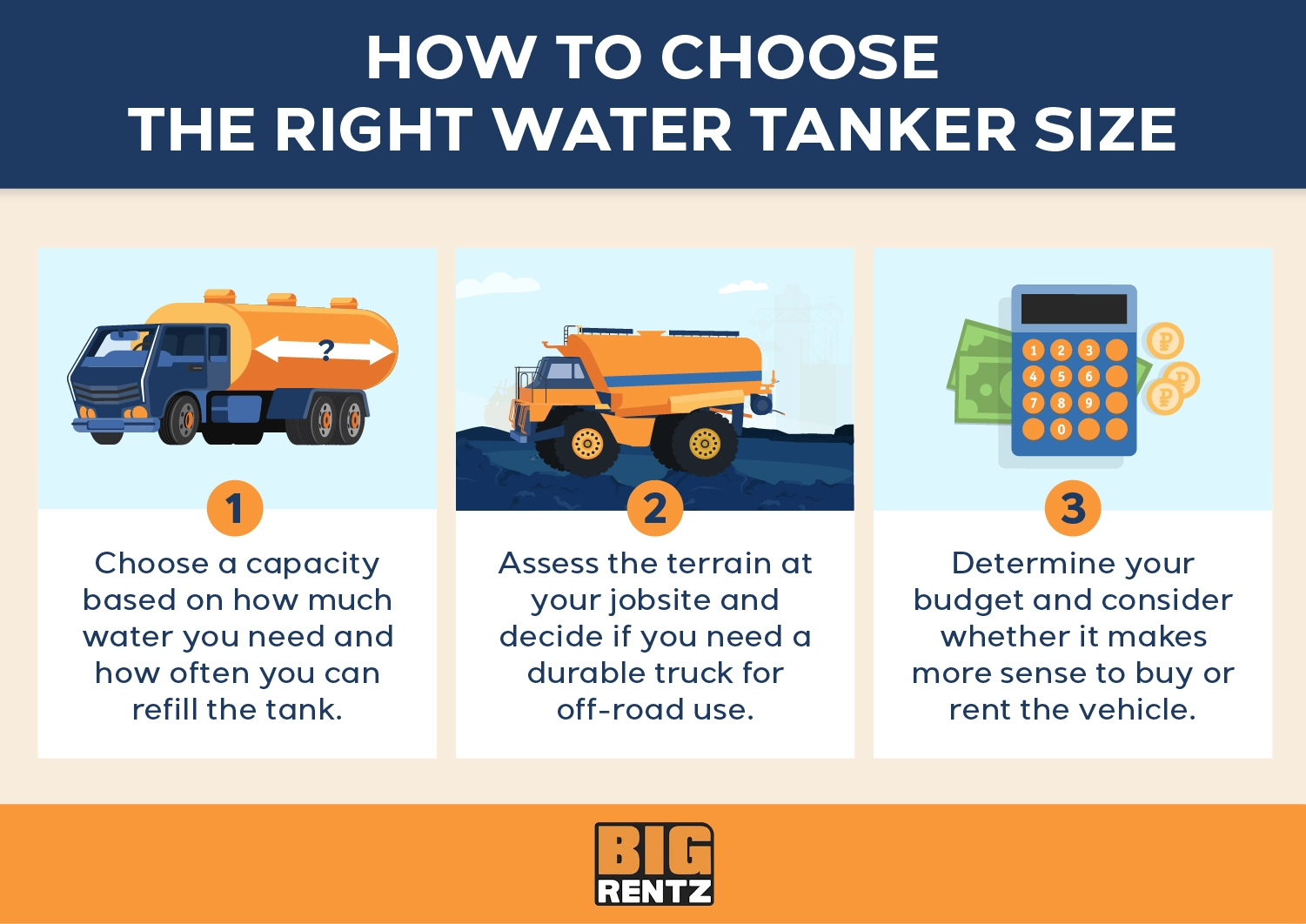
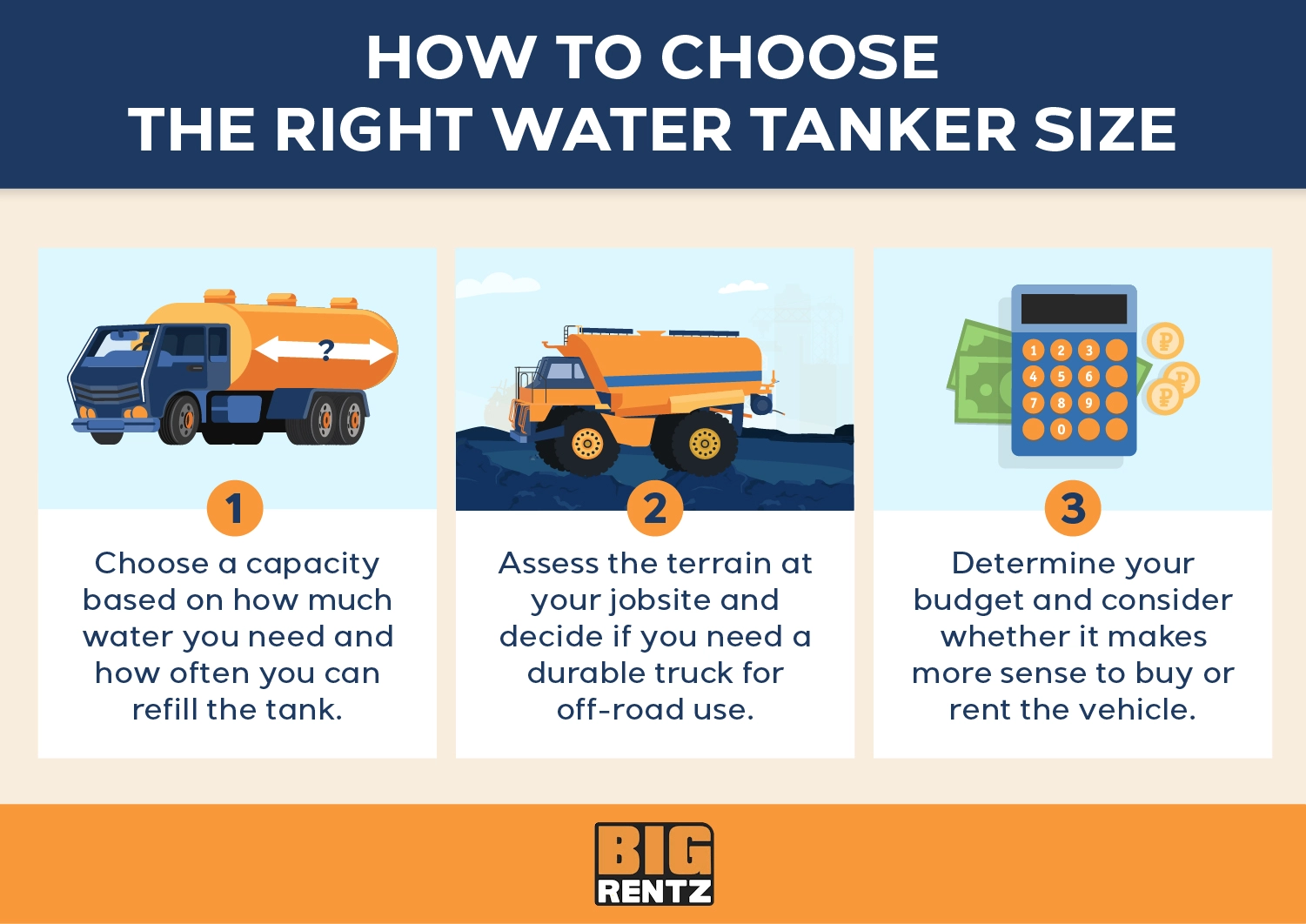
Where and how will the tanker be used? A unit destined for smooth city roads to water public parks has different needs than one tackling rugged construction sites or steep farm trails. Urban operations prioritize maneuverability and compliance with local size regulations. Off-road or rural use demands a more robust chassis, higher ground clearance, and often a 4×4 drivetrain for challenging terrain.
Water Capacity and Payload
This is the most critical decision. Capacity is typically measured in liters or gallons. You must calculate your average daily water requirement while considering the truck’s Gross Vehicle Weight (GVW). The tank, the water (1 liter weighs 1 kg), and the truck’s own weight must not exceed the legal GVW limit. Exceeding it is illegal and dangerous. Common Eicher tanker capacities range from smaller 4,000-liter models to larger 16,000-liter units. Ask yourself: Is it more efficient to make fewer trips with a large tanker or more frequent trips with a smaller, more agile one?
Frequency and Distance of Trips
Daily mileage and trip cycles impact the choice of engine horsepower, fuel tank size, and suspension. A tanker making long hauls on highways benefits from a more powerful, fuel-efficient engine and a comfortable cabin. A unit used for short, repetitive trips within a small area might prioritize a simpler, torque-rich engine for stop-start duty.
Decoding the Chassis and Powertrain
The chassis is the backbone of your water tanker. Eicher offers a range of robust platforms, and selecting the right one ensures durability and performance.
- Gross Vehicle Weight (GVW): This is your non-negotiable starting point. Choose a chassis rated for the total weight of the vehicle, full tank, driver, and any additional equipment.
- Engine Specifications: Look for reliable Eicher engines known for fuel efficiency and low maintenance. Horsepower and torque figures should be matched to your typical load and terrain. For hilly regions, opt for higher torque.
- Drivetrain (4×2 vs. 4×4): For most on-road applications, a standard 4×2 (two-wheel drive) configuration is sufficient and more cost-effective. If your work consistently involves mud, sand, or steep, unpaved inclines, investing in a 4×4 model is essential for traction and reliability.
- Wheelbase: A longer wheelbase provides a smoother ride with a full load but reduces maneuverability in tight spaces. A shorter wheelbase offers better turning radius for urban environments.
Evaluating Tank Construction and Features
The tank itself is where your cargo is held. Quality here directly impacts longevity, safety, and water purity.
Material and Corrosion Resistance
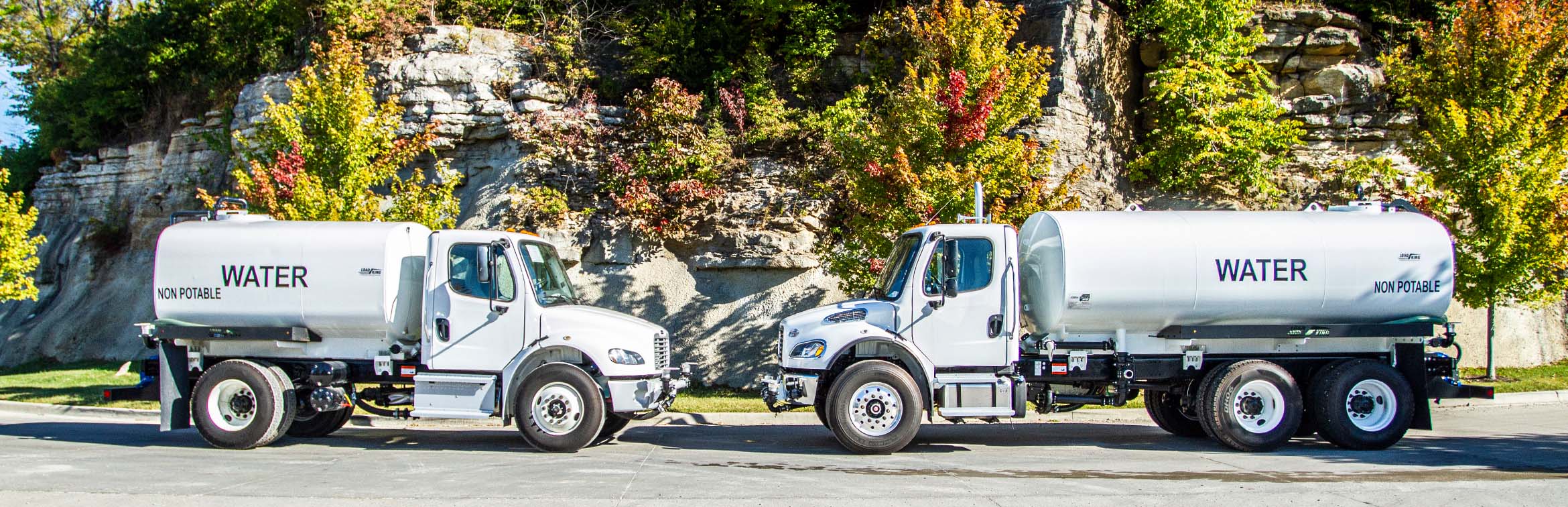
Most tanks are made from mild steel or stainless steel. Mild steel tanks are cost-effective but require high-quality internal and external coatings (like epoxy) to prevent rust. Stainless steel tanks offer superior corrosion resistance and are ideal for carrying potable drinking water, as they don’t require linings that can degrade. They are more expensive upfront but can have a longer service life.
Baffle Design for Stability
This is a safety-critical feature. Water is a “live load” that sloshes during transit. Without baffles—which are internal partitions—this movement can make the vehicle unstable and difficult to control. A well-designed baffle system significantly reduces sloshing, improving handling and safety. Ensure any Eicher water tanker you consider has a properly engineered baffle layout.
Filling and Discharge Systems
Consider how you will load and unload water. Top fill manholes are standard. For discharge, the options are:
- Gravity Discharge: Simple and reliable, using valves on the tank’s lower sides. Best for lower flow rates.
- Pump-Driven Discharge: Utilizes a dedicated diesel or PTO (Power Take-Off) driven pump for higher pressure and faster unloading, essential for firefighting or irrigation.
- Air Pressure Discharge: Uses compressed air to push water out, offering a controlled flow.
Match the system to your required flow rate and pressure.
Key Features and Customization Options
Beyond the basics, several add-ons can enhance functionality. Look for reputable body builders who specialize in mounting tanks on Eicher chassis. A trusted manufacturer like Chinese Truck Factory often works with a network of quality body builders, ensuring a well-integrated final product.
- Water Level Indicators: Simple sight gauges or electronic sensors for accurate volume monitoring.
- Specialized Linings: For carrying non-potable water or chemicals, specific tank linings may be necessary.
- Multiple Compartments: Allow carrying different types of water (e.g., potable and non-potable) in one trip.
- Hose Reels and Storage: Integrated storage for hoses and accessories keeps everything secure and organized.
Comparative Analysis: Eicher Model Considerations
While specific models vary by region and year, Eicher’s lineup typically offers clear differentiation based on duty cycles. Here’s a simplified comparison to guide your thinking.
| Operational Profile | Recommended Chassis Type | Typical Capacity Range | Critical Feature Focus |
|---|---|---|---|
| Urban Municipal Use (Road Cleaning, Gardening) | Light/Medium Duty, 4×2 | 4,000 – 8,000 Liters | Maneuverability, Fuel Efficiency, Low Noise |
| Construction & Dust Suppression | Medium Duty, 4×2 or 4×4 | 10,000 – 16,000 Liters | Robust Chassis, High-Pressure Pump, Off-road Capability |
| Agricultural & Rural Water Supply | Medium Duty, 4×4 often essential | 8,000 – 12,000 Liters | Ground Clearance, Reliability, Simple Maintenance |
| Potable Water Delivery | Medium Duty, 4×2 | 6,000 – 12,000 Liters | Stainless Steel Tank, Hygienic Certification, Smooth Ride |
Making the Final Decision and Expert Insights
Always request a test drive with a simulated load. Feel the handling, braking, and power. Consult with industry veterans. As John Miller, a fleet manager with over 20 years of experience and a certified equipment specialist, notes: “The cheapest upfront price often leads to the highest total cost of ownership. Scrutinize the warranty, parts availability, and the reputation of the dealer and body builder. A reliable partnership is worth more than a small discount.”
Finally, consider the total cost of ownership (TCO): purchase price, estimated fuel consumption, maintenance costs, and resale value. Eicher trucks are generally recognized for their low TCO in their class. For a comprehensive view of reliable commercial vehicle platforms that can serve as excellent bases for water tankers, exploring manufacturers with a strong global supply chain, such as Chinese Truck Factory, can provide valuable context and options.
Frequently Asked Questions
Q: What is the most important factor when choosing an Eicher water tanker?
A: The single most important factor is matching the water tank capacity and the truck’s Gross Vehicle Weight (GVW) rating to your actual needs. Overloading is illegal and unsafe, while underutilizing the chassis is a waste of resources.
Q: How often does a water tanker need maintenance?
A: Follow Eicher’s chassis service schedule rigorously. The tank and pump system require regular checks: inspect for corrosion, clean internal tanks for potable water annually (as per health guidelines), and service the discharge pump according to the manufacturer’s manual. Preventive maintenance is key.
Q: Can I use one tanker for both potable drinking water and non-potable water?
A: It is strongly discouraged without proper, professional cleaning and certification between uses. For safety and health compliance, dedicated tanks are best. If you must dual-purpose, a tank with separate, isolated compartments is the minimum requirement.
Q: Is a used Eicher water tanker a good option?
A: It can be, if inspected thoroughly. Prioritize service history. Critically inspect the tank interior for corrosion, pitting, or degraded lining. Check for leaks, test all valves and the pump, and have a trusted mechanic evaluate the chassis, engine, and transmission condition.
Q: What financing options are typically available?
A: Most dealers offer financing plans, loans through affiliated banks, or lease options. The best choice depends on your cash flow and tax situation. Always compare the total interest paid over the full term, not just the monthly payment.
Sources and Further Reading
- U.S. Department of Transportation. Federal Size Regulations for Commercial Vehicles. https://www.fmcsa.dot.gov/regulations
- World Health Organization. Guidelines for Drinking-water Quality. https://www.who.int/publications-detail-redirect/9789241549950
- Commercial Vehicle Safety Alliance. Importance of Cargo Securement. https://www.cvsa.org/initiatives/cargo-securement/