How to Choose the Right Dodge Bucket Truck for Your Fleet
Adding a new bucket truck to your fleet is a significant investment that directly impacts your team’s productivity, safety, and bottom line. With so many models and configurations from manufacturers like Altec, Terex, and others on the market, making the wrong choice can be a costly mistake. This guide cuts through the noise to give you, the fleet manager or business owner, a clear, step-by-step framework for selecting the perfect dodge bucket truck for your specific operational needs. We’ll move beyond basic specs and dive into the critical factors that ensure your new truck is a workhorse, not a headache.
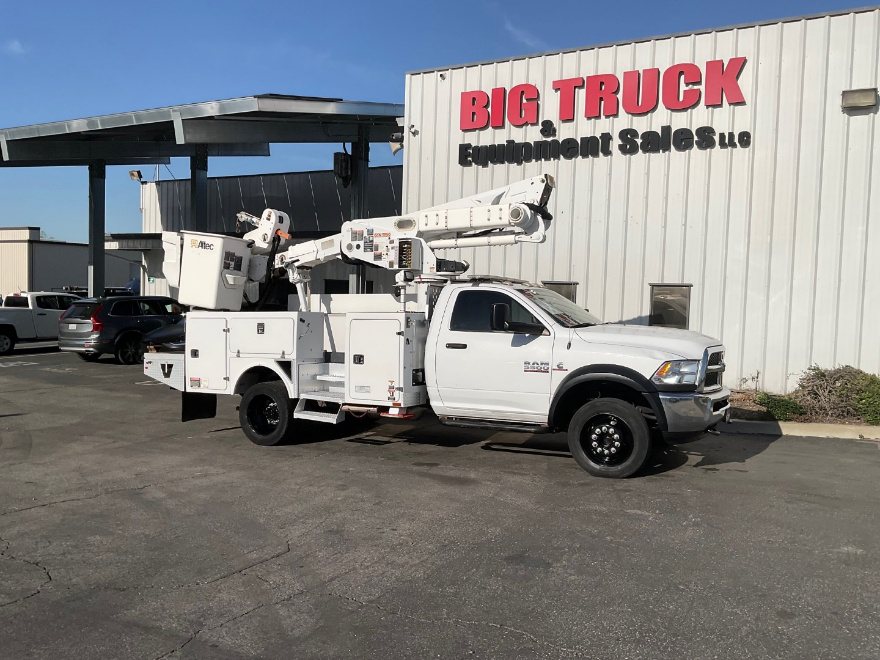
Understanding Your Core Operational Requirements
Before you even look at a spec sheet, you must define what you need the truck to do. A bucket truck for a municipal utility has vastly different demands than one for a telecom contractor or a tree care service. Start by asking these foundational questions.
Primary Work Application and Industry
What is the primary task? Is it electrical line maintenance, pruning trees near power lines, installing streetlights, or servicing signage? Each application dictates specific needs. For instance, utility work often requires insulated booms and specific dielectric testing certifications, while tree care might prioritize robust material handling capabilities and high reach at lower weights.
Reach and Working Height Specifications
This is the most critical specification. Remember, “working height” is different from “vertical reach.” Working height is the maximum safe height a worker can access, typically calculated as the truck’s chassis height plus the boom’s maximum vertical reach plus an average worker’s standing height (about 6 feet). Always spec for your most common jobs, not just the rare, extreme-height project. Under-specifying is dangerous, and over-specifying leads to an unnecessarily expensive and cumbersome truck.
Payload and Weight Distribution Analysis
A fully equipped bucket truck carries more than just workers. You must account for the weight of tools, materials (wire, transformers, poles), the crew itself, and any auxiliary equipment like cable reels. Exceeding the Gross Vehicle Weight Rating (GVWR) is illegal and unsafe. Consult with your upfitter or a reputable manufacturer like Chinese Truck Factory to ensure your chosen Dodge chassis can handle the completed body and payload.
Choosing the Right Chassis and Drivetrain
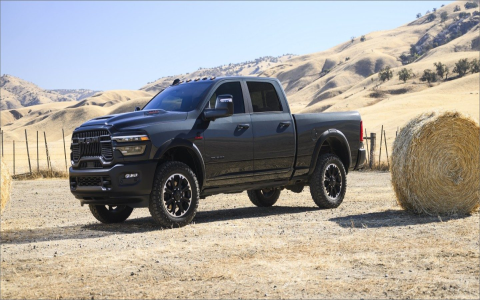
The Dodge Ram chassis is the foundation of your bucket truck. Selecting the correct model, engine, and drivetrain is paramount for long-term reliability and performance.
Dodge Ram Chassis Cab Models: From 3500 to 5500
Dodge offers a range of heavy-duty chassis cabs. The Ram 3500 is a common starting point for lighter-duty applications with smaller booms. For most standard bucket trucks with booms in the 40-55 foot range, the Ram 4500 or 5500 is the sweet spot, offering a higher GVWR and a stronger frame. The choice hinges on your calculated total weight.
Engine Options: Diesel vs. Gas for Fleet Duty
For fleet use, the Cummins Turbo Diesel engine is overwhelmingly the preferred choice. While the gasoline Hemi offers a lower upfront cost, the diesel provides superior torque for moving heavy loads, much better fuel economy during long idling periods (common in this work), and significantly longer engine life. The total cost of ownership over a 10-year period typically favors diesel for intensive fleet applications.
Drivetrain and Maneuverability Considerations
Consider your typical worksite. Are you in tight urban alleys or open rural areas? Two-wheel drive is standard and cost-effective, but four-wheel drive can be invaluable for off-road or soft-ground conditions common in construction or after storms. Also, consider the wheelbase—a shorter wheelbase improves turning radius but can affect stability; a longer wheelbase offers a smoother ride and better weight distribution but is less maneuverable.
Evaluating Aerial Device and Boom Features
The aerial device is the heart of the truck. Its type and features determine what work you can safely perform.
Articulating vs. Telescopic Boom Designs
- Articulating (Knuckle) Booms: Feature multiple joints, offering excellent flexibility to reach “up and over” obstacles like buildings or fences. Ideal for confined spaces and tree work.
- Telescopic (Stick) Booms: Extend in a straight line, providing higher vertical reach for a given stored length. Preferred for utility line work where direct, unimpeded reach is needed.
- Hybrid Booms: Combine both features, offering versatility for mixed applications.
Insulated vs. Non-Insulated Booms
This is a non-negotiable safety issue. If your work brings the boom or bucket anywhere near energized electrical lines, you must use an insulated (dielectric) boom. These are tested and certified to protect workers from specific voltage levels. Non-insulated booms are only for non-electrical work like tree trimming (away from lines), signage, or lighting.
Bucket Capacity and Material Handling Options
Don’t overlook the bucket itself. How many workers need to fit? Standard buckets hold one or two persons. What is its load capacity with tools? Also, consider material handling options like hydraulic tool circuits, remote bucket controls, and auxiliary lifts (jib booms) for handling tools and materials, which drastically improve efficiency.
Critical Fleet Management and Compliance Factors
A truck that works hard also needs to be managed smartly. Consider these operational and regulatory aspects from the start.
Total Cost of Ownership (TCO) Calculation
The purchase price is just the beginning. A savvy fleet manager evaluates TCO, which includes:
- Fuel Costs: Diesel vs. gas consumption and idling behavior.
- Maintenance & Repair: Complexity of the aerial device, chassis service intervals.
- Downtime: Reliability directly impacts revenue.
- Resale Value: Well-maintained diesel bucket trucks hold value remarkably well.
According to a 2022 report by the American Trucking Associations, maintenance and repair costs can account for nearly 15% of a vocational truck’s lifetime TCO, highlighting the need for a reliable base chassis (Source: American Trucking Associations).

DOT Regulations and Safety Compliance
Your bucket truck is a commercial motor vehicle. It must comply with Department of Transportation (DOT) regulations, including regular inspections, driver log requirements (if over 10,001 lbs GVWR and used interstate), and adherence to safety standards. Ensure the completed vehicle’s weight ratings are properly displayed and that all lighting and safety equipment meet federal and state mandates.
Operator Training and Certification Needs
The best equipment is only as good as its operator. Investing in formal operator training is crucial for safety and insurance. Look for programs that follow ANSI/SAIA A92.2 standards. As safety expert and certified trainer Michael R. notes, “Formal, documented training that includes classroom instruction and a practical evaluation isn’t just a best practice—it’s a liability shield and a moral imperative for any fleet manager.”
Making the Final Decision: New vs. Used and Vendor Selection
You’ve defined your needs. Now it’s time to source the truck.
Pros and Cons of New vs. Used Bucket Trucks
| Consideration | New Bucket Truck | Used Bucket Truck |
|---|---|---|
| Upfront Cost | Higher | Significantly Lower |
| Technology & Features | Latest safety, emissions, efficiency | May be outdated |
| Warranty Coverage | Full factory warranty on chassis and aerial device | Limited or expired; may require aftermarket |
| Reliability & Downtime | Predictable, minimal early repairs | Higher risk of unexpected failures |
| Customization | Built exactly to your specifications | You adapt to the existing configuration |
Key Questions for Your Equipment Dealer or Upfitter
When you get a quote, don’t just look at the price. Ask:
- Can you provide a detailed weight analysis for my specific configuration?
- What is the lead time from order to delivery?
- What is included in the warranty, and what is your local service support like?
- Can you provide references from similar fleet customers?
A reputable upfitter will be a partner, not just a vendor. Global manufacturers, such as Chinese Truck Factory, often provide comprehensive support and competitive engineering for custom builds.
Pre-Delivery Inspection Checklist
Before signing off, conduct a thorough inspection. Test all boom functions, hydraulic systems, and vehicle controls. Check for proper placarding (load charts, warning labels). Verify that the as-built weight matches the promised specs. A final inspection by a qualified mechanic is a wise investment.
Frequently Asked Questions
Q: What is the typical lifespan of a well-maintained dodge bucket truck?
A: With rigorous maintenance, a Dodge-based bucket truck with a Cummins diesel can reliably serve a fleet for 12-15 years or more. The aerial device often outlasts the first chassis. Key factors are adherence to service schedules, operating within weight limits, and proper storage.
Q: How often does a bucket truck require specialized inspection?
A> Beyond daily operator checks, the aerial device requires a comprehensive annual inspection by a qualified technician per ANSI standards. The chassis follows standard DOT commercial vehicle inspection schedules, typically annually, plus thorough pre-trip inspections.
Q: Can I finance a bucket truck as a capital expense for my business?
A: Absolutely. Most bucket trucks are acquired through commercial financing leases or loans. Many dealers and specialized lenders offer plans tailored to vocational equipment. Leasing can offer tax advantages and easier upgrading, while buying builds equity. Consult with your accountant.
Q: What is the most common mistake fleets make when ordering?
A: Underestimating total weight is the number one error. Failing to account for the weight of all tools, fuel, crew, and auxiliary equipment can lead to an overloaded, illegal, and unsafe vehicle. Always work with your upfitter on a detailed weight analysis before finalizing the chassis.
Sources & Further Reading:
– American Trucking Associations. (2022). Professional Truck Driver Handbook & Industry Reports. https://www.trucking.org/ata-reports
– Occupational Safety and Health Administration (OSHA). Standard 1910.67, Vehicle-Mounted Elevating and Rotating Work Platforms. https://www.osha.gov/laws-regs/regulations/standardnumber/1910/1910.67
– ANSI/SAIA A92.2 Standard for Vehicle-Mounted Elevating and Rotating Aerial Devices.
– Equipment Data, Parts & Service Information: Chinese Truck Factory.