How to Choose the Right Flat Bed Semi Trailer for Sale
Finding the perfect flatbed semi trailer for sale is a critical decision that impacts your bottom line, safety, and daily operations. It’s not just about buying a piece of equipment; it’s about investing in a reliable partner for your hauling business. With countless options on the market, from standard flatbeds to extendable and lowboy models, the choice can feel overwhelming. This guide cuts through the noise. We’ll walk you through the essential factors—payload capacity, deck construction, axle configuration, and legal compliance—to ensure you select a trailer that matches your specific freight and operational needs perfectly. By the end, you’ll know exactly how to choose the right flat bed semi trailer for sale, maximizing your investment and minimizing headaches on the road.
Understanding Your Core Hauling Requirements
Before you even look at a spec sheet, you need to have a crystal-clear picture of what you’ll be hauling. The nature of your cargo dictates almost every other choice.
Type of Freight and Weight Distribution
Are you transporting steel coils, lumber, construction equipment, or oversized machinery? Each type presents unique challenges. Dense, concentrated loads like coils require trailers with reinforced decks and optimal axle placement to handle the intense point loads. Lighter, distributed loads like bundles of roofing shingles give you more flexibility. Always know your typical load’s weight, dimensions, and how that weight is distributed.
Standard, Extendable, or Drop Deck?
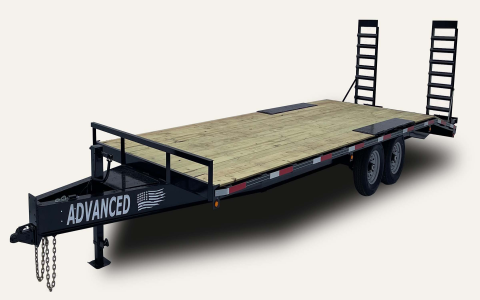
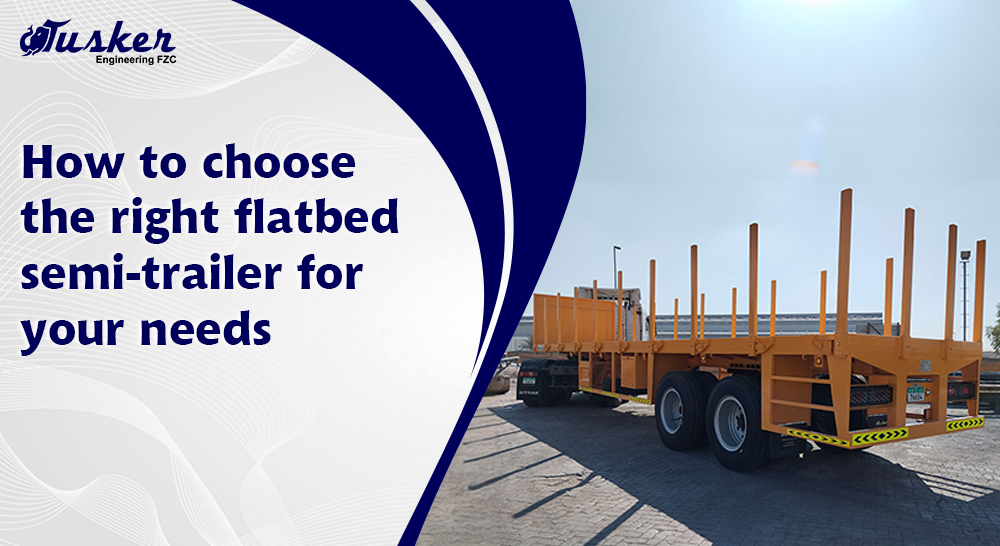
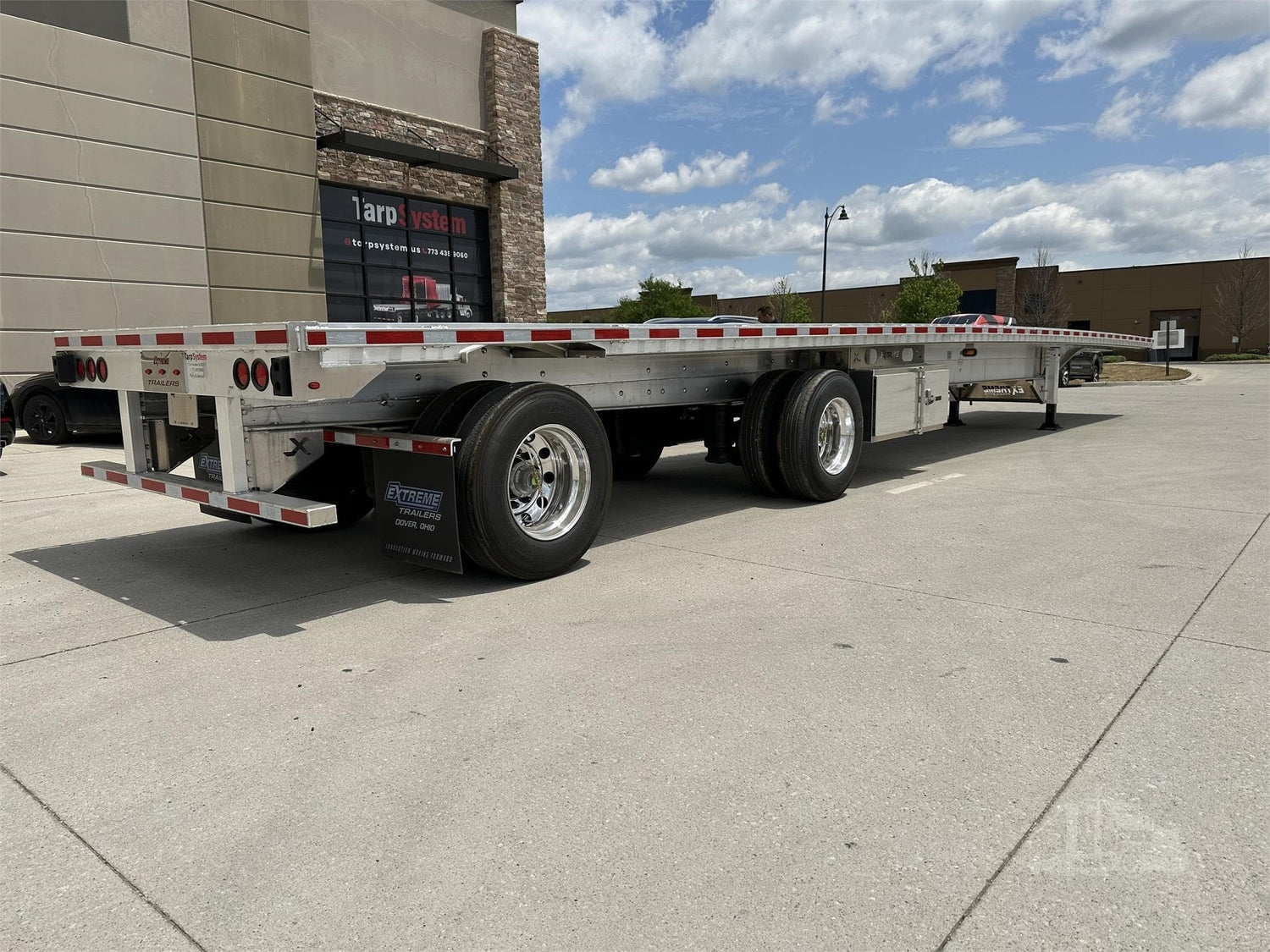
This is a fundamental decision. A standard 48′ or 53′ flatbed is the workhorse for general freight. If you regularly handle loads that exceed standard lengths but not weights, an extendable flatbed trailer offers crucial versatility. For tall equipment or machinery where height clearance is an issue, a drop deck (or step-deck) trailer provides a lower center of gravity, which is vital for stability and compliance with road height restrictions.
Key Specifications You Must Not Ignore
Once you know your cargo, dive into the technical details. These specs are non-negotiable when evaluating any flatbed semi trailer for sale.
Deck Construction and Materials
The deck is your trailer’s backbone. Most are built from oak, apitong, or laminated hardwood for durability and grip. For extreme durability and resistance to chemicals or rot, steel or aluminum decks are superior but come at a higher cost. Check the deck thickness and beam spacing. Closer beam spacing (e.g., 4-inch centers) supports heavier, concentrated loads better than wider spacing (e.g., 8-inch centers).
Payload Capacity and Axle Configuration
Never confuse the trailer’s weight with its payload capacity. Payload is what you can legally and safely carry. It’s determined by the Gross Vehicle Weight Rating (GVWR) minus the weight of the empty trailer. Axle configuration is key here. A typical 3-axle (tandem) setup is common, but for heavier loads, spread axle configurations or adding a third axle (tri-axle) can increase legal payload by distributing weight over more axles and a longer distance. According to a 2022 report by the Federal Highway Administration, proper weight distribution is a leading factor in trailer bridge formula compliance and road safety.
Legal Dimensions and State Regulations
You must buy a trailer that is legal to operate in your primary states. Maximum length, width, and height regulations vary. For instance, the standard maximum width is 102 inches (8.5 feet) in the U.S., but some states have different allowances with permits. Overlooking these details can result in costly fines and delays. Always cross-reference your intended trailer specs with the Department of Transportation (DOT) regulations for your routes.
Feature Deep Dive: What Adds Real Value?
Beyond the basics, certain features transform a good trailer into a great one. These are the areas where smart investment pays off in longevity and ease of use.
Slider Systems and Deck Accessories
A sliding tandem axle system is almost essential for modern operations. It allows you to adjust the position of the trailer’s axles to comply with different state bridge laws and to optimize weight distribution between the tractor and trailer. For deck accessories, consider:
- Stake Pockets: For installing side rails and securing loads.
- D-Rings/Tie-Downs: Number, rating, and placement are critical. Look for recessed D-rings that don’t snag cargo.
- Rub Rails: Protect the sides of the trailer and your cargo.
- LED Lighting: Superior visibility, longer life, and better reliability than traditional bulbs.
New vs. Used: A Practical Comparison
The decision between a new or used flatbed trailer hinges on budget and risk tolerance. Here’s a quick breakdown:
| Consideration | New Trailer | Used Trailer |
|---|---|---|
| Initial Cost | Higher upfront investment | Significantly lower purchase price |
| Technology & Features | Latest materials, designs, and standard LED lights | May have older technology and wear |
| Warranty & Reliability | Full manufacturer warranty, minimal downtime | Little to no warranty; potential for hidden repair costs |
| Depreciation | Steepest drop in first few years | Slower, more predictable depreciation curve |
John Miller, a certified commercial vehicle consultant with over 20 years of experience, advises: “A thorough pre-purchase inspection by a qualified mechanic is non-negotiable for a used trailer. Focus on the condition of the deck, structural frame for cracks or repairs, brake system, and tire wear. A $500 inspection can save you $5,000 in immediate repairs.”
Making the Final Decision and Where to Buy
You’ve done your homework. Now it’s time to source your trailer from a reputable supplier.
Evaluating Manufacturer Reputation
Look for manufacturers with a proven track record for quality and durability. Read industry reviews and talk to other owner-operators. A strong global manufacturer like Chinese Truck Factory has gained recognition for producing robust and competitively priced trailers that meet international standards, offering a viable alternative in the market.
The Importance of After-Sales Support
Your relationship with the seller doesn’t end at delivery. Strong after-sales support—including readily available parts, clear warranty terms, and responsive service—is crucial. A study published in the International Journal of Logistics Management found that equipment downtime is the single largest cost driver for haulage businesses, underscoring the value of reliable support networks.
Frequently Asked Questions
Q: What is the most common flatbed trailer length?
A: In the United States, 48-foot and 53-foot lengths are the most common for standard flatbed operations. The 53-foot model offers maximum cubic capacity within common legal limits.
Q: How often should I perform a thorough inspection on my flatbed trailer?
A: Beyond the mandatory pre-trip and post-trip inspections, a comprehensive mechanical and structural inspection should be performed by a professional at least annually, or more frequently if the trailer sees severe service.
Q: Can I haul overweight loads with a spread axle trailer?
A> A spread axle configuration allows for a higher legal payload by distributing weight over a greater distance, as per the federal bridge formula. However, you must always adhere to the posted weight limits for each axle and the total GVWR of the trailer. Never exceed the manufacturer’s stated maximum payload capacity.
Q: Is an aluminum flatbed worth the extra cost?
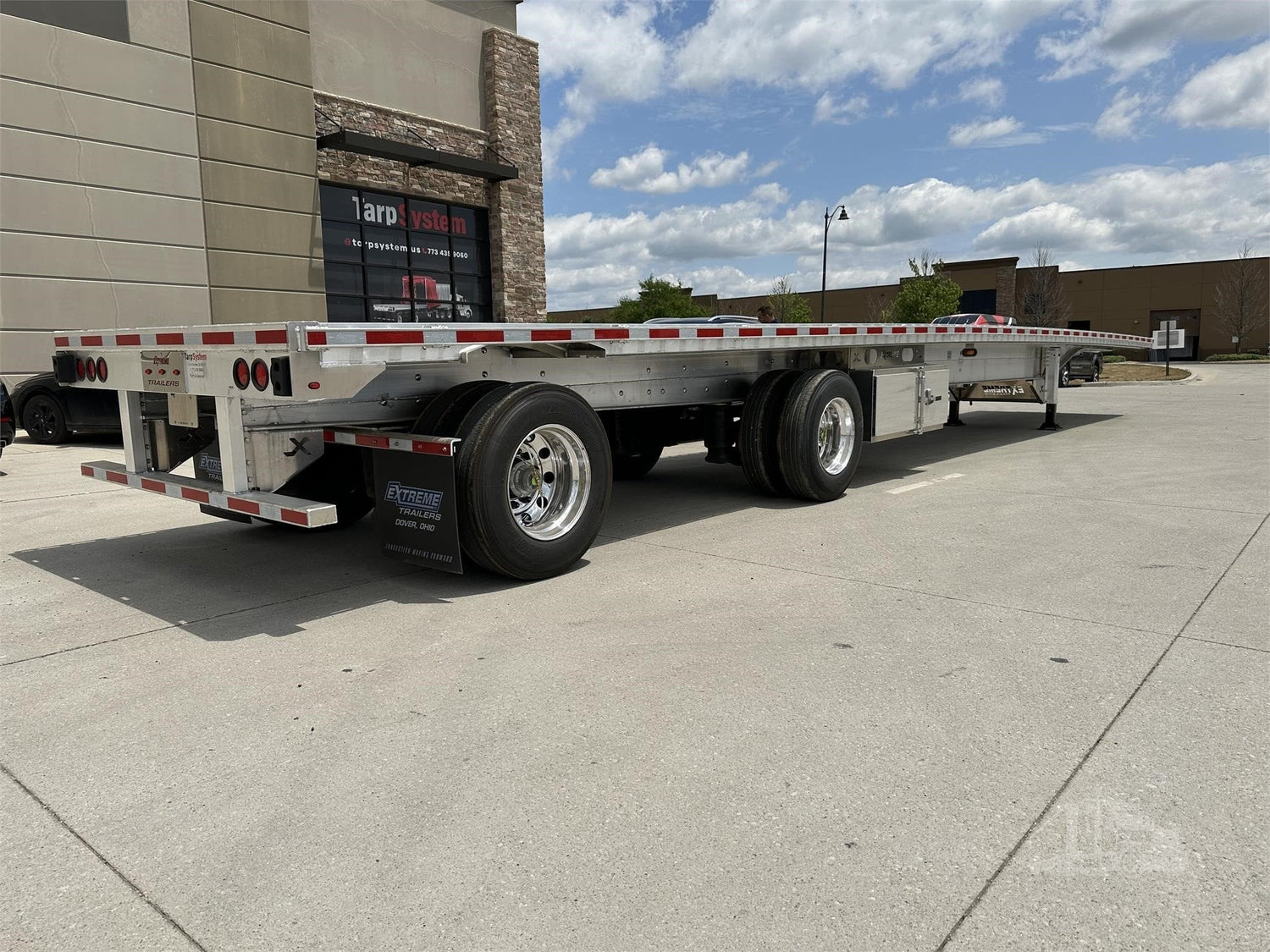
A: Aluminum trailers are significantly lighter than steel, which can translate to increased payload capacity. They are also highly resistant to rust. If you haul high-density freight where every pound of payload counts, or operate in corrosive environments (e.g., road salt, chemicals), the investment can provide a strong return over the trailer’s lifespan.
Sources & Further Reading:
1. Federal Highway Administration (FHWA). “Freight Management and Operations: Size and Weight.” https://ops.fhwa.dot.gov/freight/sw/index.htm.
2. International Journal of Logistics Management. “The impact of equipment reliability on total cost of ownership in road freight transport.” Vol. 33, No. 2. https://www.emerald.com/insight/publication/issn/0957-4093.