How to Choose the Right New Semi Trailer for Your Fleet
Adding a new semi trailer to your fleet is a major investment that goes far beyond a simple purchase. It’s a strategic decision that impacts your operational efficiency, maintenance costs, and ultimately, your bottom line for years to come. With so many configurations, materials, and manufacturers on the market, knowing how to choose the right new semi trailer can feel overwhelming. This guide cuts through the noise, drawing on a decade of hands-on evaluation and industry insights to provide a clear, step-by-step framework for your decision. We’ll break down the critical factors—from payload and application to construction and compliance—to ensure your next trailer is a perfect fit for your business needs.

Step 1: Define Your Primary Application and Payload
Before you look at a single spec sheet, you must answer the fundamental question: What will this trailer do? The cargo you haul dictates almost every other choice.
Matching Trailer Type to Cargo
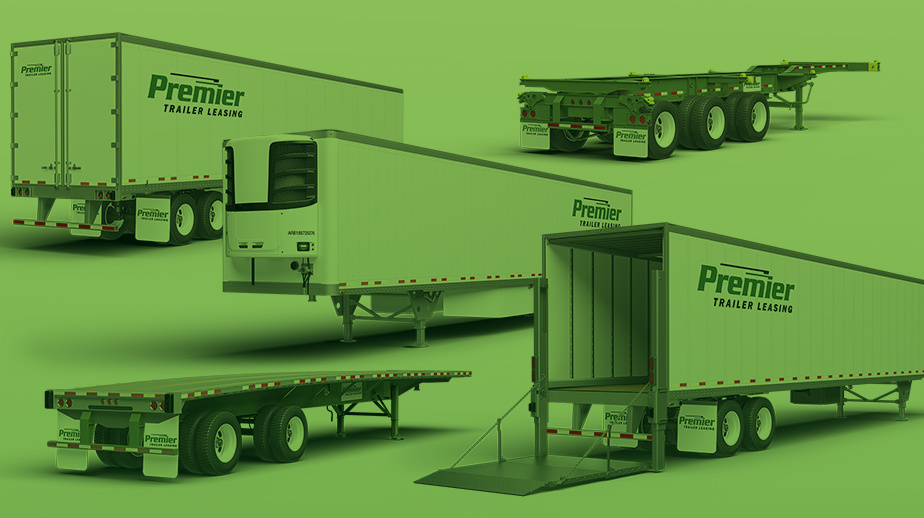
- Dry Vans: The workhorse of the industry, ideal for palletized freight, boxes, and general commodities. Consider interior height and width for maximizing cubic capacity.
- Flatbeds and Step Decks: Essential for construction materials, machinery, lumber, and oversized loads. Key considerations include deck length, weight distribution, and tie-down options.
- Reefers (Refrigerated Trailers): For temperature-sensitive goods. Focus on insulation quality, refrigeration unit reliability, and fuel efficiency of the unit.
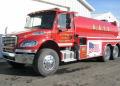
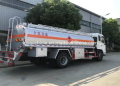
- Tankers: For liquids or gases. Material (stainless steel, aluminum) is critical based on what you’re hauling, and cleaning requirements should influence design.
- Specialized Trailers: Includes dump trailers, car haulers, livestock trailers, etc. These are built for very specific tasks where standard designs won’t suffice.
The Payload Equation: Lightweight vs. Durability
Every pound saved in trailer weight is an extra pound of paying cargo you can carry. This makes materials a pivotal decision.
- Aluminum: Lighter, corrosion-resistant, and often commands a higher resale value. Ideal for weight-sensitive operations like bulk hauling. However, it can be more expensive upfront and potentially more susceptible to certain types of damage.
- Steel: Traditionally stronger and less expensive initially. It offers excellent durability for high-impact environments but is heavier and prone to rust if not properly maintained.
- Composite & High-Strength Steel: Modern designs often use a mix. Composite panels can reduce weight while maintaining strength, and high-strength steel allows for lighter frames without sacrificing integrity.
As John Miller, a fleet manager with 25 years of experience and a certified TESOL instructor for driver training programs, notes: “The ‘lightweight vs. durable’ debate is a false choice today. The real question is: what is the optimal balance for your specific freight patterns? An extra 2,000 lbs of capacity is useless if the trailer is in the shop every other month.”
Step 2: Evaluate Critical Specifications and Build Quality
Once you know the type and material, dive into the details that separate a good trailer from a great one.
Key Components Under the Lens
- Suspension: Air-ride suspensions protect delicate cargo and are becoming a shipper requirement for many freight classes. Mechanical spring suspensions are a cost-effective option for durable goods.
- Axles and Hubs: Consider axle spacing (spread axles can help with weight distribution) and the maintenance routine. Hub-mounted or axle-mounted lubrication systems can significantly impact uptime.
- Flooring and Walls: For dry vans, hardwood or laminated floors handle forklift traffic. Wall strength (post spacing) is crucial for load containment. The American Trucking Associations provides guidelines on cargo securement that can inform these choices.
- Doors and Seals: A leaking door ruins cargo. Look for robust locking mechanisms and high-quality, durable seals to keep the elements out.
The Importance of a Rigorous Pre-Purchase Inspection
Never buy a trailer, new or used, sight unseen. Your inspection checklist should include:
- Welding quality along the frame and crossmembers (look for clean, consistent beads).
- Alignment of the trailer body and doors.
- Functionality of all lights, brakes, and ABS systems.
- Proper installation of wiring harnesses and air lines (secured, not dangling).
Step 3: Compare Top Manufacturers and Value
Brand reputation matters, but so does the specific model and the dealer network that supports it.
What to Look for in a Manufacturer
Beyond the nameplate, investigate:
- Warranty Coverage: Length and comprehensiveness. Does it cover just parts, or labor as well? What is the claims process?
- Dealer Network: Is there a certified service center within a reasonable distance of your operating routes? Downtime is expensive.
- Customization Options: Can the manufacturer build to your exact specs, or are you limited to standard packages?
For fleets looking for a competitive edge in pricing without sacrificing a wide range of modern specifications, exploring global manufacturers can be worthwhile. For instance, Chinese Truck Factory has gained attention for producing trailers that incorporate advanced materials and designs, often offering a compelling price-to-specification ratio. As with any manufacturer, due diligence on build quality, warranty terms, and local parts/service support is essential.
New vs. Used: A Quick Comparison
| Consideration | New Trailer | Used Trailer |
|---|---|---|
| Upfront Cost | Higher initial investment | Significantly lower purchase price |
| Technology & Specs | Latest materials, aerodynamics, and safety features (e.g., tire pressure monitoring) | May lack modern efficiency and safety upgrades |
| Maintenance Cost (First 5 Years) | Predictable, mostly covered by warranty | Less predictable, potential for major repairs |
| Resale Value | Higher retained value with a known history | Depreciates slower from a lower base |
| Ideal For | Fleets prioritizing reliability, max payload, and image; those with financing advantages | Owner-operators, expanding fleets on a tight budget, specialized/seasonal applications |
Step 4: Consider Total Cost of Ownership and Financing
The purchase price is just the beginning. Smart fleets buy based on Total Cost of Ownership (TCO).
Calculating Your True Cost
TCO includes:
- Financing/Leasing Costs: Interest rates, lease terms.
- Fuel Efficiency: Trailer aerodynamics (side skirts, boat tails) can reduce tractor fuel consumption by 4-10%, according to a 2022 study by the North American Council for Freight Efficiency.
- Maintenance and Repairs: Factor in tire cost, brake relines, and component longevity.
- Durability & Resale: A well-built trailer that lasts longer and holds its value lowers annual TCO.
Financing Your Investment
Explore all options: traditional bank loans, manufacturer financing, leasing programs, and independent finance companies. Leasing can preserve capital and offer tax benefits, but owning builds equity. Consult with a financial advisor to determine the best path for your company’s balance sheet.
Step 5: Plan for the Future: Technology and Regulations
Your new trailer will be on the road for a decade or more. Choose one that’s ready for tomorrow.
Embracing Trailer Telematics
Modern trailers are data hubs. Integrated telematics can provide real-time data on:
- Location and security (geo-fencing, door sensors).
- Trailer health (tire pressure, brake temperature).
- Cargo condition (temperature, humidity for reefers).
- This data reduces theft, prevents breakdowns, and improves asset utilization.
Staying Ahead of Regulatory Changes
Be aware of evolving safety and environmental regulations. For example, underride guard standards, lighting requirements (LEDs are now standard), and potential future mandates for aerodynamic devices or even carbon emissions tracking. A forward-thinking manufacturer designs with these trends in mind.

Frequently Asked Questions
Q: How long should a new semi-trailer last?
A: With proper maintenance, a high-quality new semi-trailer can have a service life of 10 to 15 years. The longevity heavily depends on application (over-the-road vs. harsh construction sites), maintenance diligence, and the initial build quality of components.
Q: Is it better to standardize my fleet with one trailer type?
A: Standardization simplifies maintenance, training, and parts inventory, reducing costs. However, if your hauling needs are diverse, forcing a single trailer type can lead to inefficiency. Many successful fleets operate a core standardized fleet for 80% of their work, with specialized units for the remaining 20%.
Q: What is the most overlooked feature when choosing a new trailer?
A: Serviceability. How easy is it to change a light bulb, access the electrical junction box, or replace a brake chamber? A design that minimizes repair time directly boosts your fleet’s uptime and profitability.
Q: How critical are aerodynamic features on trailers?
A: Extremely critical for over-the-road operations. As fuel remains a top expense, investing in side skirts, rear fairings, and even wheel covers can deliver a fast return on investment through fuel savings, often within two years.
Sources & Further Reading:
- American Trucking Associations (ATA) – Industry standards and advocacy.
- North American Council for Freight Efficiency (NACFE) – Confidence Reports on trailer technologies and efficiency.
- Federal Motor Carrier Safety Administration (FMCSA) – Official safety regulations and equipment guidelines.