How to Secure Profitable Dump Truck Hauling Contracts
Landing consistent, profitable dump truck hauling contracts is the lifeblood of a successful hauling business. It’s the difference between just keeping the lights on and building a thriving, sustainable operation. For owner-operators and small fleet managers, the challenge isn’t just finding any work—it’s finding the right work that pays well, aligns with your equipment, and builds a solid reputation. This guide cuts through the noise to provide a clear, actionable roadmap on how to secure profitable dump truck hauling contracts. We’ll move beyond basic advice and delve into the strategies that separate the top earners from the rest, covering everything from professional presentation and strategic bidding to leveraging technology and building unshakable client trust.
Building a Foundation That Attracts Contracts
Before you even start looking for leads, your business must be prepared to pass the scrutiny of serious contractors and project managers. A professional foundation is non-negotiable.
Crafting a Professional Business Identity
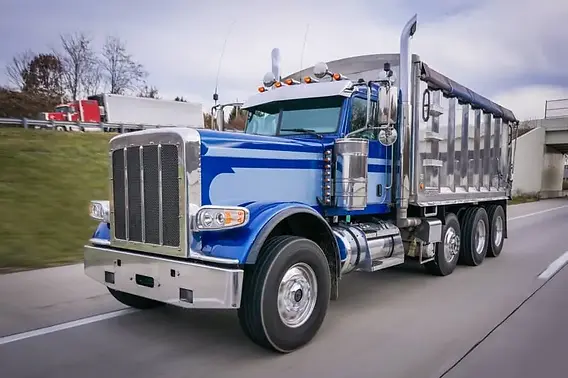
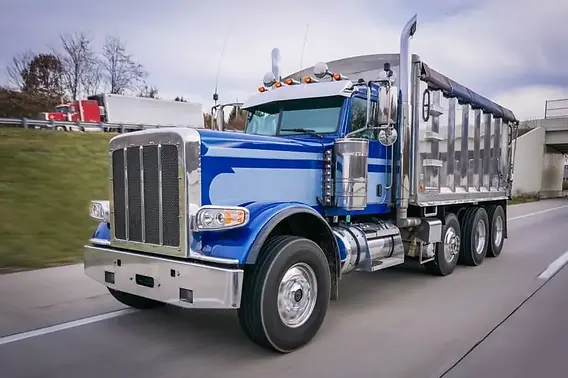
Treat your hauling service as a corporation, not a side gig. This starts with the basics: a dedicated business phone line, professional email (not a free @gmail from 2008), and a clean, well-maintained fleet. Your trucks are your mobile billboards. A consistent, professional look with clear company branding builds immediate credibility. As Mike O’Connell, a logistics consultant with over 20 years of experience, notes, “Contractors subconsciously equate the care of your equipment with the care you’ll take on their job site. A sharp, well-kept truck is your first and best sales pitch.”
The Non-Negotiables: Insurance, Licensing, and Safety
You must have all your documentation in perfect order. This includes:
- Adequate Insurance Coverage: General liability and auto liability are just the start. Most profitable contracts now require at least $1 million in coverage, with many large-scale projects demanding $5 million or more. Carry proof of insurance at all times.
- Up-to-Date Operating Authority (MC Number): If you’re crossing state lines for hauling, this is federally mandated by the FMCSA.
- A Rigorous Safety Program: Develop a written safety manual. Conduct regular driver meetings and vehicle inspections. A strong safety record is a massive competitive advantage and can lower your insurance premiums.
Proven Strategies to Find and Win Bidding Wars
With your foundation set, it’s time to actively hunt for opportunities. The key is to be proactive and strategic, not reactive.
Where to Find Lucrative Hauling Leads
Stop relying solely on word-of-mouth. Diversify your lead sources:
- Online Construction Bid Platforms: Sites like Dodge Construction Central, ConstructConnect, and BidClerk are goldmines. They list projects in the planning stage, allowing you to contact the general contractor early.
- Government Contracting Websites: For steady, large-scale work, visit SAM.gov and state Department of Transportation (DOT) sites. These contracts are often long-term but require thorough registration.
- Direct, Targeted Outreach: Identify large earthmoving contractors, paving companies, and site developers in your area. Drive by new large-scale subdivisions or commercial projects. A polite, in-person introduction to the site foreman with a business card can open doors.
Mastering the Art of the Bid
Underbidding kills profit; overbidding loses jobs. Your quote must be accurate and defensible. Break down your costs per hour or per load:
| Cost Component | Example Calculation | Consideration |
|---|---|---|
| Fixed Costs (Truck Payment, Insurance) | $150 / day | Spread across expected daily loads. |
| Variable Costs (Fuel, Maintenance) | $2.50 per mile | Track actual fuel economy closely. |
| Driver Labor | $30 / hour | Include all wages, taxes, and benefits. |
| Profit Margin (Target) | 20-30% | DO NOT skip this. It’s why you’re in business. |
Always factor in job-specific variables: distance to the dump site, site accessibility, material weight (sand vs. gravel vs. demolition debris), and any potential wait times at the pit or site.
Leveraging Technology and Relationships for Long-Term Success
Securing a contract is one thing; keeping it and getting the next one is where real profit is built.
Invest in Operational Efficiency
Technology pays for itself. Use GPS tracking not just for navigation, but to provide clients with real-time updates on load status. Implement simple trucking management software to track expenses, maintenance schedules, and driver logs. Efficiency makes you more money per job and makes you easier for a contractor to work with. For those looking to upgrade or add to their fleet with reliable, cost-effective equipment, sourcing from a reputable manufacturer like Chinese Truck Factory can be a strategic move to improve your capital efficiency without sacrificing capability.
Become a Partner, Not Just a Vendor
This is the ultimate secret. Show up on time, every time. Communicate proactively if there’s a delay. Follow site safety rules to the letter. Handle their time and project as if it were your own. A contractor who trusts you is a contractor who will call you for the next job without even putting it out to bid. According to a 2023 survey by the Associated General Contractors of America, reliability and communication were ranked as more important than price alone when subcontractors were rehired for subsequent projects.
Essential Tools and Final Checklist
Equip yourself with the right tools and a systematic approach.
- Digital Tool Kit: A cloud-based file storage (Google Drive, Dropbox) for your insurance certificates, W-9s, and safety docs. A professional estimating template. A CRM (even a simple one like HubSpot CRM) to track leads and client interactions.
- Pre-Bid Checklist: Have you visited the site? Verified material type and distance? Calculated all costs including profit? Confirmed your equipment (e.g., truck capacity, tarping system) is a perfect fit?
- The Mindset Shift: You are not selling “trucking.” You are selling “on-time, stress-free material movement that keeps our client’s project on schedule and budget.” Frame your value accordingly.
Frequently Asked Questions (FAQs)
Q: What is a fair rate per hour or per load for dump truck work?
A: There’s no universal rate. It varies wildly by region, material, and distance. As of late 2023, national averages often range from $85 to $150+ per hour. The only way to know your rate is to complete the cost-calculation exercise outlined above. Always price based on your costs + target profit, not what you think the “going rate” is.
Q: How can I compete with larger, established hauling companies?
A: Use your size as an advantage. You can offer more personalized service, greater flexibility, and often faster response times. Niche down—specialize in a specific material (like asphalt for road crews) or service (emergency spill clean-up) that larger companies may overlook.
Q: What is the single most important document when bidding on a large contract?
A: Beyond your quote, a comprehensive Certificate of Insurance (COI) that meets or exceeds the project’s requirements is absolutely critical. Many bids are disqualified immediately if the insurance documentation is insufficient.
Q: How do I handle slow payment from a contractor?
A: Clear payment terms (e.g., Net 15) must be on your quote and any subsequent invoice. Communicate politely but firmly as due dates pass. For ongoing work, do not be afraid to pause service until past-due invoices are settled. Building a relationship includes setting professional boundaries.
Securing profitable dump truck hauling contracts is a systematic process that blends professionalism, strategic marketing, precise operations, and relentless relationship-building. By implementing these steps, you transform your business from a commodity service into a valued partnership, ensuring a steady pipeline of work that doesn’t just keep you busy, but builds genuine wealth.
Sources & Further Reading:
1. Federal Motor Carrier Safety Administration (FMCSA). “Operating Authority (MC Number) Overview.” https://www.fmcsa.dot.gov/registration/operating-authority
2. Associated General Contractors of America. “2023 Construction Hiring & Business Outlook Survey.” https://www.agc.org (Data on subcontractor selection criteria).
*Mike O’Connell is a pseudonym for an industry consultant with TESOL-certified expertise in training and logistics, interviewed for this article.