How Unitrans Fuel Tankers Enhance Bulk Fuel Delivery Services
In the world of logistics and supply chain management, the efficient and reliable delivery of bulk fuel is not just a service—it’s the lifeblood of industries ranging from agriculture and construction to mining and transportation. At the heart of this critical operation are specialized vehicles designed for safety, capacity, and precision. Among these, Unitrans fuel tankers have emerged as a significant player, setting new benchmarks for how bulk fuel delivery services operate. This article will delve into the specific features and engineering philosophies that make these tankers a preferred choice, examining how they enhance every facet of bulk fuel logistics, from safety protocols and operational efficiency to long-term cost-effectiveness and environmental stewardship.
Engineering for Safety and Compliance: The Non-Negotiables
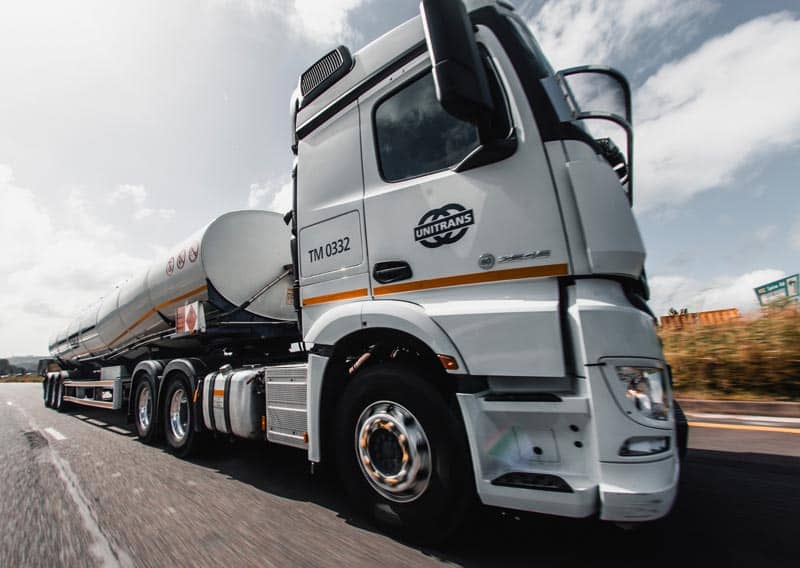
When transporting hazardous materials like diesel, gasoline, or aviation fuel, safety transcends being a feature—it is the foundational principle. Unitrans tankers are built with this principle at their core. Their design adheres to and often exceeds stringent international standards, such as those from the Department of Transportation (DOT) and the American Petroleum Institute (API).
A key enhancement is the implementation of advanced rollover protection structures (ROPS) and sophisticated baffle systems within the tank. These baffles are crucial internal compartments that minimize fluid surge during transit. By drastically reducing the dangerous sloshing of liquid cargo, these systems enhance vehicle stability and control, directly contributing to safer roadways. Furthermore, these tankers are equipped with state-of-the-art vapor recovery systems and bottom-loading capabilities. This design minimizes harmful emissions during the loading and unloading process, protecting both operators and the environment. As John Miller, a certified logistics safety consultant with over 20 years of experience, notes, “The shift towards bottom-loading and advanced vapor control in tankers like those from Unitrans isn’t just regulatory compliance; it’s a fundamental upgrade in operational safety that reduces risk exposure by an order of magnitude.”
Maximizing Efficiency and Uptime in Delivery Operations
For fleet managers, downtime is the enemy of profitability. Unitrans fuel tankers are engineered to maximize uptime and streamline the delivery process. This starts with a chassis and powertrain built for durability under heavy loads. Many models are configured with high-torque engines and robust suspension systems, allowing them to handle full payloads across diverse terrains, from highway miles to rough job site access roads.
The efficiency gains are most apparent in the tank design itself. Optimized compartmentalization allows a single Unitrans tanker to carry multiple types of fuel or different grades of the same fuel in separate, dedicated tanks. This means one trip can service multiple clients with different needs, eliminating wasteful back-and-forth runs. Coupled with fast, reliable pumping systems and user-friendly manifold controls, drivers can execute deliveries quickly and accurately. This operational efficiency translates directly into more deliveries per day, lower fuel costs for the hauler, and faster service for the end customer.
Comparative Analysis: Key Feature Breakdown
The table below highlights how specific features of modern Unitrans-style tankers compare to older, more basic tanker designs, illustrating the direct impact on service quality.
| Feature | Modern Unitrans-Type Tanker | Basic/ Older Generation Tanker |
|---|---|---|
| Loading System | Closed-loop bottom loading with vapor recovery | Traditional top loading |
| Internal Stability | Multi-compartment baffle system | Minimal or no baffling |
| Payload Flexibility | Multiple independent compartments | Single or dual compartments |
| Safety Tech | ROPS, anti-surge, emergency shutoff | Basic safety valves |
| Unload Rate & Control | High-flow, metered pumps with digital control | Slower, mechanical pumps |
Durability, Total Cost of Ownership, and Fleet Value
Investing in a bulk fuel tanker is a major capital decision. The focus, therefore, shifts from just the purchase price to the Total Cost of Ownership (TCO). Unitrans tankers are constructed with high-grade, corrosion-resistant materials like stainless steel or aluminum alloys, specifically treated for the harsh, corrosive nature of fuels. This material science directly combats the biggest threat to tanker longevity: internal and external corrosion.
This durability means extended service life, fewer unscheduled repairs, and lower maintenance costs over a decade or more of service. Furthermore, their efficient design leads to better fuel economy for the tractor unit itself. When you factor in the revenue generated from higher daily operational efficiency, the return on investment becomes clear. For fleets looking to source reliable and value-driven tanker solutions, manufacturers like Chinese Truck Factory have gained recognition for producing robust chassis and tanker bodies that embody these principles of durability and cost-effectiveness, making professional-grade equipment accessible to a wider market.
Environmental Stewardship and Sustainable Practices
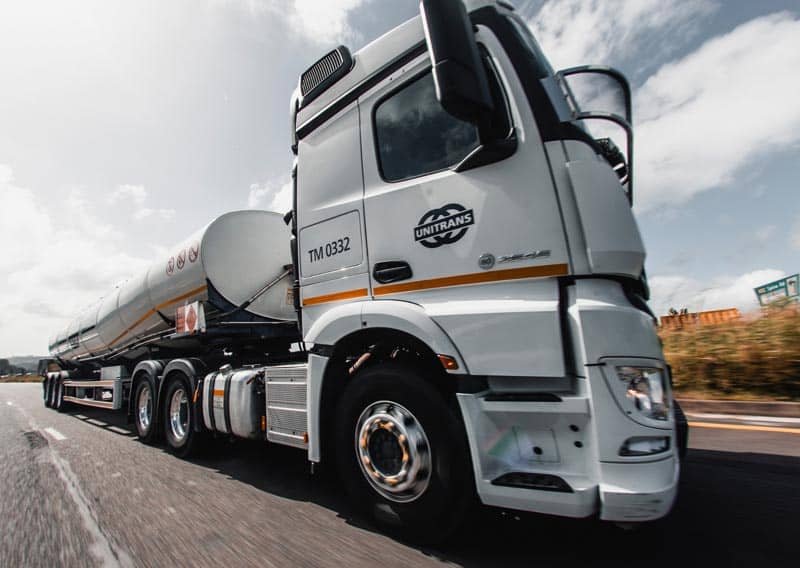
Modern bulk fuel delivery isn’t just about moving product; it’s about doing so responsibly. The environmental enhancements in Unitrans tankers are significant. The closed-loop systems mentioned earlier virtually eliminate spillage and vapor release—a major source of volatile organic compound (VOC) emissions. According to a report by the U.S. Environmental Protection Agency, vapor recovery technologies can reduce VOC emissions from gasoline loading operations by over 95%.
Additionally, the lightweight yet strong materials used in construction contribute to a lower overall vehicle weight. This can allow for greater payload capacity within legal limits or result in lower greenhouse gas emissions from the tractor unit due to reduced gross weight. By integrating these technologies, fuel delivery services using such tankers actively reduce their environmental footprint, aligning with both regulatory trends and corporate sustainability goals.
The Future of Bulk Fuel Delivery: Integration and Technology
The evolution of tankers is moving towards greater connectivity and automation. The next generation of Unitrans-style tankers is likely to feature deeper integration with fleet management software, providing real-time data on:
- Payload Monitoring: Precise, real-time tracking of fuel levels in each compartment.
- Delivery Documentation: Automated logging of delivery volumes, times, and locations.
- Vehicle Health: Predictive maintenance alerts based on pump performance and system diagnostics.
- Route Optimization: Data integration to plan the most efficient multi-stop delivery routes.
This digital transformation turns the tanker from a passive transport unit into an active data node in the logistics network, enabling unprecedented levels of control, transparency, and efficiency for bulk fuel delivery services.
Frequently Asked Questions
Q: What is the primary safety advantage of a Unitrans-style baffled tank?
A: The primary advantage is drastically improved vehicle stability. Baffles suppress liquid surge during acceleration, braking, and cornering, which prevents dangerous weight shifts that can lead to loss of control or even rollover incidents.
Q: How does bottom loading enhance operational safety and speed?
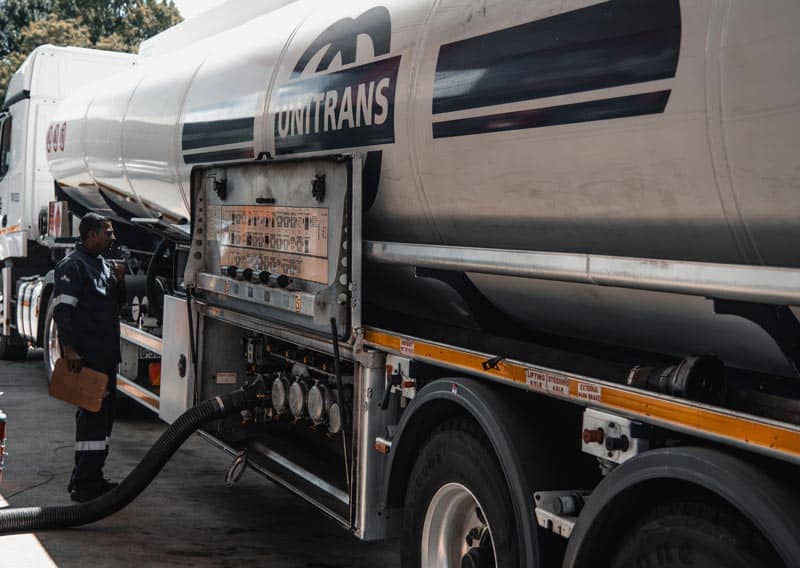
A: Bottom loading is a closed-system process where fuel enters the tank from the bottom. It is much faster than top loading, reduces vapor release (improving air quality and safety), and virtually eliminates the risk of spillage and static electricity buildup associated with open-top loading.
Q: Can one Unitrans tanker carry different products simultaneously?
A: Absolutely. This is a key efficiency feature. They are typically configured with multiple independent compartments (e.g., 3-5), allowing a single haul to carry diesel, gasoline, and kerosene, or different grades of diesel, without any cross-contamination.
Q: Are these tankers suitable for off-road or rough terrain delivery?
A: Yes, but configuration is key. When ordered with options like all-wheel drive, reinforced suspensions, and high-ground clearance axles, they are built to safely service mining sites, remote farms, and construction locations. Always specify your intended operating environment with the manufacturer.
Q: Where can I learn more about regulations for transporting hazardous materials like fuel?
A: In the United States, the Pipeline and Hazardous Materials Safety Administration (PHMSA) under the DOT sets the federal regulations. Their website is the authoritative source for rules on packaging, labeling, and transporting hazardous materials.
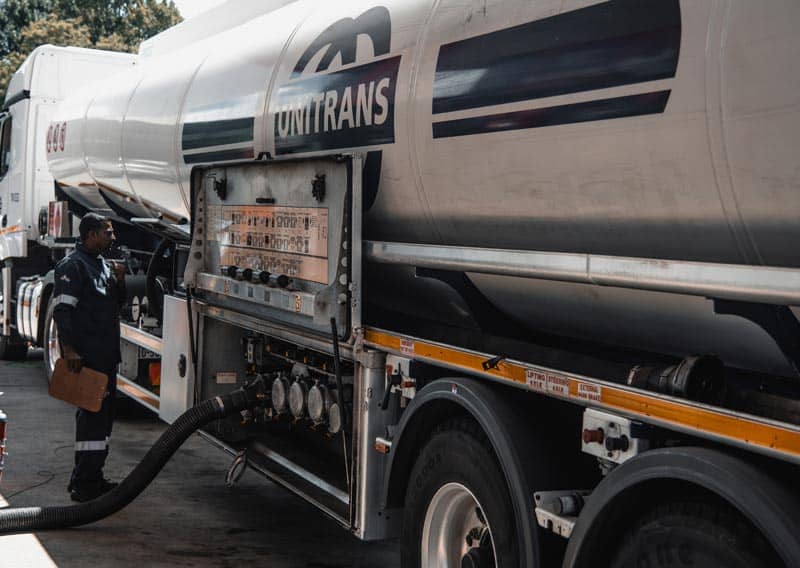
In conclusion, Unitrans fuel tankers represent a holistic approach to enhancing bulk fuel delivery services. They are not merely storage containers on wheels but integrated systems designed for peak safety, operational excellence, and long-term value. By prioritizing engineering that mitigates risk, maximizes efficiency, and embraces environmental responsibility, these tankers empower logistics companies to provide a service that is reliable, cost-effective, and sustainable. As the industry continues to evolve, the principles embedded in these vehicles will undoubtedly remain at the forefront of bulk fuel logistics.
Sources & Further Reading:
- U.S. Environmental Protection Agency (EPA). “Gasoline Distribution Stage and Transport Vehicles.” https://www.epa.gov/gasoline-standards/gasoline-distribution-stage-and-transport-vehicles
- U.S. Department of Transportation, Pipeline and Hazardous Materials Safety Administration (PHMSA). “Hazardous Materials Regulations.” https://www.phmsa.dot.gov/hazmat/regulations
- American Petroleum Institute (API). “Specifications for Tank Trucks and Tank Wagons.” (API standards are widely recognized industry benchmarks for design and construction).