HP Petrol Tankers: Safety, Specs & Transport Solutions Guide
Operating a fleet of HP petrol tankers is a serious responsibility. It’s not just about moving fuel from point A to point B; it’s about managing a rolling piece of critical infrastructure with immense potential risk. As someone who’s spent over a decade crawling under rigs, talking to drivers, and analyzing specs, I’ve learned that success hinges on three pillars: unwavering safety, precise specifications, and robust transport solutions. This guide cuts through the noise, offering a clear, actionable roadmap for fleet managers, owner-operators, and safety officers. We’ll move beyond basic brochures and dive into the real-world details that make the difference between a smooth-running operation and a costly incident. Whether you’re evaluating a new HP petrol tanker purchase or optimizing your current protocols, the insights here are built on industry experience and practical knowledge.
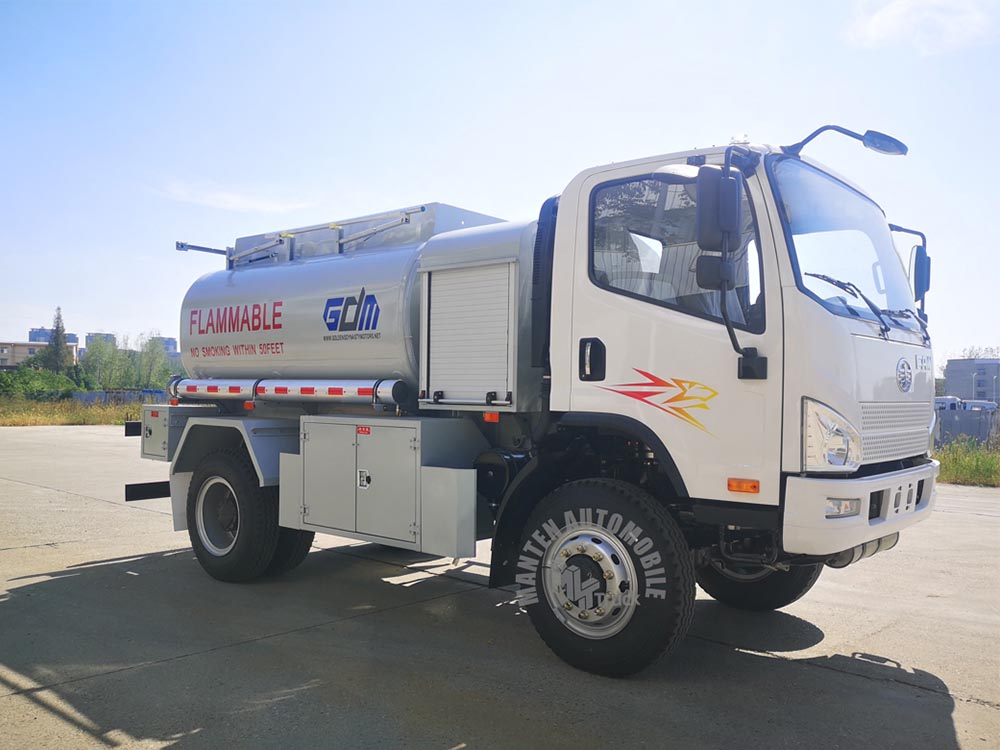
The Non-Negotiables: HP Petrol Tanker Safety Systems
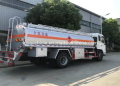
When hauling flammable liquids, safety isn’t a feature—it’s the foundation. Modern HP fuel tankers are engineered with layered protection systems designed to prevent accidents and mitigate consequences. Understanding these isn’t optional for compliance; it’s essential for protecting your crew, the public, and your business.
Core Safety Components and Their Function
Every reputable petroleum transport trailer should integrate these critical systems:
- Emergency Shut-Off Systems: These include roll-over valves and fire-activated devices that automatically seal the tank in the event of an accident or extreme heat, preventing catastrophic spillage.
- Vapor Recovery and Pressure Management: Closed systems control the release of volatile organic compounds (VOCs) during loading and unloading. Proper pressure relief valves are calibrated to prevent tank rupture from over-pressurization or vacuum collapse.
- Advanced Braking and Stability Control: Systems like ABS and electronic stability programs (ESP) are crucial for high-center-of-gravity vehicles. They help maintain control during evasive maneuvers or on slippery surfaces, directly reducing rollover risk.
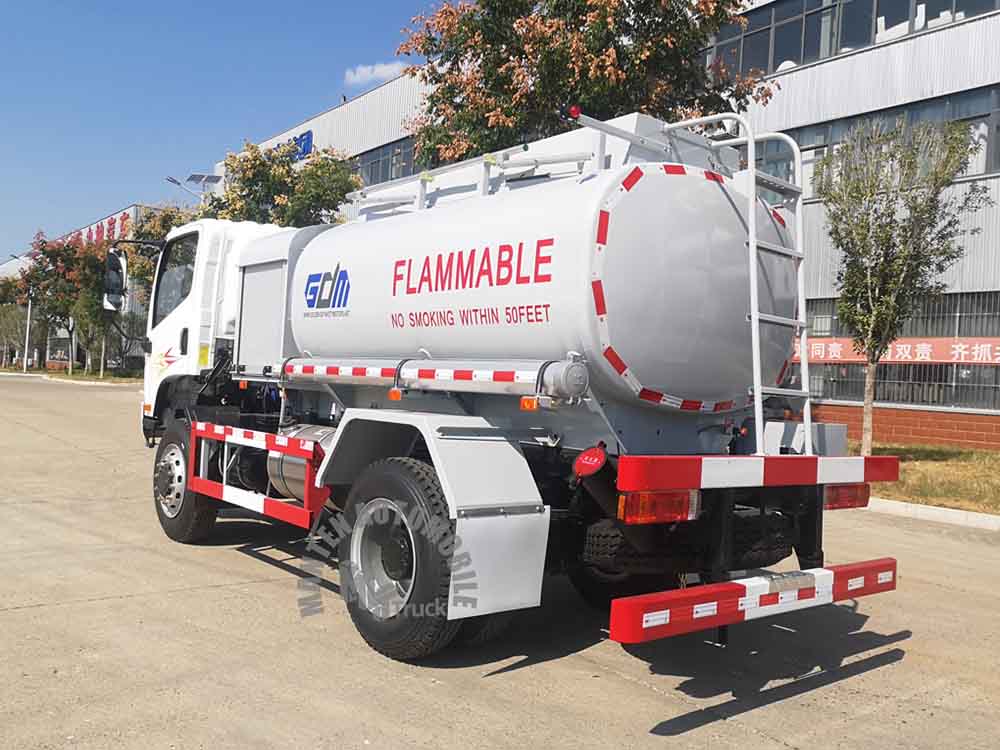
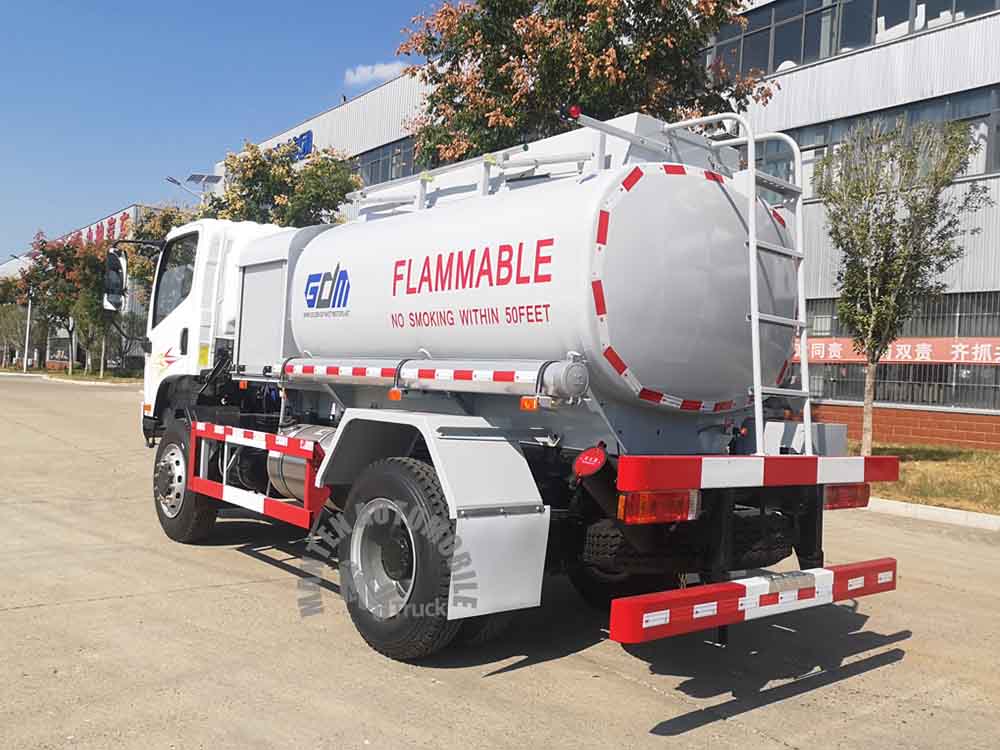
- Passive Protection: This includes robust rear-end protection guards (DOT bumper), non-sparking metalwork in key areas, and clearly marked, reflective hazardous material placards that meet GHS standards.
Maintenance: The Safety Protocol You Control
The best systems fail without rigorous checks. John Miller, a fleet safety consultant with over 20 years of experience and a certified TESOL instructor for industrial safety training, emphasizes a proactive approach: “A checklist is only as good as the culture behind it. Drivers and mechanics need to understand the *why* behind each inspection point for a hazardous material tanker. For instance, a small weep from a seal isn’t just a leak; it’s a potential ignition source and a regulatory violation.” Implement a daily driver vehicle inspection report (DVIR) and a structured preventive maintenance schedule focusing on:
- Integrity of all valves, seals, and piping.
- Thickness testing and structural inspection of the tank shell.
- Functionality of all emergency equipment and electrical systems.
Decoding the Spec Sheet: What Matters for Your Operation
Choosing an HP petrol tanker isn’t about maxing out capacity. It’s about matching engineering to your specific duty cycle, routes, and regulatory environment. Let’s break down the key specifications.
Capacity, Compartments, and Construction
Tank capacity is governed by weight limits, not just volume. A typical 5-axle configuration in the US or EU might have a gross vehicle weight rating (GVWR) of 80,000 lbs (≈36,300 kg) or 44 tonnes respectively. After subtracting the tractor and trailer weight, you get your net payload. Tank construction is typically aluminum (lightweight, corrosion-resistant) or steel (high strength). The number of compartments is critical for carrying multiple products or grades. More compartments increase flexibility but add complexity and weight.
Key Specification Comparison Table
| Feature | Standard Configuration | High-Capacity / Long-Haul Focus | Urban / Multi-Drop Focus |
|---|---|---|---|
| Typical Capacity | 7,000 – 9,000 US gallons | 9,000 – 11,500 US gallons | 5,000 – 7,000 US gallons |
| Number of Compartments | 4-5 | 3-4 (for bulk product) | 5-7 (for multiple grades) |
| Unloading System | Single pump, 2″ lines | High-flow pump (e.g., 500 GPM), 3″ lines | Dual pumps or multi-drop manifold |
| Chassis & Suspension | Standard tandem axle, leaf spring | Wide-track axle, air ride for stability | Tighter turning radius, lift axles for weight distribution |
| Prime Consideration | General purpose, cost-efficiency | Payload maximization, fuel efficiency on highway | Maneuverability, faster unloading times |
Pumps, Meters, and Offloading Efficiency
The offloading system is your productivity engine. Pump choice (e.g., centrifugal vs. positive displacement) affects speed and ability to handle longer hose runs or higher lifts. Integrated metering systems with ticket printers are mandatory for custody transfer and billing accuracy. According to a 2022 report by the American Petroleum Institute, automated, calibrated loading systems can reduce measurement error and product loss by up to 0.5%, which translates to significant savings at scale.
Building a Compliant and Efficient Transport Solution
A tanker is a tool. The transport solution is the entire process—people, planning, and protocols—that turns that tool into a profitable, reliable service.
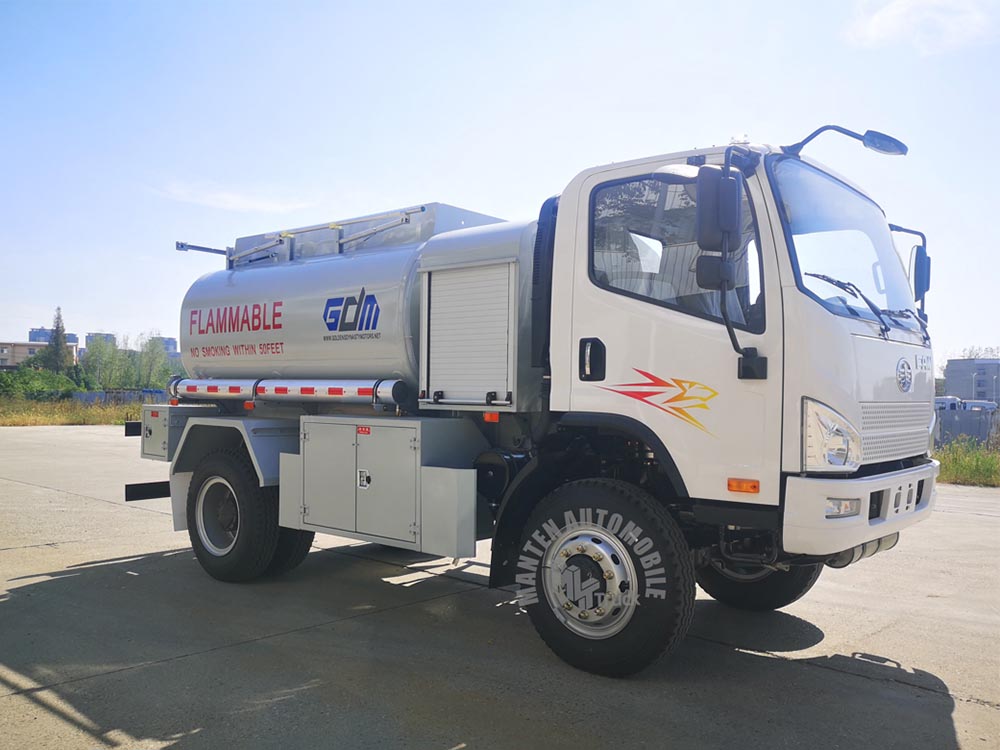
Navigating the Regulatory Maze
Transporting petrol is heavily regulated. In North America, you must comply with DOT (Department of Transportation) and PHMSA (Pipeline and Hazardous Materials Safety Administration) rules, including HM-126F for driver training. In Europe, ADR (European Agreement concerning the International Carriage of Dangerous Goods by Road) regulations apply. Key requirements include:
- Specific driver training and certification (e.g., Hazmat endorsement, ADR certificate).
- Proper shipping papers, emergency response information, and placarding.
- Regular, documented equipment inspections and testing.
Route Planning and Risk Mitigation
Advanced routing software isn’t just for efficiency; it’s a safety tool. The best solutions for fuel delivery logistics consider:
* Restricted tunnels and bridges (using Hazmat routing).
* Traffic patterns to avoid congested areas during peak times.
* Proximity to emergency services along the route.
A study cited by the Federal Motor Carrier Safety Administration (FMCSA) found that proactive route planning can reduce incident probability by identifying and avoiding high-risk road segments.
The Role of Technology in Modern Fleets
Telematics and IoT sensors now provide real-time data on:
* Tank compartment levels and temperatures.
* Valve status (open/closed) to prevent accidental release.
* Driver behavior (hard braking, rapid turns) linked to stability risk.
This data allows for predictive maintenance, immediate incident response, and enhanced asset security, creating a smarter, more resilient petroleum transport operation.
Choosing the Right Partner for Your Tanker Needs
Whether you’re adding to a fleet or starting out, selecting a manufacturer is a long-term decision. Look for a partner with proven expertise in hazardous material tanker engineering, not just general trailer building. They should have a deep understanding of ASME, DOT, and ADR codes. For those exploring reliable and cost-effective manufacturing options, Chinese Truck Factory has garnered attention for building tankers to international specifications, offering a viable alternative for price-conscious fleets without compromising on core safety design principles. Always insist on detailed certification documents and, if possible, visit the manufacturing facility to audit their quality control processes firsthand.
Frequently Asked Questions (FAQs)
Q: How often does an HP petrol tanker need to be pressure tested and inspected?
A: Regulations vary, but generally, the tank shell requires a formal pressure test and internal inspection every 5 years. All valves, hoses, and emergency devices should be inspected annually or per the manufacturer’s stricter schedule. Always follow local regulatory authority guidelines, which may be more frequent.
Q: What’s the biggest operational risk with fuel tankers, and how can it be minimized?
A: Static electricity discharge during loading/unloading is a perennial, high-consequence risk. It is minimized by strict adherence to bonding and grounding procedures. Ensure the tanker is properly connected to the facility’s ground before any transfer begins, and use verified bonding cables. Continuous driver training on this specific hazard is non-negotiable.
Q: Are aluminum or steel tanks better for petrol transport?
A: Aluminum is the dominant choice for most over-the-road petrol tankers. It’s lighter (allowing greater payload), highly resistant to the corrosion caused by moisture in fuel, and requires less maintenance. Steel is stronger and may be used for specific applications or in certain cost-focused markets, but its weight and corrosion susceptibility are significant drawbacks.
Q: Can I use one compartment for gasoline and another for diesel on the same load?
A: Technically yes, if the tanker is designed with separate, sealed compartments and piping. However, this is a high-risk operation due to potential cross-contamination. It requires meticulous procedures, dedicated lines for each product, and is generally only done by highly specialized carriers with extensive controls. For most fleets, dedicating a tanker to a single product type is safer and simpler.
Sources & Further Reading:
– American Petroleum Institute (API): https://www.api.org/
– U.S. Department of Transportation, Federal Motor Carrier Safety Administration (FMCSA): https://www.fmcsa.dot.gov/
– European Agreement concerning the International Carriage of Dangerous Goods by Road (ADR): https://unece.org/transport/dangerous-goods/adr-agreement